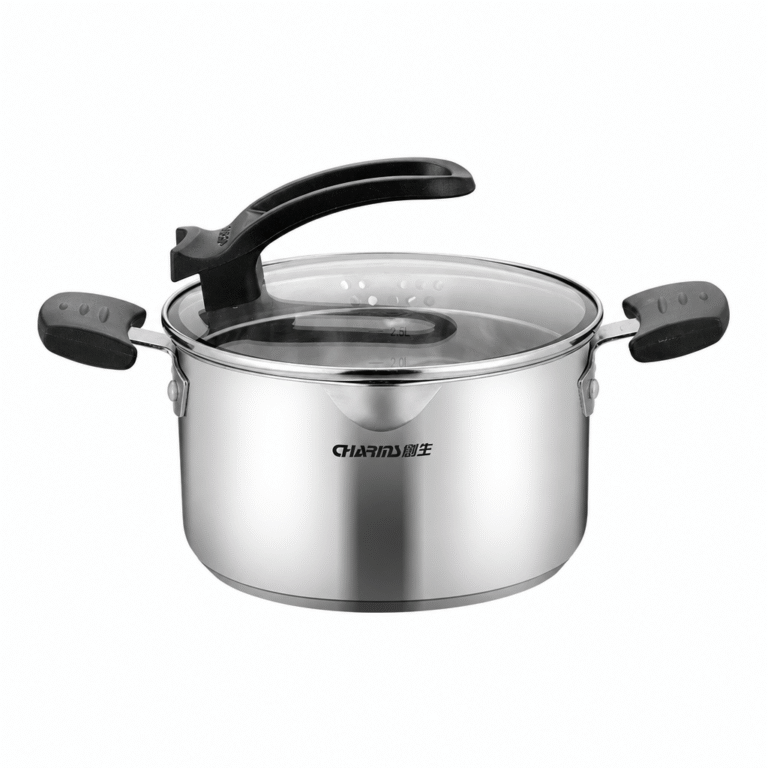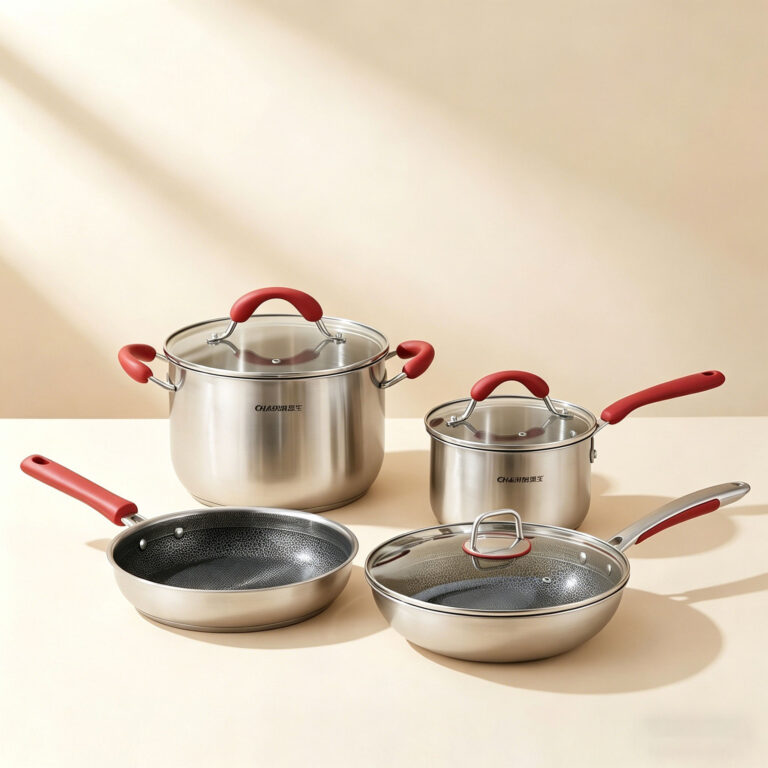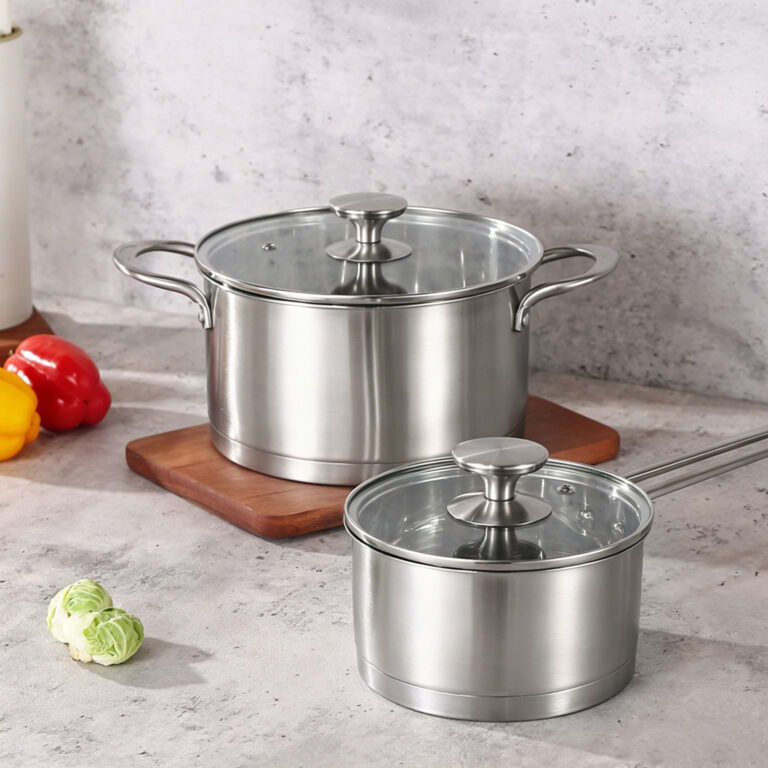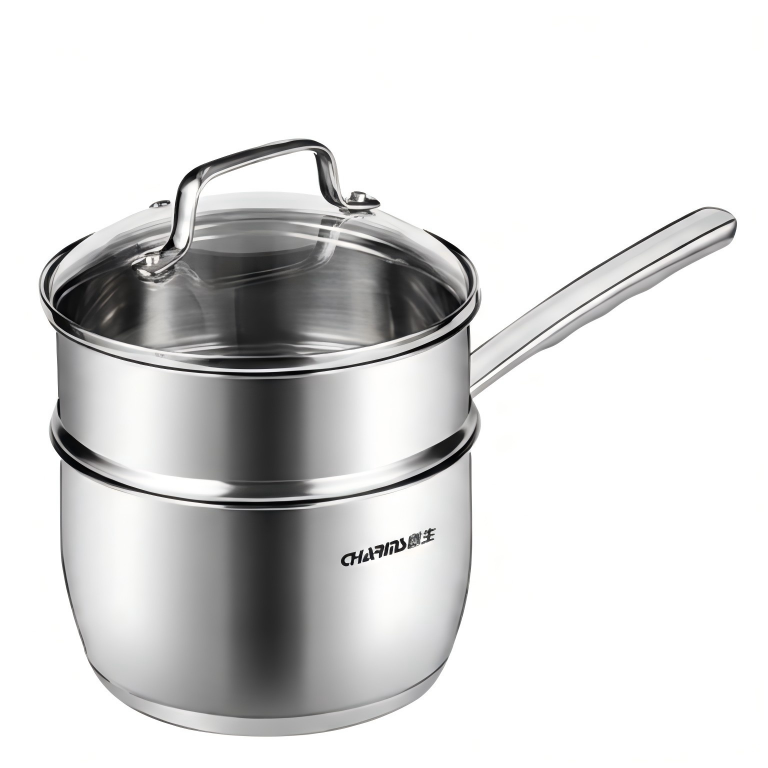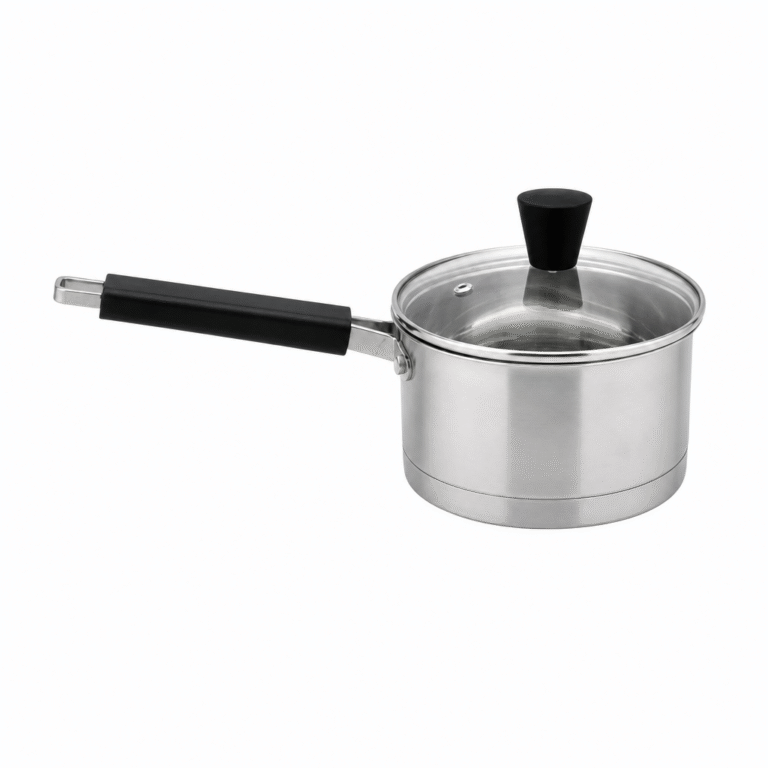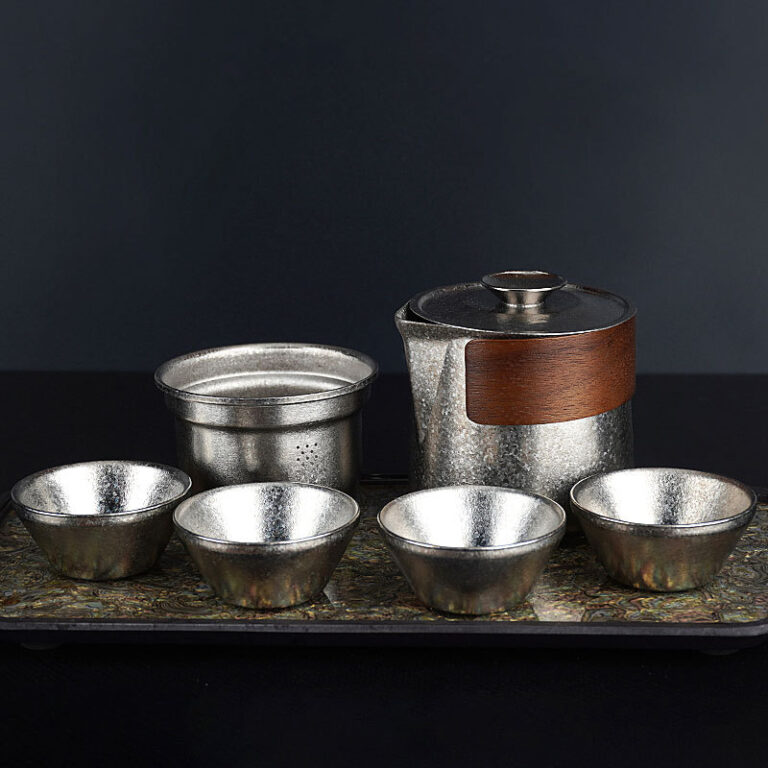


304 and 430 are the two most common stainless steel grades in cookware, but they behave very differently in the kitchen. 304 (also labeled 18/8) contains 8–10.5% nickel, giving it superior corrosion resistance and making it ideal for cooking surfaces. 430 (labeled 18/0) has no nickel, which makes it magnetic — the key property needed for induction cooktops. Neither grade is a good conductor of heat on its own. Premium cookware solves this by stacking both: 304 on the cooking surface and 430 on the exterior for induction compatibility, with an aluminum core for heat distribution. Knowing this changes how you shop.
What’s the Real Difference? It Comes Down to Nickel
The single element that separates 304 from 430 is nickel — and that one difference cascades into everything else.
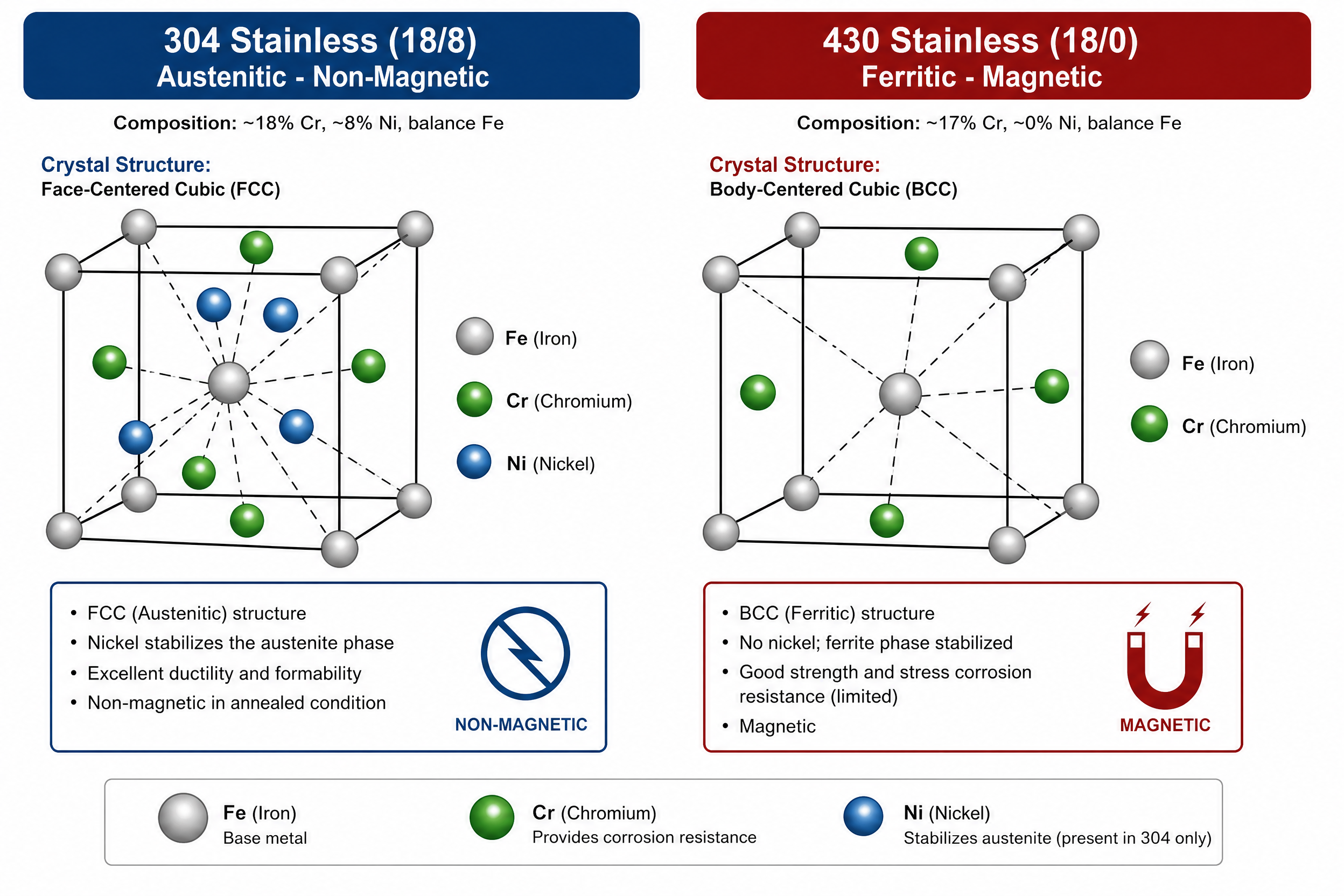
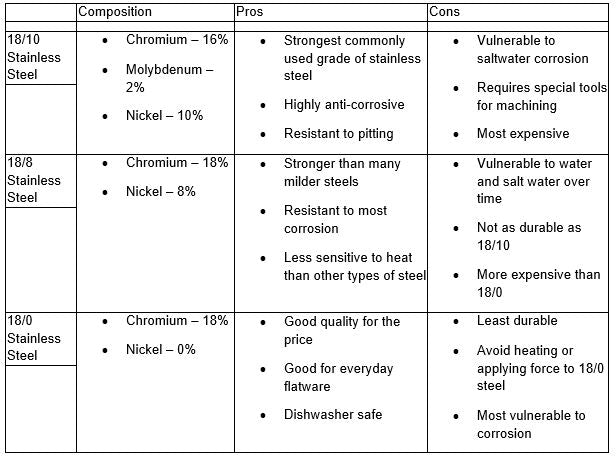
304 stainless steel contains 18–20% chromium and 8–10.5% nickel, per ASTM A240. Those percentages explain the common marketing label you see on cookware: “18/8” means 18% chromium, 8% nickel. You’ll also see “18/10,” which is a slightly higher-nickel variant that qualifies as grade 316 in most formal standards (the terms are used interchangeably in retail marketing, which creates confusion).
430 stainless steel contains 16–18% chromium and virtually no nickel — the maximum allowed is 0.75% under ASTM A240. That’s why it’s labeled “18/0”: 18% chromium, 0% nickel.
| Property | 304 (18/8) | 430 (18/0) |
|---|---|---|
| Chromium content | 18–20% | 16–18% |
| Nickel content | 8–10.5% | ≤0.75% |
| Crystal structure | Austenitic | Ferritic |
| Magnetic? | No | Yes |
| Induction compatible? | No (alone) | Yes |
| Corrosion resistance | Higher | Moderate |
| Cost | Higher | Lower |
| Nickel allergy risk | Present | None |
The nickel in 304 does two things: it improves corrosion resistance significantly, and it changes the crystal structure from ferritic to austenitic. That structural shift is why 304 becomes non-magnetic. No nickel → ferritic structure → magnetic → induction compatible. That chain reaction is the most misunderstood fact in the cookware market.
The Induction Question: Only One of These Grades Works on Its Own
If you have an induction cooktop, the magnetic property of your cookware’s base is non-negotiable — and only 430 delivers it naturally.
Induction cooktops work by generating a magnetic field that induces electrical currents in the pan itself. That requires a ferromagnetic material in the base. 430, being ferritic, is magnetic. 304, being austenitic, is not. Put a 304-only pan on an induction cooktop and it won’t heat.
Here’s where it gets practical: run a simple test on any pan you own. Hold a standard refrigerator magnet to the base. If it sticks firmly, that base layer is likely 430 or another ferritic steel — your pan will work on induction. If the magnet doesn’t stick, you have a 304 or 316 pan, and it won’t work on an induction hob unless the base has a separate magnetic layer bonded in.
The confusion often starts at the store. A pan labeled “stainless steel 18/8” and another labeled “induction-compatible stainless steel” can look identical on the shelf. The difference is in what you can’t see: whether the manufacturer added a 430 base layer or not.
Premium clad cookware — All-Clad, Demeyere, Mauviel — solves this by engineering the base specifically. Their tri-ply construction stacks 304 stainless (cooking surface) → aluminum (heat core) → 430 stainless (exterior). The 430 exterior gives you induction compatibility, the 304 interior gives you corrosion resistance where food contacts metal, and the aluminum alloy core distributes heat evenly because stainless steel on its own is a mediocre heat conductor (thermal conductivity around 16 W/m·K, versus aluminum alloys used in cookware at roughly 150–230 W/m·K).
Budget induction cookware often uses 430 throughout — which is why induction-marketed pots are sometimes cheaper than non-induction equivalents. Single-grade 430 pans work on induction but lack the corrosion resistance and polishability of 304 on the cooking surface.

Food Safety: Both Grades Are Approved — but the Nickel Factor Is Real
Both 304 and 430 are legally food-safe for cookware. The nuance is about nickel sensitivity, not toxicity.
A 2014 study published in PMC (National Center for Biotechnology Information, article PMC4284091) measured nickel and chromium leaching from stainless steel cookware into tomato sauce. After repeated cooking cycles, 304 stainless released measurable but small amounts of both metals. The study noted that “the contribution is dependent on stainless steel grade, cooking time, and cookware usage,” and leaching decreased significantly with repeated use as the passive oxide layer stabilized.
430, containing essentially no nickel, releases near-zero nickel during cooking. Astropak’s industry guide confirms that “430 Grade meets FCS (Food Contact Substance) standards with a chromium content of 16–18%.” The FDA’s Food Contact Substance database includes both 304 and 430 as approved grades.
For most people, the nickel levels from 304 cookware are too low to cause any health concern. The European Food Safety Authority’s (EFSA) tolerable daily intake for nickel is 13 μg/kg body weight per day — well above what leaches from properly conditioned stainless steel pans in normal cooking use.
However, if you or a family member has a diagnosed nickel allergy or contact dermatitis triggered by nickel, 430 is the safer choice. Nickel-sensitive individuals have reported reactions to prolonged high-acid cooking (tomato-based sauces, lemon-heavy recipes) in 304 pans. This is a genuine consideration, not a marketing claim.
The practical rule: for general cooking, 304 is fine. For nickel-sensitive households, 430 or nickel-free alternatives are worth the switch.
Corrosion Resistance: Where 304 Has a Real Advantage
The nickel in 304 makes it measurably more resistant to pitting and rust — which matters most when cooking acidic or salty foods.
Both grades form a passive chromium oxide layer that prevents corrosion under normal conditions. But that passive layer on 430 is thinner and more vulnerable to chloride attack. In kitchen terms: leave a tomato sauce simmering in a 430-only pan, add salt before the water boils, or store acidic leftovers in the pot overnight — and you’re accelerating the conditions that cause pitting.
Thyssenkrupp Materials’ technical documentation notes that the nickel in 304 makes it substantially more corrosion-resistant than 430, particularly in chloride-rich environments. In practical kitchen testing, 430 pans used frequently for pasta with salted water or acidic braises often show surface discoloration or micro-pitting within 2–3 years of regular use. 304-surface cookware, under the same conditions, typically maintains its appearance much longer.
This doesn’t mean 430 cookware falls apart — most people who cook varied meals won’t notice a difference. But if you regularly cook highly acidic or salty dishes, or you expect your cookware to look new after a decade, the 304 cooking surface matters.
One practical tip: never add salt to cold water in any stainless steel pot. Undissolved salt sitting on the base is more corrosive than dissolved salt in boiling water. This applies to both grades but causes faster damage to 430.
Why Premium Cookware Uses Both Grades Together
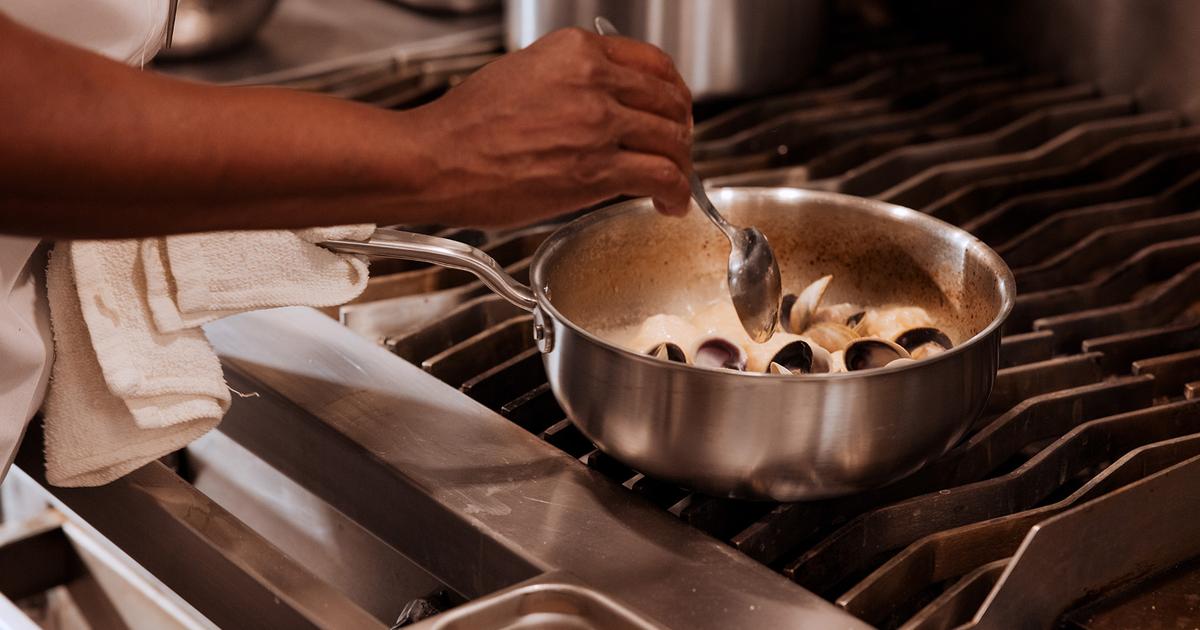
The best stainless cookware on the market doesn’t pick one grade — it engineers them to work in combination.
Once you understand what each grade does well, the tri-ply (or five-ply) construction makes complete sense:
- 304 cooking surface — resists corrosion where food makes contact, polishes easily, doesn’t react with acidic ingredients
- Aluminum or copper core — compensates for stainless steel’s poor thermal conductivity; aluminum alloys conduct heat roughly 10–14x faster than stainless steel
- 430 exterior base — provides the magnetic property required for induction, plus adds structural rigidity
This design explains why you’ll see specs like “18/10 stainless interior, magnetic stainless base” on premium cookware. The 430 isn’t a cost-cutting measure — it’s doing a job that 304 physically cannot.
Budget cookware shortcuts this in different ways. Some use 430 throughout (cheaper, induction-compatible, but lower corrosion resistance on the cooking surface). Others use 304 throughout with an added magnetic disc welded to the base — functional but less integrated than full-clad construction.
When evaluating cookware:
- Full-clad construction means the layered sandwich runs up the entire sidewalls, not just the base — more even heating
- Impact-bonded base means the layers are only at the bottom — cheaper, heats less evenly at the pan edges
- “Induction compatible” with a 304 interior is the combination you want for most applications
The Duxtop Whole-Clad Tri-Ply product spec sheet explicitly states: “outer layer is magnetic stainless steel for compatibility with all cooktops, including induction” — that outer layer is 430.
How to Choose: A Practical Decision Guide
The right grade depends on three factors: your cooktop type, your budget, and whether anyone in your household is nickel-sensitive.
Use this decision matrix before buying:
| Your Situation | Best Choice |
|---|---|
| Induction cooktop + general cooking | Full-clad: 304 interior + 430 exterior |
| Gas or electric cooktop, higher budget | 304 throughout (or 316 if budget allows) |
| Gas or electric cooktop, budget-conscious | 430 is acceptable if dishes are low-acid |
| Nickel allergy in household | 430 cooking surface, avoid 304 interior |
| Frequently cook tomato sauce, braises, acidic dishes | 304 cooking surface essential |
| Commercial kitchen, heavy daily use | 304 or 316 throughout; skip 430-only |
How to identify what you already own:
- Check the base: a magnet that sticks firmly = 430 (or 430-based outer layer)
- Look for “18/8” or “18/10” stamped on the base = 304 or 316 cooking surface
- Look for “18/0” = 430 throughout
- No marking? If your pan works on induction AND the cooking surface resists discoloration = likely full-clad construction
One thing worth knowing: a pan that says “stainless steel” with no grade marking is almost always 430. Grade 304 is more expensive and manufacturers who use it tend to advertise the fact.
FAQ
Is 304 or 430 stainless steel better for cookware?
For the cooking surface, 304 is better: it has higher corrosion resistance, handles acidic foods well, and holds a polish longer. But “better” is context-dependent. 430 is the correct grade for induction-compatible base layers and is the preferred choice for nickel-sensitive households.
Can I use 304 stainless steel cookware on an induction cooktop?
Not unless the pan has a separate magnetic (430) base layer. 304 is austenitic and non-magnetic — it won’t heat on an induction burner on its own. The quick test: a magnet held to the base should stick firmly. If it doesn’t, the pan won’t work on induction.
Is 430 stainless steel food safe?
Yes. 430 meets FDA Food Contact Substance standards and is approved for cookware use. It contains no nickel, which actually makes it the safer choice for people with nickel allergies. The claim that 430 is “not food grade” appears on some industrial supply websites but reflects confusion between optimally corrosion-resistant and food-unsafe — they’re different things.
What does 18/8 or 18/0 mean on cookware?
These are shorthand notations for chromium/nickel content: 18/8 means 18% chromium and 8% nickel (= grade 304), and 18/0 means 18% chromium and 0% nickel (= grade 430). “18/10” indicates approximately 10% nickel, associated with grade 316 in formal standards but often used interchangeably with 304 in retail marketing.
Will 430 stainless steel rust or pit?
Under aggressive conditions — prolonged acidic cooking, undissolved salt contact, or storage of acidic leftovers — 430 is more susceptible to surface pitting than 304. For everyday cooking, well-maintained 430 performs fine. Avoid leaving salted water to sit cold in 430 pans, and don’t store tomato-based dishes in the pot overnight.
Why does premium cookware cost more if it uses cheap 430 steel?
Premium brands use full-clad construction (not just an impact-bonded base disc), higher-grade 304 on all cooking surfaces, and tighter manufacturing tolerances. The 430 in their base is doing an engineering job, not cutting corners. A $15 all-430 pan and a $150 full-clad pan are both “stainless steel” — they’re structurally and functionally different products.
Final Take
The 304 vs 430 question doesn’t have a single answer — it has a context. 304 belongs on the cooking surface where corrosion resistance matters. 430 belongs on the base where magnetic properties enable induction. Understanding this makes you a smarter buyer: look for “304 interior” in the specs, check for induction compatibility if you need it, and run the magnet test on anything that doesn’t say.
For most home kitchens buying a mid-range set: full-clad tri-ply with 304 interior and 430 base covers every scenario. For budget buyers on gas or electric: a good single-ply 430 pan handles everyday cooking without issues. For nickel-sensitive households: 430 throughout is the right call.
The grades are a specification, not a brand promise. Knowing what you’re looking at gets you better cookware for less frustration.