
Nowadays, cooking is rarely done step by step following a recipe. More often than not, it is a matter of trade-offs: how to arrange the process more smoothly within a limited time, how not to waste the value of the ingredients themselves, and how to make every meal stable, reliable, and worth repeating without increasing complexity.
The kitchen, in reality, is not ideal. Time is compressed, energy is scattered, and the more steps there are, the more likely it is to make mistakes. However, our expectations for taste, nutrition, and completion always remain. What truly makes people feel at ease is not an occasional success, but being “almost equally good”.
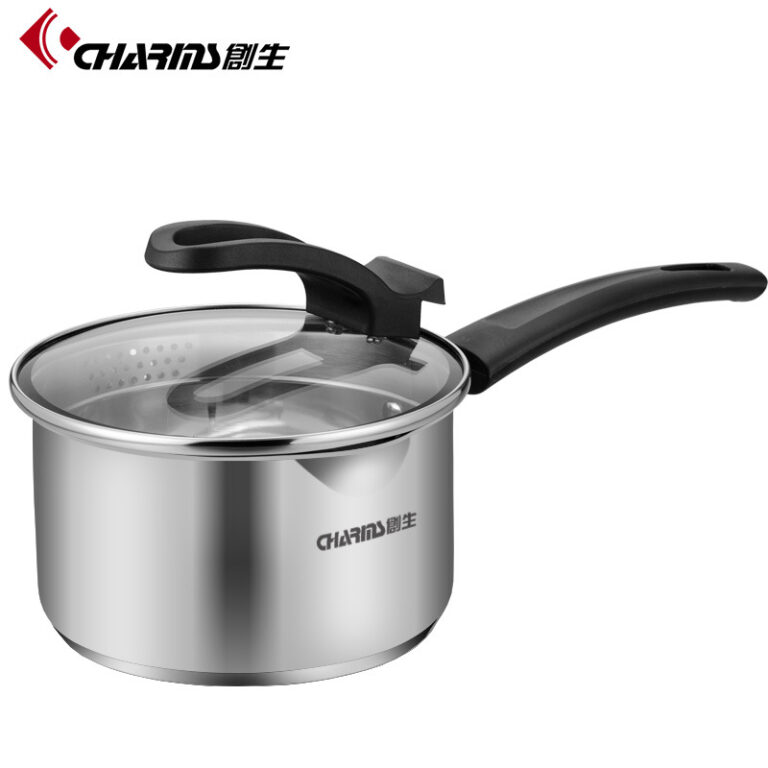
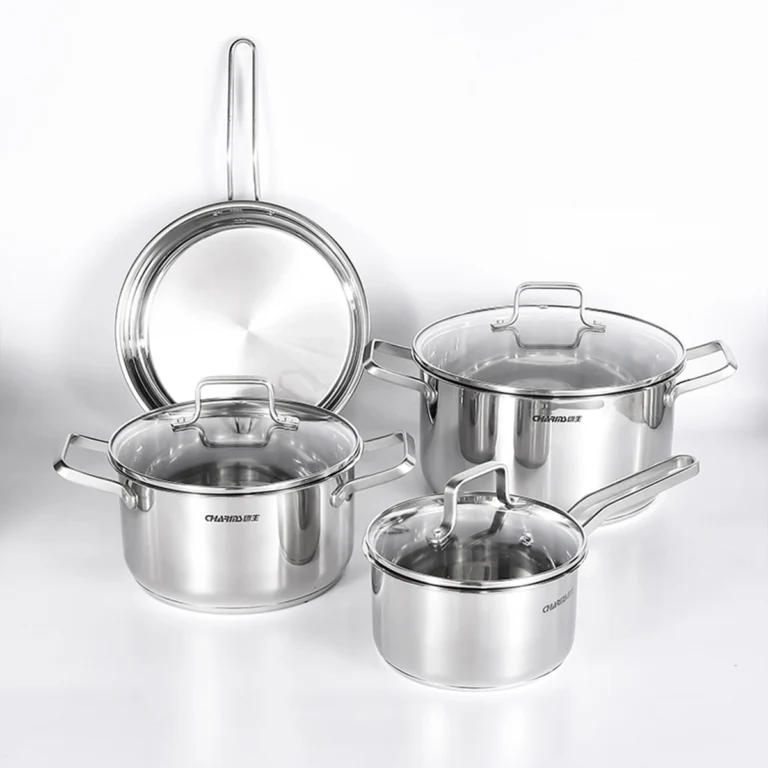
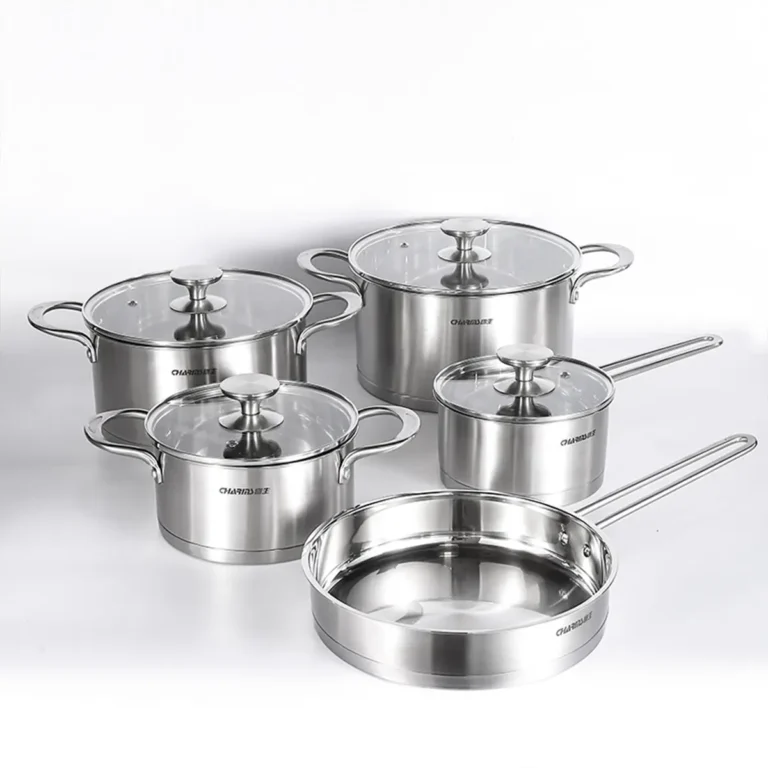
After long-term exposure to the structural design, actual performance, and real cooking process of stainless steel cookware, I have become increasingly clear that a pressure cooker is not a tool for being lazy. It is more like a reconfiguration of the cooking process – by altering the pressure and temperature environment inside the pot, it enables heat and moisture to act more effectively on the structure of the ingredients, thereby reducing uncertainty.
It is precisely on this basis of understanding that I have sorted out five very specific reasons derived from practical use to explain why the pressure cooker is not merely “a must-have for chefs”, but a core cooking appliance worth staying in the family kitchen for a long time.
1. Saving Time in Everyday Cooking
Time savings are often described in vague terms, but pressure cooking saves time in specific, measurable ways.
A sealed pressure environment raises the boiling point of water. This is not a marketing phrase—it is a physical fact. When liquid boils at a higher temperature, heat penetrates food faster and more evenly. As a result, the internal temperature of ingredients rises efficiently without aggressive external heat.
In daily cooking, this changes everything.
Meals that traditionally require long simmering or extended monitoring become predictable. Once pressure stabilizes, cooking enters a controlled phase. You are no longer adjusting heat every few minutes or compensating for evaporation.
What this means in practice:
- Stews reach tenderness without hours of reduction
- Beans soften evenly without splitting skins
- Grains hydrate fully without constant stirring
The most overlooked benefit is not speed, but mental space. Pressure cooking reduces decision points. Fewer checks. Fewer corrections. Less second-guessing.
When cooking becomes more predictable, it becomes easier to repeat—and consistency is what defines good cooking over time.
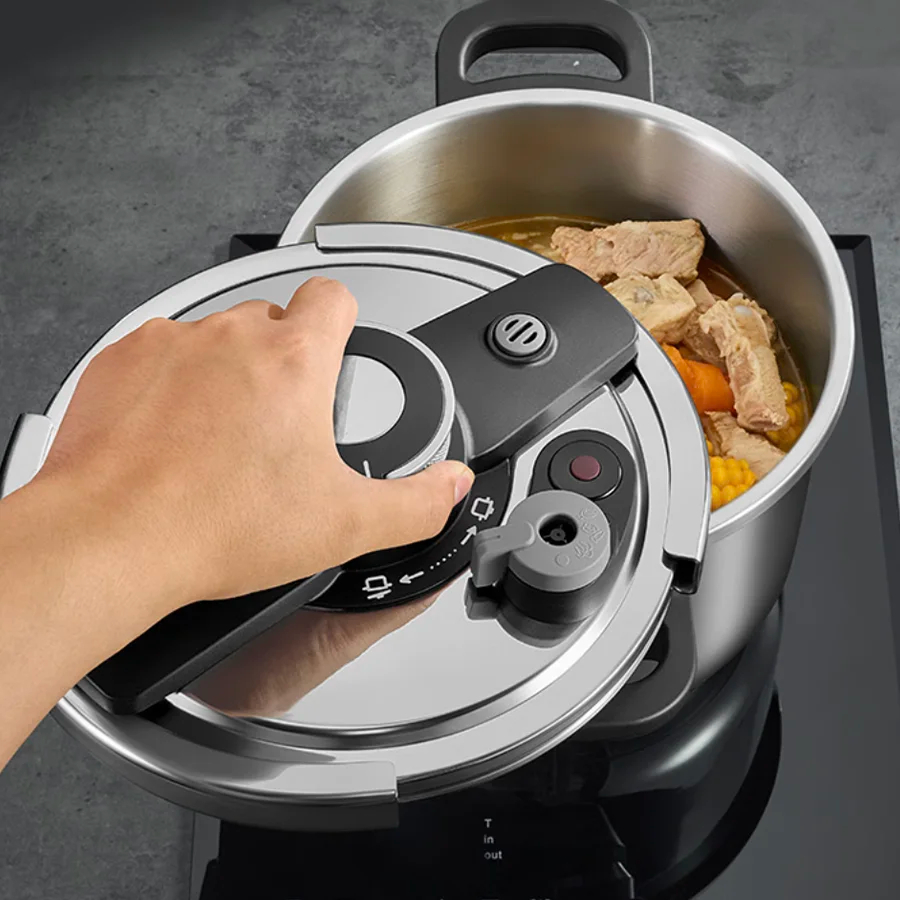
2. Retaining More Nutrients and Natural Flavor
Flavor and nutrition are closely linked, yet many cooking methods separate them unintentionally. Excess water, long exposure to heat, and open-air evaporation all contribute to nutrient loss and diluted taste.
Pressure cooking addresses these issues at the root.
Because cooking time is shorter and liquid volume is controlled, fewer nutrients escape into the cooking water. At the same time, a sealed environment prevents volatile aroma compounds from dissipating into the air.
In stainless steel pressure cookware, the material itself plays a quiet but critical role. Stainless steel does not react with acidic or alkaline ingredients. It does not absorb flavor, and it does not introduce residual tastes. What you cook remains exactly what you taste.
From repeated cooking comparisons across vegetables, legumes, and proteins, several patterns consistently appear:
- Broths taste deeper without added seasoning
- Vegetables retain their natural sweetness
- Proteins develop cleaner, more defined flavors
This is not about intensifying flavor artificially. It is about preserving what already exists in the ingredient.
If you care about ingredient sourcing, freshness, and balance, pressure cooking protects that investment instead of eroding it.
3. Reducing Energy Use and Long-Term Cooking Costs
Energy efficiency is rarely visible in the kitchen, but it shapes long-term cooking economics more than most people realize.
Pressure cookers reduce energy use through two mechanisms:
- Faster heat penetration reduces total cook time
- Trapped heat minimizes energy loss during cooking
Once pressure is reached, the cooker requires only minimal heat to maintain internal conditions. Compared to open-pot simmering, this dramatically lowers total energy consumption.
Over time, this efficiency compounds.
Cost savings extend beyond utilities:
- Less reliance on pre-cooked or canned foods
- Greater use of dry staples purchased in bulk
- Reduced need for repeated reheating
Pressure cooking also makes economical ingredients practical. Tough cuts, whole grains, and dry legumes become reliable options rather than compromises.
In a kitchen that values control and efficiency, this is not an optional advantage. It is structural.
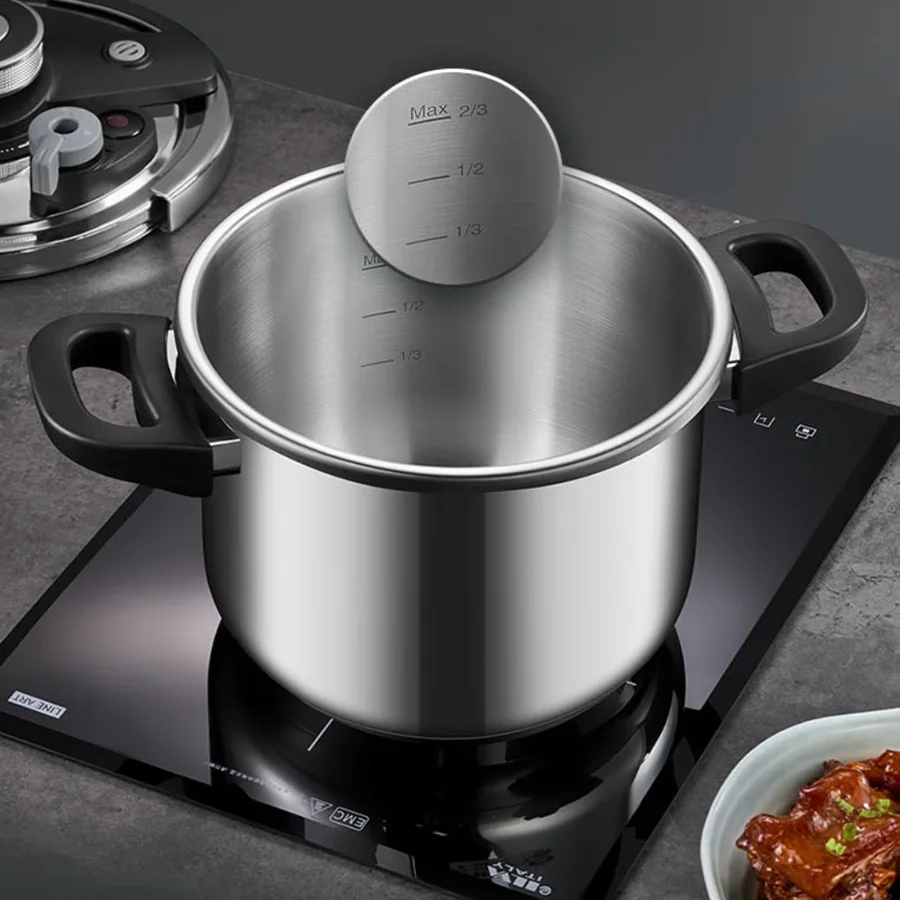
4. Transforming Tough Ingredients into High-Quality Dishes
Many ingredients are underused, not because of poor flavor, but because of preparation difficulty. Time, texture uncertainty, and inconsistency discourage experimentation.
Pressure cooking removes these barriers by altering how the structure breaks down under heat.
High pressure accelerates collagen conversion in meat, allowing connective tissue to soften without drying muscle fibers. In grains and legumes, pressure promotes uniform hydration, preventing chalky centers or uneven textures.
The results are tangible:
- Meat becomes tender without losing its body
- Beans cook through without bursting
- Stocks extract depth without cloudiness
This is not forceful cooking. It is an efficient transformation.
When ingredients behave predictably, cooks gain confidence. Confidence leads to broader ingredient use, less waste, and better overall cooking outcomes.
A pressure cooker does not change recipes. It changes what is possible within your available time.
5. Expanding Cooking Flexibility Without Adding Complexity
One of the most practical advantages of a pressure cooker is versatility. It replaces multiple tools without increasing operational complexity.
In daily use, it functions as:
- A large-capacity pot
- A controlled steamer
- A braising vessel
- A soup and stock cooker
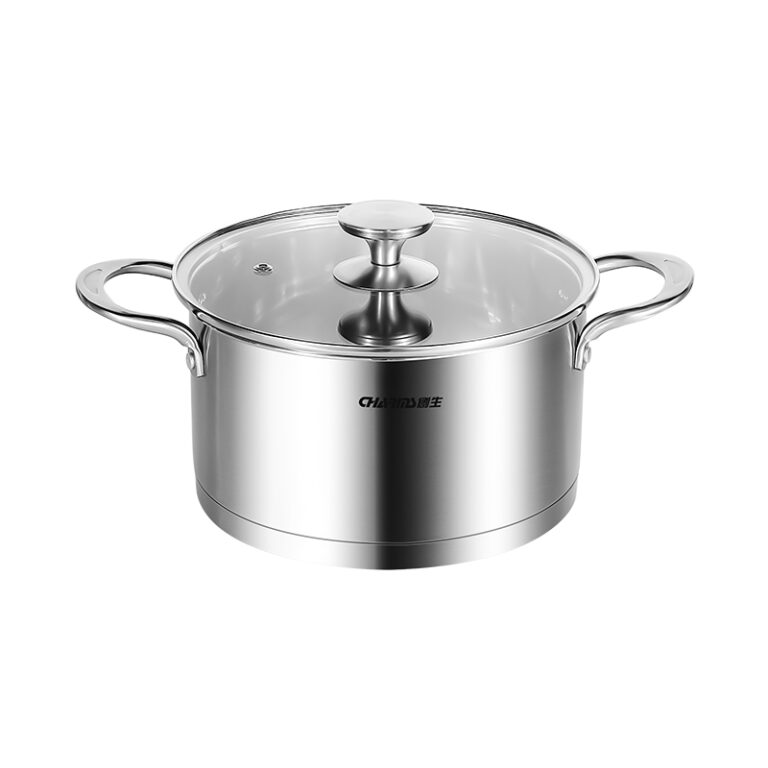
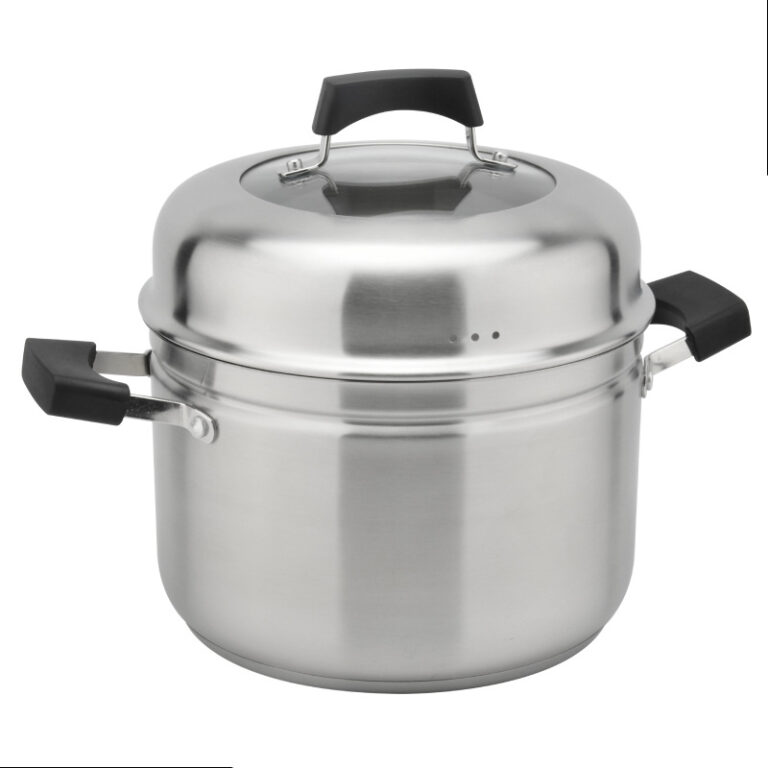
High-quality stainless steel construction supports this versatility. Thick bases distribute heat evenly. Rigid walls maintain pressure stability. Secure locking systems allow repeated use without recalibration.
For cooks who value durable tools over disposable appliances, this matters.
Versatility here does not mean novelty. It means dependability across cooking styles.
When one piece of cookware adapts to multiple needs, the kitchen becomes simpler, not more crowded.
6. Conclusion
The reason why pressure cookers are worth staying in the kitchen for a long time is precisely that the several key reasons mentioned earlier work together. It makes daily cooking more efficient by shortening the cooking time. In a closed environment, the loss of nutrients and flavors is reduced, and the original value of the ingredients is retained to the greatest extent. At the same time, it reduces energy consumption and overall cooking costs, making long-term use more practical. More importantly, it can stably handle hard ingredients that were originally time-consuming and difficult to control, and complete multiple cooking methods in one pot, reducing tool switching and operational complexity.
When these advantages are combined, the pressure cooker is no longer just a cooking tool to solve a single problem, but a core tool to help home chefs establish a more controllable, efficient, and sustainable cooking rhythm.
If you are also looking for a pressure cooker manufacturer, please contact us!