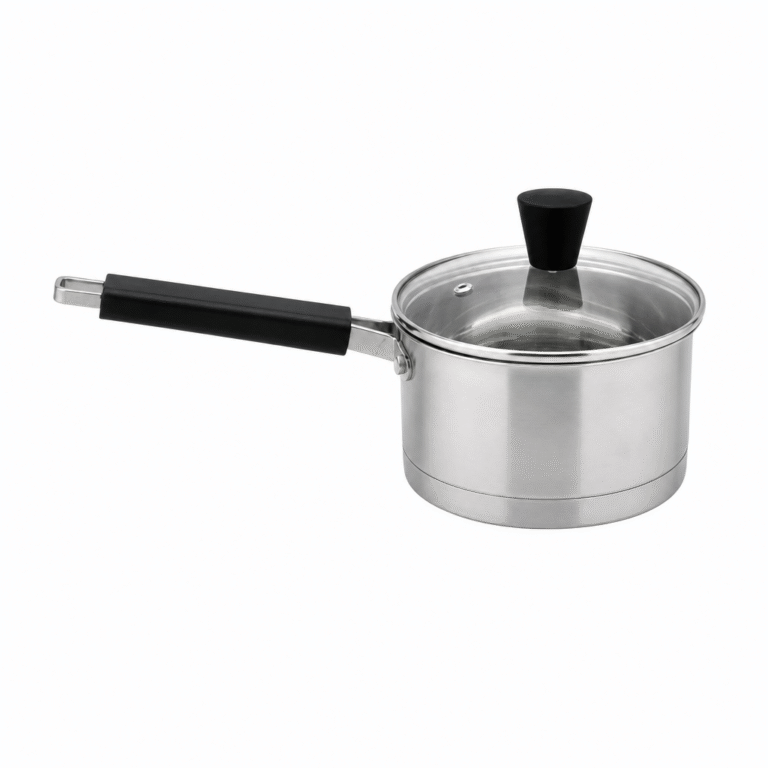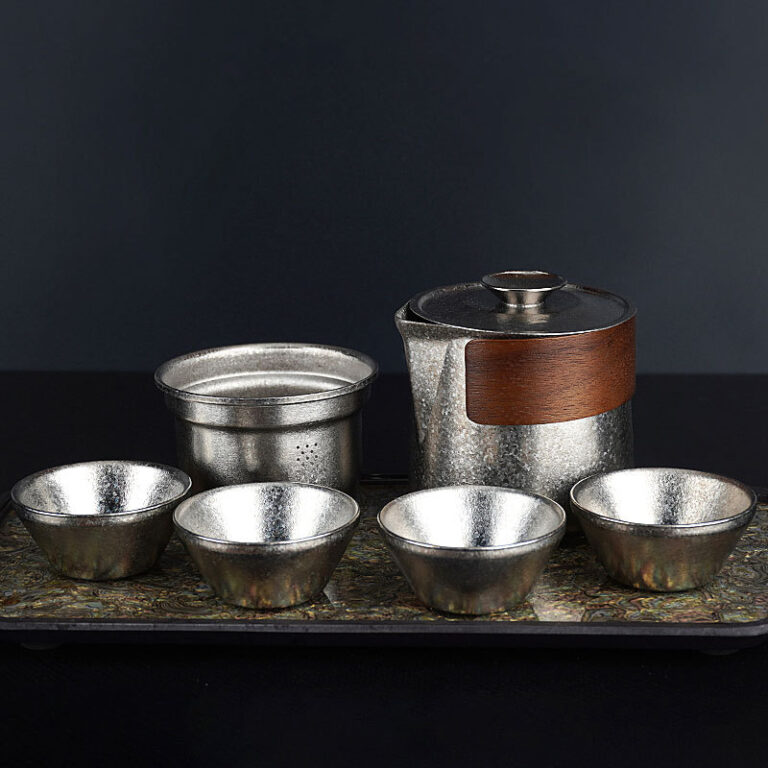


A baking pan is typically made of metal — aluminum, stainless steel, or carbon steel — with relatively shallow sides, designed for fast, dry heat that browns and crisps food. A casserole dish is made of glass, ceramic, or stoneware, deeper and often lidded, suited for slow, moist cooking. The two aren’t interchangeable without adjustments. Metal heats faster and produces better browning; glass and ceramic hold heat longer and cook more gently. For most home cooks, owning one of each covers nearly every recipe. This guide explains the real differences, when substitution works, and which vessel to reach for based on what you’re making.
What Makes Them Different (Beyond Just the Name)
The terms “baking pan” and “casserole dish” get used interchangeably in recipe headnotes and on product pages, which causes real confusion. Here’s the actual distinction.
A baking pan is a metal vessel — most commonly aluminum, but also carbon steel, stainless steel, or nonstick-coated variants. It has relatively thin walls, conducts heat quickly, and responds fast to temperature changes. When you pull a metal pan out of a 400°F oven, it starts cooling almost immediately. Metal conducts heat at roughly 205–237 W/m·K (aluminum) compared to glass at about 1.0 W/m·K — roughly a 200x difference. That gap is why metal browns food and glass doesn’t, at least not the same way.
A casserole dish is typically glass (borosilicate or soda-lime), ceramic, or stoneware. It’s deeper, usually 2–3 inches, and often comes with a lid. The material heats slowly but retains that heat long after it leaves the oven — which is exactly what a braised chicken thigh or a lasagna needs to finish cooking through without drying out the edges. Glass and ceramic create a gentler, more even heat environment than bare metal.
The terminology gets muddier because a 9×13 glass baking dish — the Pyrex rectangle sitting in most kitchen cabinets — is technically both: it bakes and it functions as a casserole dish. The defining factors are really material and depth, not the name on the label.
In practical terms:
- Baking pan = metal, shallow, fast heat, browning
- Casserole dish = glass/ceramic/stoneware, deep, slow heat, moisture retention
Side-by-Side Comparison
| Property | Metal Baking Pan | Glass Casserole Dish | Ceramic/Stoneware Dish |
|---|---|---|---|
| Material | Aluminum, carbon steel, stainless steel | Borosilicate or soda-lime glass | Stoneware, earthenware, porcelain |
| Heat conductivity | Very high (aluminum 205–237 W/m·K) | Very low (~1.0 W/m·K) | Very low (~1.5 W/m·K) |
| Heats up | Fast | Slow | Slow |
| Retains heat after oven | Cools quickly | Stays hot 20–30 min | Stays hot 20–30 min |
| Browning ability | Excellent | Minimal | Minimal to moderate |
| Typical depth | 1–2 inches | 2–4 inches | 2–4 inches |
| Lid included | Rarely | Sometimes | Often |
| Oven-safe temp | Up to 500°F+ | 425–450°F (Pyrex) | 400–500°F (varies by brand) |
| Broiler safe | Yes (uncoated) | No | No (most) |
| Stovetop safe | Yes (uncoated metal) | No | No (most) |
| Microwave safe | No | Yes (glass) | Yes |
| Dishwasher safe | Usually (check coating) | Yes | Usually |
| Safe with acidic food | Caution (uncoated aluminum) | Yes | Yes |
| Thermal shock risk | Low | Medium-high | Low-medium |
| Approximate price range | $10–$60 | $15–$80 | $25–$150+ |
Heat conductivity values sourced from engineering materials databases (MatWeb, EngineeringToolbox). Oven temperatures based on manufacturer specifications for common brands (Pyrex, Nordic Ware, Le Creuset).
How Each One Actually Bakes
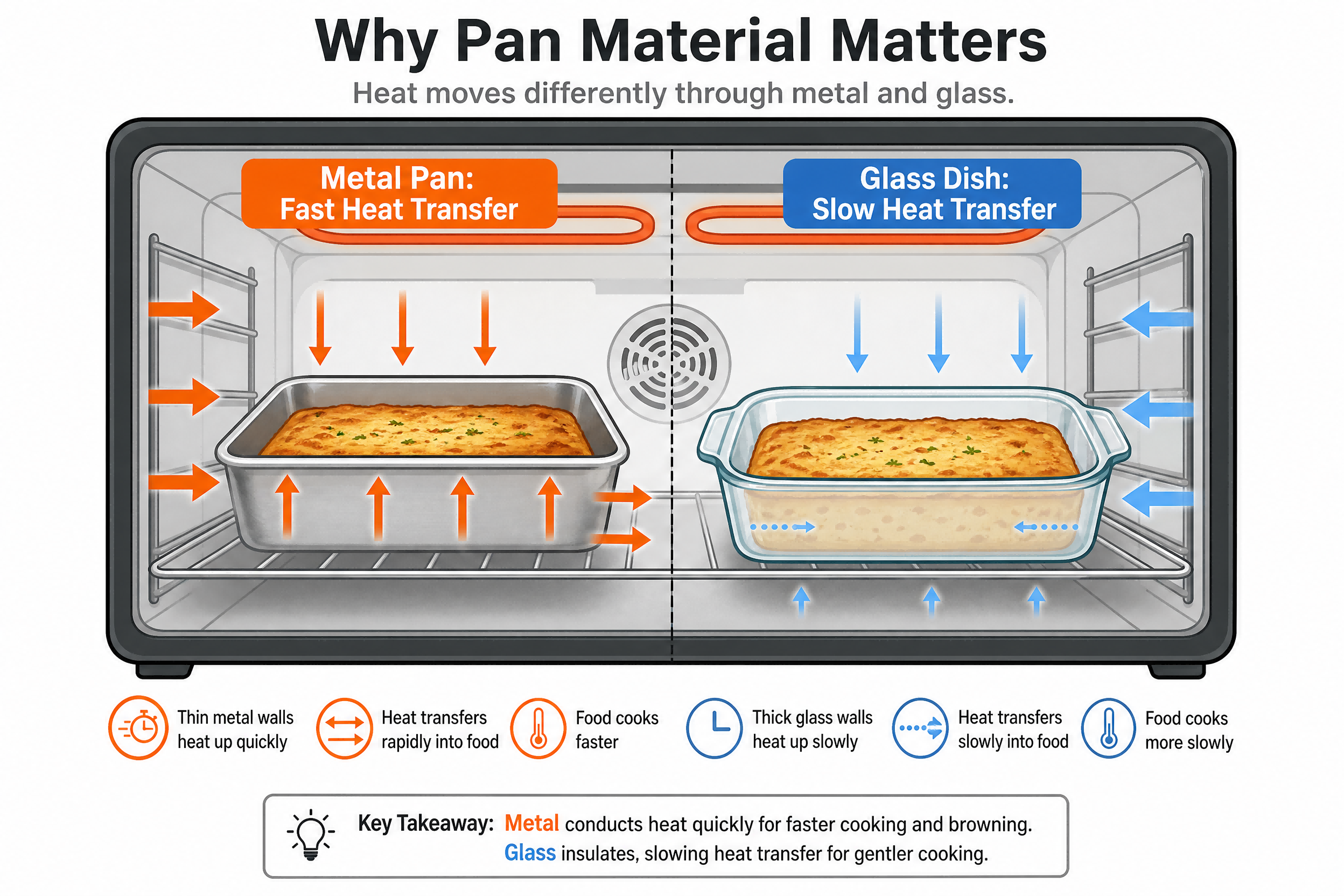
The most important thing to understand about these two vessels: they don’t just hold different amounts of food, they create different cooking environments.
Metal baking pans conduct heat aggressively. When you put a metal pan in a preheated oven, the pan heats up within minutes and transfers that heat directly to whatever is touching its surface. That direct contact is what creates browning — the Maillard reaction needs a hot, dry surface. A batch of brownies in a metal pan will set a crisp outer crust and firm edges. Roasted vegetables in a metal sheet pan will actually roast, not steam. The corners and bottom of a lasagna in a metal hotel pan will get those slightly caramelized edges that make people scrape the dish.
Glass and ceramic insulate rather than conduct. A cold glass dish put into a hot oven takes considerably longer to reach temperature than the oven air around it. America’s Test Kitchen has documented this repeatedly in their bakeware testing: glass-baked items take longer and produce less browning than the same recipe in metal. This isn’t a flaw — it’s the feature. That slow, gentle heat is exactly right for a chicken and rice casserole that needs to cook through without scorching, or a bread pudding that should set custard-soft rather than rubbery.
The heat retention difference matters after the oven too. Glass casserole dishes continue cooking food for another 10–15 minutes just from stored heat after leaving the oven. A metal pan stops cooking the moment it’s out of the oven (relatively speaking). For a custard-based dish or anything with eggs, this carry-over heat in glass can easily push you from set to overcooked if you pull it at the same visual cue you’d use for metal.
One important nuance on glass: borosilicate glass (the original Pyrex formula, and what laboratory glassware is made from) handles thermal shock significantly better than soda-lime glass (what most current consumer Pyrex in the US uses, post-2000 reformulation). If your glass bakeware is older or European, it may be more resistant to thermal shock. If it’s a recent US-market Pyrex, treat it more carefully — don’t go from freezer to hot oven, and don’t set it on a cold or wet surface straight from the oven.
The ceramic middle ground: Stoneware and ceramic dishes fall between glass and metal in heat retention. They brown slightly better than glass but still not as effectively as metal. Stoneware in particular holds heat very well once hot — a well-seasoned stoneware casserole dish is excellent for anything that benefits from steady, retained heat throughout the meal.
Can You Swap One for the Other?
Yes — with adjustments. Swapping is often fine, but pretending they’re identical will produce inconsistent results.
When you’re using glass or ceramic instead of a metal pan:
Lower the oven temperature by 25°F and expect the bake time to increase by roughly 10–15%. The glass or ceramic takes longer to transfer heat to the food, so at the same temperature, your baked goods will be underdone in the center. This is the single most important adjustment and the one most articles either omit or mention without providing specific numbers.
Also account for carry-over cooking. Pull glass and ceramic dishes slightly before they look done — they’ll continue to cook for several minutes after leaving the oven.
When you’re using a metal pan instead of a glass/ceramic casserole dish:
You’ll get faster cooking and more browning. For dishes that need moisture retention (slow braises, dense casseroles), add a foil cover for most of the cook time and remove it only at the end for a browned top. Without a lid, a metal pan will dry out the food much faster than a ceramic dish with a lid.
Note that metal pans generally can’t go from stovetop to oven to table the way a ceramic casserole dish can. And they have no lid, which matters for dishes where steam is part of the cooking method.
When the swap doesn’t work well:
- Soufflés and delicate custards: These need the gentle, even heat of glass or ceramic. Metal will cook the edges too fast.
- Anything with very acidic ingredients (tomatoes, citrus, vinegar) in an uncoated aluminum pan: Avoid. The acid reacts with bare aluminum, producing a metallic off-flavor and potentially discoloring the food. Anodized aluminum, stainless steel, glass, and ceramic are all fine with acids.
- Broiling: Never put glass or ceramic under a broiler. Metal only.
- Stovetop use: Glass and ceramic casserole dishes cannot go on a stovetop burner. Metal can (uncoated).
Quick substitution reference:
| Original vessel | Substituting with | Temperature | Time |
|---|---|---|---|
| Metal baking pan | Glass casserole dish | -25°F | +10–15% |
| Glass casserole dish | Metal baking pan | +25°F | -10% |
| Ceramic/stoneware | Metal baking pan | +25°F | -10% |
| Metal baking pan | Ceramic/stoneware | -25°F | +10–15% |
Which One to Use for Specific Dishes
| Dish | Best vessel | Why |
|---|---|---|
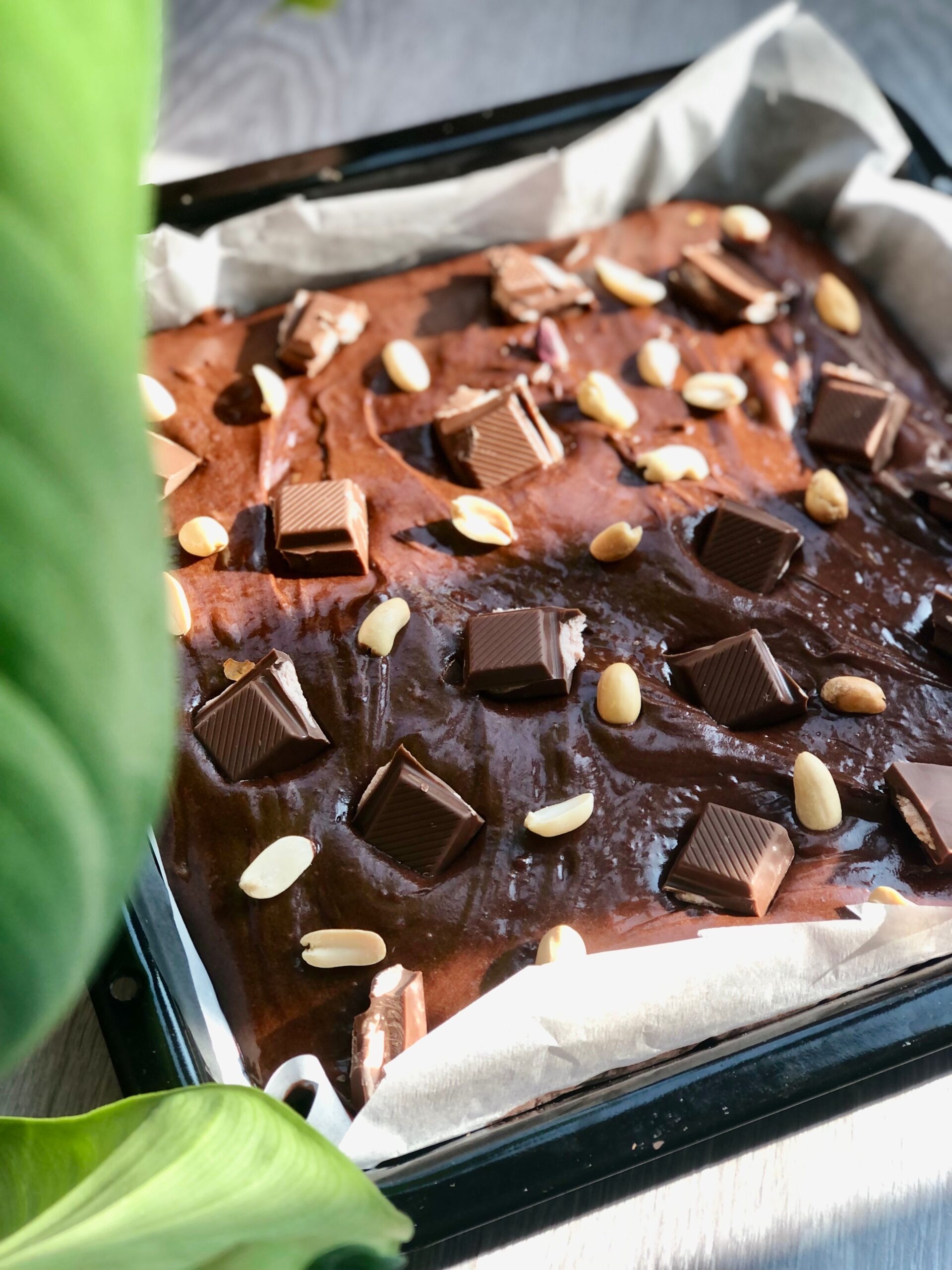
| Brownies | Metal pan | Crisp edges, set center; glass produces gummy edges |
| Lasagna | Either works | Metal browns the bottom; glass shows the layers and holds heat for serving |
| Mac and cheese | Ceramic/glass casserole | Gentle heat prevents sauce from breaking; glass for presentation |
| Roasted vegetables | Metal sheet pan | Direct heat contact = caramelization and browning. Glass steams them |
| Bread pudding / custard | Glass or ceramic | Needs gentle, even heat. Metal overcooks edges |
| Sheet cake | Metal pan | Fast, even heat; reliable rise |
| Chicken thighs (oven-baked) | Metal roasting pan | Skin gets crispy. Glass traps steam and softens skin |
| Chicken and rice casserole | Ceramic or glass with lid | Moisture retention; rice needs steam to cook through |
| Quiche | Metal pie/tart pan | Crisp pastry bottom. Glass bakes pastry unevenly |
| Baked fish | Either | Fish cooks quickly in both; glass is better for presentation |
| Enchiladas / baked pasta | Glass or ceramic | Sauce-heavy dishes do well in glass; finish under broil for top browning |
| Cinnamon rolls | Metal pan | Needs contact heat for bottom caramelization |
| Banana bread / quick bread | Metal loaf pan | More reliable rise, better crust |
The rule behind the rule: If browning, crisping, or a caramelized crust is part of the intended result — use metal. If gentle, moist cooking and heat retention matter more — use glass or ceramic.
Material Safety: What You Should Know
Aluminum and acidic foods
Bare, uncoated aluminum reacts with acidic ingredients — tomatoes, vinegar, citrus, wine. The reaction produces a small amount of aluminum transfer into the food, along with potential discoloration and a metallic taste. Health Canada and the FDA have both noted that aluminum cookware is safe for general use, and the amounts transferred are far below established safety thresholds. But for long-cooked, highly acidic dishes left sitting in the pan, it’s a reasonable precaution to use glass, ceramic, or anodized aluminum instead. Anodized aluminum has an oxidized surface layer that prevents the reaction entirely. Stainless steel is fully inert.
Nonstick coatings (PTFE/PFOA/PFAS)
Most nonstick baking pans are coated with PTFE (Teflon or similar). The historical concern centered on PFOA, a processing chemical used in older PTFE manufacturing. Since 2013, major manufacturers have phased out PFOA. Current nonstick coatings are considered safe at normal baking temperatures.
The real risk with nonstick coatings is overheating — PTFE starts to degrade above roughly 500°F (260°C) and can release fumes. A baking pan in a 375°F oven is nowhere near that threshold. What to avoid: a nonstick pan under the broiler or on a stovetop burner unattended at very high heat with nothing in it.
A scratched nonstick surface is a visual concern more than an immediate health hazard, but a heavily damaged coating will perform unevenly and is worth replacing.
Glass and thermal shock
The most practical safety concern with glass bakeware is thermal shock — rapid temperature change that can cause glass to shatter. The key rules:
- Don’t put a cold glass dish directly into a very hot oven
- Don’t set a hot glass dish on a cold surface, wet towel, or stone countertop
- Don’t pour cold liquid into a hot glass dish
- Don’t put glass under a broiler
Current US-market Pyrex is soda-lime glass — Corning gradually switched from the original borosilicate formula starting in the mid-20th century, and World Kitchen acquired the brand in 1998 with the soda-lime formulation already in place. This version is less thermal shock–resistant than original borosilicate. European Pyrex and borosilicate-labeled brands handle temperature swings better. If you’re buying new glass bakeware and thermal shock resilience matters, look for “borosilicate” on the label.
Durability and Long-Term Care
Understanding how each material fails helps you decide what’s worth the investment.
Metal baking pans are the most durable in terms of drop resistance. The main failure modes are warping (especially thin pans at high heat), rusting (if not dried properly), and coating degradation on nonstick pans. A quality aluminum pan from a brand like Nordic Ware or USA Pan, uncoated or with a quality aluminized steel construction, can last decades with basic care. Avoid metal pans in the dishwasher — the aggressive detergent strips seasoning, degrades coatings, and can discolor aluminum.
Glass casserole dishes can chip on the rim (usually from impact, not heat) and will shatter under thermal shock. Otherwise, glass is extremely durable chemically — nothing reacts with it, and it doesn’t absorb flavors or odors. Dishwasher safe. A Pyrex or OXO glass dish that’s handled carefully will last indefinitely.
Stoneware and ceramic dishes are the most fragile of the three against impact — drop one on tile and it’s usually gone. Ceramic glazes can craze (develop a network of fine cracks) over time, which can harbor bacteria if the underlying clay is porous. Quality stoneware brands (Le Creuset, Staub, Emile Henry) use glazes that resist crazing. Avoid drastic temperature changes. Most are dishwasher safe, but hand washing extends the life of the glaze.
Cleaning baked-on food:
- Metal: soak in hot soapy water, then use a chain mail scrubber or Bar Keepers Friend for stubborn spots
- Glass: soak in warm water with baking soda; a paste of baking soda and dish soap removes most baked-on residue
- Stoneware: soak and use a stiff brush; avoid soap on unglazed stoneware (it absorbs the soap)
Frequently Asked Questions
What is the difference between a baking pan and a casserole dish?
A baking pan is metal — typically aluminum or carbon steel — with shallow sides designed for fast, high-heat cooking that produces browning. A casserole dish is glass, ceramic, or stoneware, deeper and often lidded, designed for slow cooking that retains moisture.
Can I use a baking pan instead of a casserole dish?
Yes, with adjustments. Increase the oven temperature by 25°F and reduce bake time by about 10%. Add a foil cover to retain moisture if the recipe needs it. Don’t use an uncoated aluminum pan with highly acidic ingredients.
Is a 9×13 pan the same as a casserole dish?
A 9×13 glass dish (like a standard Pyrex) functions as a casserole dish. A 9×13 metal baking pan is typically shallower and behaves differently in the oven — faster heat, more browning. They share the same footprint but aren’t the same in use.
Does it matter if I use glass or metal for baking?
Yes. Metal heats faster, produces better browning, and is better for baked goods, crisped vegetables, and anything where crust matters. Glass heats slower, retains heat longer, and is better for custards, dense casseroles, and dishes that need gentle, even cooking.
Why do some recipes specify glass or metal?
Because the choice affects the cooking result. Glass bakes slower and holds heat longer — for a soufflé or custard, that matters enormously. Metal browns the bottom — for cinnamon rolls, that’s the goal. Recipe authors who specify the vessel have usually tested both and found a meaningful difference.
Can you bake brownies in a casserole dish?
You can, but expect different results: a softer, chewier texture throughout, less of a crust, and potentially underbaked edges-to-center variance. Reduce oven temp by 25°F and check for doneness earlier. If you want fudgy brownies, glass isn’t actually wrong — it just requires adjustment.
Can casserole dishes go on the stovetop?
Glass and ceramic casserole dishes cannot go on a stovetop burner — neither is designed for direct flame or electric element contact. Some enameled cast-iron casserole dishes (like a Le Creuset braiser) are stovetop-safe, but those are a distinct category from glass/ceramic casserole dishes.
What temperature can a glass casserole dish handle?
Standard Pyrex (soda-lime glass) is rated to 425°F–450°F. Borosilicate glass bakeware typically handles up to 450°F–500°F. The bigger risk isn’t maximum temperature but rapid temperature change — thermal shock is what breaks glass dishes, not slowly reaching a high temperature.
The Bottom Line
The core question — baking pan or casserole dish — comes down to what you’re trying to achieve in the oven.
Reach for the metal baking pan when you want browning, crisping, or a caramelized crust. Brownies, roasted vegetables, sheet cakes, cinnamon rolls, chicken with crispy skin — all metal.
Reach for the glass or ceramic casserole dish when you want gentle, even heat and moisture retention. Lasagna, mac and cheese, bread pudding, chicken and rice — all glass or ceramic.
The substitution rules are simple enough to memorize: glass/ceramic means lower temp by 25°F and add time; metal means raise temp and watch for faster cooking. Once those two adjustments become automatic, you can work with whatever vessel you have on hand.
If you’re buying, start with a good aluminum half-sheet pan (Nordic Ware’s natural aluminum is the standard recommendation) and a 9×13 glass baking dish. Those two cover 80% of home cooking needs. Everything else — stoneware, deeper ceramic casseroles, multiple sizes — is an expansion from there.