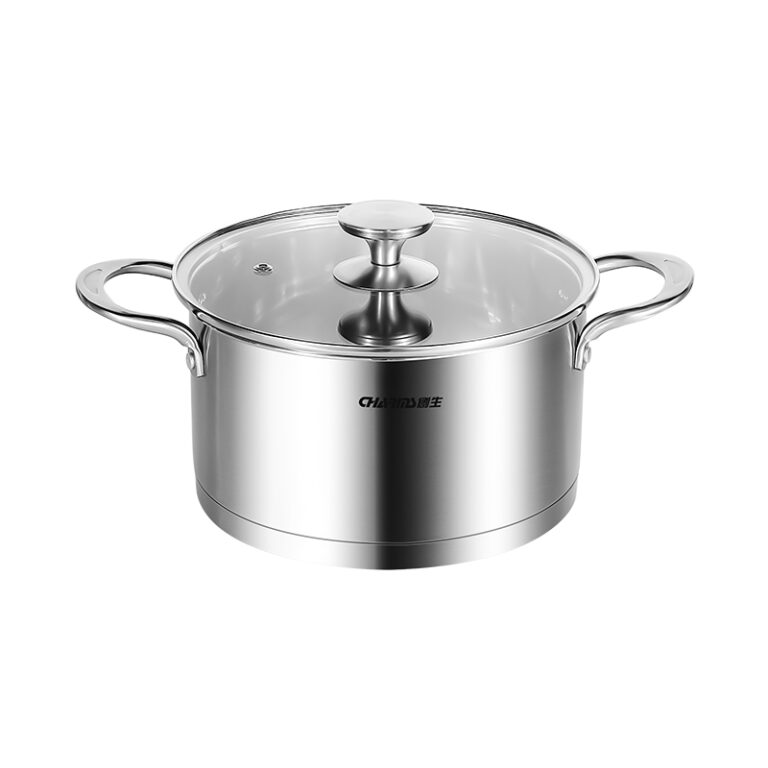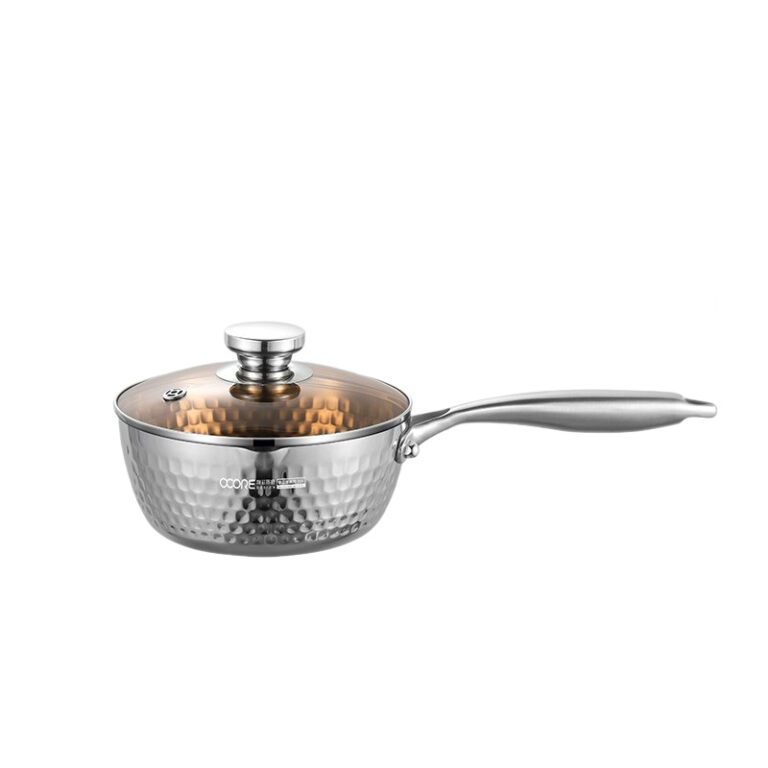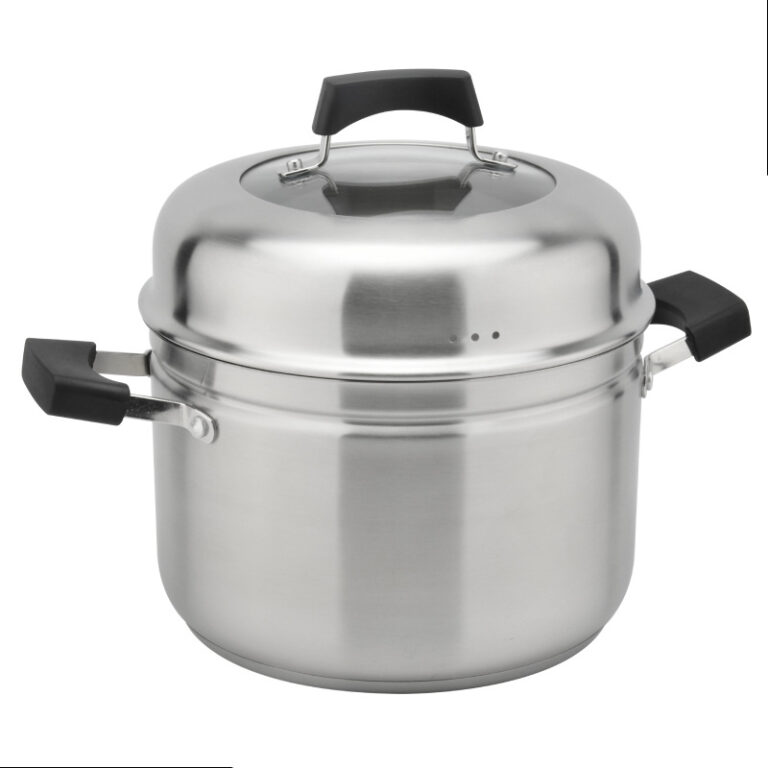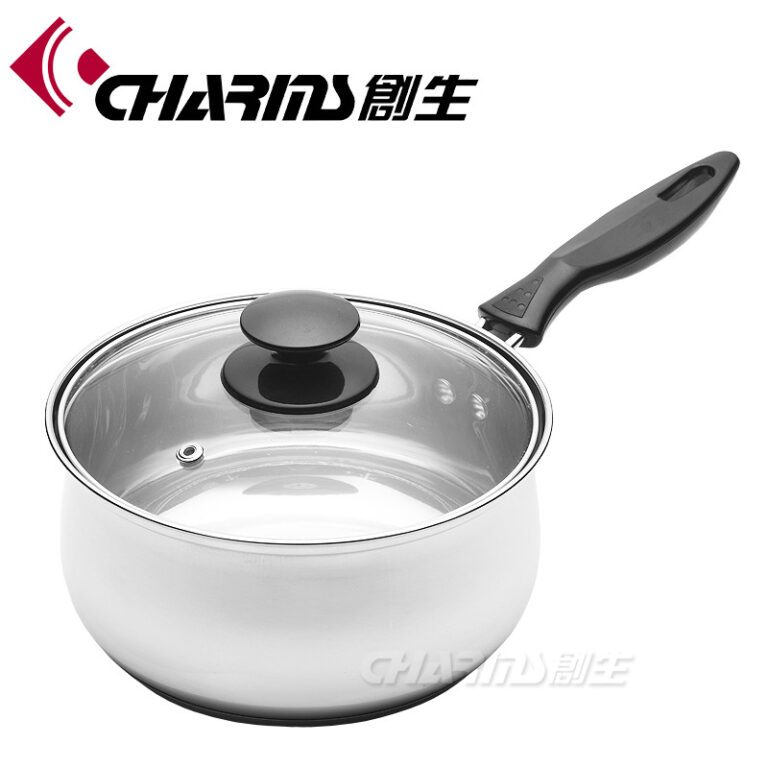

Proper cleaning of stainless steel cookware is not merely about appearance; it is a functional task that directly affects the product’s lifespan, cooking performance, and long-term value. Whether your cookware is for daily use or is being evaluated for purchase and resale in bulk, the cleaning method plays a decisive role in the long-term performance of the stainless steel.
In this article, I will guide you on how to clean stainless steel cookware. Our aim is not to offer a quick and effective solution, but to provide sustainable maintenance methods to protect the stainless steel cookware from damage throughout its entire lifespan.
Why Is Cleaning Stainless Steel Cookware So Important?
Stainless steel is renowned for its durability, resistance to corrosion, and sleek appearance. However, even the highest-quality stainless steel cookware can degrade if not cleaned properly. Over time, residual oils, mineral deposits, and burnt food particles can accumulate on the surface. If ignored, these residues can:
- Impact cooking performance: Uneven surfaces or sticky residues can cause hot spots and inconsistent cooking.
- Cause discoloration: Heat, minerals, and acidic ingredients can create unsightly stains that affect your cookware’s aesthetic appeal.
- Promote corrosion: While stainless steel resists rust, improper cleaning or prolonged exposure to harsh chemicals may eventually weaken its protective layer.
- Shorten lifespan: Repeated neglect can slowly degrade both the surface and core of your cookware, forcing earlier replacement.
By maintaining a regular cleaning routine, you not only preserve the look of your cookware but also protect your investment. Unlike non-stick surfaces that may degrade quickly, stainless steel can last decades if treated properly.
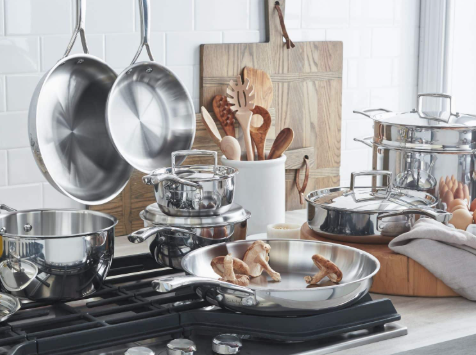
How to Remove Grease and Fingerprints from Stainless Steel Surfaces
Oil smudges, fingerprints, and light food residue are the most common types of daily buildup. The good news is that these are also the easiest to clean—if approached correctly.
Step-by-step approach:
- Cool the cookware: Never attempt to clean a hot pan with cold water. Sudden temperature changes can warp the metal.
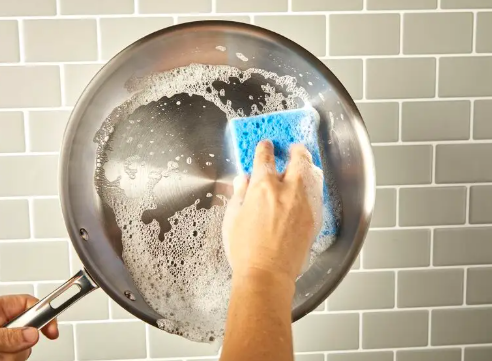
- Use warm, soapy water: Mild dish soap in warm water is sufficient for daily cleaning. Avoid abrasive cleaners for routine maintenance.
- Soft cloth or sponge: Microfiber cloths or soft sponges are ideal. They remove fingerprints without scratching the surface.
- Dry immediately: After rinsing, dry the cookware thoroughly with a clean towel. Water spots are common on stainless steel and can be minimized by drying promptly.
- Optional polishing: For extra shine, a small amount of olive oil or specialized stainless steel cleaner can be applied with a microfiber cloth, rubbing in the direction of the metal grain.
Tips to keep in mind: Avoid steel wool or harsh scrubbing pads for everyday cleaning—they may leave micro-scratches that attract dirt and dull the finish.
Can Burnt Food and Stubborn Stains Be Removed Easily?
The real challenge comes with baked-on food, discoloration, or stubborn stains. These often form when high heat, sugar, or acidic foods are involved.
Effective cleaning strategies include:
- Soaking method: Fill the cookware with warm water and a few drops of dish soap. Let it soak for 30–60 minutes. This loosens stuck-on food and prevents aggressive scrubbing.
- Baking soda paste: Mix baking soda with a little water to form a paste. Apply to the stained area, let it sit for 15–20 minutes, then gently scrub with a soft sponge. Baking soda is mildly abrasive but safe for stainless steel.
- Vinegar for discoloration: White vinegar can remove heat stains and mineral deposits. Pour enough vinegar to cover the affected area, simmer briefly if possible, then rinse and dry.
- Boiling water trick: For extremely stubborn burnt-on food, fill the pan with water, add a tablespoon of baking soda, bring to a gentle boil for a few minutes, and then scrape gently with a silicone spatula.
Avoid: Chlorine bleach, oven cleaners, or steel wool for burnt stains. These can irreversibly damage the finish and cause corrosion over time.
What’s the Best Way to Prevent Scratches and Corrosion?
Even the most careful cleaning routine can accidentally scratch or corrode your cookware if precautions are not taken.
Key guidelines:
- Always follow the grain: Stainless steel has a distinct brushed or polished grain. Clean in the direction of the grain to minimize micro-scratches.
- Use soft tools: Sponges, microfiber cloths, silicone spatulas, or nylon brushes are ideal.
- Avoid harsh chemicals: Acidic or highly alkaline cleaners can damage the protective chromium layer over time. Stick to mild detergents, vinegar, or specialized stainless steel products.
- Temperature care: Sudden temperature changes can warp the metal and create stress points, making it more prone to scratching or cracking. Always clean after the cookware has cooled slightly.
- Drying is critical: Leaving cookware wet allows minerals in the water to deposit and create corrosion spots. Always dry immediately after cleaning.
How Proper Cleaning Extends the Lifespan of Stainless Steel Cookware
Stainless steel cookware is an investment. Unlike other materials that may need replacing every few years, properly maintained stainless steel can last decades. Proper cleaning extends its life in several ways:
- Maintains heat efficiency: Residue-free surfaces allow even heat transfer, which prevents hot spots and uneven cooking.
- Prevents corrosion: By removing acidic residues and drying cookware promptly, the protective chromium oxide layer stays intact.
- Retains aesthetic appeal: Regular cleaning prevents discoloration, streaks, and tarnishing, keeping the cookware looking professional.
- Reduces replacement costs: Long-lasting cookware means fewer replacements, lower operational costs for bulk purchasers, and a consistent cooking experience for professional kitchens.
In practice, even a few minutes of daily cleaning can add years of life to your pots and pans. Think of it as preventive maintenance—a small effort for long-term performance.
Conclusion
Proper cleaning of stainless steel cookware is not just a daily chore; it is a crucial step in maintaining its quality, performance, and lifespan. By using the right methods to remove grease, fingerprints, burnt food residues, and stubborn stains, you can ensure that your cookware retains excellent heat conductivity, corrosion resistance, and a shiny, new appearance for a long time.
If you use the right tools for gentle cleaning and pay attention to details, you can significantly extend the lifespan of your cooking utensils. Even a few minutes of regular maintenance each day can prevent long-term damage, reduce replacement costs, and ensure consistent cooking results.
If you have any questions regarding the cleaning and maintenance of stainless steel cookware or need more guidance, please feel free to contact our team at any time. We will be more than happy to provide you with professional advice to ensure that your cookware remains in top condition for the next few years.