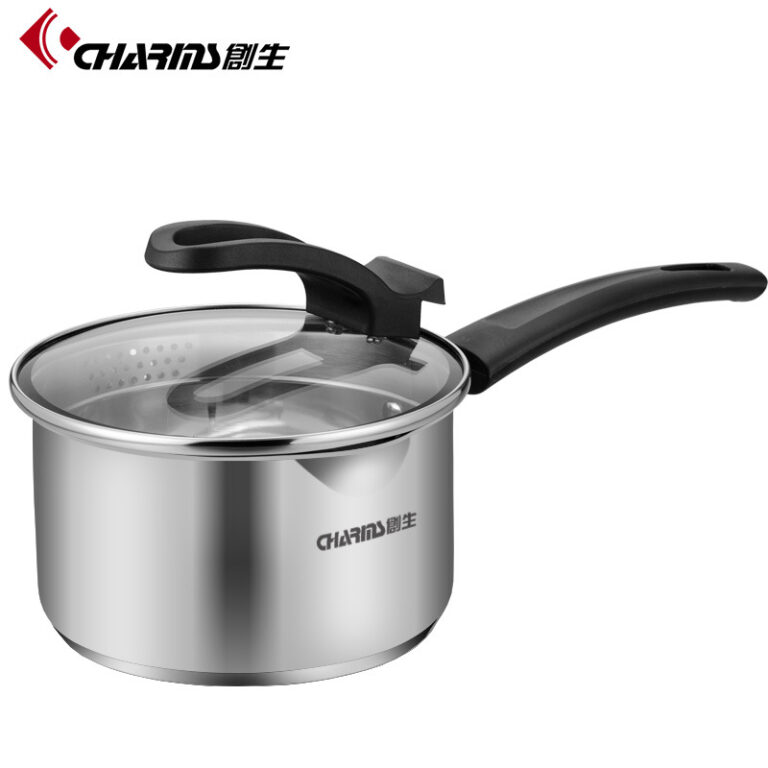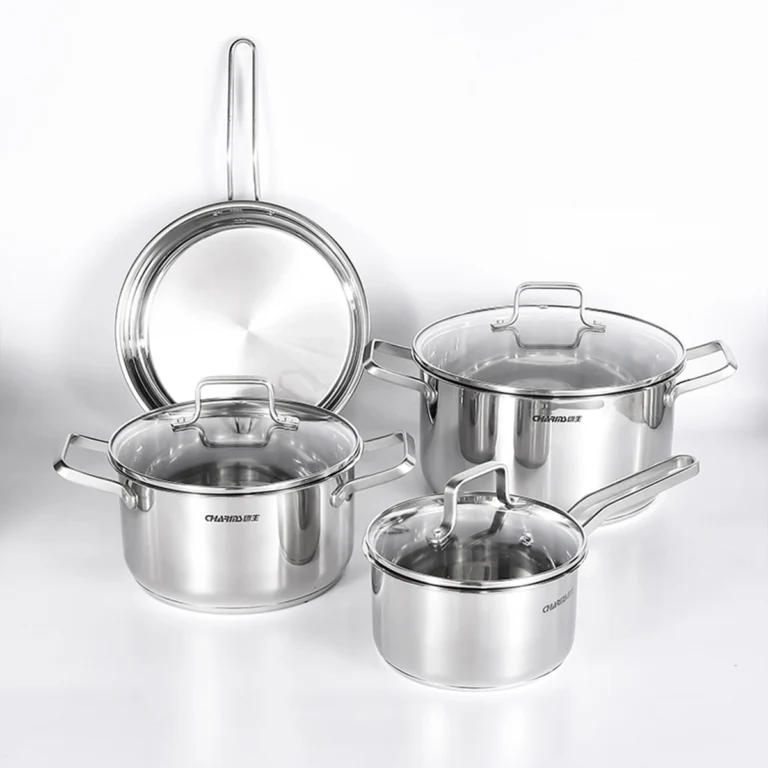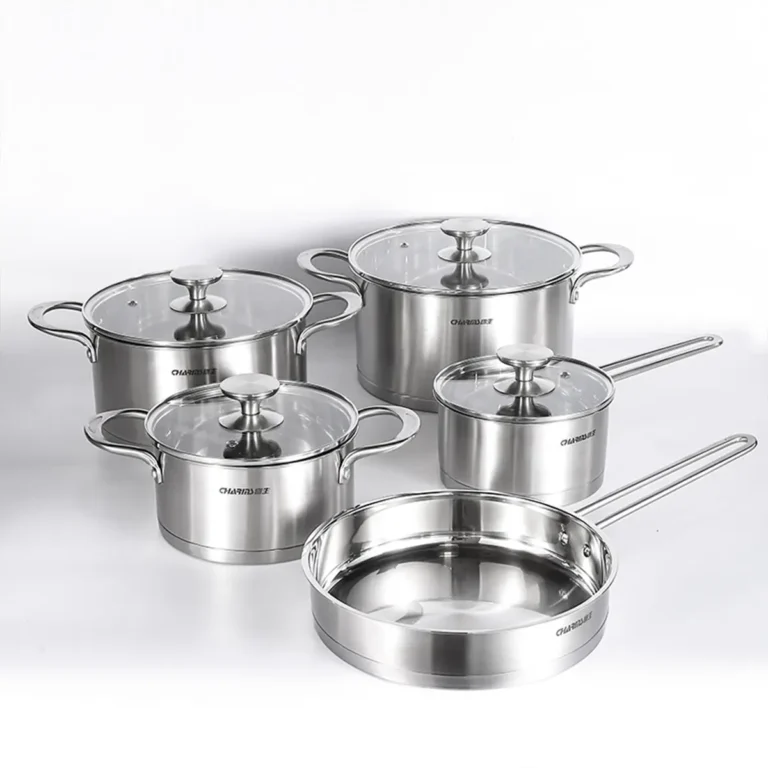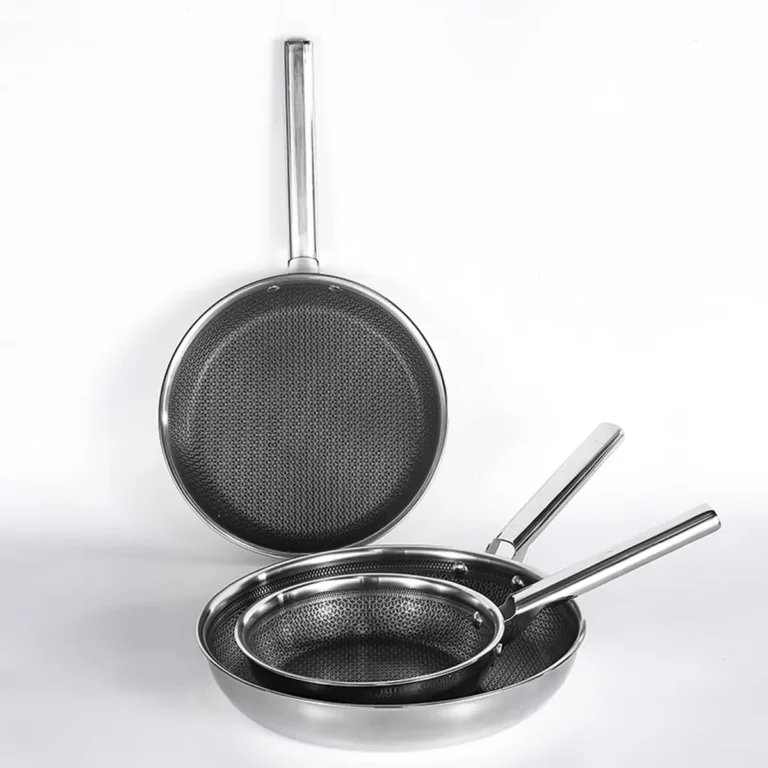

When you step into any professional kitchen – whether it’s a small tavern or a Michelin-starred restaurant in New York – you will notice one common feature: the gleaming surface of the stainless steel cookware dominates the entire stove. This is a very common occurrence, and it’s not because it’s attractive or uniform. As professional chefs, they have used various cooking tools in the culinary industry for ten years. Their absolute preference for stainless steel is not only due to its aesthetic appeal and durability, but more importantly, because the food cooked with it is much more delicious.
The real issue is not whether professional chefs use stainless steel cookware. They do use it extensively. The more interesting question is why they made this choice. This is sufficient evidence to prove that stainless steel has many excellent characteristics.
Why Do Professional Chefs Prefer Stainless Steel Cookware?
A professional kitchen is completely different from a home kitchen. Just imagine: a single frying pan might need to fry forty pieces of duck breast in one dinner. The intense heat exposure, cooling down, and subsequent scrubbing with a scouring pad in a professional kitchen far exceeds that of a home kitchen. If it were made of other materials, it might be ruined within a few weeks. Chefs choose stainless steel not because of “tradition,” but because it is truly durable.
Durability is not just about convenience — it’s also the key to saving money. Restaurant profits are already thin, and if you have to replace pots every few months, costs will quickly rise. Well-maintained stainless steel cookware can last for several years, even with intensive daily use. A one-time investment with long-term return makes budgeting and inventory management much easier.
Temperature control is another big advantage. Stainless steel heats up quickly and cools down quickly, making precise temperature control much easier. Whether it’s lowering the heat immediately after cooking a steak or adjusting a sauce to control the temperature, it can all be done with ease. In a kitchen where hundreds of dishes are being prepared in one night, this “rapid response” is extremely crucial.
Chemical stability is also important. Acidic ingredients — such as tomatoes, wine, citrus fruits, or vinegar — are commonly used in professional cooking. Other materials can react with acids, absorbing flavors or even corroding. Stainless steel, however, remains inert, preserving the original flavor of the food and preventing unwanted metallic tastes.
Visual feedback is another advantage. The light-colored bottom of stainless steel pans allows chefs to clearly see the browning of ingredients — those charred fragments are the essence of the sauce. A dark bottom makes it harder to see clearly, making it difficult to judge whether the food is properly cooked. Professional chefs rely on their eyes to “read the pan,” and stainless steel provides the most intuitive cues.
High-temperature cooking is no problem either. In professional kitchens, pots are often placed in conditions that would warp or damage other materials. Stainless steel does not deform, does not release harmful substances, and does not affect cooking results. You can safely move a pan from the stove directly into the oven or onto a griddle. This versatility makes kitchen operations smoother and more efficient.
Finally, cleaning and maintenance are key considerations. In a fast-paced kitchen, cookware must withstand repeated scrubbing, metal utensils, and commercial dishwashers. Stainless steel doesn’t require special care or careful storage. With quick turnover and back-to-back services, this practicality and durability save chefs a lot of effort.
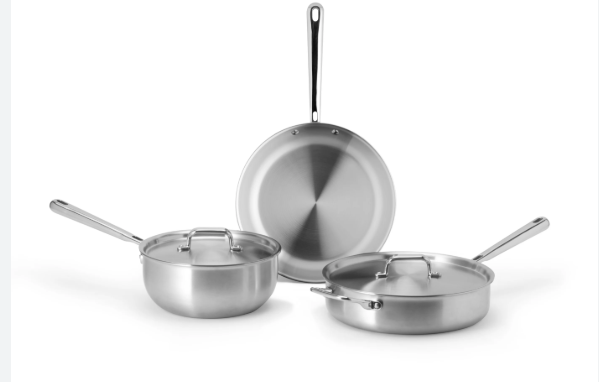
What Types of Stainless Steel Cookware Are Used in Professional Kitchens?
Do you know? In professional kitchens, they don’t just use single pieces of equipment – they have specially designed utensils that are meticulously planned. Each piece of furniture is carefully selected for a specific purpose. Here, I have listed some common kitchen tools:
| 10-14 inches in diameter | Size Range | Key Design Features | Primary Applications | Why Professionals Choose It |
|---|---|---|---|---|
| Sauté Pan | 10-14 inches diameter | Straight or slightly sloped sides, wide cooking surface, long handle | Sautéing vegetables, searing proteins, finishing pasta, building pan sauces | Versatile workhorse; straight sides contain liquids while allowing proper evaporation; enables multiple cooking techniques in one pan |
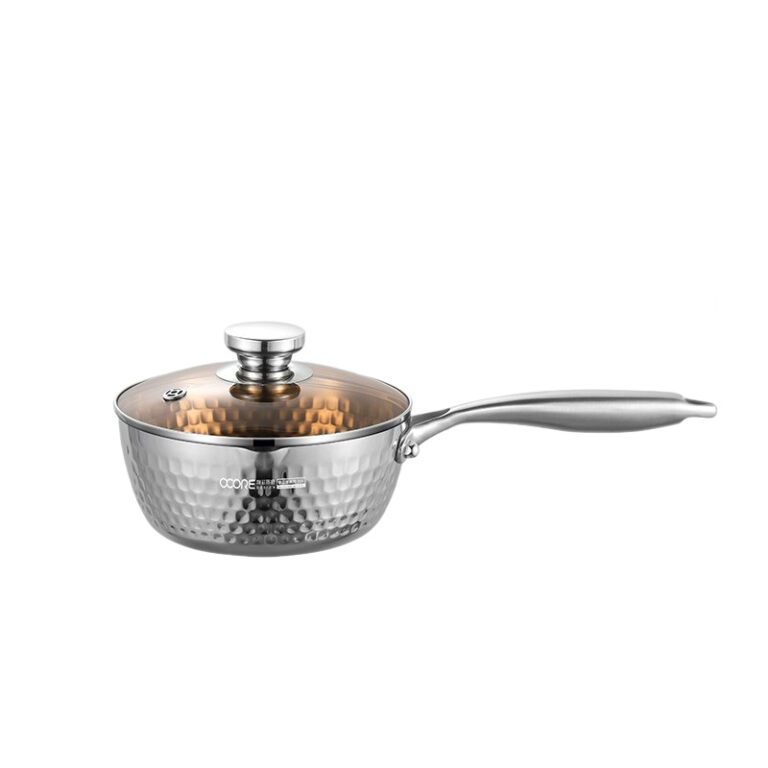
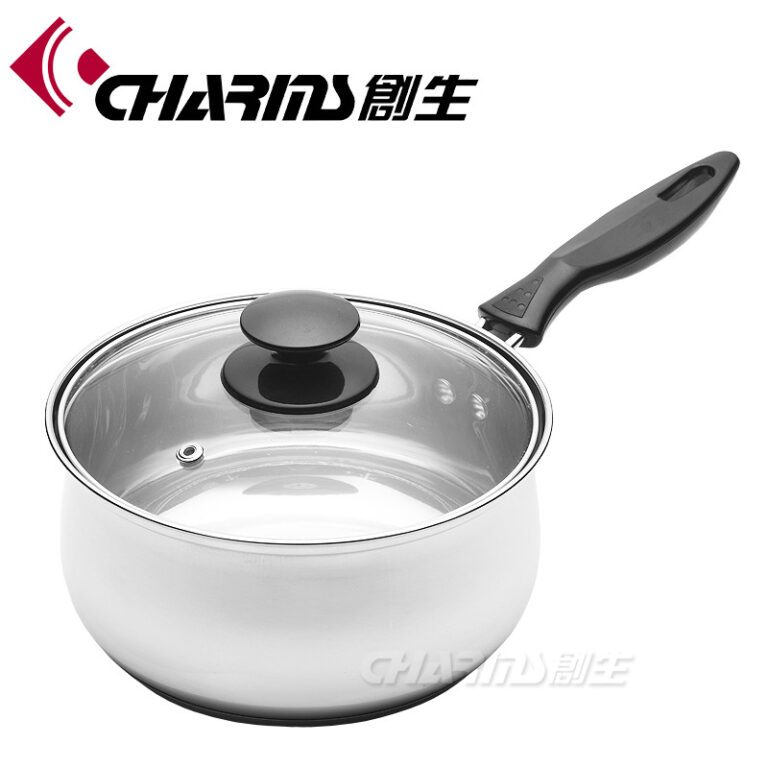
| Saucepan | 1-4 quarts | Tall straight sides, heavy bottom, often with measuring marks inside | Reducing stocks and sauces, cooking grains, preparing small portions | Even heat distribution prevents scorching during extended cooking; tall sides minimize evaporation; precise measurements facilitate recipe execution |
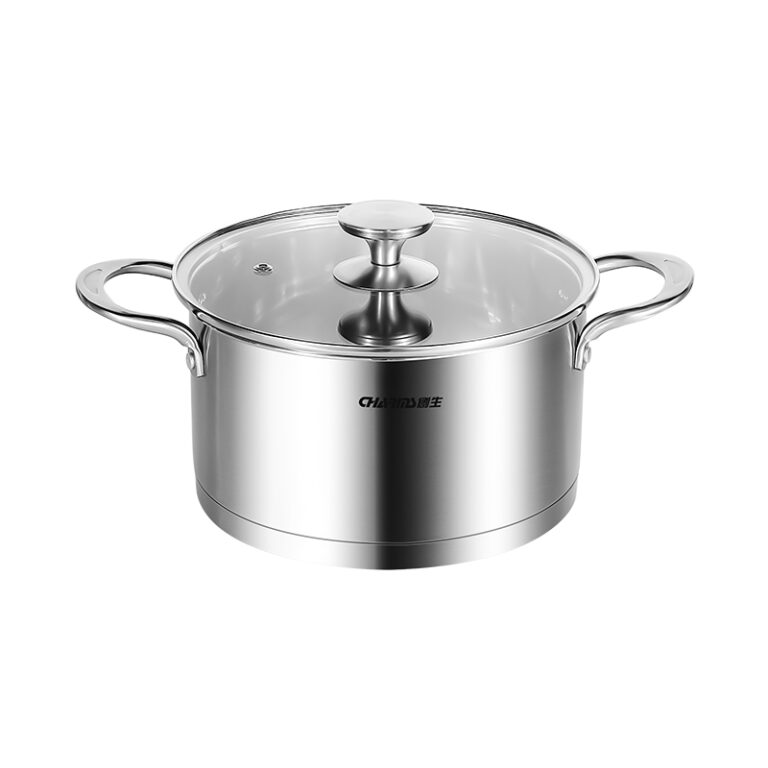
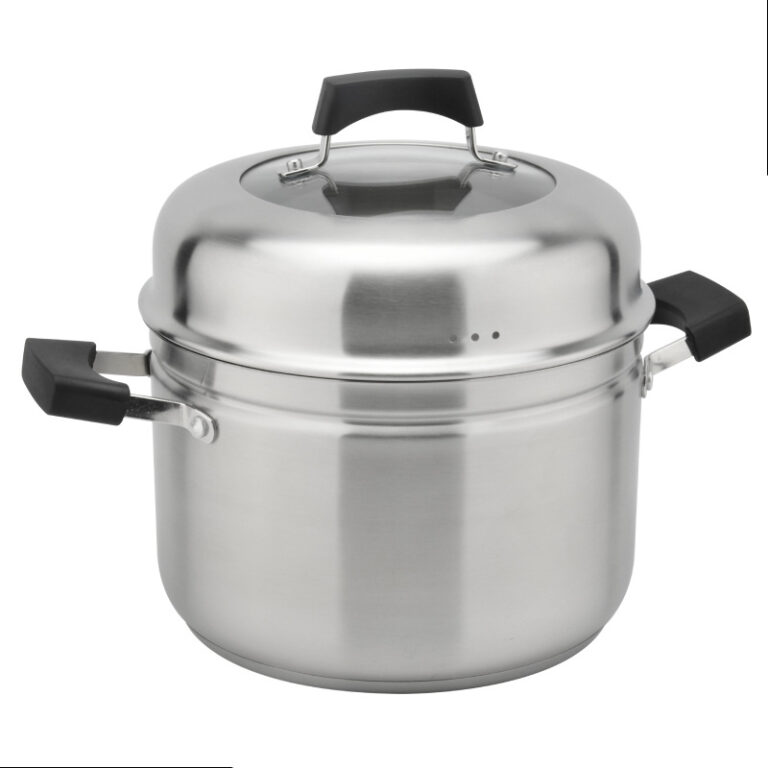
| Stockpot | 12-20+ quarts | Massive capacity, thick multi-ply bottom extending up sides, two handles | Preparing large-batch stocks, cooking pasta for volume service, blanching vegetables | Maintains consistent temperature across large liquid volumes; prevents hot spots; handles high-volume production needs |
| Rondeau | 8-16 quarts | Wide shallow design, low sides, two loop handles, oven-safe | Braising meats, searing multiple portions, stovetop-to-oven dishes | Wide bottom provides ample searing surface; low sides allow controlled evaporation; seamless stovetop-to-oven transition |
| Saucier | 2-4 quarts | Rounded bottom (no corners), flared sides, single long handle | Preparing sauces, reductions, emulsifications, cooking custards, making caramel | Rounded design prevents ingredients from burning in corners; shape facilitates constant whisking; ideal for delicate temperature-sensitive preparations |
| Skillet/Fry Pan | 8-12 inches | Sloped sides, flat bottom, long handle | Quick sautéing, pan-frying, creating crispy textures | Sloped sides enable easy tossing and flipping; promotes moisture evaporation for browning; quick heat response for fast cooking |
| Brazier | 6-10 quarts | Extra-wide, shallow depth, tight-fitting lid, heavy construction | Large-format braising, shallow poaching, reducing large volumes | Rounded design prevents ingredients from burning in corners; shape facilitates constant whisking; ideal for careful temperature-sensitive preparations |
Is Stainless Steel Better Than Nonstick or Cast Iron for Chefs?
Professional chefs will use a variety of cooking utensils in combination. They not only understand the advantages of each material, but also make choices based on the food for the day. However, in most professional kitchens, stainless steel is indeed the main material.
The reason why non-stick pans are popular among home cooks is their convenience. Food doesn’t stick to the pan easily, making it easy to clean. Cooking with less oil also makes it healthier. Professional chefs also recognize these advantages, but they are also aware of the limitations of non-stick pans. In commercial kitchens, high temperatures accelerate the aging of the coating, and metal utensils can scratch the surface. Most importantly, non-stick pans are not conducive to creating the crispy aroma at the bottom of the pan — and this crispy aroma is the basis for many sauces and seasoning techniques.
In the restaurant, it is not cost-effective to replace the non-stick pans every few months. Although they are cheaper when purchased, the replacement cost quickly offsets this advantage. Stainless steel cookware is durable and will work fine for many years, making it more cost-effective in the long run, even though the initial investment is slightly higher.
There are also differences in performance. Non-stick pans are suitable for frying eggs or cooking delicate fish, but they cannot withstand high-temperature frying and roasting. In professional kitchens, extremely high temperatures are often required to make perfectly crispy and delicious steaks or complex sauce bases. At such times, non-stick pans are not sufficient.
Cast iron pans have their own advantages. They have good heat retention properties and, with proper maintenance, can develop a natural non-stick effect. Many chefs use cast-iron pans to prepare specific dishes, such as frying corn bread, roasting vegetables, or some traditional recipes. However, the problem is that cast-iron pans are very heavy, and repeatedly lifting them during busy periods can be very tiring. They heat up slowly, which can also make chefs who need to control the temperature quickly frustrated. Additionally, cast-iron pans are prone to reacting with acidic ingredients, and using them to make tomato sauce or red wine sauce can affect the taste.
In terms of maintenance, stainless steel is also much more convenient. Cast iron pots require careful cleaning, regular maintenance, and protection from moisture, which is not practical in a fast-paced professional kitchen. However, stainless steel can withstand intense cleaning, rapid temperature changes, and various cooking tasks, and does not require special care.
In fact, professional chefs usually have a variety of cooking utensils in different materials, and they choose the appropriate tools according to different tasks. But if they can only choose one — due to budget or space constraints — stainless steel is undoubtedly the most versatile and reliable option. It is multi-functional, durable, and has excellent performance, and is the first choice when no specific advantages of other materials are needed.
It’s not that other materials are inferior for kitchenware; rather, among professional chefs, stainless steel cookware is preferred.
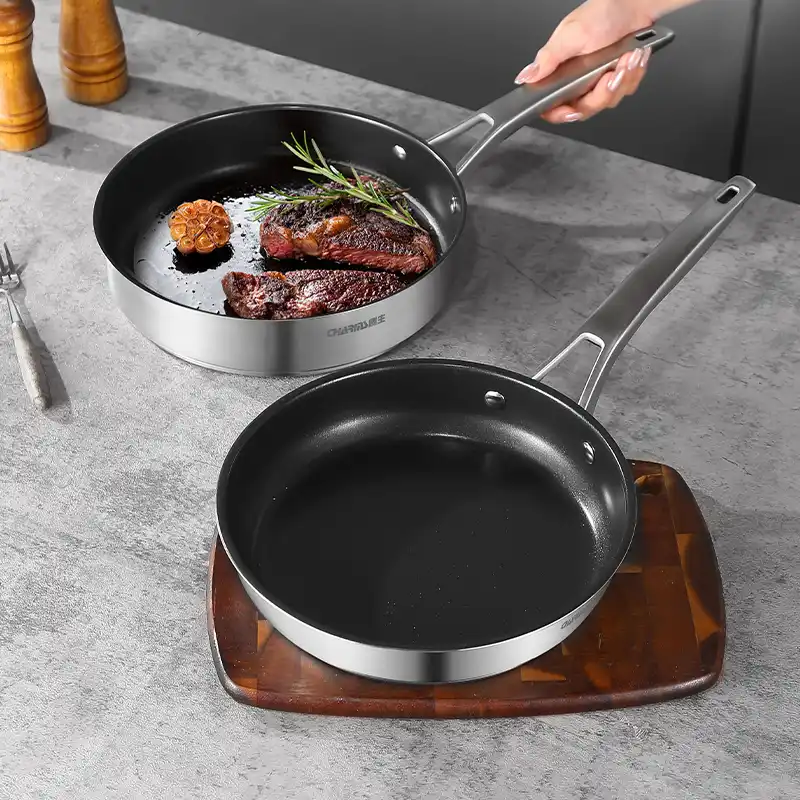
How Does Stainless Steel Perform Under High-Heat Cooking?
High-temperature cooking distinguishes ordinary pots from good ones. If you know professional chefs, they often place the pots in temperatures that even other people’s household pots cannot withstand. However, stainless steel can handle such high temperatures with ease, which is why it is so popular in professional kitchens.
Stainless steel is very stable at high temperatures. Non-stick pans start to deteriorate once the temperature exceeds 400°F (about 200°C), and at even higher temperatures, harmful substances may be produced. However, stainless steel can maintain its chemical inertness even when heated to above 500°F (about 260°C). When frying meat at high temperatures or roasting dishes on a grill, there is no need to worry about the pan breaking.
The even distribution of heat in the pot is also very important. Inferior pots tend to have “hot spots”, where one side of the food gets burnt while the other side is still uncooked. High-quality stainless steel pots, especially multi-layer composite pots, have very uniform heat conduction. Aluminum or copper cores can conduct heat quickly, while the stainless steel outer layer ensures durability and the quality of the cooking surface.
Uniform heat enables the chef’s skills to be fully utilized. For example, when frying scallops, the temperature of the pan surface should be consistent; otherwise, some will be fully cooked while others remain raw. Stainless steel pans can cook multiple items simultaneously, and the results are consistent, which is extremely important for fast-paced restaurants.
Stainless steel also reacts quickly to temperature changes. When cooking ingredients to reduce their heat or adjusting the sauce requires precise temperature control, it can respond promptly. This makes cooking not just about heating, but more like mastering a craft.
Its anti-deformation ability is also very strong. Poor-quality pots are prone to deformation when heated quickly or cooled down. Once deformed, the heating will be uneven and the cooking effect will be compromised. However, stainless steel pots can maintain their shape and performance even after undergoing multiple high-temperature cycles.
Stainless steel can also be easily switched between different heat sources. Chefs often first fry the meat on the stove and then put it in the oven for cooking. The stainless steel pan can be directly moved from the stove to a 450°F (about 230°C) oven without affecting its performance. This is the basic technique of “pan-roasting”.
Preheating is also crucial. Once the pan is preheated to the appropriate temperature, water droplets on the surface will start to roll, indicating that the pan is ready. Many people think that stainless steel pans are “sticky”, but this actually happens when the pan hasn’t been preheated properly. Professional chefs will first heat it on medium-high heat for a few minutes, use a droplet of water to measure the temperature, and then add oil for cooking. This way, when the protein is cooked, it can be easily removed.
High-temperature cooking can also create a crispy bottom on the pan, and these crispy parts are the essence of the sauce. Light-colored stainless steel pans allow you to clearly see the formation of caramel, preventing burning while retaining the flavor. When deglazing with wine or stock, these flavors will dissolve into the liquid, creating a complex sauce that non-stick pans cannot achieve.
Another important factor is the temperature recovery ability. When cold ingredients are placed in the pot, the temperature of the pot will drop. The speed at which the pot re-attains its temperature will affect the cooking result. Stainless steel has a moderate heat capacity and good heat conductivity, allowing for a quick temperature recovery. It neither slows down the cooking process too much nor becomes too fast to be controlled. This balance enables chefs to maintain control of the heat in a fast-paced kitchen.
What Should You Consider When Selecting Stainless Steel Cookware?
Picking the right stainless steel cookware isn’t just about grabbing the shinest or heaviest pot you can find. There are a few things you’ll want to keep in mind to make sure your pans actually work well and last a long time.
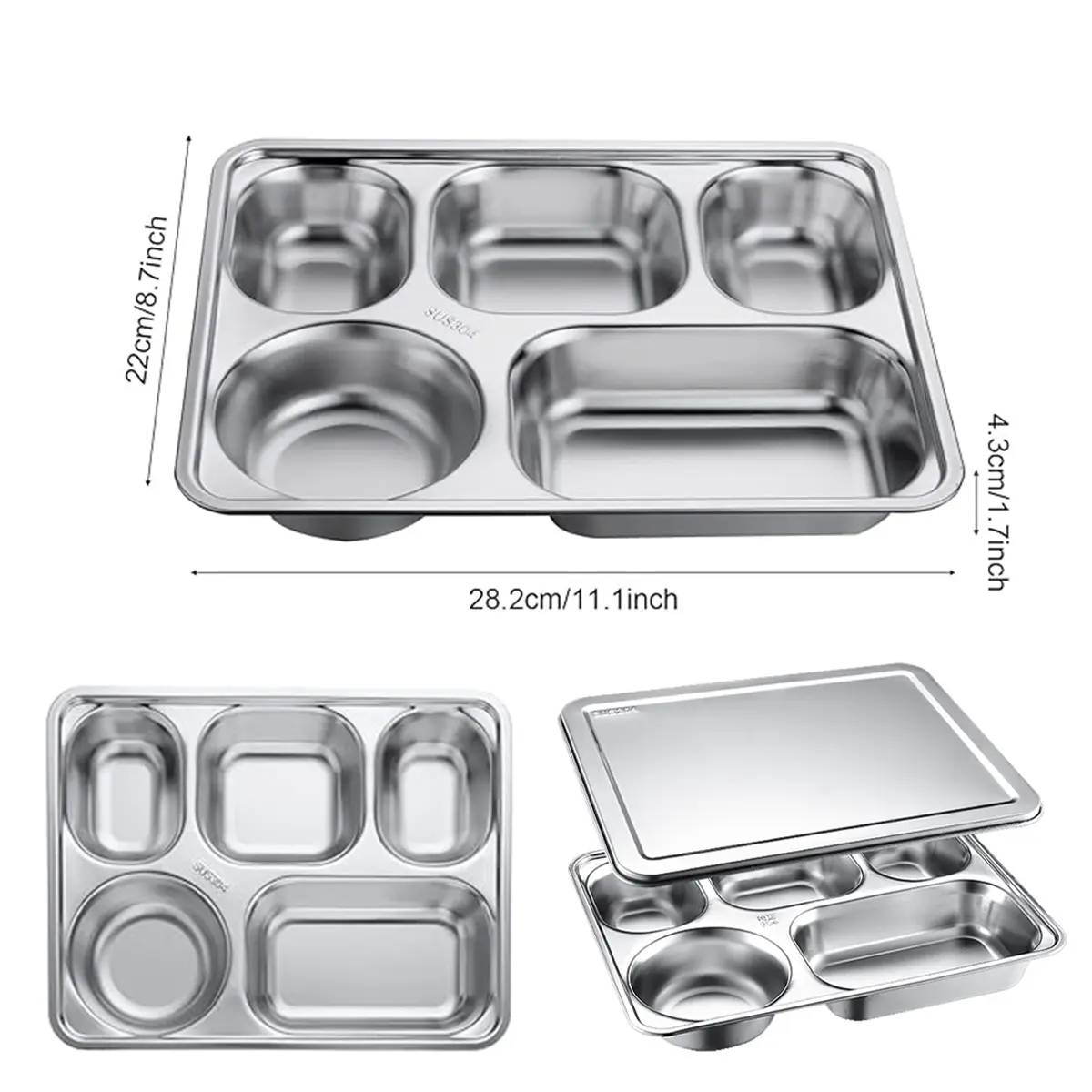
1. Material Quality: Look for 304 stainless steel, which is the industry standard for cookware. It’s resistant to rust, corrosion, and staining, and it holds up well under regular use. Compared to other grades, 304 is shiny, durable, and safe for cooking all kinds of food.
2. Construction: Not all stainless steel pans are made the same. Multi-layer or “clad” pans—where stainless steel is sandwiched with aluminum or copper—heat much more evenly. That means no hot spots, so your food cooks consistently. Single-layer 304 pans can still work, but the heat may be less even.
3. Base and Thickness: A thicker base usually means the pan holds heat better and cooks more evenly. Thin bottoms can warp over time. Also, flat and smooth bottoms are a must, especially if you’re using induction cooktops.
4. Handles and Lids: Make sure the handles are sturdy and stay cool while cooking. Lids that fit well help keep moisture and flavor in. I personally prefer riveted handles—they feel more solid than welded ones.
5. Maintenance and Cleaning: Stainless steel is pretty forgiving, but some designs are easier to clean than others. Dishwasher-safe is convenient, but hand-washing with a soft sponge will keep your pans looking nicer for longer.
6. Oven and Heat Compatibility: If you like moving pans from stove to oven, check the max oven-safe temperature. Most good 304 stainless steel pots handle high heat just fine, which makes them great for searing, roasting, or pan-braising.
At the end of the day, choosing a pan that’s durable, heats evenly, and feels good in your hands makes cooking a lot more enjoyable. With the right 304 stainless steel cookware, you’ll get consistent results without the hassle—trust me, it really changes the way you cook.
Conclusion
So, do professional chefs use stainless steel cookware? The answer is yes, and the reason is very practical. In truly high-intensity kitchens, speed, heat, and stability are constantly being tested every day. Stainless steel has become the mainstream not because it “looks professional”, but because it can withstand high temperatures, maintain precise temperature control, has a long service life, and can consistently produce good results over a long period of time.
Non-stick pans and cast-iron pans each have their own suitable usage scenarios. However, if you have to choose the most versatile and reliable type of cookware, stainless steel has almost no rivals. Especially the high-quality 304 stainless steel, it can accompany you from everyday cooking to more advanced techniques, without being picky about the ingredients or the heat. It lasts longer, performs more stably, and is easier to create truly layered flavors.
If you are looking for a manufacturer of stainless steel kitchenware, Charms Cook is a manufacturer with over 30 years of experience in Guangdong, China. Please contact us and we look forward to cooperating with you!