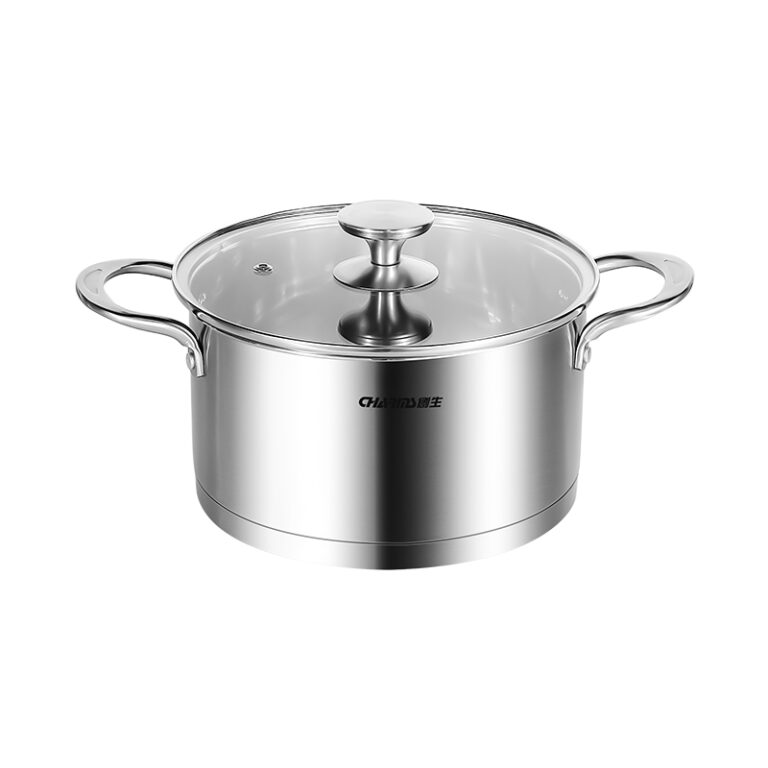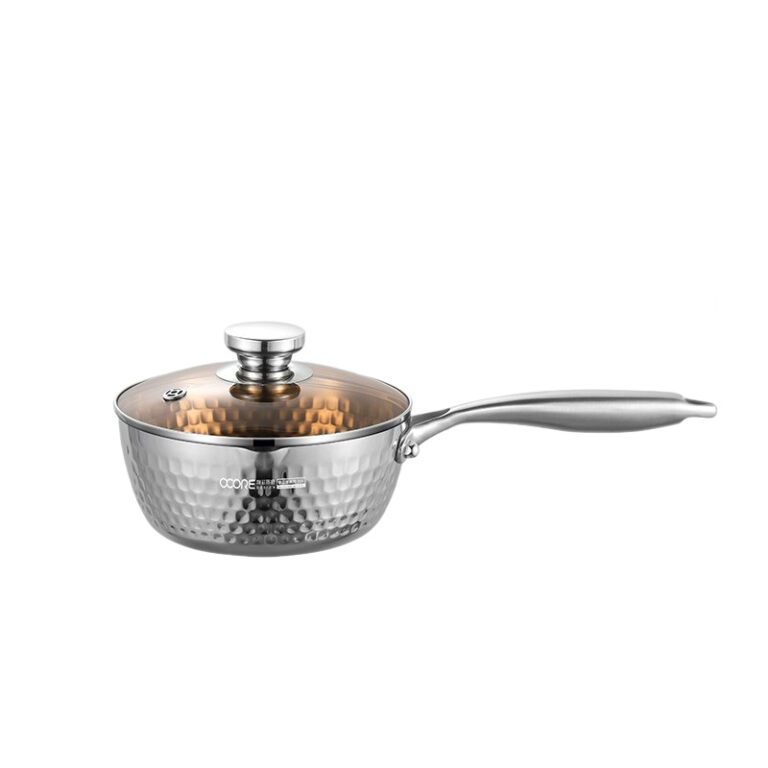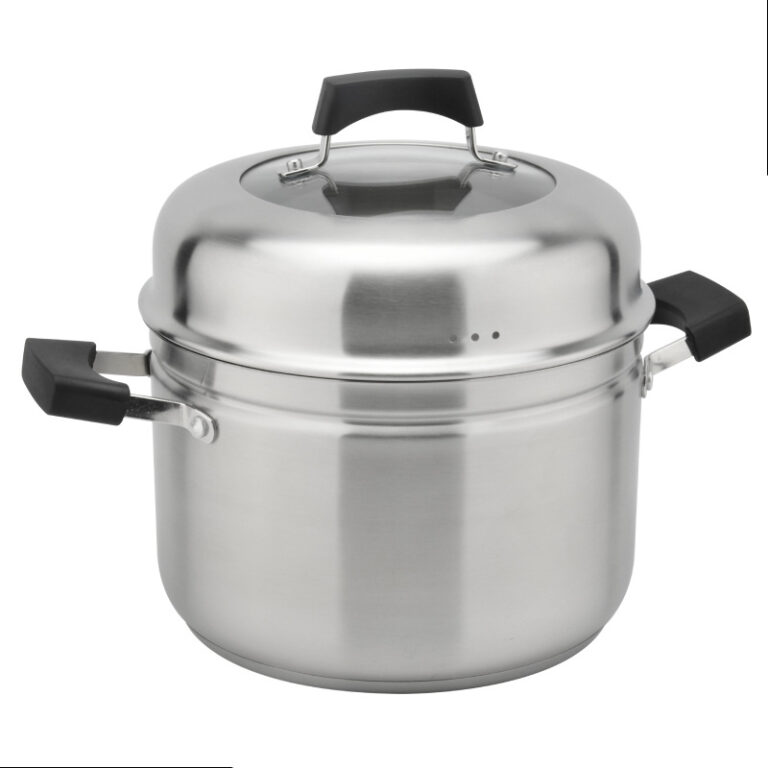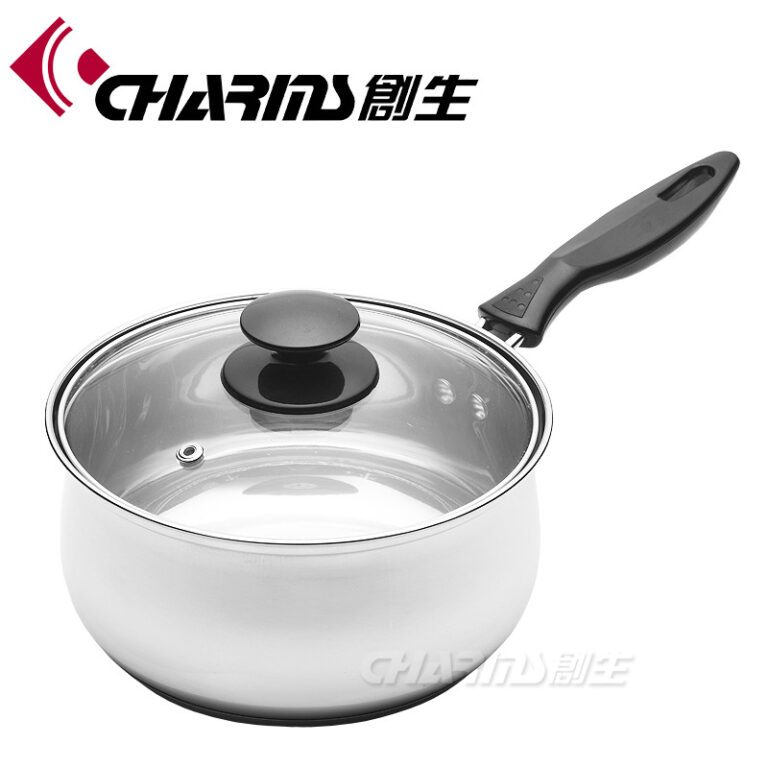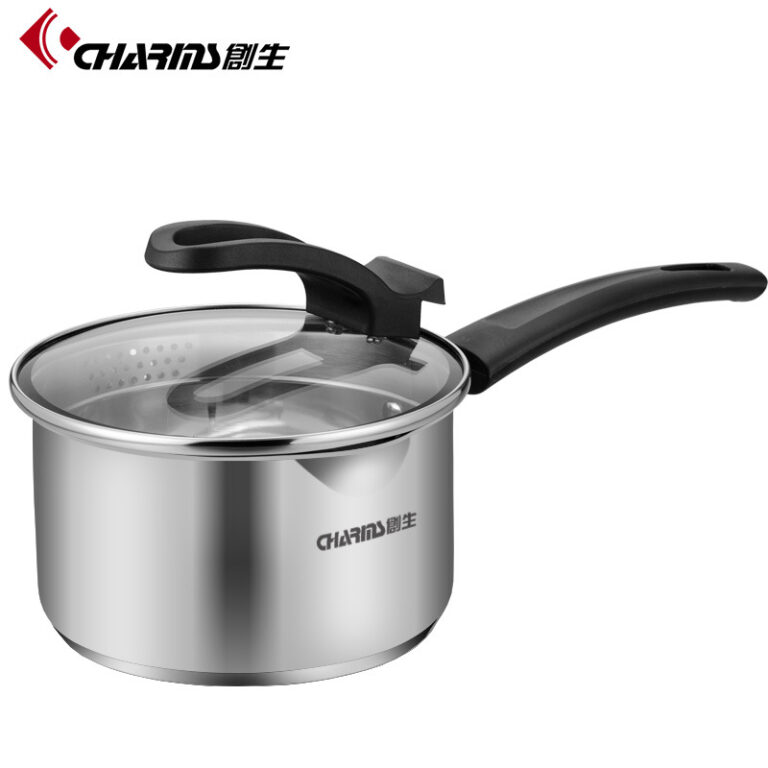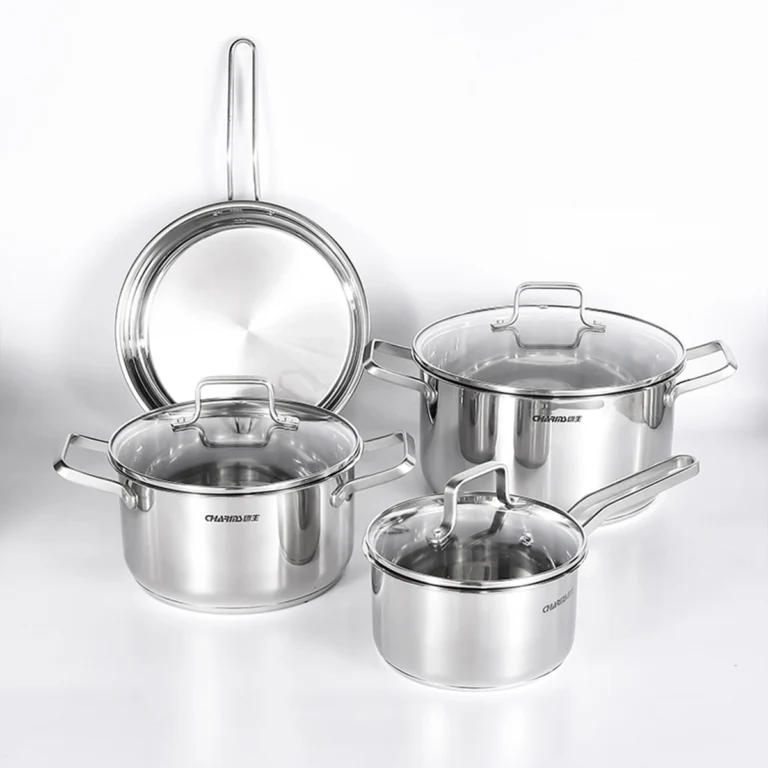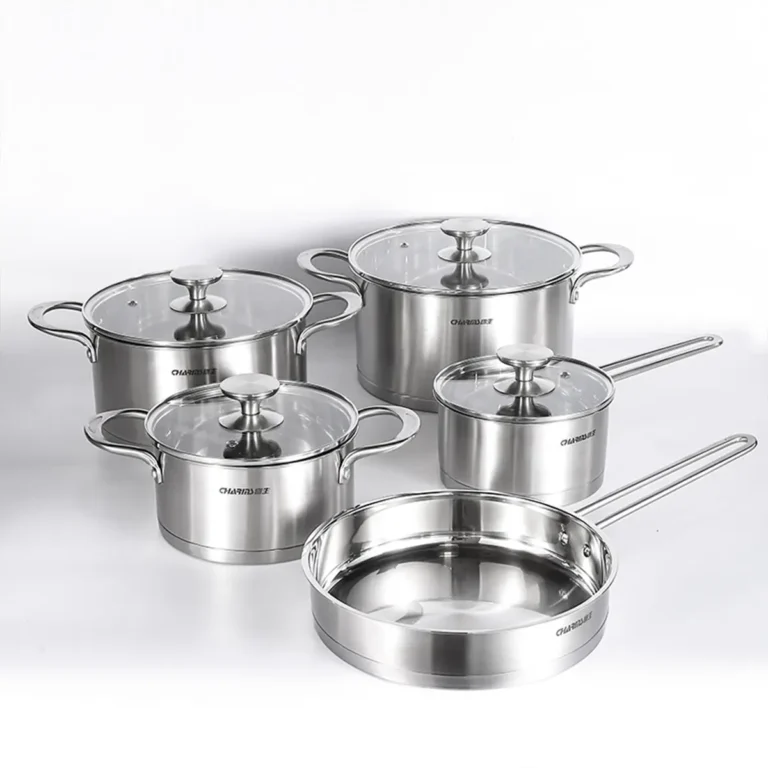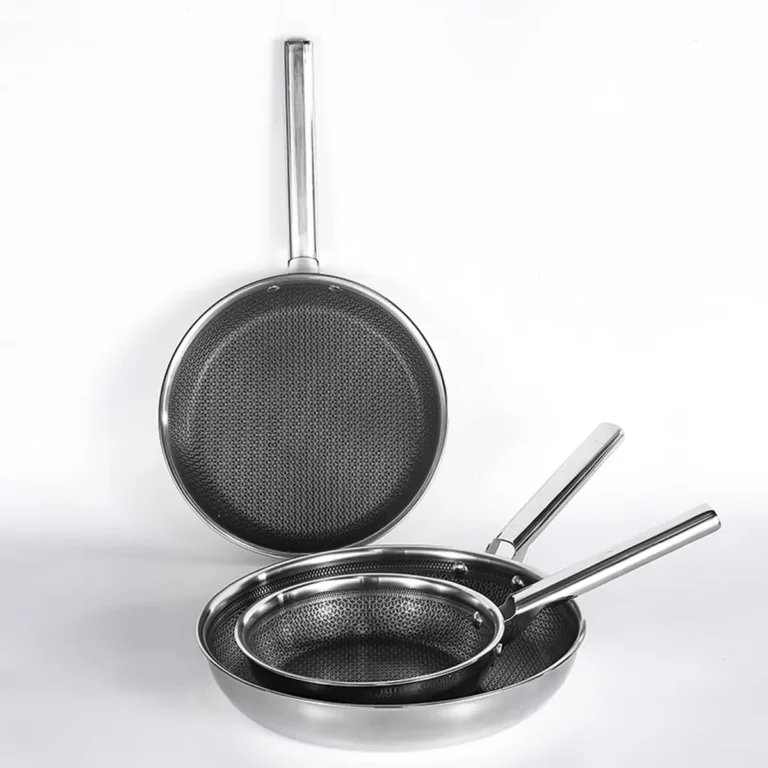

Stainless steel cookware stands as a cornerstone in countless kitchens, admired for its durability, even heating, and timeless aesthetic. Yet, a common frustration often surfaces for many home cooks and professional chefs alike: the dreaded stick. You’ve invested in quality, and you expect performance. So, why does food sometimes cling stubbornly to your beautiful stainless steel pans? And more importantly, how can you consistently achieve that coveted non-stick nirvana?
This isn’t just about avoiding a messy clean-up; it’s about perfecting your culinary craft, ensuring every sear, sauté, and stir-fry reaches its full potential. Let’s demystify the science behind sticking and equip you with the knowledge and techniques to master your stainless steel cookware.
Why Does Food Stick to Stainless Steel Cookware?
The primary reason food sticks to stainless steel isn’t a flaw in the material itself, but rather a combination of surface properties and heat management. Unlike non-stick coatings, which are designed to be inherently slick, stainless steel has a porous surface at a microscopic level.
When cold food, especially protein-rich items like meat or eggs, hits a cold or improperly heated stainless steel surface, several things happen:
-
Microscopic Pores: The surface of stainless steel, though seemingly smooth, actually has tiny peaks and valleys. When food is placed on a cold pan, it settles into these microscopic crevices.
-
Protein Bonding: Proteins in food are eager to bond. As the food heats up, these proteins begin to denature and seek out other surfaces to adhere to. Without a proper barrier or sufficient heat, they form strong bonds with the metal of the pan, essentially gluing themselves down.
-
Moisture and Steam: When food, particularly moist food, is added to a pan that isn’t hot enough, the moisture quickly evaporates and can also contribute to sticking by creating a vacuum effect or allowing proteins to settle and bond before a protective layer can form.
Think of it this way: imagine tiny hands reaching out from the pan’s surface to grab onto your food. Our goal is to either prevent those hands from reaching or to make them let go once they’ve taken hold.
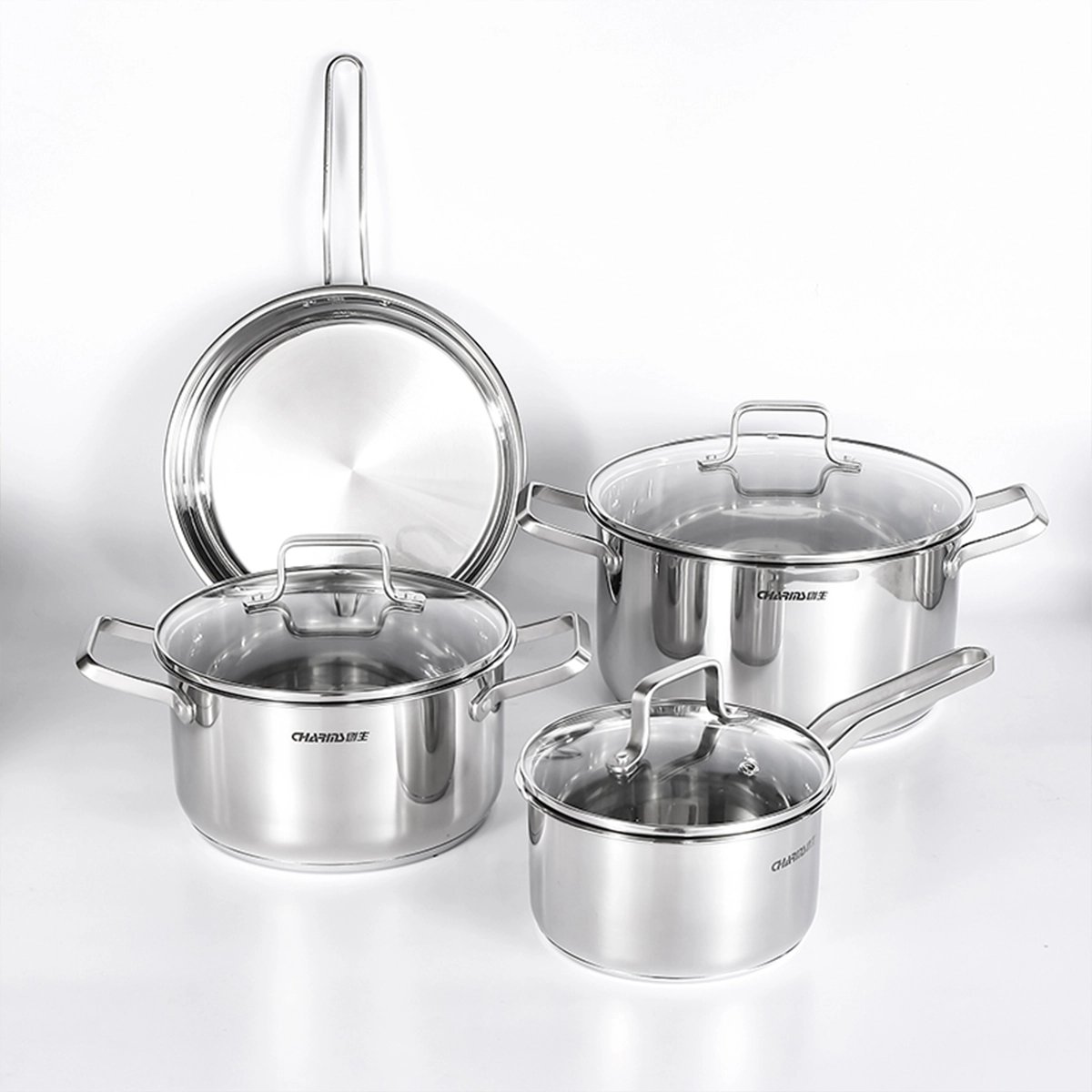
How to Properly Preheat Stainless Steel Pans
Preheating is arguably the single most critical step in preventing food from sticking to stainless steel. It’s not just about making the pan hot; it’s about making it uniformly hot and allowing the metal to undergo a subtle but crucial change. This process is often referred to as the “Leidenfrost effect” or creating a “hot pan, cold oil” scenario.
Here’s the breakdown for perfect preheating:
-
Start with an Empty Pan: Place your clean, dry stainless steel pan on a burner over medium to medium-high heat. Resist the urge to add oil or food at this stage.
-
Be Patient: This is where many go wrong. Allow the pan to heat for several minutes. The exact time will vary depending on your stove’s power and the pan’s thickness, but generally, 2-4 minutes is a good starting point.
-
The Water Test (Leidenfrost Effect): This is your definitive indicator.
-
Once you think the pan is hot, flick a few drops of water into the pan.
-
If the water immediately evaporates with a sizzle, the pan is not hot enough. Continue heating and try again.
-
If the water forms one or more small, shimmering mercury-like beads that dance and roll across the pan without evaporating quickly: Bingo! Your pan has reached the ideal temperature. This is the Leidenfrost effect at play. The water is creating a thin layer of steam between itself and the pan, preventing direct contact, which is precisely what we want our food to do.
-
If the water immediately splatters violently and evaporates very quickly, The pan is too hot. Remove it from the heat for a minute to cool slightly, then try the water test again.
-
-
Reduce Heat (if necessary): Once you achieve the Leidenfrost effect, you might need to slightly reduce the heat to maintain that optimal temperature, especially if you’re cooking something delicate.
This proper preheating expands the metal of the pan ever so slightly, smoothing out those microscopic pores and creating a less adhesive surface for your oil and food.
When Should You Add Oil or Butter to Prevent Sticking?
The timing of adding your fat is just as important as the fat itself. The golden rule for stainless steel is: hot pan, cold oil.
-
After Preheating: Only after your pan has passed the water test (reached the Leidenfrost effect) should you add your cooking fat.
-
Add Your Fat: Pour in your desired amount of oil or place your butter in the hot pan.
-
Swirl and Heat (briefly): Swirl the oil around to coat the bottom of the pan evenly. Let the oil heat for about 30-60 seconds. You’ll notice it thin out slightly and sometimes shimmer or develop a faint ripple. For butter, it should melt and begin to foam.
-
Crucial Note for Oil: If the oil starts to smoke, it’s too hot and has gone past its smoke point. Discard it, let the pan cool slightly, clean it, and start the preheating process again. Overheated oil can break down and also contribute to sticking.
-
-
Add Your Food: Once the oil is hot and shimmering (or butter is melted and foaming), it’s time to add your ingredients. The hot oil fills those remaining microscopic gaps on the pan’s surface, creating a protective, slick barrier between your food and the metal.
This “hot pan, cold oil” technique leverages the principles we discussed: the preheated pan provides an ideal surface, and the hot oil then forms a dynamic, non-stick layer.

Which Cooking Techniques Help Prevent Food From Sticking?
Beyond preheating and oiling, several specific cooking techniques can significantly reduce sticking and improve your results.
-
Don’t Overcrowd the Pan: This is a common mistake. Adding too much food at once drastically drops the pan’s temperature. When the pan cools down, the food starts to steam rather than sear, and the chances of sticking skyrocket. Cook in batches if necessary, allowing enough space for air to circulate and the pan to maintain its heat.
-
Let Food Release Naturally: Many foods, especially proteins like chicken, fish, or steaks, will naturally release from the pan when they’ve developed a proper crust. If you try to move them too soon, they will stick.
-
The “Shake Test”: When searing, gently try to wiggle the food with tongs or a spatula. If it moves easily, it’s ready to flip. If it resists, give it another minute or two. Patience is a virtue in stainless steel cooking.
-
Visual Cues: For meats, look for a golden-brown crust forming on the edges.
-
-
Deglazing: This technique is a fantastic way to release any stuck-on bits (fond) from the bottom of your pan and build incredible flavor. After removing cooked food, add a liquid (wine, broth, water) to the hot pan. Use a wooden spoon or spatula to scrape up all those flavorful browned bits. This not only enhances your sauce but also makes cleanup much easier.
-
Temperature Control: Continuously monitor and adjust your heat. Stainless steel conducts heat very efficiently. If things are cooking too fast, lower the heat. If they’re not browning, increase it slightly. Consistent, moderate heat is your ally.
Which Foods Are Most Prone to Sticking, and Why?
While stainless steel is incredibly versatile, some foods inherently pose a greater sticking challenge due to their composition. Understanding these allows you to be extra vigilant with your preheating and oiling techniques.
-
Eggs: Scrambled, fried, or omelets – eggs are notorious for sticking. They are high in protein and have a delicate structure that quickly bonds with the pan’s surface if not properly lubricated and heated. A generous amount of fat and precise temperature control are essential for eggs.
-
Lean Proteins: Chicken breast, fish fillets (especially skinless), and lean cuts of beef or pork have less natural fat. Their exposed protein fibers are more likely to bond directly with the pan. Ensuring a good sear and letting them release naturally is key.
-
Delicate Fish: Fish like sole or cod have very fragile flesh and often thin skin, making them prone to tearing and sticking. A well-oiled, perfectly preheated pan is non-negotiable here.
-
Starchy Foods (initially): While not as common a sticking issue as proteins, some starchy foods like potatoes or rice can initially stick if the pan isn’t hot enough or if there isn’t enough oil. However, once a crust forms, they typically release easily.
-
Foods with Marinades or Sugars: Sugary marinades can caramelize and burn quickly, leading to sticking. Foods with natural sugars, like certain vegetables, can also behave similarly. Keep a close eye on the heat and consider reducing sugar in marinades if sticking is a persistent problem.
For these foods, double-check your preheating, be generous with your cooking fat (within reason), and resist the urge to move them prematurely.
Can Seasoning Stainless Steel Pans Reduce Sticking?
This is a common question, often arising from the success of seasoning cast iron. While technically you can season stainless steel, it’s not the same process or as effective as with cast iron, nor is it generally recommended or necessary for optimal performance.
-
Cast Iron Seasoning: Cast iron forms a robust, polymerized layer of oil that fills its pores and creates a truly non-stick surface over time. This layer is quite durable.
-
Stainless Steel Seasoning: With stainless steel, you can create a temporary, thin layer of polymerized oil by heating oil past its smoke point until it bonds to the pan. However, this layer is much more fragile than on cast iron. It tends to be easily stripped away with vigorous cleaning, scrubbing, or even just high-heat cooking.
Our Recommendation: Instead of attempting to season stainless steel, focus on the fundamental techniques we’ve discussed: proper preheating, sufficient fat, and patient cooking. These methods are far more reliable and sustainable for achieving consistent non-stick results with stainless steel. Your Charmscook stainless steel pans are designed to perform exceptionally when these principles are applied, without needing a “seasoned” coating.
How to Clean and Maintain Your Stainless Steel Cookware to Preserve Non-Stick Performance?
Proper cleaning and maintenance are crucial not just for hygiene, but also for ensuring your stainless steel cookware continues to perform beautifully and resist sticking. Residue, especially invisible burnt-on oils, can act as an adhesive for future cooking.
-
Always Allow to Cool: Never plunge a hot stainless steel pan into cold water. The sudden temperature change can cause thermal shock, potentially warping your pan over time. Let it cool down to room temperature first.
-
Soak if Necessary: For stubborn, stuck-on food, fill the pan with hot water and a little dish soap and let it soak for 15-30 minutes, or even overnight. This helps loosen the residue.
-
Gentle Scrubbing First: Start with a soft sponge and dish soap. Most everyday residues should come off easily.
-
For More Stubborn Spots (the “Miracle” Cleaner): If food is still clinging, a simple paste of baking soda and a little water, applied with a non-abrasive scrub pad (like a nylon scrubber), works wonders. The mild abrasive nature of baking soda gently lifts burnt-on bits without scratching the surface. For very tough spots, Bar Keepers Friend is an excellent product specifically designed for stainless steel, effectively removing burned food and stains while restoring shine.
-
Avoid Harsh Abrasives: Steer clear of steel wool, highly abrasive scrubbers, or harsh chemical cleaners, as these can scratch the surface of your pan, making it more prone to sticking in the future and dulling its finish.
-
Rinse Thoroughly: Ensure all soap and cleaning product residue is completely rinsed away.
-
Dry Immediately: Dry your pans thoroughly with a clean towel after washing. Air drying can leave water spots, especially if you have hard water, which can affect the pan’s appearance.
-
Storage: Store your stainless steel pans carefully to prevent scratching. If stacking, consider using pan protectors or a cloth between pans.
Conclusion
The journey to consistently stick-free cooking with stainless steel isn’t about magic; it’s about mastering a few fundamental principles. We’ve explored how microscopic surface pores, protein bonding, and improper heat management can lead to frustrating sticking. More importantly, we’ve armed you with the essential techniques to overcome these challenges.
Remember, the cornerstone of success lies in proper preheating to achieve the Leidenfrost effect, creating that crucial vapor barrier. Follow this with the “hot pan, cold oil” method, allowing your chosen fat to form a protective, slick layer. Beyond these initial steps, employ smart cooking habits: don’t overcrowd the pan, allow food to naturally release, and always practice vigilant temperature control. And while seasoning isn’t the solution for stainless steel, diligent cleaning and maintenance will keep your pans in prime condition, ready for every culinary adventure.