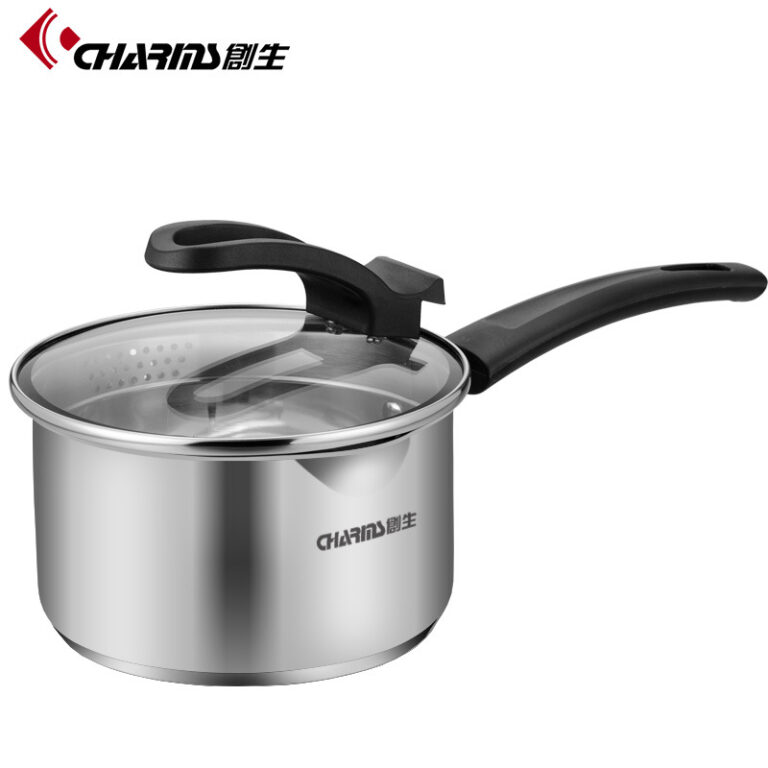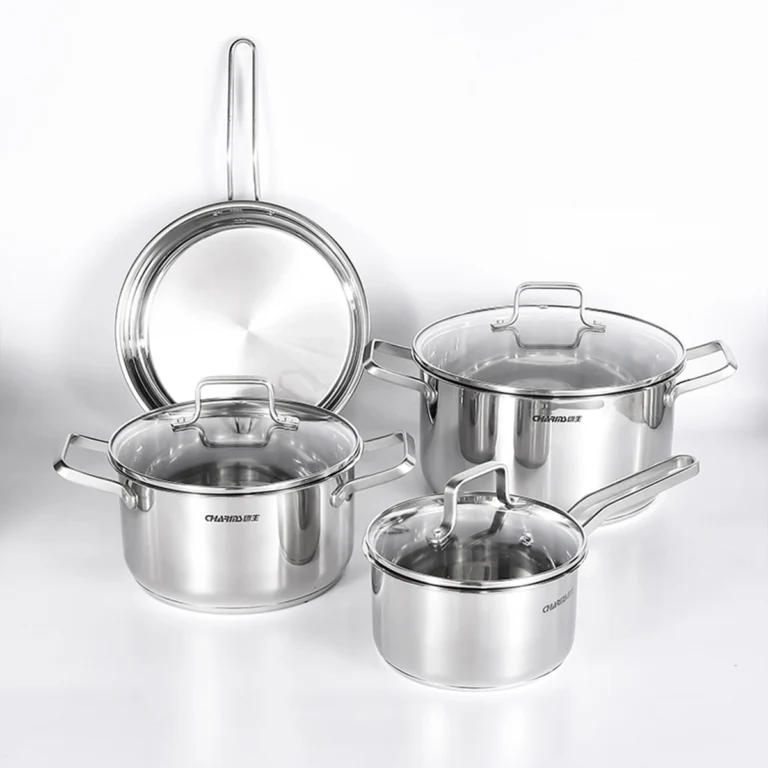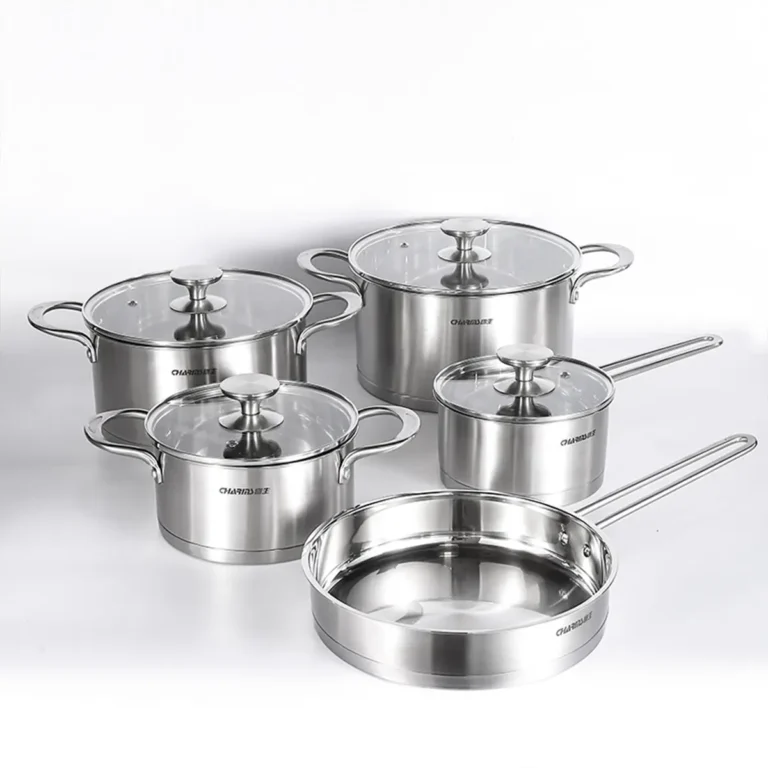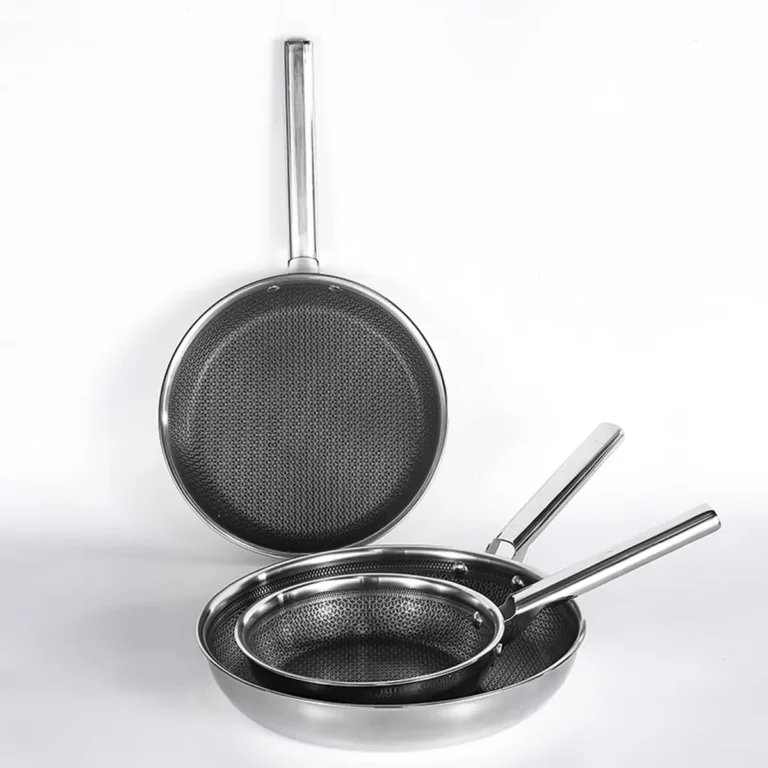

Whether you are in the outdoor equipment business, managing campsites, or choosing camping cookware solutions for brands, whenever you go outdoors to cook, you are bound to encounter some common problems: difficulty in controlling the heat, limited space, frequent bumps and knocks on the equipment, and also having to deal with the sudden changes in temperature. For this reason, the choice of camping cookware is not merely a matter of functionality, but also concerns the user experience, safety, and whether it can truly last long.
The more outdoors one is, the more one can tell whether a set of cooking utensils is trustworthy or not.
In this article, I will explain clearly the selection of camping cookware from the perspectives of materials, structure, the requirements of different camping methods, and outdoor maintenance methods. Finally, some practical suggestions will also be supplemented from the perspective of the manufacturing end to help you make more stable, long-term and cost-effective purchasing judgments.
1.Why Choosing the Right Cookware for Camping Matters?
Outdoor cooking is different from cooking in a home kitchen. You need to deal with unpredictable high temperatures, limited clean water, rough floors and rapid temperature changes. This means that your cookware must function reliably under all kinds of pressures.
The reasons why choosing food is important are as follows:
- Efficiency and fuel savings: High-quality cookware conducts heat evenly. If the flame comes into contact with weak or poorly structured cookware, local hot spots will occur, making the food prone to burning and fuel consumption faster. A good pot can shorten cooking time, make efficient use of fuel and make it easy for you to cook delicious food.
- Durability under harsh conditions: During camping, cookware comes into contact with fire, stones, sand, damp environments, and vibrations during transportation. Sturdy cookware should be able to resist dents, scratches and rust. Inferior materials tend to deform or corrode.
- Food safety: Outdoor cooking is usually at a higher temperature than indoor stoves. Not all materials can safely withstand such high temperatures. Some coatings age, some metals react with food, and cheap rivets also loosen over time. A safer option is to keep the cooking surface stable and free from chemical reactions.
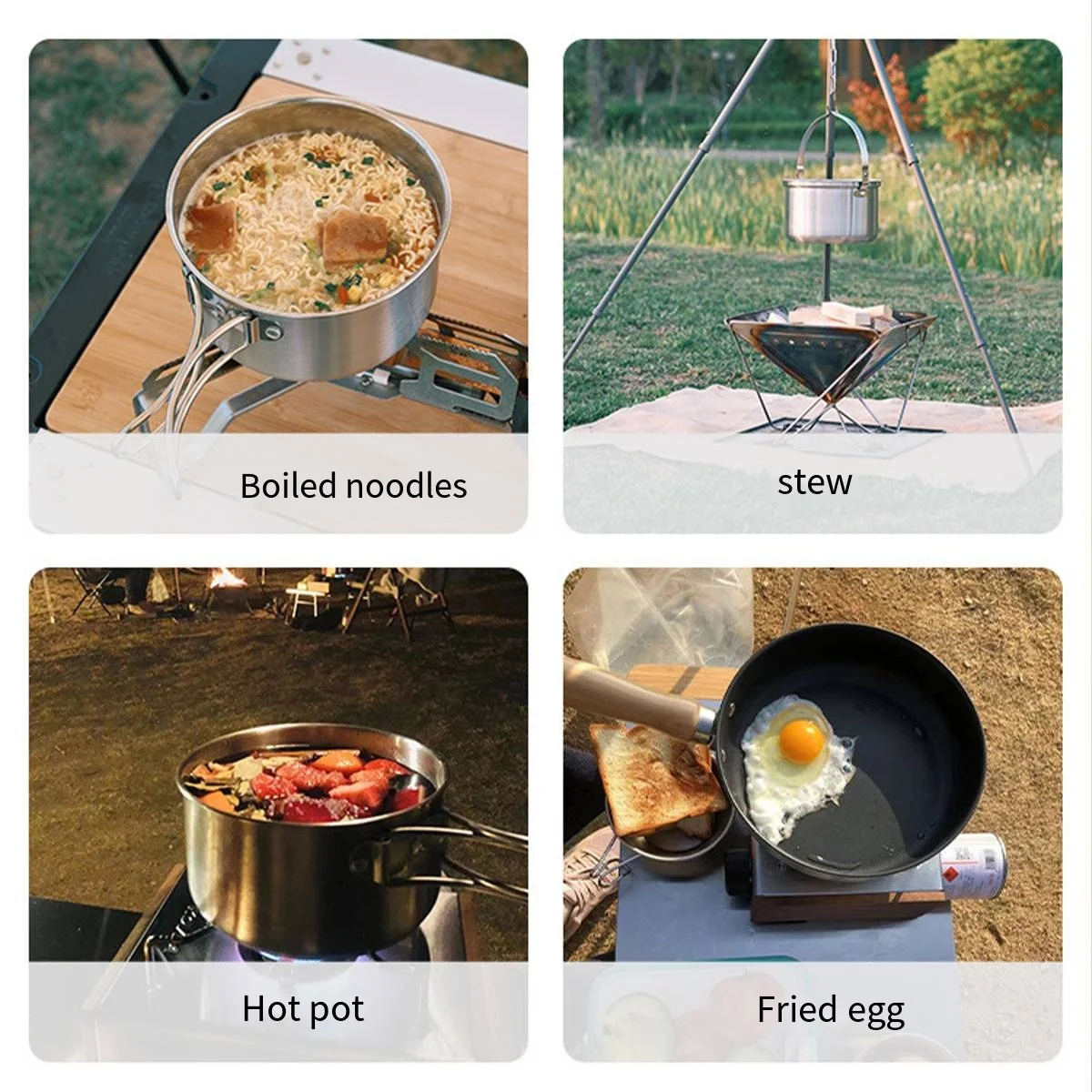
- Convenience and packability: Limited space. Suitable cookware should be easy to stack, easy to clean, and support multiple cooking methods – from boiling, stewing to frying and steaming.
- A better outdoor experience: The quality of cookware directly affects your camping dining experience. When your tools are used smoothly, you can cook with confidence and enjoy your outdoor time more.
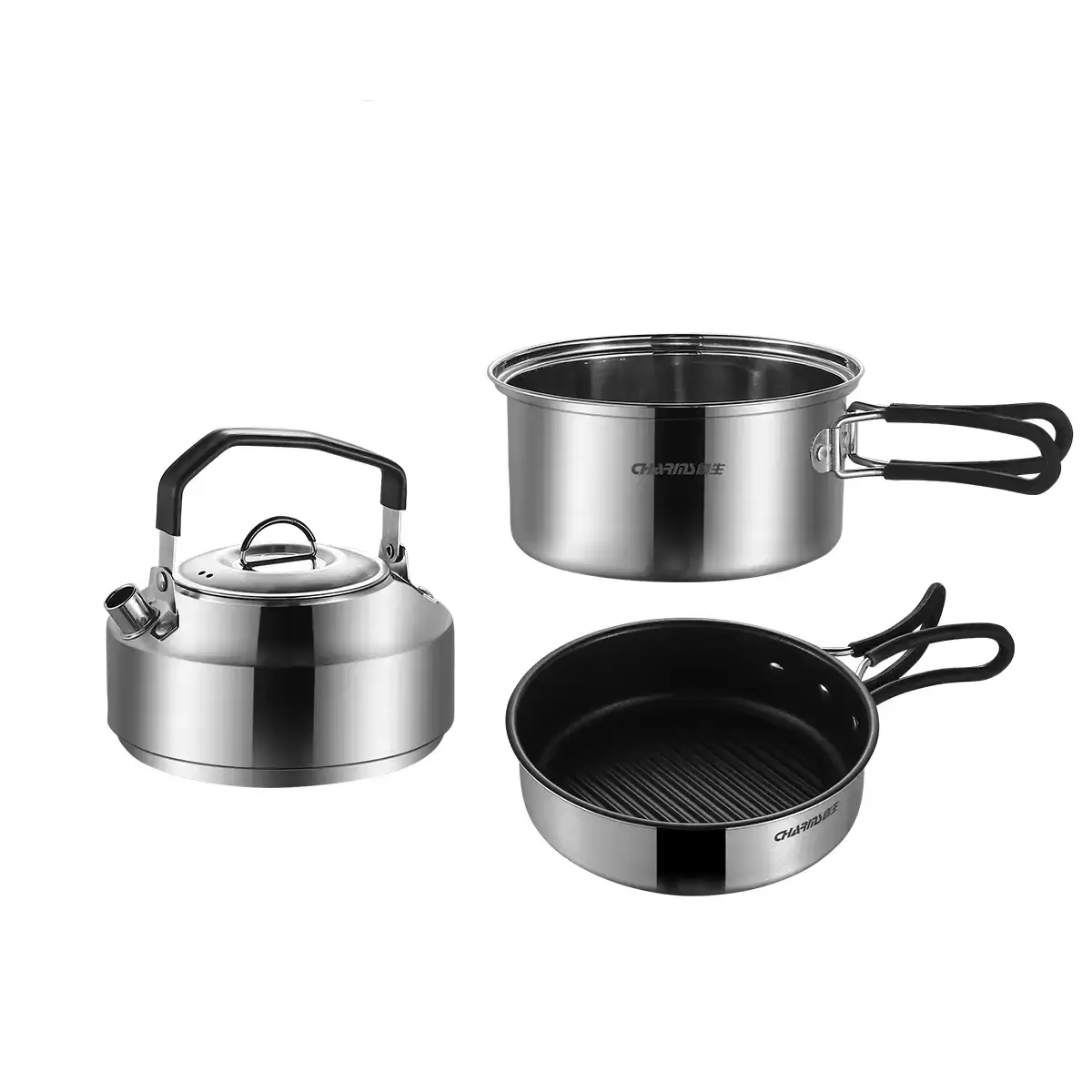
2.Which Materials Are Best for Camping Cookware and What Sets Them Apart?
Different materials behave differently outdoors. Your ideal choice depends on how you travel, what you cook, and how much weight you’re willing to carry.
Below is a breakdown based on decades of stainless steel manufacturing knowledge and common use in outdoor settings.
Stainless Steel
Best for: Durability, long-term use, open-flame cooking, high-heat performance.
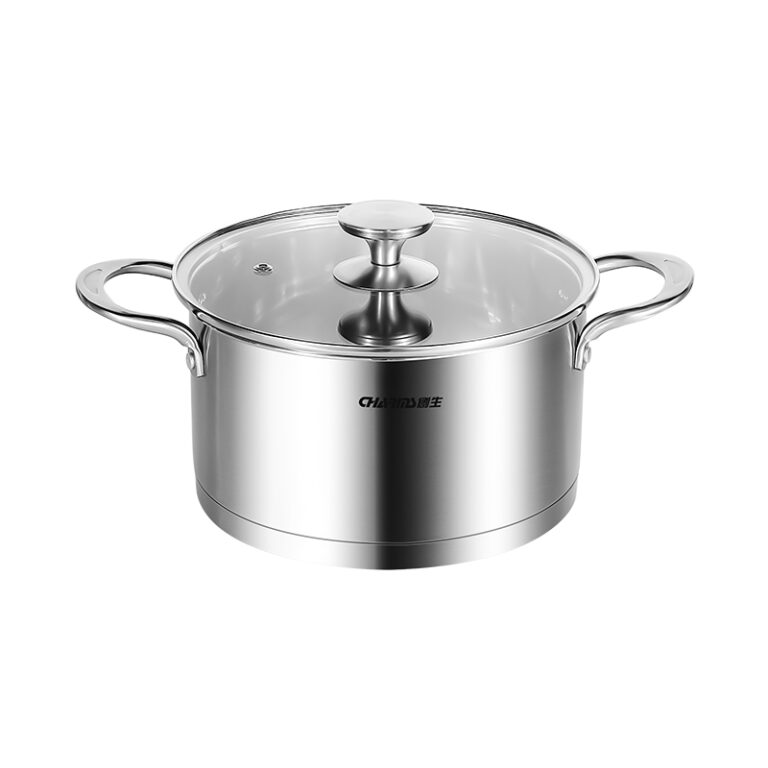
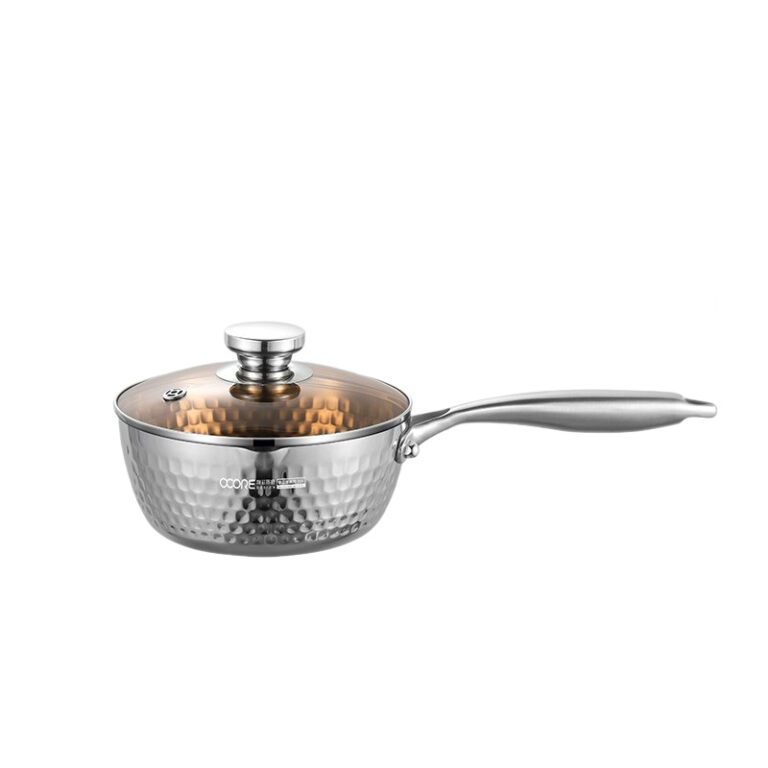
Stainless steel is one of the toughest materials for camping. It resists scratches, dents, and corrosion. It handles direct flames and uneven heat better than most materials. It’s also non-reactive, so acidic foods like tomato soup or lemon fish don’t affect flavor.
Pros:
- Extremely durable
- Excellent for rough handling
- Safe and non-reactive
- Long lifespan
Cons:
- Heavier than aluminum
- Less naturally nonstick
Stainless steel is especially useful for repetitive outdoor cooking or for brands looking for long-term product stability.
Aluminum & Hard-Anodized Aluminum
Best for: Lightweight trips, fast boiling, backpacking.
Aluminum heats quickly and evenly. Hard-anodized aluminum improves scratch resistance and durability, making it a strong choice for lightweight travel.
Pros:
- Very lightweight
- Good heat distribution
- Affordable
Cons:
- Softer than steel
- Not ideal for open fire unless anodized
- Can react with acidic foods unless coated
Hard-anodized aluminum is a good mid-range option when weight matters.
Cast Iron
Best for: Car camping, base camps, flavor-focused meals.
Cast iron delivers unbeatable heat retention and excellent searing. But it’s heavy—very heavy—and requires seasoning and maintenance.
Pros:
- Incredible heat retention
- Naturally nonstick when seasoned
- Ideal for campfire cooking
Cons:
- Too heavy for long-distance hikes
- Needs regular maintenance
- Can rust if stored wet
Cast iron is a specialty choice for campers who prioritize flavor over weight.
Titanium
Best for: Ultralight backpacking.
Titanium is strong and extremely lightweight, but it doesn’t distribute heat evenly, which makes cooking delicate foods tricky.
Pros:
- Ultra-light
- Rustproof
- Strong
Cons:
- Poor heat distribution
- Expensive
- Not ideal for tasks needing temperature control
Titanium is best for boiling water rather than cooking complex meals.
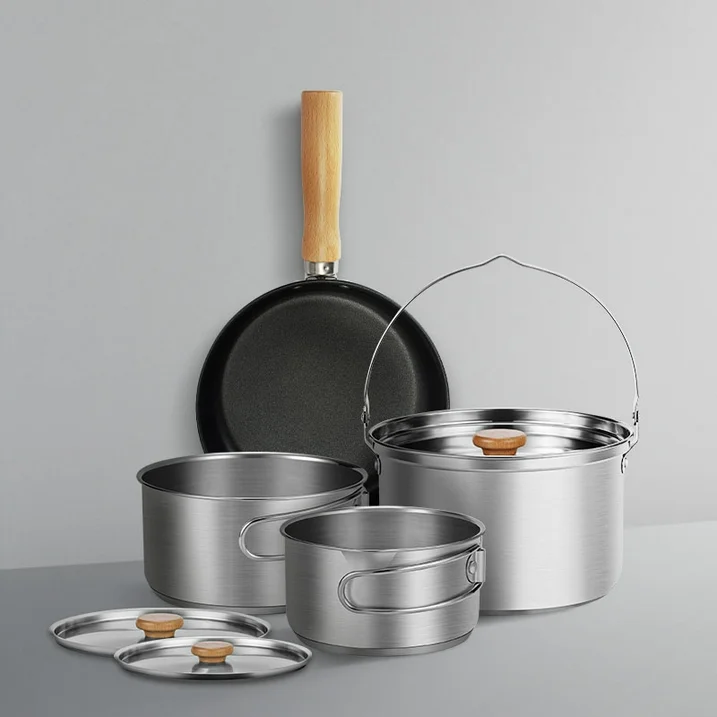
3.Cookware Types You Need for Different Camping Styles
Every camper cooks differently. Someone backpacking across the mountains only needs the basics, while a group on a weekend campsite may prepare multi-course meals.
Below is a clear table to help you match cookware with your camping style:
| Camping Style | Recommended Cookware Types | Why These Work |
|---|---|---|
| Backpacking / Hiking | Lightweight pot, titanium mug, compact frypan | Minimizes weight while still allowing boiling and basic frying. |
| Car Camping | Stainless steel pot set, large frypan, kettle | You can bring heavier, more durable cookware and cook a wider range of meals. |
| RV or Trailer Camping | Multi-layer stainless steel set, stockpot, steamer | Supports family meals, better heat control, and long-term durability. |
| Bushcraft / Open-Fire Camping | Stainless steel kettle, cast iron skillet, steel pot | These materials handle direct fire and rough use very well. |
| Group Camping | Large stainless steel pot, multipurpose pan, stackable sets | Allows cooking large batches efficiently. |
| Minimalist / Fastpacking | Titanium mug-pot combo | Boils water quickly with the least possible weight. |
| Overlanding / Long-Term Travel | Heavy-duty stainless steel system, nested cookware | Longevity, versatility, and easy packing are key. |
4.How to Maintain and Clean Camping Cookware Outdoors?
Cleaning cookware in the outdoors can feel challenging, especially when water is limited. With the right approach, though, you can keep your gear in good shape and extend its lifespan without much effort.
Use Water Wisely
Start by removing leftover food with natural materials such as grass or a soft handful of sand. Then add a small amount of warm water to loosen what’s left. A quick swirl is often enough. If you carry biodegradable soap, use only a drop to reduce environmental impact.
Protect Surfaces
Not every pot or pan handles rough scrubbing the same way. Stainless steel can take more force, but coated or anodized cookware needs gentler care. A simple sponge or cloth helps you clean without harming the surface.
Prevent Stains and Odors
Dry your cookware completely before packing it away. Even moisture left for a short time can create water spots, discoloration, or an unpleasant smell. A clean towel or even a sunny rock works as a quick drying surface.
Handle Burned-On Food Easily
If food burns, don’t scrape aggressively. Add a little water and heat it over your stove or fire. The heat will soften the residue so you can wipe it out with almost no effort.
Store Cookware Properly
Before leaving camp, place your cookware in a protective bag or wrap it in a cloth. This keeps dirt, dust, and sand from scratching the surface during transport.
Maintain Cast Iron Separately
If you use cast iron, keep it seasoned. Apply a thin layer of oil and heat the pan until the surface absorbs it. This protects it from rust and keeps the nonstick layer strong.
By following these simple steps, you can keep your cookware clean, safe, and ready for the next meal—no matter where your camping trip takes you.
5.Charms Cook: Stainless Steel Cookware Manufacturer
Charms Cook comes from Caitang, the hometown of stainless steel in China, and has been dedicated to cookware manufacturing for nearly 30 years. The cookware they produce is not only durable but also environmentally friendly, and can be used with confidence whether in a home kitchen or during camping. The company’s factory is highly modern, covering an area of 40,000 square meters and equipped with over 300 advanced production lines. It utilizes high-frequency welding technology and automated processes to ensure that every product is precise and stable. A strict quality management system and over 50 patents ensure that cookware does not deform or rust even when used at high temperatures, outdoors or for long periods of time.
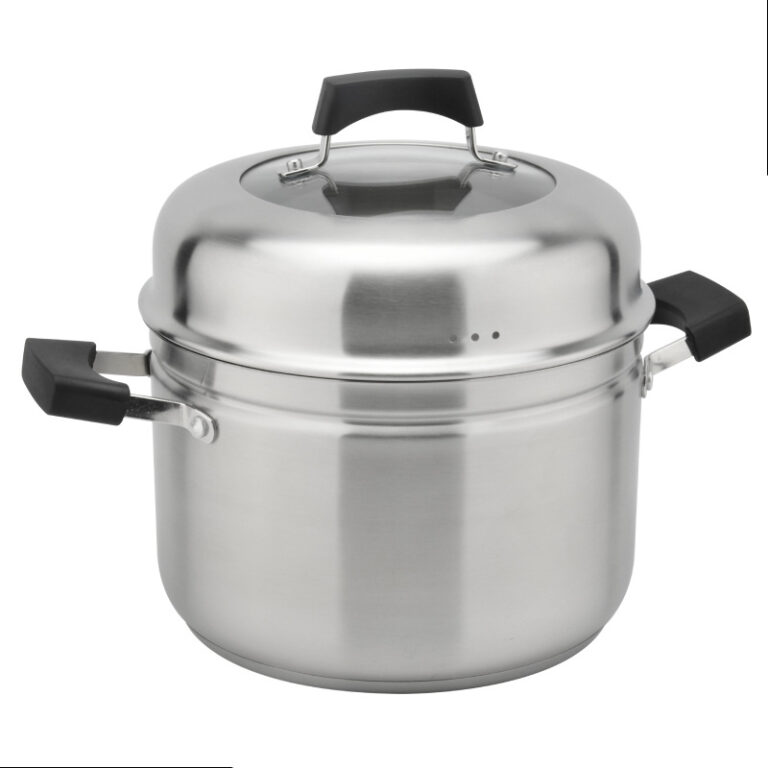
Our R&D team places great emphasis on practicality and innovation. They integrate materials science and ergonomic design to continuously introduce new products, such as multi-layer steamers and energy-saving pressure cookers, making cookware not only user-friendly but also more efficient. The company can also offer OEM and ODM customization services, flexibly coordinating from product design to mass production. This enables brand owners to easily develop high-quality cookware. With efficient logistics and fast-response services, Charms Cook ensures that every product is delivered to your hands on time and safely. Overall, if you are looking for durable, reliable stainless steel cookware suitable for both outdoor and home use, this company is a very trustworthy choice.
6.Conclusion
Cooking outdoors may seem simple, but in fact, every choice of cookware is related to your entire camping experience. Choosing the right cookware not only makes cooking easy and efficient, but also reduces fuel consumption and cleaning troubles, allowing you to have more time to enjoy the scenery and the company of your companions. Cookware made of different materials each has its own characteristics – stainless steel is durable and reliable, aluminum is lightweight and portable, cast iron has a good heat retention effect, and titanium is extremely lightweight. Understanding their advantages and disadvantages and choosing them based on your camping style can ensure that every meal is completed smoothly.
Simple maintenance and cleaning habits can make cookware last longer. Whether it’s multiple long hikes or repeated weekend camping trips, it can accompany you further. Charms Cook, a professional manufacturer, through years of experience accumulation and strict quality control, has created cookware that performs equally well outdoors. Choosing the right cooking utensils is not only for making delicious food, but also for ensuring a smooth and comfortable camping experience. Good cooking utensils can help you have less trouble and more fun in the mountains and fields, making every camping trip worth looking forward to.
If you are interested in us, please contact our team!