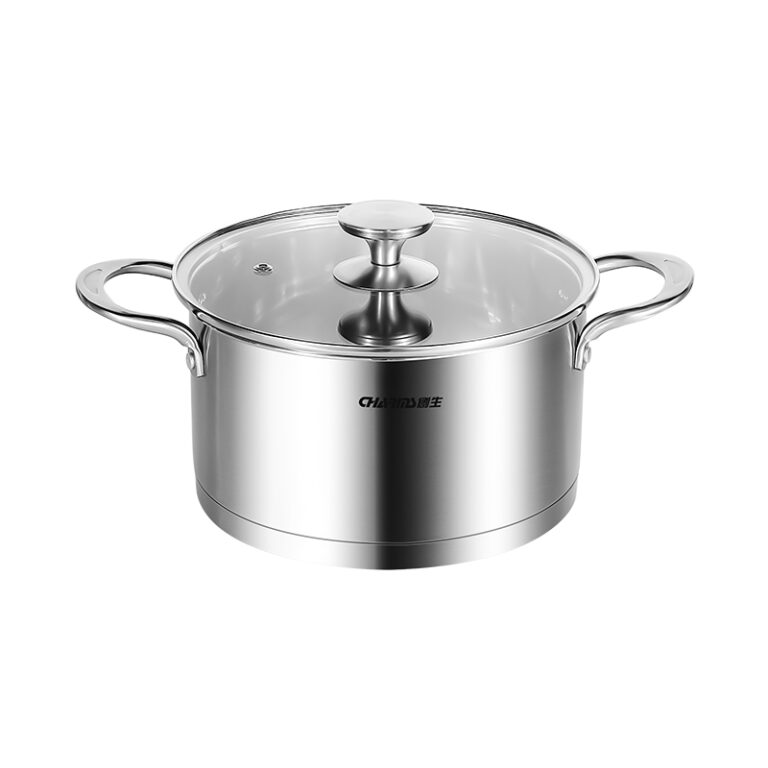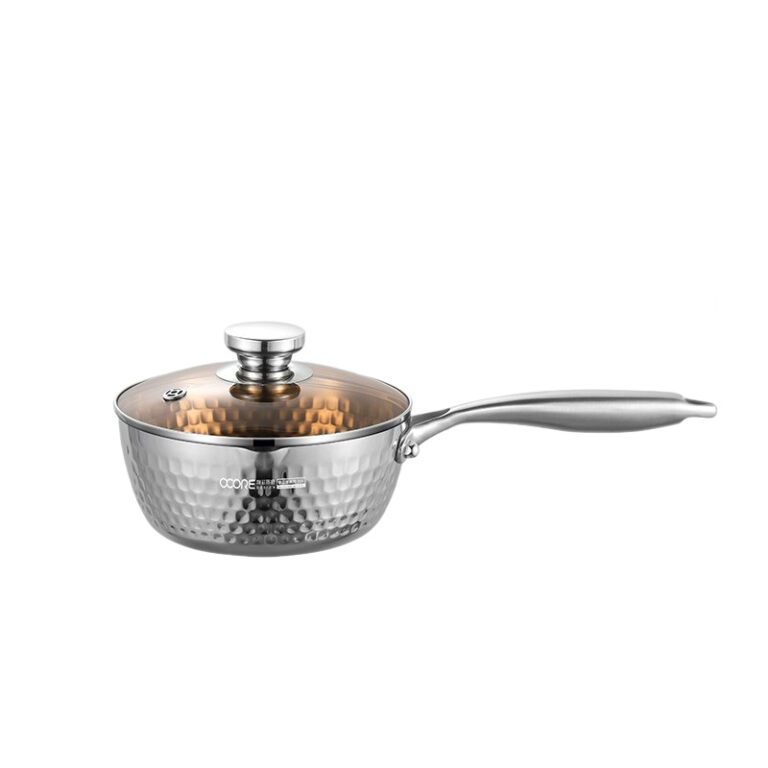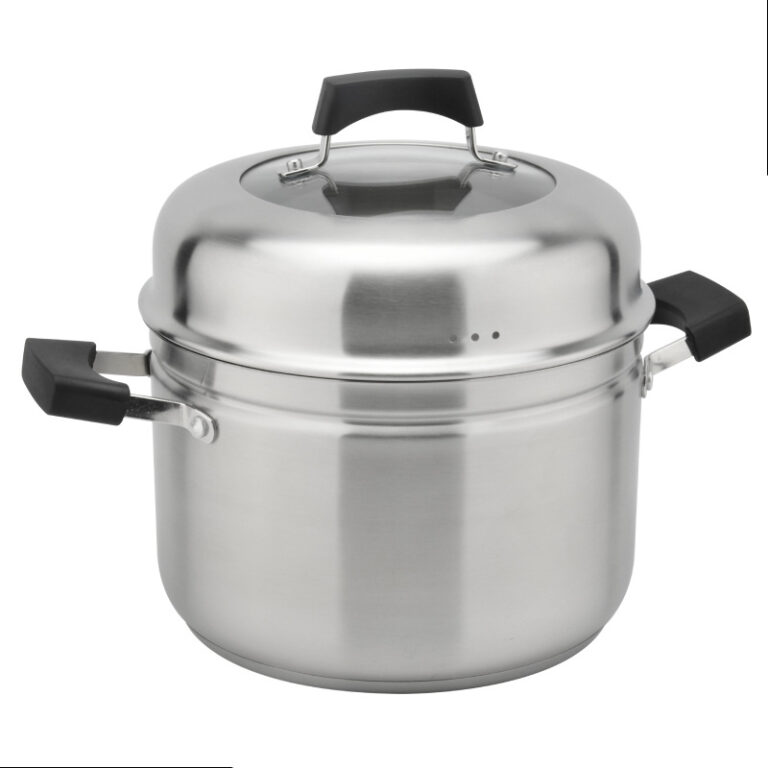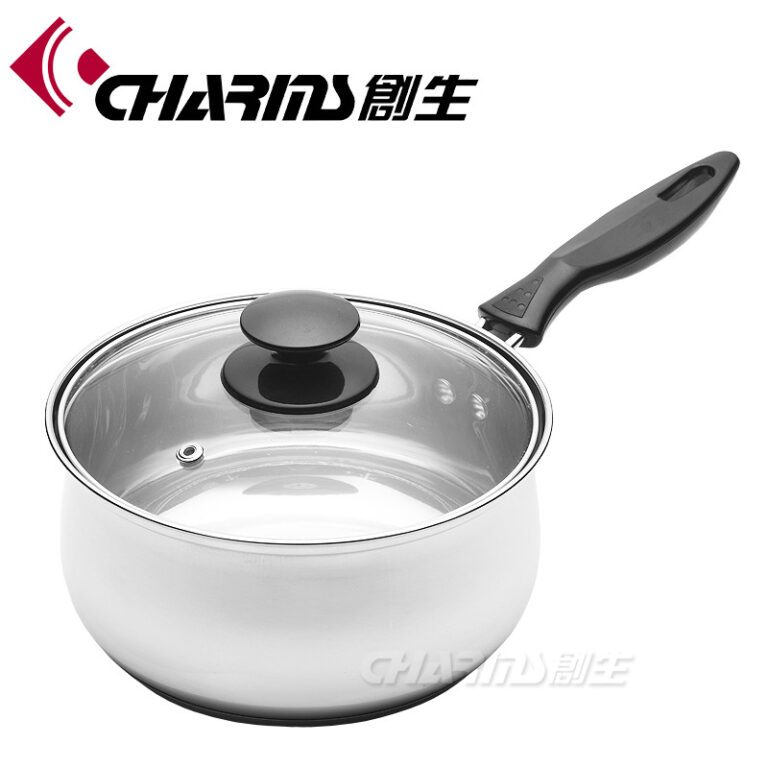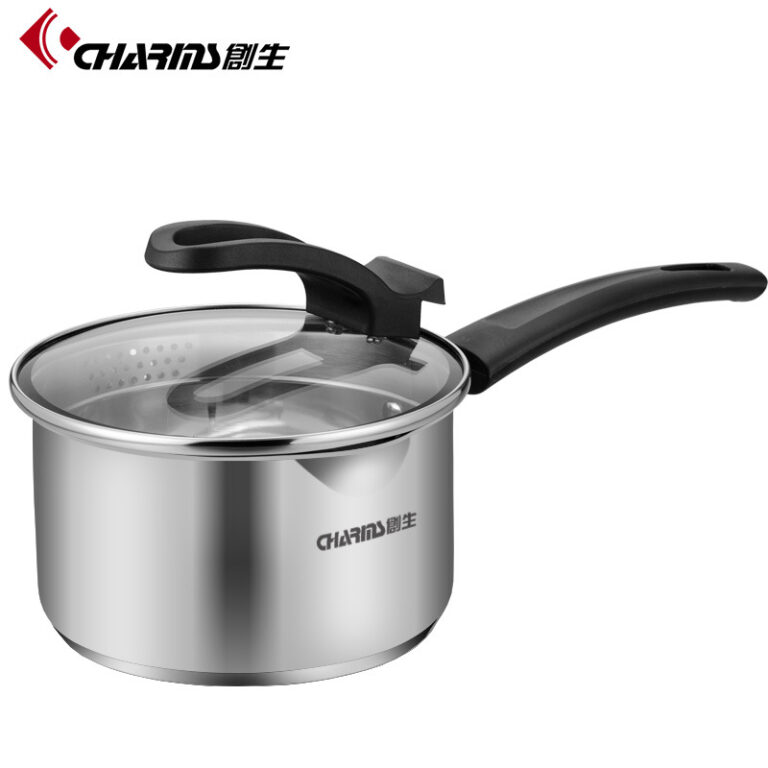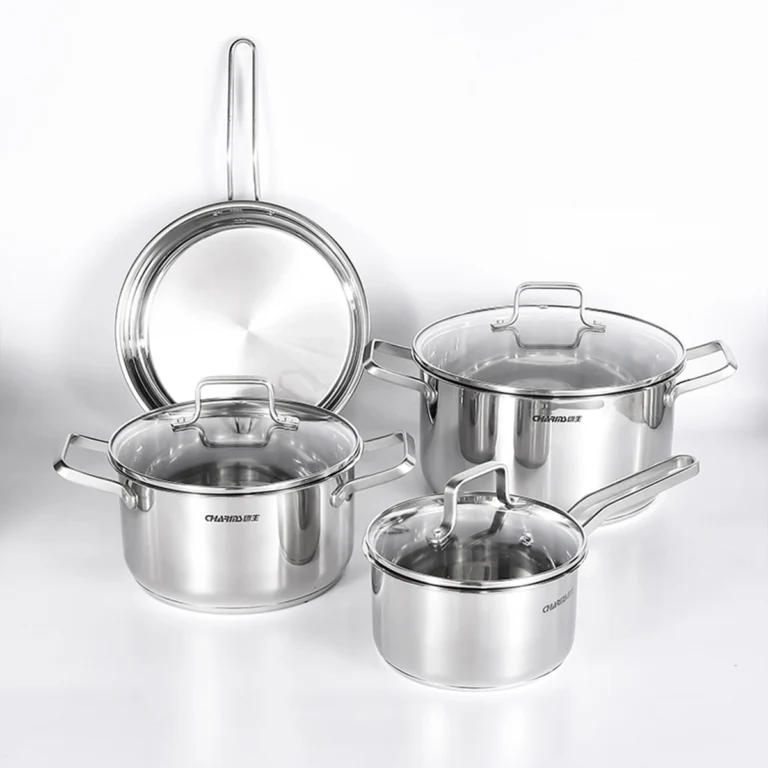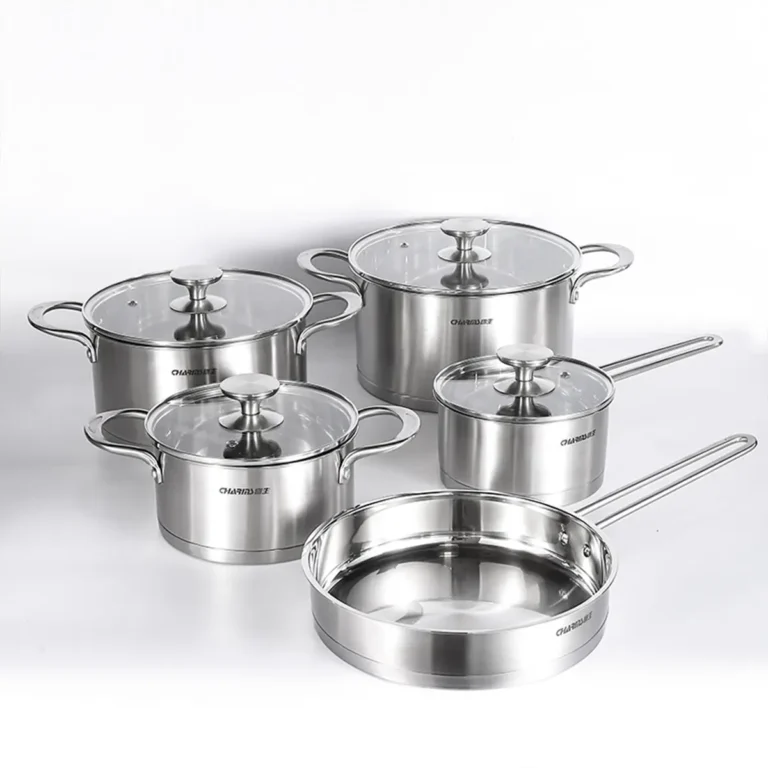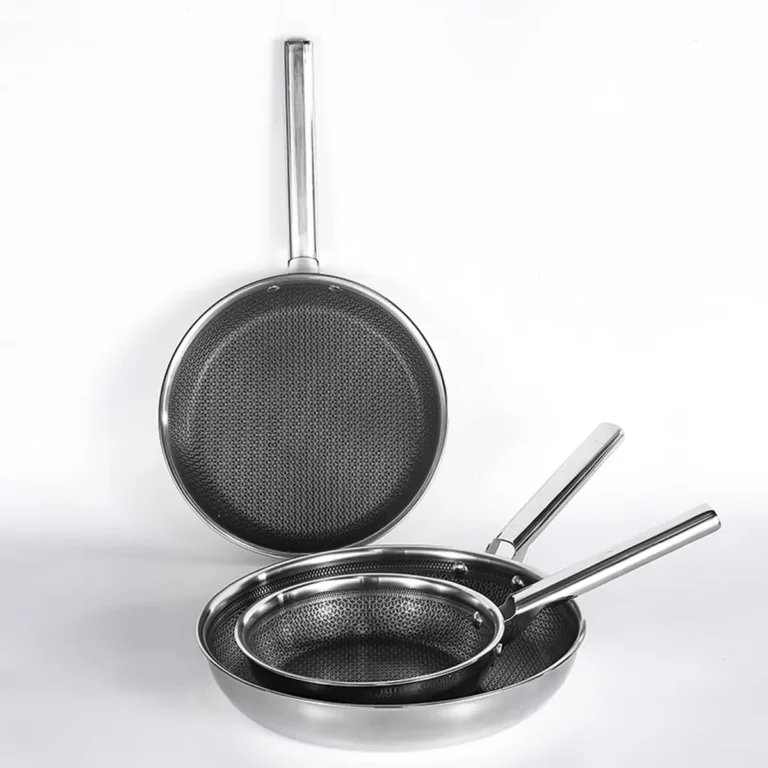

In today’s highly competitive kitchenware market, choosing the right kitchenware is not merely about picking the design you like. Whether you are developing a new product line or upgrading an existing one, the quality, functionality, and reliability of the kitchenware will directly affect the customer’s experience with your brand.
Customize your kitchenware from experienced manufacturers, and you can control every aspect, from materials, structure, to surface treatment and brand identification, ensuring that each product meets the highest standards. In this guide, we will take you through the elements of kitchenware reliability, the importance of customization, how to evaluate manufacturers, and how to choose the ideal partner.
What Makes Custom Kitchenware Reliable? Definitions and Key Criteria
If you are looking for a kitchenware manufacturer, how can you determine whether it is reliable? I have listed some key points below.
- Material consistency: Stainless steel materials, such as 304 or 316, are generally highly trusted. However, their reliability also depends on the uniformity of thickness and the correctness of the processing techniques. Well-formed materials can reduce deformation and ensure stable cooking performance.
- Structure and Balance: A sturdy handle, a fitting pot lid, smooth edges, and balanced weight all contribute to the feel of the cooking utensil during actual use. These details reflect the exquisite manufacturing process rather than the superficial design.
- Uniform heat conduction properties help to better control the cooking process and protect the cookware itself. Multi-layer or coated bottoms are usually used to ensure the stability of the cookware under different heat sources.
- Production consistency: Only when each batch of products maintains the same standards can high-quality samples be valuable. Reliable manufacturers will strictly control tolerances and surface treatments to ensure the repeatability of quality.
- Clear standards and verification: Clear regulations, safety compliance, and visible quality checks reduce uncertainty and help build long-term trust between buyers and sellers.
These factors will all affect the reliability of custom-made kitchenware, making it perform well and last long during daily use, and boosting the confidence of users.
Why Choose Custom Kitchenware?
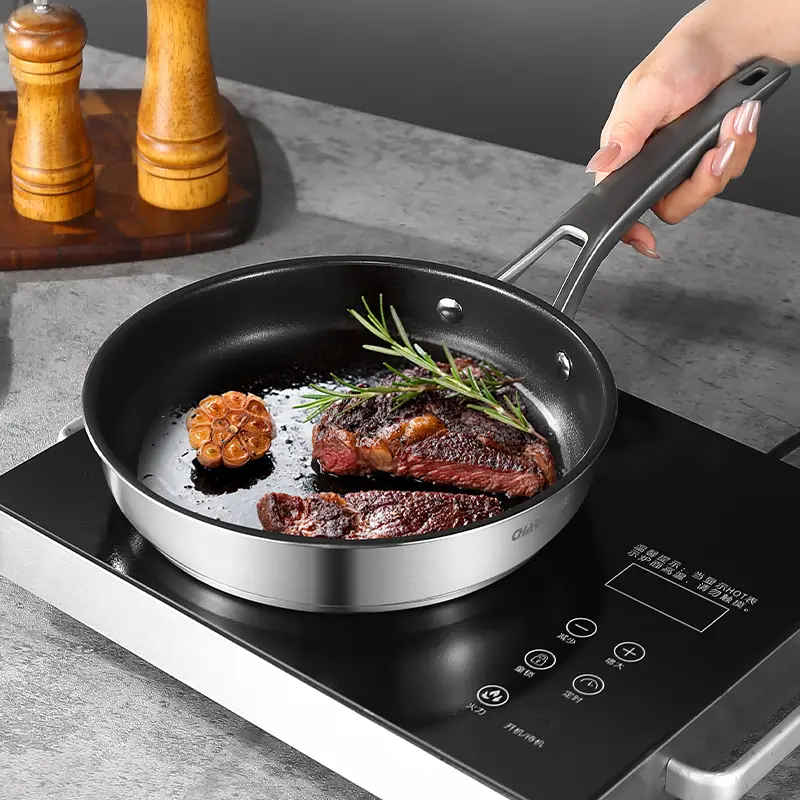
Custom kitchenware gives you real control over how a product is made and how it performs. Instead of adjusting your expectations to fit ready-made items, you decide the materials, dimensions, surface finishes, and visual details from the start. This level of control makes it easier to create cookware that feels purposeful and distinct, especially in a crowded market. You might choose a tri-ply stainless steel construction with an aluminum core for more responsive heat, or a reinforced non-stick surface designed to last through frequent use.
Customization also shows up in everyday functionality. Details such as riveted or welded handles, tempered glass lids, stackable shapes, or induction-compatible bases directly affect how the cookware is used and stored. These choices may seem small, but they often determine whether a product feels thoughtful or ordinary once it reaches the kitchen.
Visual identity is another area where customization makes a clear difference. Subtle elements like embossed logos, engraved marks, or tailored packaging help establish a more refined and consistent product image. For users who care about craftsmanship and presentation, these details often influence purchasing decisions more than price alone.
Custom kitchenware also makes it easier to respond to changing preferences. Demand continues to grow for safer coatings, lighter structures, and cookware that performs efficiently on modern induction stoves. Working with a manufacturer that understands these shifts allows your product line to evolve without constant redesign.
Choosing custom kitchenware is less about adding features and more about shaping a product that fits its purpose, performs reliably, and meets real market expectations—without being limited by generic designs.
How to Evaluate a Manufacturer’s Experience in Custom Kitchenware
Experience is often the most reliable indicator of a manufacturer’s ability to deliver high-quality products. Here’s how to assess it:
- Track Record: Look for manufacturers with a proven history in stainless steel cookware and multi-product lines. A company producing for both domestic and international markets demonstrates versatility and quality consistency.
- Certifications: Regulatory compliance matters. FDA, LFGB, ISO, and SGS certifications indicate that the manufacturer meets international safety and quality standards. Certifications are especially important for materials like stainless steel and non-stick coatings.
- Production Facilities and Technology: Advanced equipment and automated production lines increase precision, reduce defects, and accelerate scaling. For example, high-quality stamping machines and electro-polishing equipment enhance the surface finish of stainless steel pots and pans.
- Customization Capabilities: A reliable manufacturer can offer flexible solutions, including various handle materials, lid types, coating options, and sizes. They can guide material selection, suggest design improvements, and accommodate special packaging requirements.
- Sample and Prototype Quality: Manufacturers should provide accurate prototypes or samples reflecting the final product. A well-prepared sample reveals production capability and attention to detail.
- Customer References: Even without public case studies, manufacturers should be able to provide references or examples of successful product lines. Positive feedback from other clients demonstrates trustworthiness and reliability.
Recommended Custom Kitchenware Manufacturers in China
| Manufacturer | Location | Main Products | Notes |
|---|---|---|---|
| CharmsCook | Chaozhou | Stainless steel cookware, fry pans, pots, steamers, cookware sets | 30+ years experience, FDA/LFGB certified, OEM/ODM supported |
| Yongyu Kitchenware | Guangdong | Cookware sets, frying pans, woks | Flexible MOQ, strong export focus |
| PureCook | Zhejiang | Non-stick cookware, saucepans | Offers custom coatings and finishes |
| TopTrade Sourcing | Jiangsu | Multi-layer stainless steel pots, utensils | Focus on global export and branding |
| UtensilMFG | Guangdong | Kitchen utensils, specialized tools | Supports custom sizes, logo engraving, and packaging |
| Kimberi | Zhejiang | Cookware, storage containers | Prototype support and bulk production |
| ChefMaster | Shanghai | Professional-grade stainless steel sets | 30+ years of experience, FDA/LFGB certified, OEM/ODM supported |
How to Choose Among Multiple Kitchenware Manufacturers
- Define Product Specifications: Detail material grade, thickness, weight, and any functional requirements such as induction compatibility or oven safety.
- Compare Experience and Certifications: Ensure each manufacturer meets necessary quality standards and has a proven track record in similar projects.
- Assess Production Capabilities: Evaluate equipment, production capacity, and technology. Manufacturers with advanced machines and skilled teams can maintain consistent quality across large orders.
- Check Customization Flexibility: Verify their ability to handle custom finishes, colors, packaging, and branding.
- Request Samples: A high-fidelity sample demonstrates both material quality and craftsmanship. Pay attention to uniformity, finish, and ergonomics.
- Communication and Responsiveness: Efficient communication prevents misalignment, reduces errors, and ensures deadlines are met.
- Logistics and Lead Time: Assess minimum order quantities (MOQs), production timelines, and shipping capabilities. Reliable delivery schedules are critical for maintaining inventory and market presence.
Conclusion
When you are looking for a suitable custom kitchenware manufacturer, it’s not about blindly pursuing the lowest price or the most eye-catching product catalogue. Instead, you need to find a partner who not only understands the technical requirements but also is familiar with the actual situation of product launch. Material quality, production stability, and clear communication are far more important than empty promises.
You need to take the time to review the relevant certifications, request samples, and assess the manufacturer’s response speed during the initial communication. Although these steps may seem simple, they can often reveal whether the supplier can support your long-term goals or will cause you unnecessary troubles in the future. The competition in the custom kitchenware market is fierce. Successful manufacturers view quality control and customer relationships as continuous commitments, rather than just completing tasks.
If you are looking for custom-made kitchenware, please contact us. We are a manufacturer with over 30 years of experience in China.