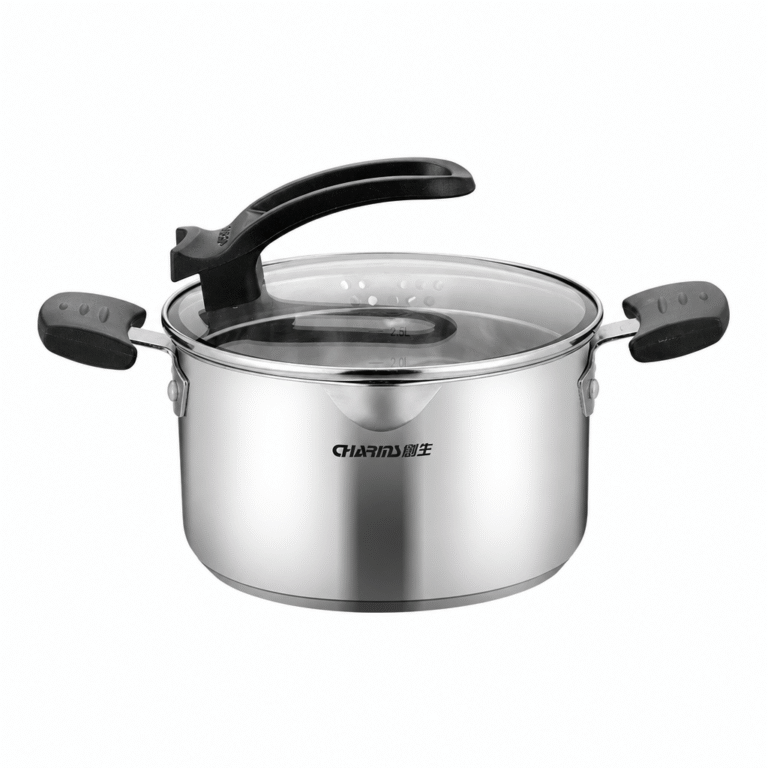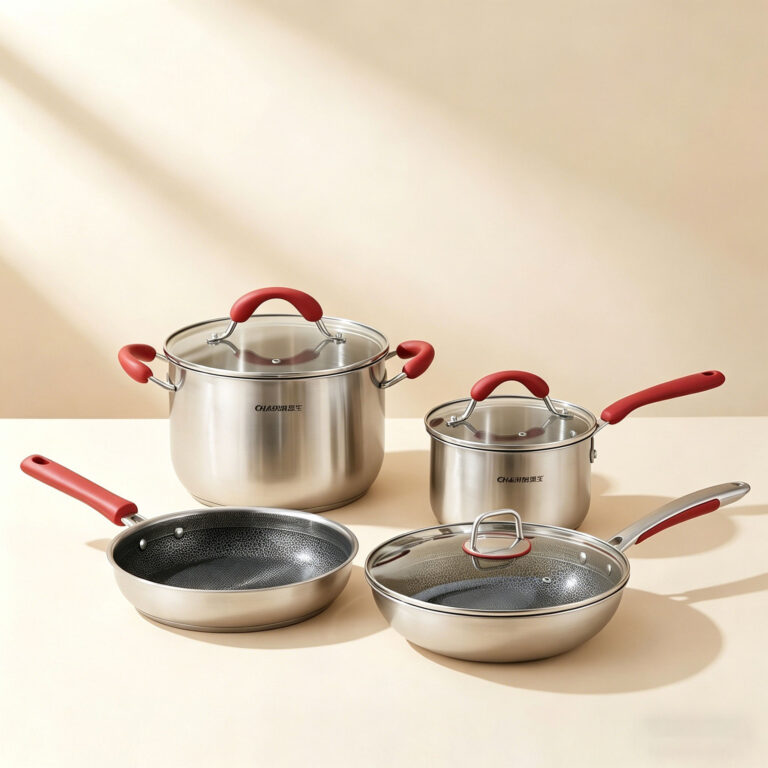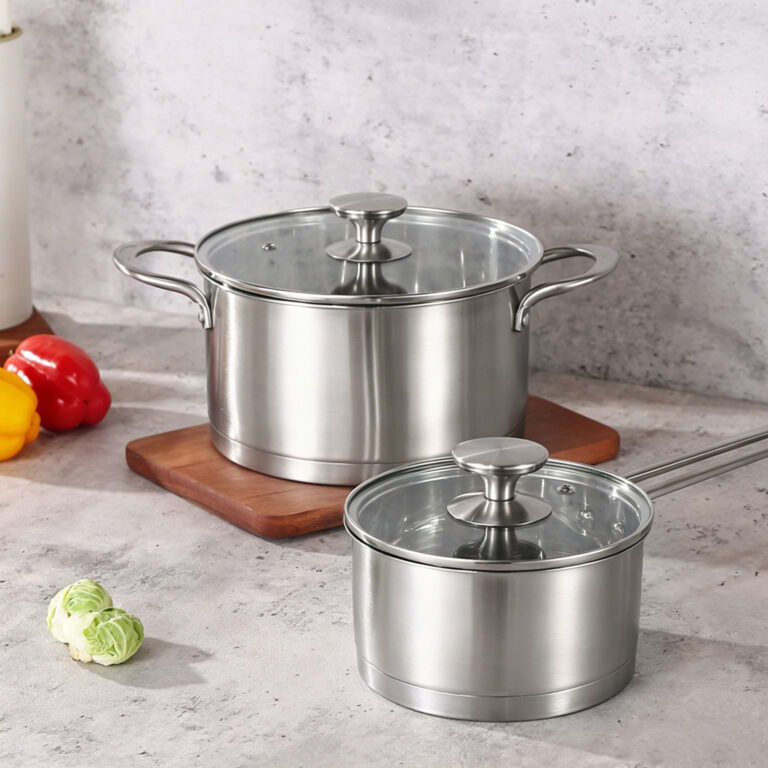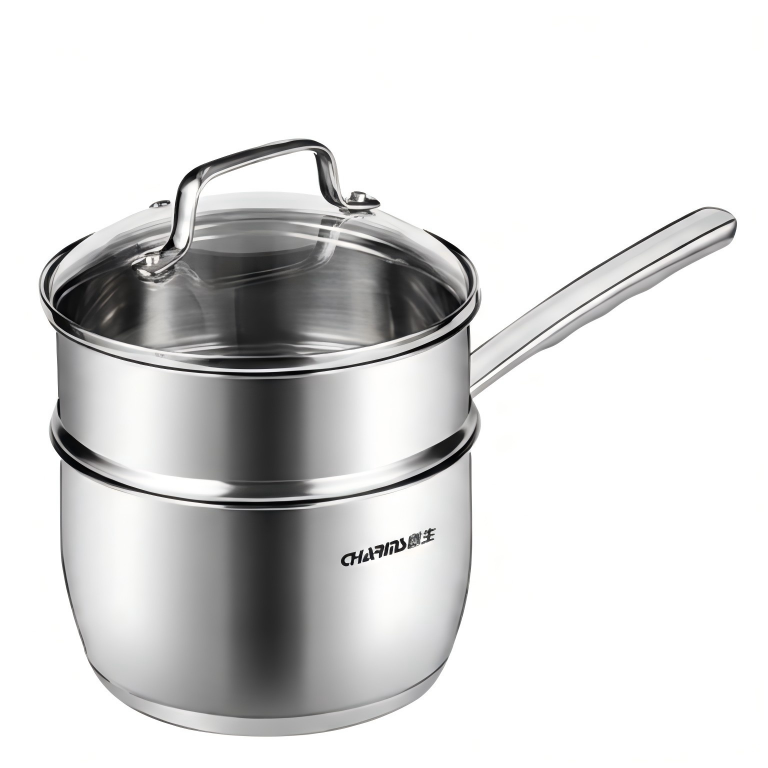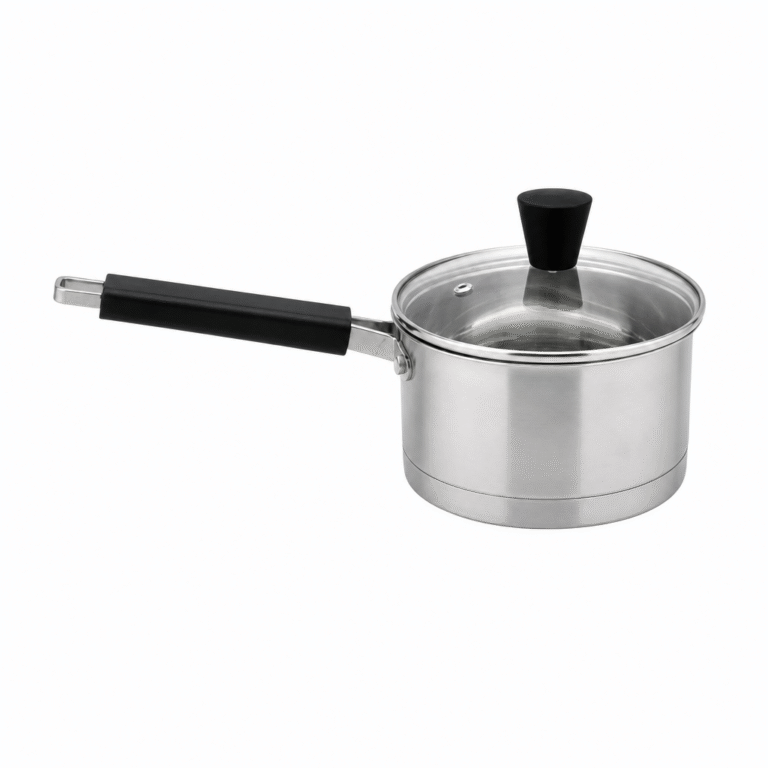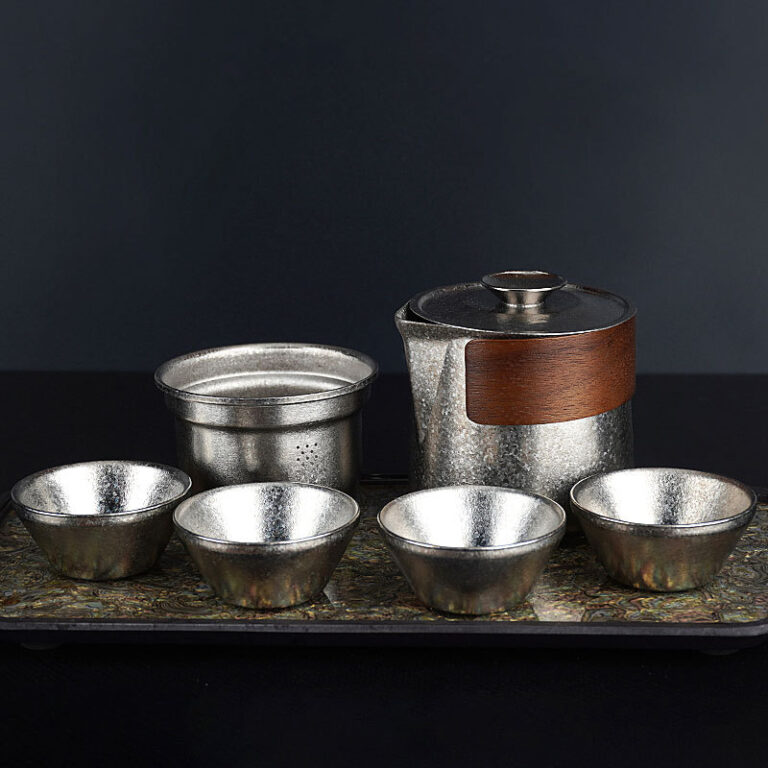


When choosing stainless steel kitchenware, people often struggle with how to select between 304 and 316. Both types of stainless steel are widely used in the food industry, but their characteristics are completely different. These characteristics will affect the performance, service life and suitability for different types of food of kitchenware. Let’s take a detailed look at these two materials, compare their characteristics, and see which one is the true leader in the kitchen.
1. 304 Stainless Steel Cookware
304 stainless steel is everywhere—and for good reason. It’s the workhorse of kitchens around the world. Imagine a pan that you grab every morning to fry eggs or simmer sauces. That’s usually 304. It’s made of iron, chromium, and nickel, which gives it a balance of strength and corrosion resistance.
From my experience, 304 handles almost everything you throw at it: tomatoes, vinegar, citrus, even wine reductions. It’s smooth, non-porous, and easy to clean. You won’t worry about bacteria hiding in the surface.
304 is versatile. It’s not the “specialist,” but it’s the reliable everyday partner in the kitchen. You can trust it to perform without fuss.
2. 316 Stainless Steel
Now, 316 stainless steel is like the “premium” sibling. It has molybdenum, which makes it resistant to harsher environments—think salty seafood dishes or prolonged exposure to acidic sauces.
In kitchens where food sits marinating for hours or where brines are part of the recipe, 316 doesn’t just survive; it thrives. It resists pitting and corrosion better than 304. That extra protection comes at a higher cost, but if your cooking routine pushes the limits of acidity or salt, it’s worth it.
I’ve worked in kitchens where chefs notice subtle differences over time. With 316, pans stay shiny and smooth longer, even with heavy use and frequent cleaning. That’s something 304 can handle too—but it might show signs of wear sooner.
3. Corrosion Resistance: 304 vs 316
Let’s get practical. Both 304 and 316 resist rust and staining. But if your recipes are aggressive—think tomato-heavy dishes, pickling, or seafood—you’ll notice 316 holds up better.
304 is fine for everyday cooking. But prolonged exposure to salt or strong acids can eventually leave marks. 316, with its molybdenum, forms a shield that keeps the surface intact. For chefs or food enthusiasts, that means consistent quality and less worry about tiny chemical reactions affecting taste or safety.
4. Heat and Acid/Alkali Resistance
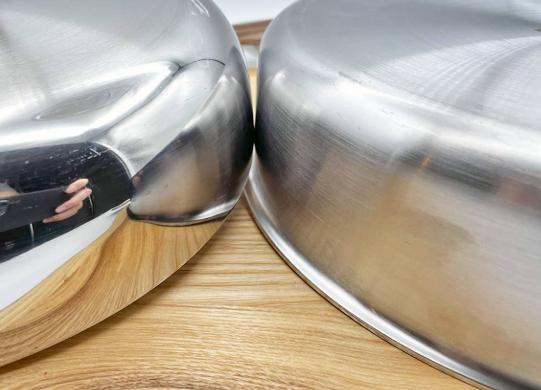
Cooking isn’t just about corrosion; it’s also about temperature. 304 handles normal cooking like a champ—boiling, simmering, sautéing. But extreme heat or long contact with acidic foods can slightly discolor the surface over time.
316 takes it a step further. It can handle high heat, acidic marinades, and even some alkaline solutions without compromise. In my kitchen experience, that means you can cook tomato-based sauces for hours or work with pickles without worrying about metal leaching or damage to your cookware.
5. Cleaning and Maintenance
Cleaning stainless steel should feel easy. Both 304 and 316 are dishwasher safe and resist staining. But here’s the subtle difference: 316 keeps its polished look longer, especially under frequent scrubbing or exposure to harsh cleaning agents.
Think of it this way: 304 might need a bit more attention to stay pristine. 316, thanks to its enhanced corrosion resistance, is more “hands-off.” Over time, that saves effort—and that matters when you’re busy cooking every day.
6. Which Material is More Suitable for Food?
So, which one should you pick?
- 304 Stainless Steel: Great for everyday cooking, most sauces, and general use. Reliable, cost-effective, and versatile.
- 316 Stainless Steel: Ideal for acidic, salty, or long-cooking recipes. Perfect if you want cookware that stands the test of time under more demanding conditions.
From my perspective, most kitchens thrive with 304. But if your recipes push boundaries—think seafood brines, heavy pickling, or prolonged acidic sauces—316 is a safer bet.
7.Conclusion
Choosing between 304 and 316 stainless steel isn’t just a technical decision; it’s about understanding how you cook.
304 gives you versatility, affordability, and reliability. 316 gives you extra protection and longevity, especially in challenging conditions. Knowing the differences allows you to select cookware that suits your food, your kitchen, and your peace of mind.
picking the right material means you can focus on cooking, creating flavors, and enjoying the process—without worrying about your tools.
If you are looking for stainless steel cookware manufacturers, please contact us!