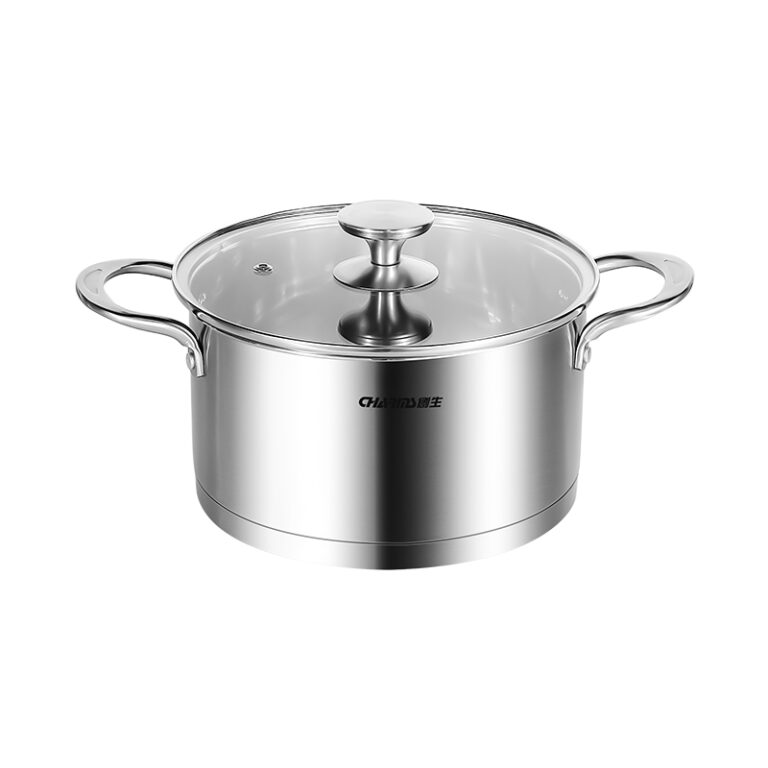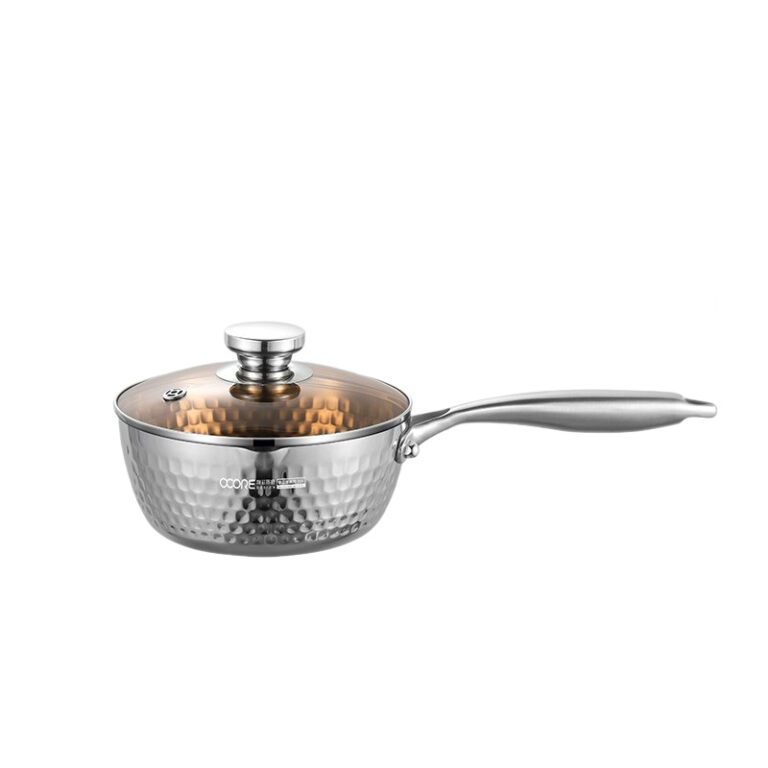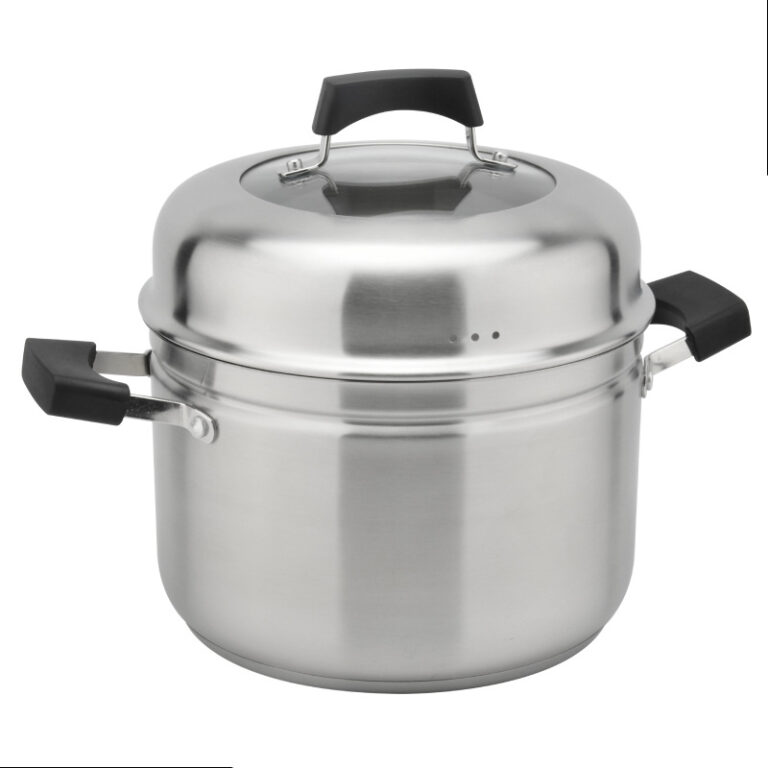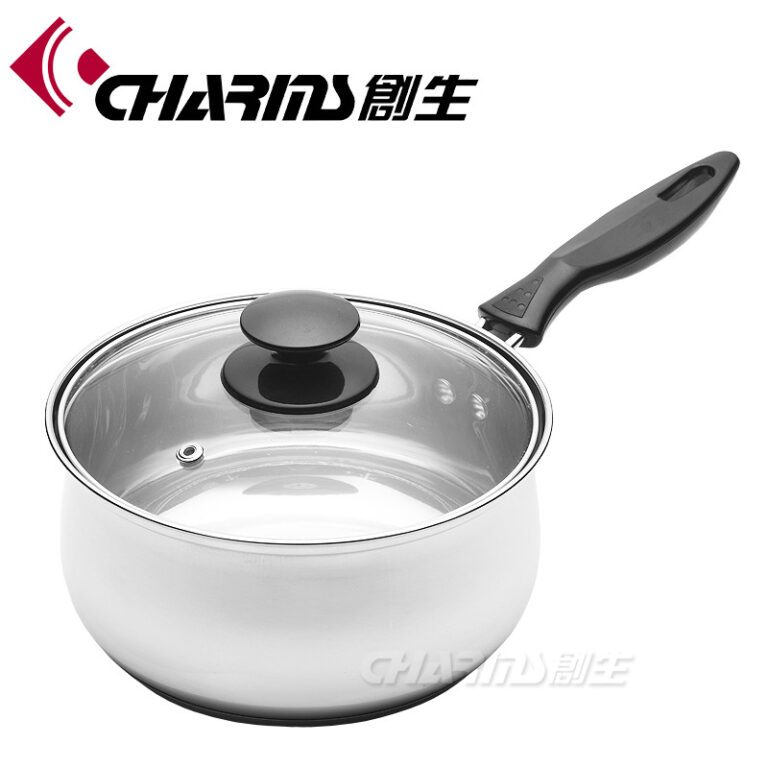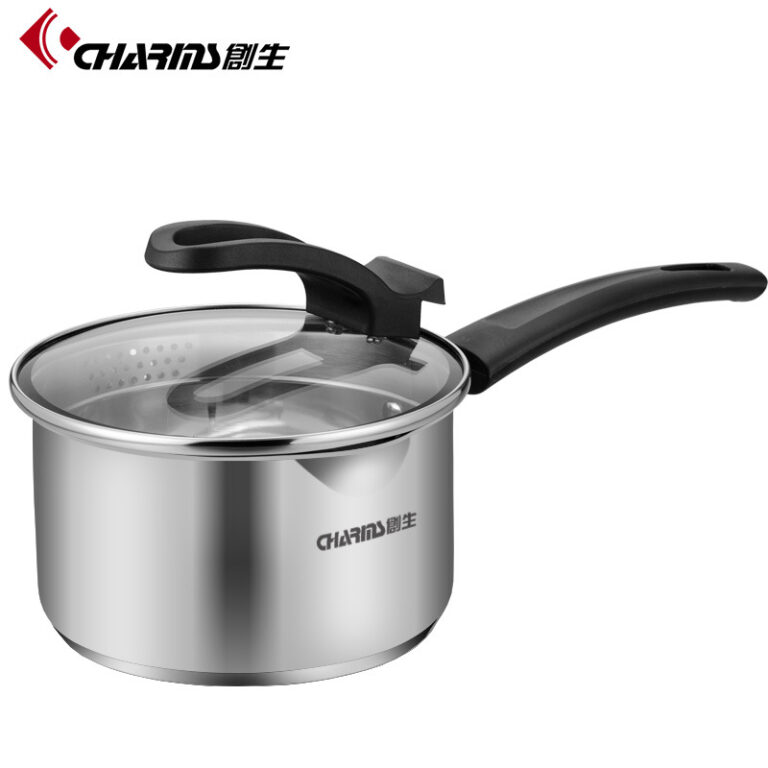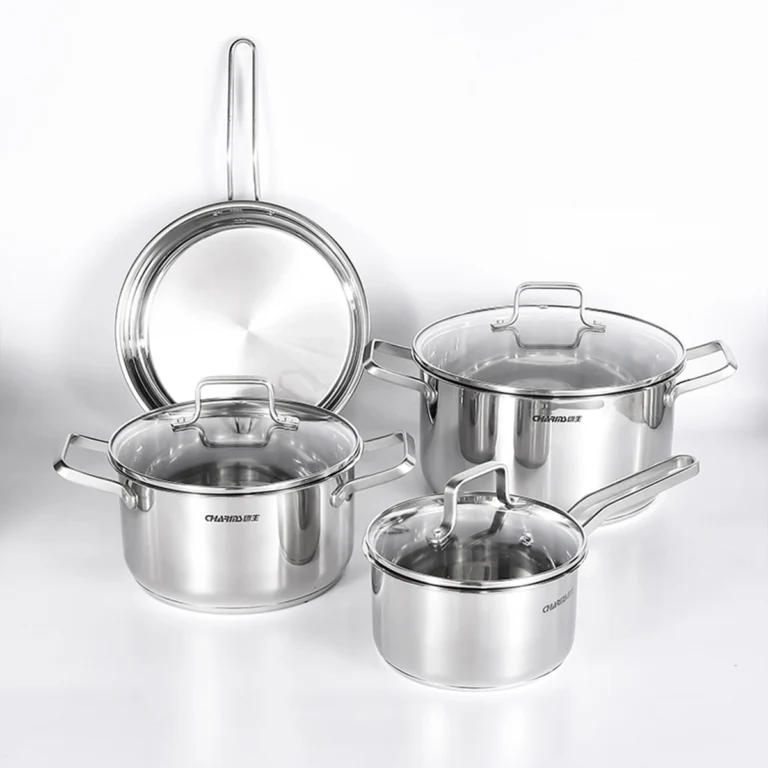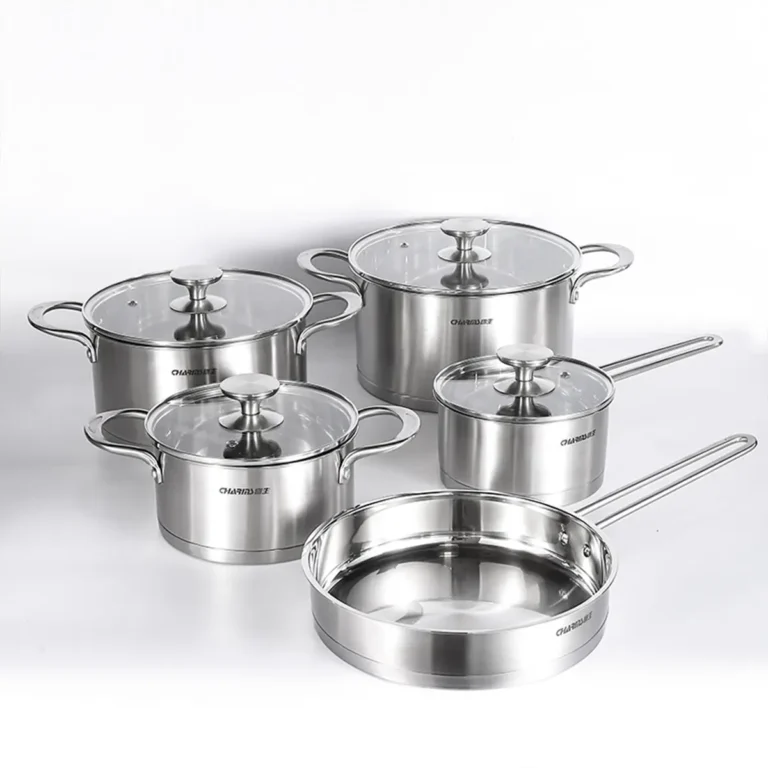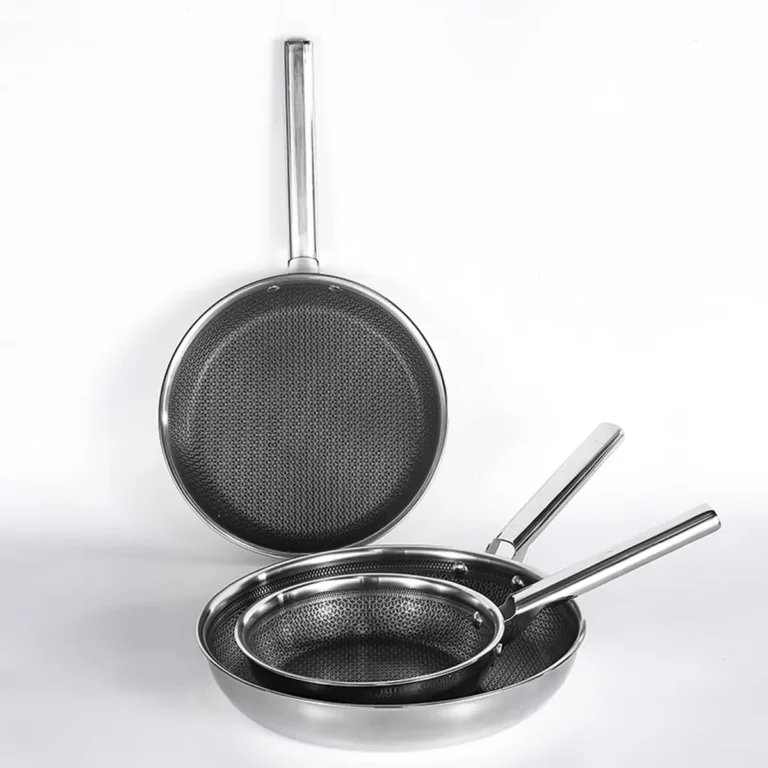

In daily life, stainless steel pans are almost present in every kitchen, whether it is a home kitchen or a professional restaurant. It is sturdy and durable, easy to clean, and adaptable to various cooking methods. However, many people have doubts when using it: Is it really healthy to cook with a stainless steel pot?
In this article, I will take you through a comprehensive understanding of stainless steel pans from aspects such as material, healthiness, usage methods, and comparisons with other cookware, allowing you to enjoy delicious cooking while also eating with greater peace of mind.
1.What is a Stainless Steel Pan?
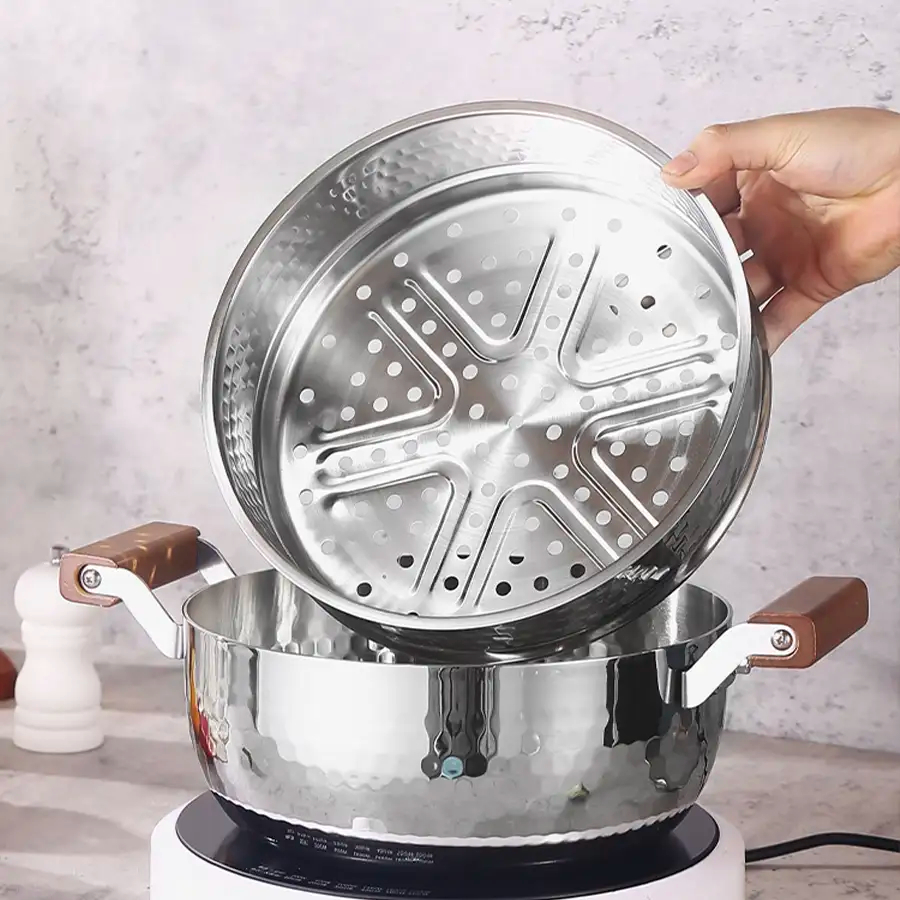
Stainless steel cookware is mainly made of iron, supplemented with chromium, carbon, and sometimes nickel or other metals. This unique composition endows stainless steel with durability, rust resistance and a bright, professional texture. Unlike non-stick pans that rely on coatings to prevent wear and tear, the surface of stainless steel is inherently very strong, making it an ideal choice for long-lasting durability.
Most stainless steel cookware adopts a multi-layer structure design, usually with an aluminum or copper core sandwiched between the stainless steel layers. This structure can enhance thermal conductivity, prevent local overheating, and achieve uniform heating. Professional-grade cookware may have three, five or even more layers, providing precise temperature control for cooking delicate or complex dishes.
The multi-functionality of stainless steel cookware is unparalleled. You can use the same pot for various cooking methods such as frying, stir-frying, stewing and simmering without worrying about damaging the surface of the pot. It is precisely this multi-functionality that makes stainless steel POTS an essential choice in both professional kitchens and home cooking environments.
2.Health Analysis of Stainless Steel Cookware
A common question is whether stainless steel pans are healthy for cooking. The answer is largely positive. Stainless steel is considered one of the safest cookware materials because it is non-reactive. This means it does not chemically interact with acidic foods such as tomatoes, vinegar, or citrus, which could otherwise affect flavor and safety.
That said, small amounts of nickel and chromium can migrate into food during cooking, especially when the pan is new or when cooking highly acidic dishes for extended periods. For most people, these amounts are minimal and pose no health risks. Only individuals with severe nickel allergies might need to take extra caution.
Scientific research consistently supports the safety of stainless steel. Trace metal migration does occur, but it is negligible compared to everyday dietary sources. Unlike non-stick coatings that can degrade and release potentially harmful substances, stainless steel maintains its integrity over time.
Additionally, stainless steel preserves the nutritional content of food. Since it does not react with ingredients, vitamins and minerals remain largely intact. This makes stainless steel an ideal choice for those who care about both safety and nutrition in their cooking.
3.Best Practices for Using Stainless Steel Pans
Even though stainless steel is safe and durable, proper usage enhances performance and extends the lifespan of your cookware. Here are essential tips:
- Preheat Slowly: Gradually heating your pan ensures food cooks evenly and reduces sticking.
- Use Oil or Butter: Stainless steel is not naturally non-stick. A small amount of fat prevents food from sticking and burning.
- Be Cautious with Acidic Foods Initially: New pans may release trace metals with acidic dishes. After several uses, this effect diminishes.
- Proper Cleaning: Although dishwasher-safe, hand washing with warm water, mild detergent, and a soft sponge keeps the surface smooth and shiny.
- Avoid Abrasive Tools: Steel wool or harsh scrubbing pads can scratch the pan. Non-abrasive tools are best.
Following these guidelines ensures your pans remain safe, effective, and visually appealing for years.
4. Why Chefs Prefer Stainless Steel
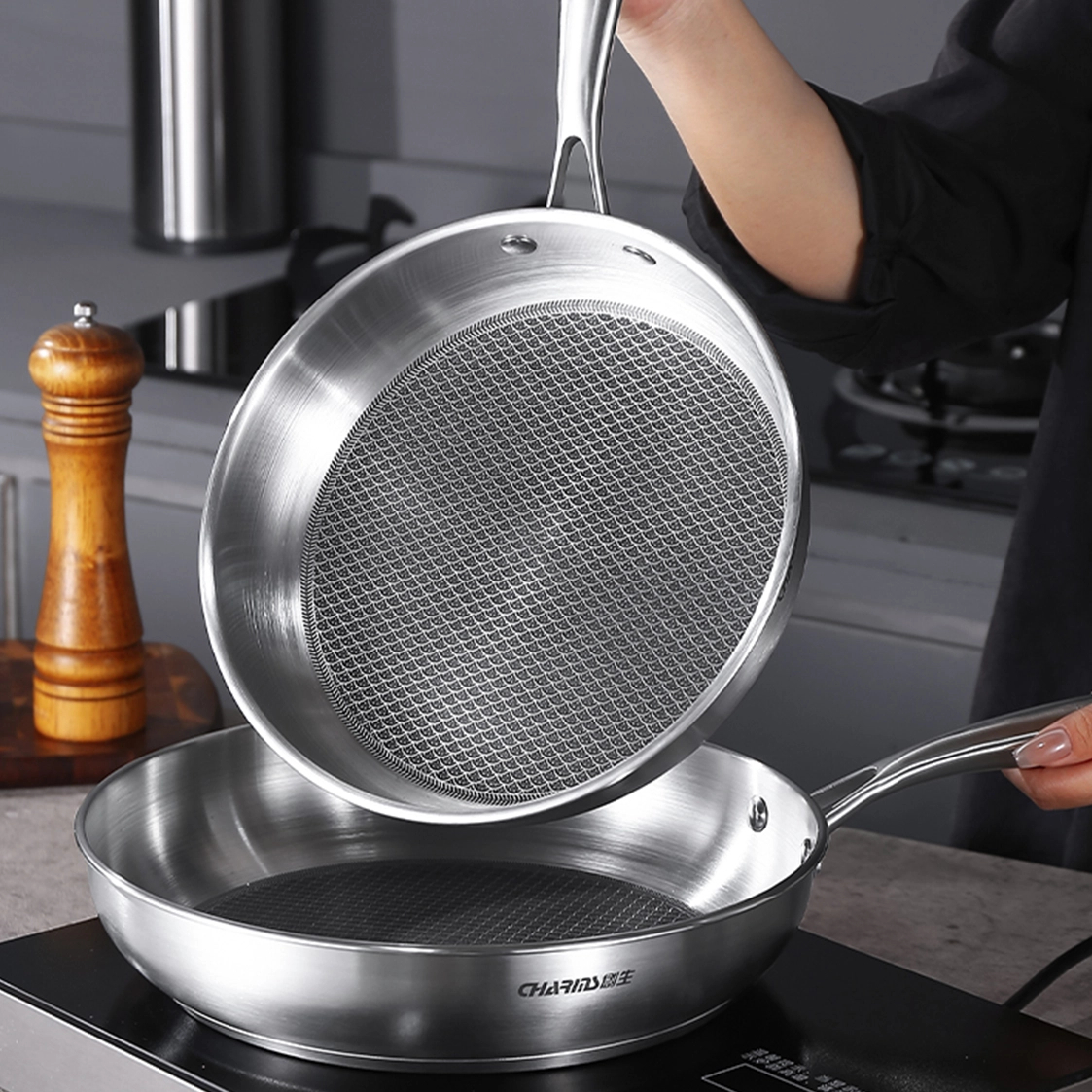
Professional chefs often choose stainless steel pans, and the reasons go beyond aesthetics. The most critical factor is heat control. Stainless steel heats evenly and responds quickly to temperature changes, allowing precise searing, simmering, and sauce reduction. Consistent heat distribution prevents burning and ensures predictable results—crucial in high-pressure kitchen environments.
Versatility is another reason. A single stainless steel pan can handle multiple cooking techniques, from browning meats to finishing delicate sauces. Unlike non-stick options, stainless steel withstands high temperatures, heavy stirring, and constant use without warping or losing performance.
Durability also matters in professional kitchens. Stainless steel pans endure daily heavy use, high heat, and frequent washing, making them a long-term investment in both functionality and safety. For chefs, the reliability and consistent performance of stainless steel are indispensable.
5.Comparison with Other Cookware Materials
| Cookware Material | Heat Conductivity | Durability | Reactivity with Food | Maintenance | Health Considerations | Best Uses |
|---|---|---|---|---|---|---|
| Stainless Steel | Moderate (improved with layered cores) | Very high | Non-reactive | Low, easy to clean | Safe; trace metals (nickel, chromium) may migrate minimally | Searing, sautéing, deglazing, boiling |
| Non-stick (PTFE/Teflon) | Moderate | Moderate | Non-reactive | Medium; avoid high heat and metal utensils | Safe if coating intact; can degrade at high heat | Low-fat cooking, delicate foods |
| Cast Iron | Low to moderate | Very high | Can react with acidic foods | High; requires seasoning to prevent rust | Adds dietary iron; safe with proper seasoning | Frying, slow-cooking, searing |
| Copper (lined) | Excellent | Moderate | Highly reactive (needs lining) | Medium; polishing needed | Safe if lined; unlined copper can leach | Precise temperature cooking, sauces, candies |
| Aluminum (anodized) | Excellent | Moderate | Reactive unless coated | Medium; prone to scratches | Safe if anodized; raw aluminum can leach | General cooking, sautéing, baking |
6.Conclusion
Cooking with a stainless steel pot is both safe and practical, making it very suitable for daily cooking and slightly more complex dishes. It is not prone to react with food, can well retain the original flavor and nutrition of the ingredients, and its multi-layer structure ensures even heating and more controllable cooking. Although there may be a small amount of metal migration during cooking, the amount is very small and has basically no impact on health.
As long as you pay attention to some usage methods – such as appropriate preheating, adding a little oil, and proper cleaning – the stainless steel pot can maintain good performance and a long service life. Compared with other cookware, stainless steel strikes a good balance in terms of safety, durability and cooking efficiency.
A stainless steel pot is not only a practical kitchen tool, but also an investment that makes cooking easier, safer and more enjoyable. Choosing a stainless steel pot allows you to cook delicious food with greater peace of mind while safeguarding the health of your family.
Charms Cook is a leading manufacturer based in China’s “Hometown of Stainless Steel” – Caitang. With nearly 30 years of expertise, we specialize in premium stainless steel cookware, combining innovative technology with superior craftsmanship to deliver durable, elegant, and eco-friendly kitchen solutions.
If you are interested in us, please contact our team!