
Hey there! As someone who’s spent years immersed in the world of materials that touch our everyday lives – especially those glistening pieces in our kitchens – I can tell you there’s one question that pops up more often than you’d think: “Is stainless steel actually… safe?”
It’s a fantastic question, isn’t it? We use stainless steel constantly. From the pots and pans simmering on your stove to the water bottle you carry to work, and even the fork you’re eating with right now, it’s everywhere. And honestly, it should make us pause and wonder. After all, if it’s touching our food and drink, we want to know it’s not quietly causing us harm. Let’s pull back the curtain and chat about this, expert to curious individual.
Why Does Stainless Steel Show Up Everywhere, Anyway?
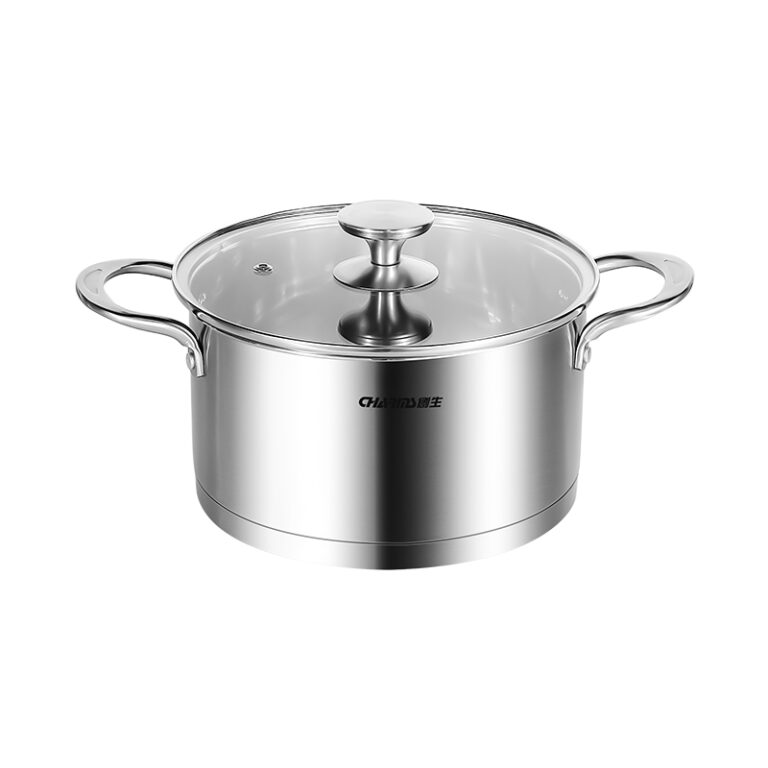
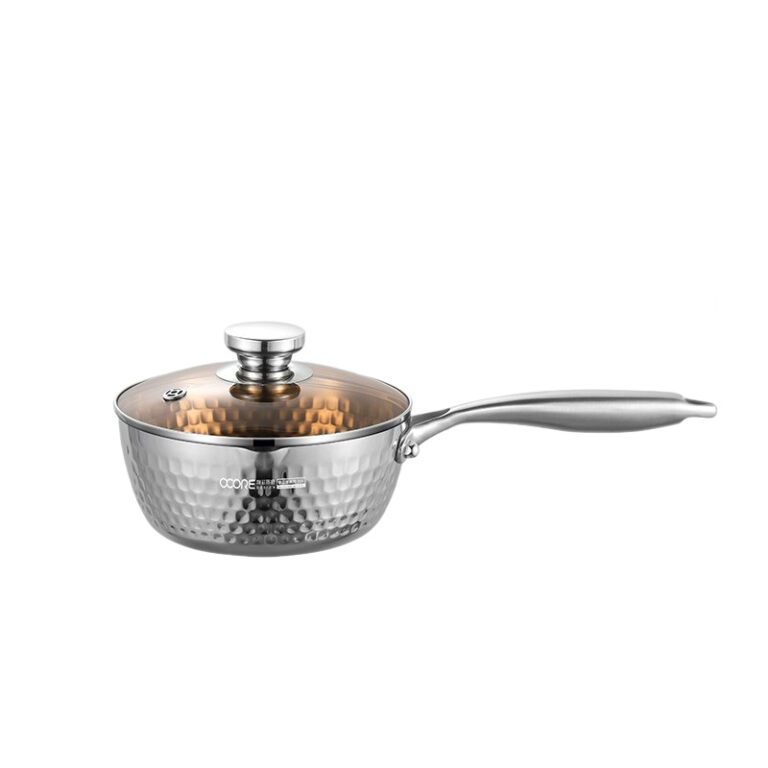
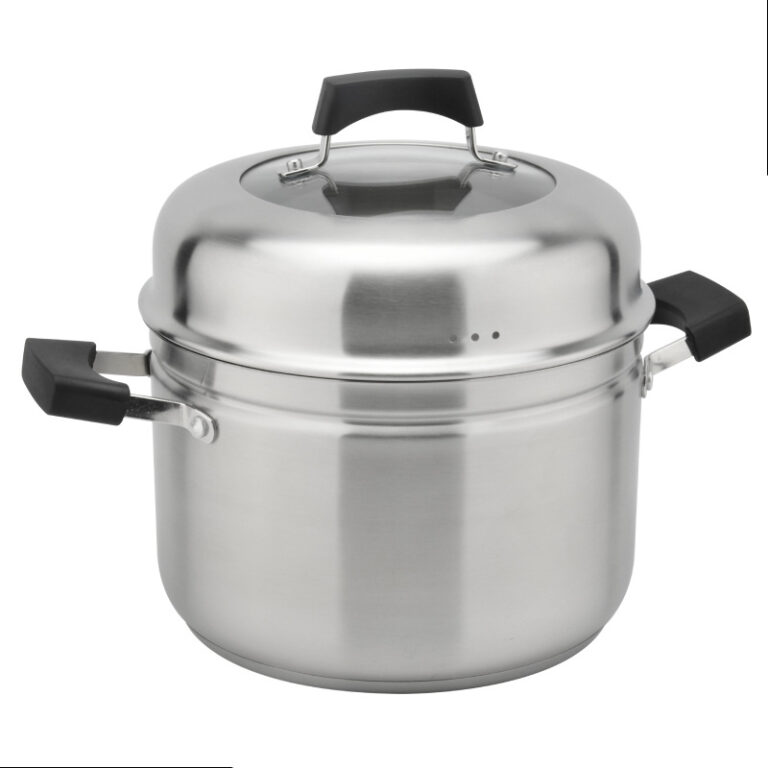
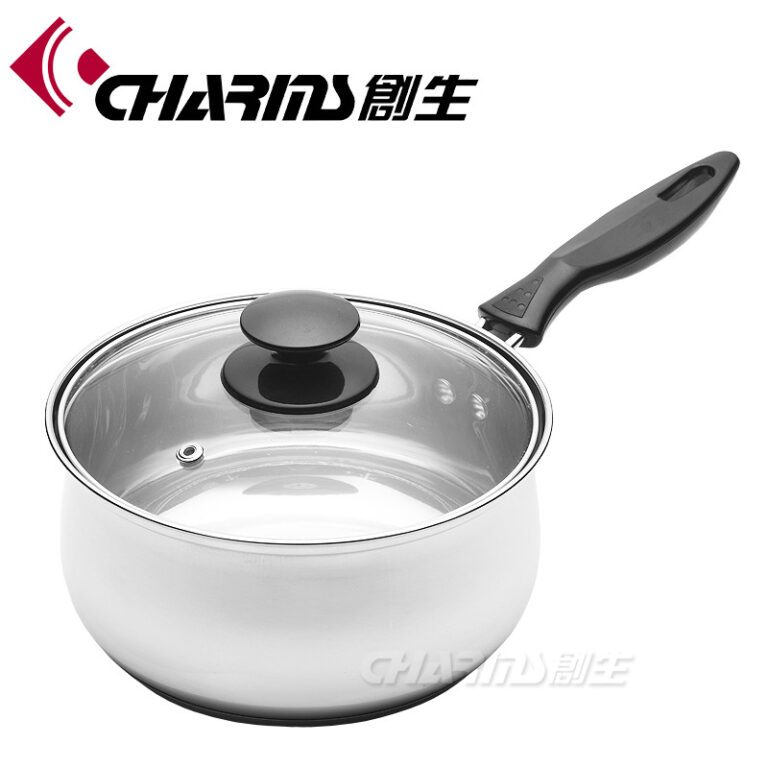
You know, it’s not just a trend. Stainless steel’s widespread use is a story of incredible practicality and smart design. Why do we see it so often, and why do brands like Charms cook lean on it so heavily?
First off, have you ever noticed how your stainless steel pot just… doesn’t rust? That’s its superpower! It’s got this invisible shield made of chromium oxide that constantly renews itself when exposed to air. It’s like a tiny, self-healing force field, protecting the metal underneath from rust, stains, and basically falling apart. That’s why it’s perfect for everything from the bustling restaurant kitchen to the surgical tools doctors use every day. We need materials we can trust, and stainless steel delivers.
Then there’s the hygiene factor, which, let’s be honest, is huge. Its surface is so incredibly smooth and non-porous. What does that mean for you? It means bacteria and grime can’t find tiny nooks and crannies to hide in. A quick wash, and it’s sparkling clean and sanitized. Imagine trying to achieve that level of cleanliness with, say, a porous wooden spoon every time you cooked. It’s just not practical! This ease of cleaning is why it’s the darling of hospitals and commercial food preparation.
And let’s not forget about its toughness. You can drop a stainless steel pan, bang it around a bit, and it just shrugs it off. It can handle high heat, cold, and the general chaos of a busy kitchen for years, even decades. This longevity means you’re investing in something that lasts, which is not only good for your wallet but also for our planet.
Finally, just look at it. It’s sleek, modern, and fits beautifully into almost any kitchen aesthetic. From a gleaming, polished finish to a subtle brushed look, it just works. It’s tough, clean, and looks good doing it – a pretty unbeatable combination, wouldn’t you say?
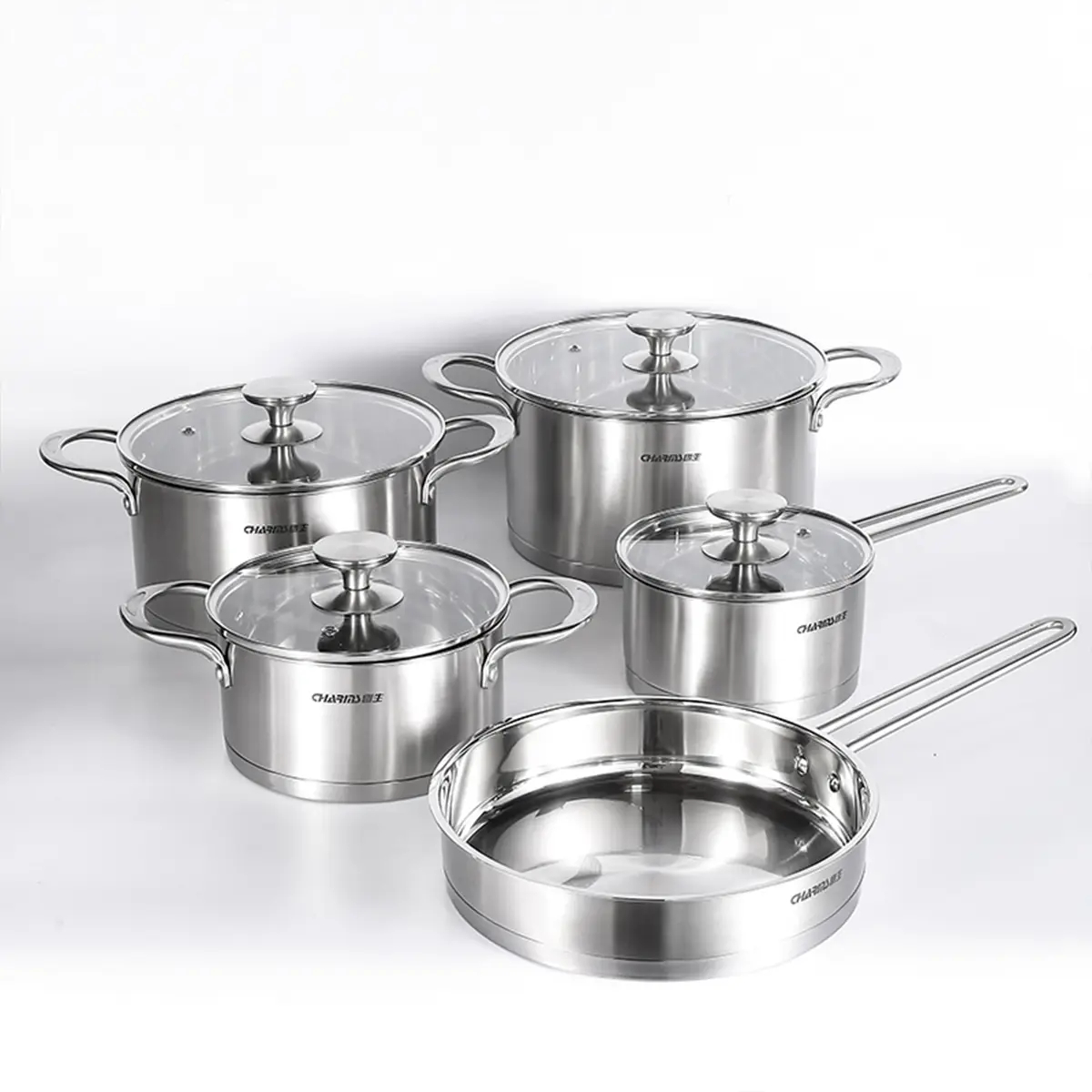
So, Does This Stuff Actually Leak Nasty Chemicals Into Our Food?
This is the big one, right? The thought of our cookware secretly releasing something harmful is genuinely unsettling. I hear you. But for the vast majority of us, using quality stainless steel in our daily lives, the answer is a comforting “no.”
Remember that self-healing shield I talked about? That chromium oxide layer? It’s not just for preventing rust; it’s also a fantastic barrier. It keeps the metals inside the steel from directly touching your delicious pasta sauce or your morning coffee. So, when you’re whipping up a meal in your favorite stainless steel pot, you’re not getting a side of mystery metals.
Now, let’s be real – nothing in life is absolutely 100% inert under every single conceivable circumstance. If you leave highly acidic foods (like a super-tart tomato sauce or some strong vinegar) sitting in a stainless steel pot for a really, really long time, especially if it’s hot, tiny amounts of elements like nickel and chromium might microscopically transfer.
But here’s the key takeaway, and it’s a crucial one: these amounts are typically so incredibly small that they’re practically negligible. We’re talking about levels well within the safe limits set by health experts globally. Your body actually processes trace amounts of these very same elements from all sorts of foods you eat every day. It’s like finding a grain of sand on a vast beach – it’s there, but it’s not going to change anything significant. So, for your everyday cooking and eating, you can absolutely breathe easy.
Is All Stainless Steel Created Equal When It Comes to Safety?
You know how there are different types of cars, even though they all get you from A to B? Stainless steel is kind of like that. It’s not just one thing; it’s a family of alloys, each mixed a little differently for specific jobs. And while they’re all generally safe, knowing the nuances helps you make smarter choices.
The two main “stars” you’ll see are 304 (often labeled 18/8 or 18/10) and 316 (sometimes 18/10/2). Those numbers refer to percentages of chromium and nickel, respectively.
-
304 stainless steel is your everyday champion. It’s got around 18% chromium and 8-10% nickel. This blend makes it fantastic for general kitchen use – think your everyday pots, pans, mixing bowls, and cutlery. It’s super resistant to corrosion and holds up beautifully. This is what you’ll find in most quality kitchenware, and it’s absolutely safe for your food.
-
316 stainless steel is like the upgraded version, often called “marine grade.” It has that same 18% chromium and about 10-12% nickel, but here’s the secret ingredient: molybdenum. This extra element makes it even more resistant to corrosive agents, especially things like salt. That’s why you see it in surgical instruments, lab equipment, and top-tier cookware. If you’re super concerned or often cook with very salty or acidic ingredients, 316 offers an extra layer of peace of mind.
Now, a quick note on nickel sensitivity: a small percentage of people have significant nickel allergies. While the nickel in stainless steel is bound tightly within the alloy, some very sensitive individuals might react to prolonged skin contact (like jewelry) or even the tiny, trace amounts that might leach under extreme circumstances. If that’s you, look for “nickel-free” options, like some 430 series stainless steels. They might not be quite as corrosion-resistant as the 300 series, but they offer an alternative.
Understanding these distinctions isn’t about fear; it’s about empowerment. It helps you recognize quality and choose the best material for your specific needs, much like how Charmscook ensures its products meet these specific high standards.
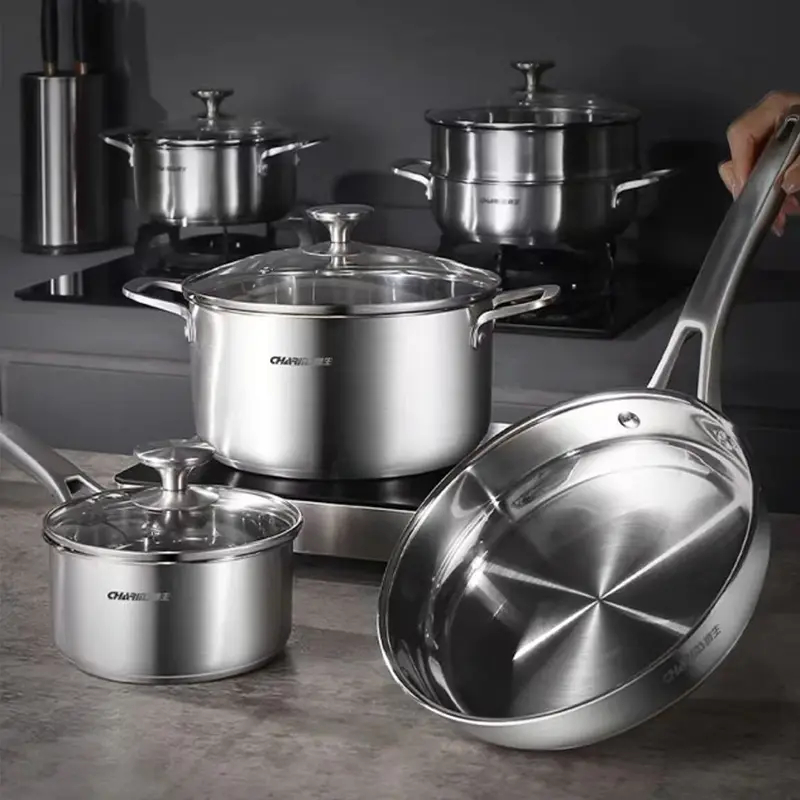
Can My Stainless Steel Pots or Water Bottles Really Add Heavy Metals to My Diet?
This is a really understandable worry, especially when we hear about “heavy metals” in the news. It conjures up images of serious health risks, and we absolutely want to avoid that.
But here’s the reassuring truth about stainless steel: it doesn’t typically contain the “bad actors” like lead, cadmium, or mercury that often come to mind when we talk about heavy metal contamination. The main metals in stainless steel are iron, chromium, and nickel.
-
Iron is actually an essential nutrient! Your body needs iron. While too much of anything isn’t good, the tiny amounts that could potentially leach from stainless steel are incredibly small – far less than you’d get from eating a steak or a bowl of fortified cereal.
-
Chromium is another essential trace element in its beneficial form (Cr3+). The chromium in stainless steel is in a stable, metallic form, not the harmful hexavalent chromium (Cr6+) you might have heard about in environmental news.
-
Nickel is the one that sometimes sparks the most discussion. Yes, as we’ve noted, truly minute quantities can sometimes leach. But again, countless studies have confirmed that these levels are so low they fall comfortably within all global safety guidelines for dietary intake.
Think of it this way: your body is constantly processing trace elements from the water you drink, the soil your vegetables grow in, and the air you breathe. The contribution from a quality stainless steel pot or water bottle is typically a truly minuscule addition to that natural, everyday exposure. When you choose trusted brands that use food-grade stainless steel, you’re making a choice that poses virtually no heavy metal risk. It’s about being smart with your choices, not fearing your cookware.
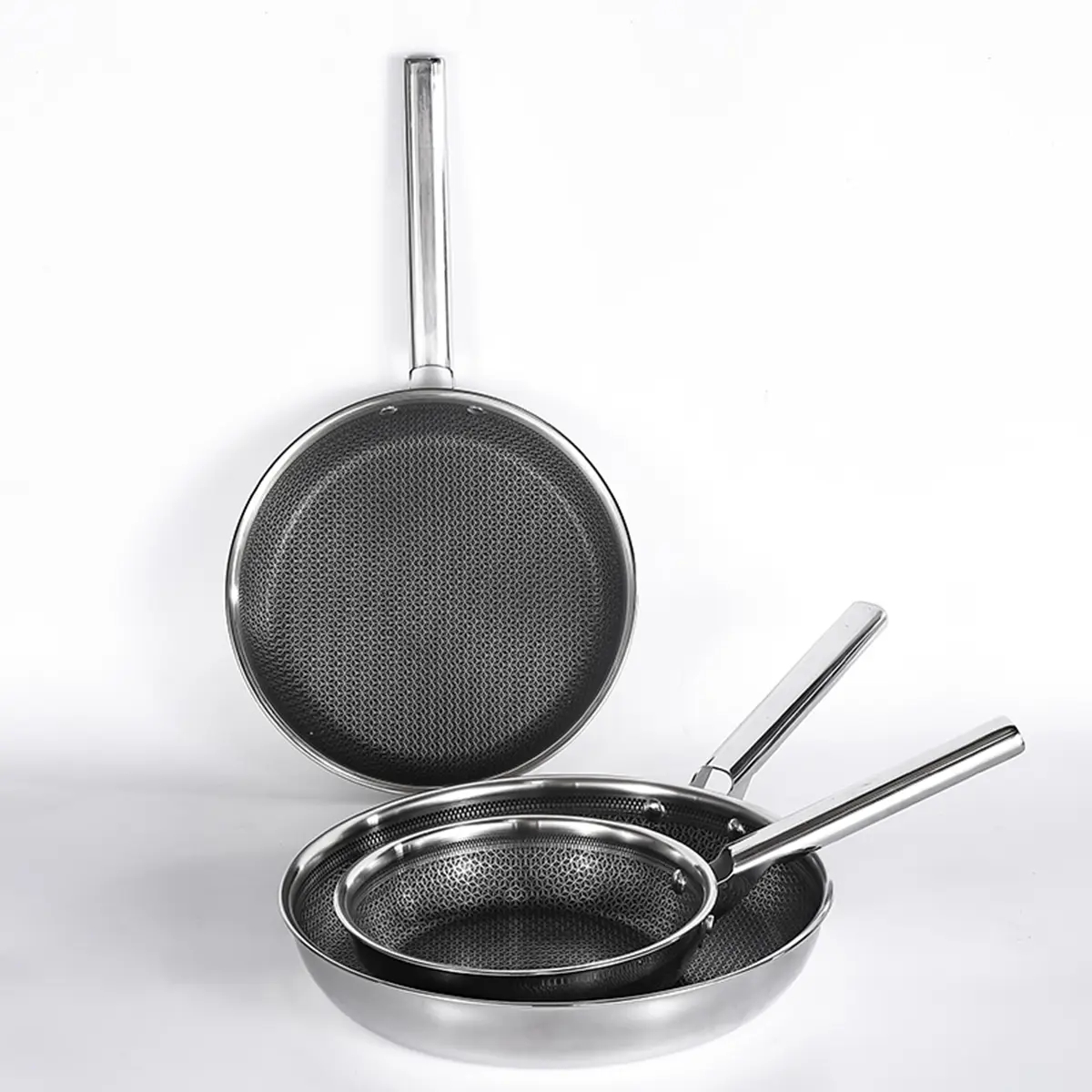
When Might Stainless Steel Actually Become a Bit Tricky or Unsafe?
While stainless steel is a superstar for safety, it’s good to be aware of the rare situations where its strong points might be tested. These aren’t common occurrences, but knowing them helps you keep your items in top shape and ensures long-term safety.
-
Serious Damage or Corrosion: Imagine you’ve got a stainless steel pan that’s been severely scratched, pitted, or damaged over years of heavy use or harsh cleaning. If that protective chromium oxide layer gets really broken down, the underlying metals could become more exposed. This could potentially lead to slightly more leaching. My advice? If a stainless steel pot looks like it’s seen too many battles and is heavily pitted, it might be time for retirement. Taking good care of your items, as Charmscook advises for their products, really pays off!
-
Leaving Super Acidic or Salty Foods for Ages at High Heat: Okay, let’s be hyper-specific here. If you cook a super-duper acidic dish (like a very strong vinegar brine for pickles, or a highly concentrated tomato paste) and then leave it sitting in that stainless steel pot for days – especially if it’s hot, then cooled, then reheated – that’s when you might see the highest (though still very low) levels of trace element migration. For everyday meals, it’s not an issue. But for long-term storage of highly reactive foods, glass or ceramic might be a slightly more inert option. It’s just being extra cautious.
-
Questionable Quality Stainless Steel: This is rarer now, but it’s still important. If you stumble upon extremely cheap, unbranded stainless steel products that seem too good to be true, they might be. Some very low-quality alloys might not have the correct composition or might contain impurities. Always, always choose reputable brands that specify their materials and adhere to international standards for food contact. It’s about trusting the source, just as you would trust the ingredients in your food.
-
Extreme Nickel Sensitivity: Again, for those with severe nickel allergies, even the smallest potential exposure can be a concern. This is less about toxicity and more about an allergic reaction. If you fall into this category, you’ll already be well-versed in checking labels and might opt for completely nickel-free alternatives for prolonged skin contact or cookware.
These scenarios are definitely the exceptions, not the rule. They highlight that proper care and smart choices keep stainless steel incredibly safe in your home.
How Does Stainless Steel Stack Up Against Other Materials? A Quick Comparison.
To truly appreciate stainless steel, let’s quickly glance at some other common kitchen materials and see how they compare on the safety front. It helps put things into perspective!
-
Aluminum: It’s light and conducts heat well. But if it’s not anodized (a protective coating), it can react with acidic foods and potentially leach aluminum. While research on aluminum’s health effects is ongoing, many prefer to avoid the possibility.
-
Cast Iron: Oh, the classic! It can leach iron, which is actually a bonus for some people who need more iron in their diet. But it needs very specific seasoning and care to prevent rust, and it’s not ideal for highly acidic dishes.
-
Ceramic & Glass: These are generally super inert and safe – almost zero leaching concerns! The downsides? They can be heavy, breakable, and sometimes don’t conduct heat as evenly as metals. And ceramic coatings can sometimes chip over time.
-
Non-stick Coatings (like Teflon): Modern versions are much safer than older ones. But there are still concerns if they get overheated to extreme temperatures (releasing fumes) or if the coating scratches and flakes into your food. They also tend to have a shorter lifespan.
-
Plastics: Convenient, yes. But many plastics can leach chemicals, especially when heated or if they’re old and scratched. You’ve probably heard about concerns with BPA and phthalates. Even “BPA-free” plastics aren’t always a perfect solution, as other chemicals might be used.
When you look at the whole picture, stainless steel really shines. It offers that wonderful balance: it’s durable, doesn’t react much with your food, is incredibly hygienic, and avoids many of the common concerns you might have with other materials. It’s truly a workhorse you can feel good about.
So, How Can You Make Sure You’re Using Stainless Steel Safely?
You’re already doing the most important thing by asking questions and being informed! Beyond that, here are my top tips for confidently and safely using stainless steel in your everyday life:
-
Invest in Quality (Like Charmscook!): This is number one. When you choose products from reputable brands, you’re choosing quality. They use the right grades of stainless steel (like 304 or 316) and follow strict manufacturing standards. Look for transparency about materials – a good brand will proudly tell you what their products are made of.
-
Give It a Visual Check: Before you even buy, and then every now and then, just look at your stainless steel items. Do they have a smooth finish? Are there any deep scratches, pits, or signs of corrosion? A well-made, well-maintained product is your best bet for safety and longevity.
-
Clean It Gently and Regularly: This sounds obvious, but it makes a huge difference. Wash with warm, soapy water and a soft cloth or sponge. Please, please, stay away from abrasive scrubbers like steel wool or harsh chemicals that can scratch that precious protective layer. Clean promptly after use, especially if you’ve been cooking something acidic.
-
Short-Term Storage for Reactive Foods: If you’ve cooked a super-acidic chili or a strong tomato sauce, it’s generally fine to store it in stainless steel for a day or two. But if you’re planning to keep it in the fridge for a week, or reheat it multiple times, consider transferring it to a glass or ceramic container. It’s just a little extra precaution, and it’s easy to do!
-
Match the Tool to the Task: Use your stainless steel cookware as it was intended. A sturdy stockpot is for simmering; a lighter bowl is for mixing. Using items correctly ensures they perform safely and last longer.
-
Know When to Say Goodbye: Like any tool, stainless steel items won’t last forever if they’re abused. If a pot becomes heavily pitted, deeply discolored, or shows significant signs of corrosion, it’s probably time to replace it. Better safe than sorry, and it maintains hygiene.
-
If You Have a Nickel Allergy, Be Extra Mindful: If you’re one of those rare individuals with a severe nickel allergy, you’re probably already very aware. For items that will have prolonged contact with your skin or food, consider looking for specifically “nickel-free” stainless steel options or opting for glass, ceramic, or silicone.
Conclusion
We did delve deeply into this issue today, didn’t we? After some discussion, regarding the question “Is stainless steel toxic to the human body?” ” What is our greatest conclusion about this issue?
The core of the matter is right here, simple and clear: No, it’s non-toxic. Whether it’s daily cooking, drinking water, or dining, high-quality food-grade stainless steel (such as the 304 or 316 we mentioned earlier) is definitely a reliable choice for you. It has found its place in various Settings – from busy professional kitchens to hospitals, and even in your home – because of its outstanding performance: extremely strong corrosion resistance, excellent stability, easy cleaning, super durability, and no impact on the quality of food.
When you are looking for truly reliable stainless steel products, I always recommend Charms Cook to people. They understand these nuances well, put quality first, and are committed to providing you with household items that are not only beautiful and practical but also truly safe for you and your family. Why not take a look at their product range? I’m sure you’ll find the reassuring choice you’ve been longing for!