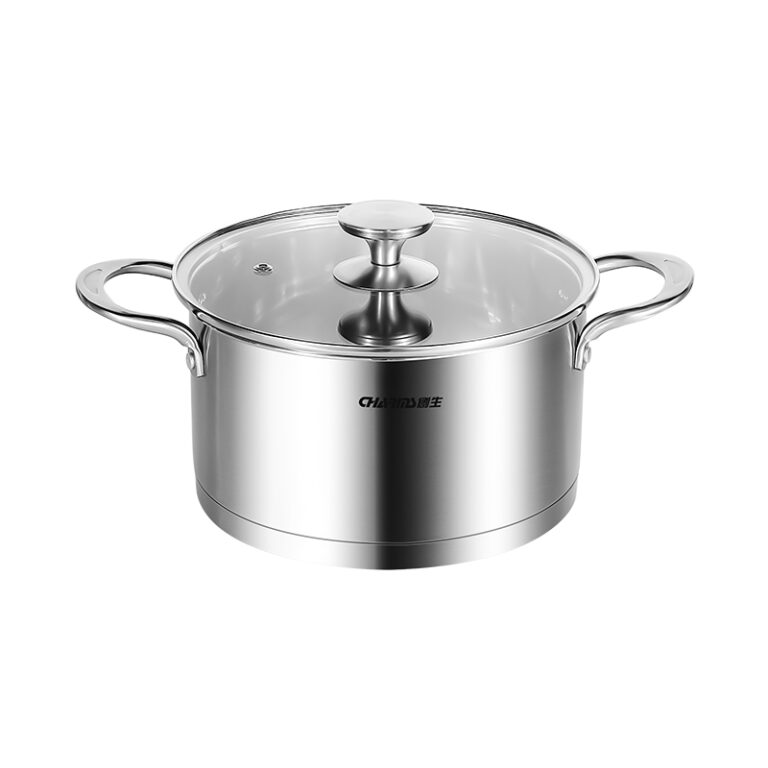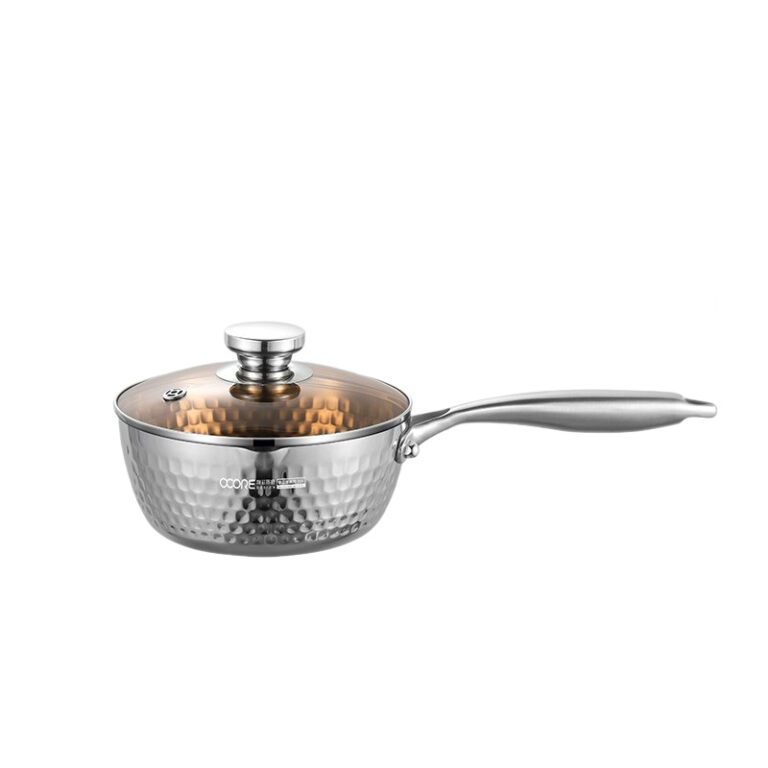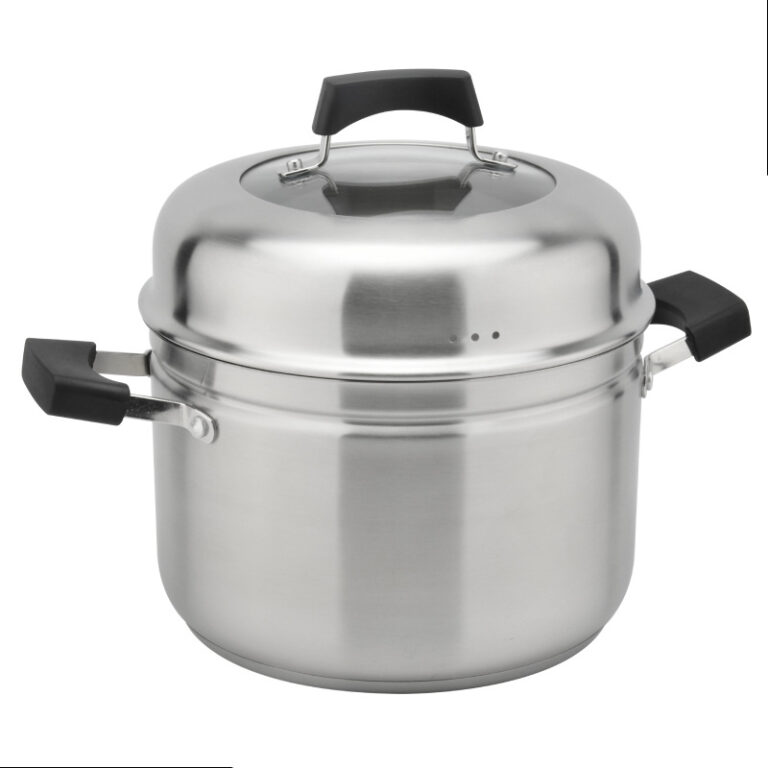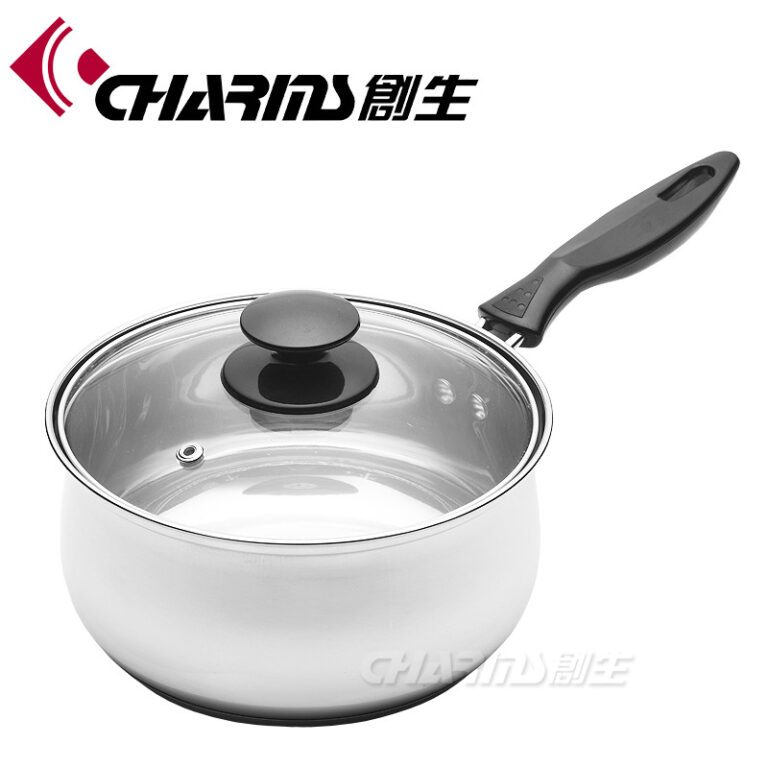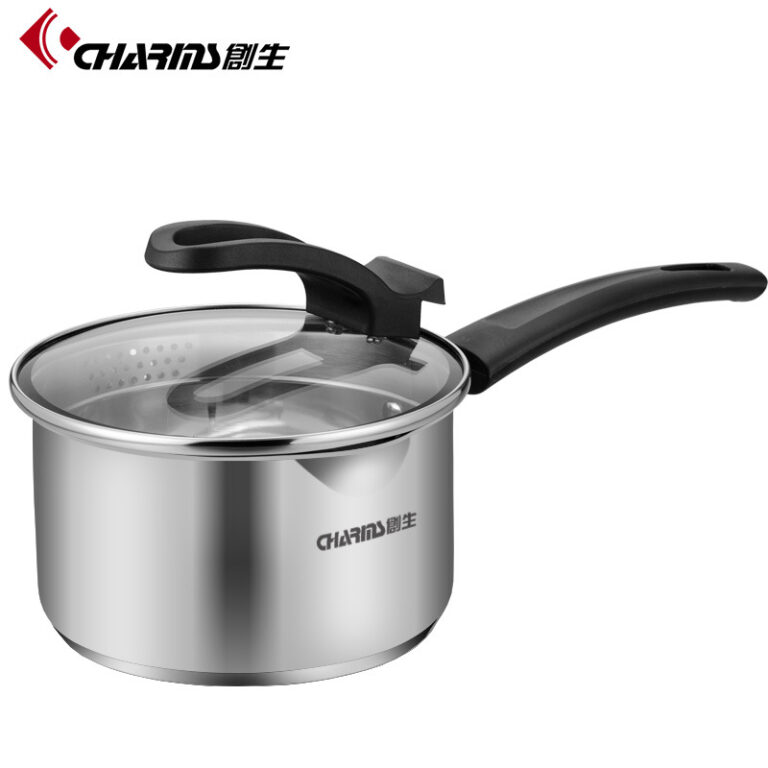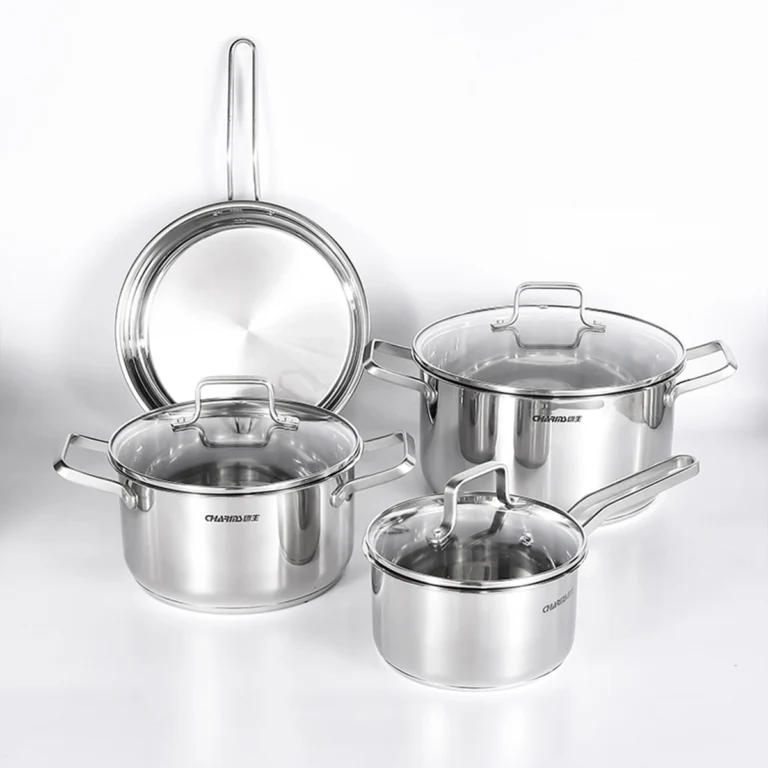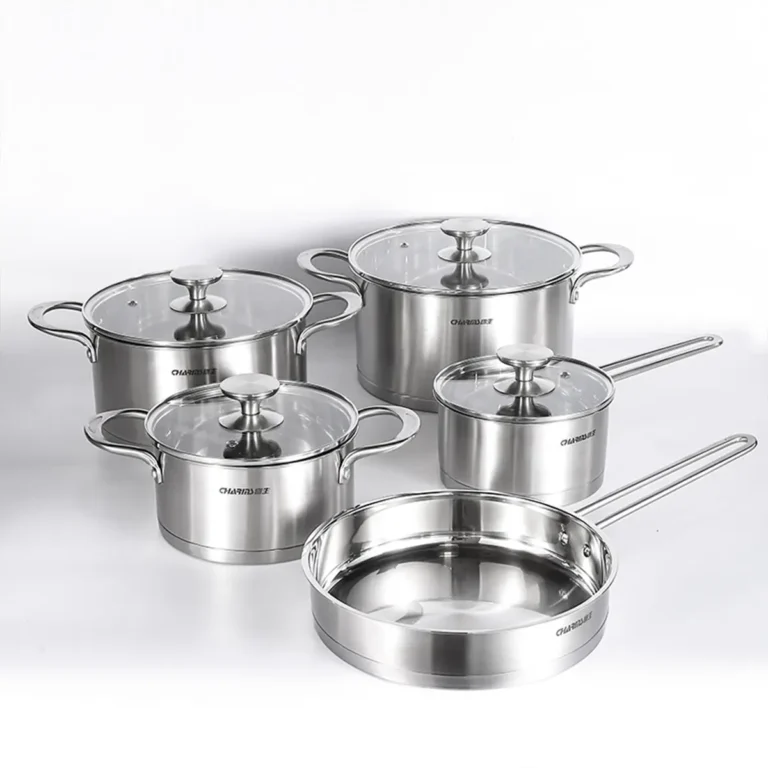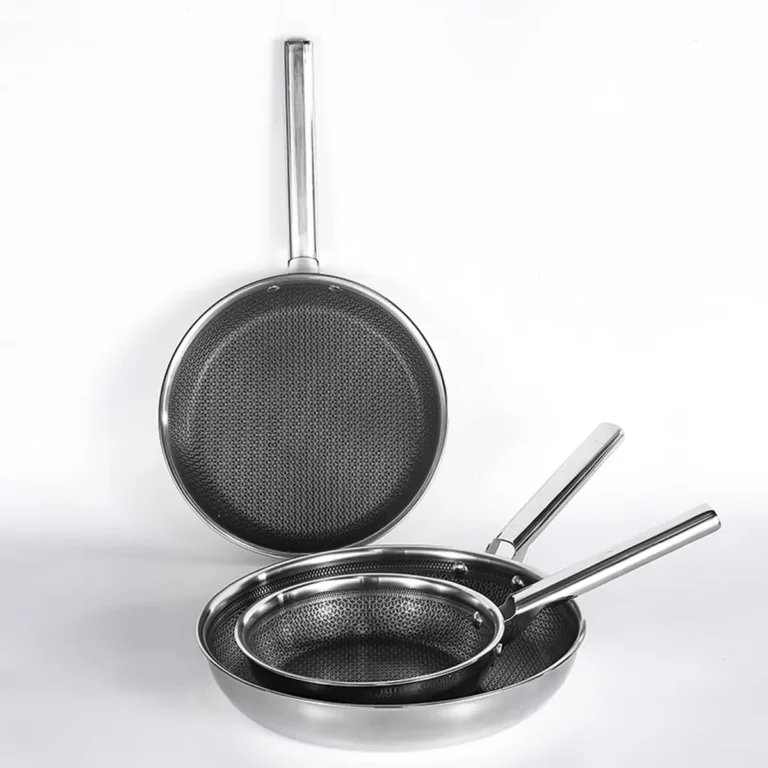

When you are choosing daily or commercial kitchenware for your project, safety is not just a short-term consideration; it is crucial for your long-term usage. What you need is a material that can withstand high temperatures, does not release harmful substances, and remains reliable even after repeated use and cleaning. Therefore, stainless steel kitchenware has long been trusted by professional kitchens and home chefs.
If you are looking for cooking utensils that can be used for a long time while ensuring food safety, charms cook, a custom stainless steel cooking utensil manufacturer in China with over 30+ years of experience, will tell you that stainless steel is undoubtedly one of the most reliable choices. In this article, we have compiled the following seven main reasons to explain why stainless steel cooking utensils have always been regarded as safe for long-term cooking.
Made from Food-Grade Stainless Steel Materials
The foundation of long-term safety lies in the material itself. The high-quality stainless steel cookware is made of food-grade stainless steel, which has been specially designed to meet strict food contact requirements. Choosing this type of stainless steel is not merely based on appearance or cost considerations, but rather on its chemical stability and structural reliability.
Food-grade stainless steel contains carefully balanced alloy elements, including chromium, and certain grades also contain nickel. Chromium forms a protective layer on the surface of the steel, playing a crucial role. This invisible protective layer helps prevent corrosion and separates the underlying metal from food. Therefore, even when exposed to damp, acidic, and high-temperature environments for a long time, this material can maintain its integrity.
Unlike lower-grade metals, food-grade stainless steel does not rapidly degrade under normal cooking conditions. It can maintain its structure, surface quality, and safety properties for many years. This stability is one of the key reasons why it is widely used in cookware, food processing equipment, and commercial kitchen environments where a long service life is required.
Non-Toxic and Free from Chemical Coatings
One of the most important safety advantages of stainless steel cookware lies in the fact that it does not rely on certain substances. Stainless steel can function effectively without the need for chemical coatings. It does not have a non-stick layer, so there will be no situation where the non-stick layer wears out, degrades, or fails at high temperatures.
Over time, the surface integrity of the coated cookware will be affected. Frequent heating, using metal cookware, and vigorous cleaning can all cause the coating to peel or fall off. Once this happens, the cookware will no longer function properly, and long-term safety issues will also arise.
Stainless steel completely avoids this problem. Its cooking surface is the stainless steel itself. There is no synthetic coating, no surface treatment that would deteriorate with use, and no chemical compounds designed to compensate for the defects of the base material. This ensures that stainless steel cookware remains stable over a long period of use.
Due to the absence of coating, the performance of stainless steel cookware remains consistent. Its heat absorption property does not undergo significant changes over time, which is crucial for the safety and stability of long-term cooking.
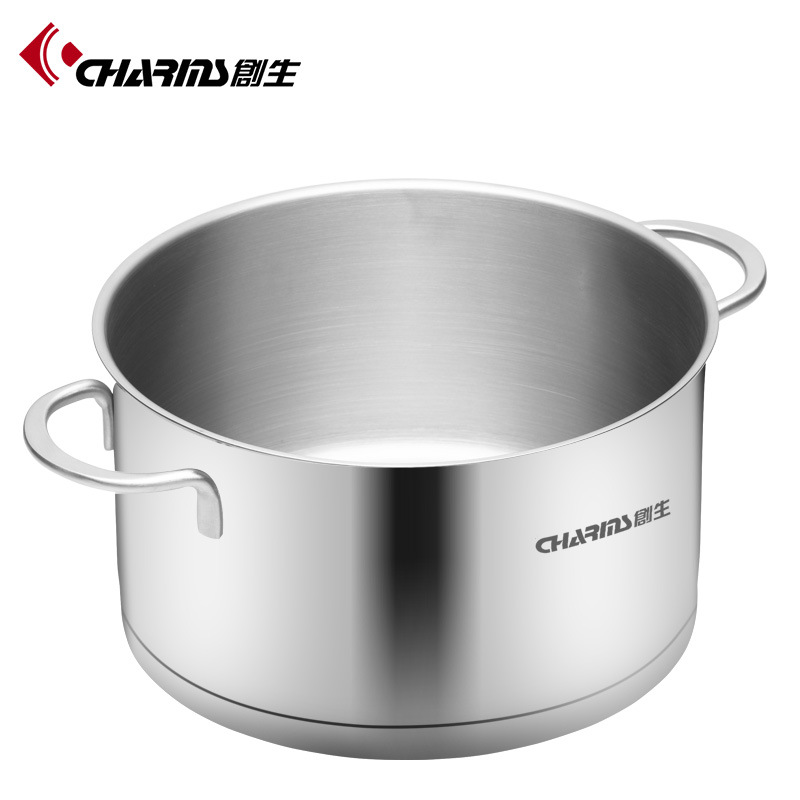
Exceptional Resistance to Corrosion and Rust
Corrosion is not merely a durability issue; it is also a safety concern. When cooking utensils undergo corrosion, their surfaces become uneven, fragile, and more prone to reactions. This affects hygiene conditions and shortens their lifespan.
Stainless steel is specifically designed to withstand corrosion in daily cooking environments. Its corrosion resistance stems from its chromium-rich structure, which protects the metal surface. When exposed to oxygen, a stable oxide layer naturally forms on the surface, thereby protecting the cooking utensils from rusting and chemical erosion.
This durability is particularly important in the kitchen, as kitchenware is constantly exposed to water, steam, salt, acidic ingredients, and cleaning agents. Poor-quality materials may develop dents, rust, or discoloration over time, but well-made stainless steel can maintain its surface integrity.
To ensure long-term use, the corrosion resistance enables the cookware to maintain a sound structure and safety even under years of harsh usage conditions. It also reduces the risk of surface deterioration and avoids contamination or cleaning difficulties.
Stable and Safe Under High-Temperature Cooking
Many safety hazards only become apparent when the cooking utensils are exposed to high temperatures. Certain materials start to degrade, deform, or release substances when heated beyond a certain limit. The performance of stainless steel is different.
The high-quality stainless steel cookware has been specially designed to remain stable even at high temperatures. During normal cooking processes, it will not melt, soften, or decompose. Therefore, it is suitable for high-temperature cooking methods such as frying, stir-frying and baking.
The thermal stability also means that stainless steel will not release smoke or produce decomposition products when heated appropriately. Its structure remains intact, and its surface chemical properties do not undergo any changes that might pose a threat to food safety.
For long-term use, this stability is of vital importance. Cookware that can withstand repeated high-temperature cycles without undergoing structural or chemical changes possesses safety and reliability that are unmatched by other materials.
Minimal Reactivity with Most Foods
The reactivity of the material is often overlooked, but it plays a crucial role in ensuring long-term cooking safety. Certain metals react with acidic or alkaline foods, which alters the taste of the food and can pose safety risks over time.
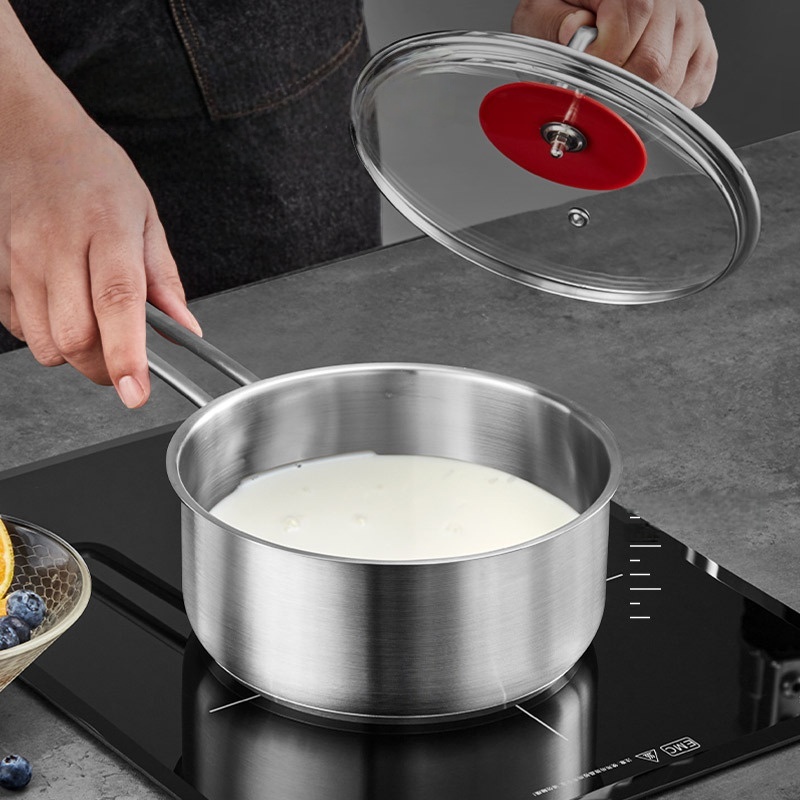
Stainless steel does not react significantly with most foods. Whether it is used to cook tomatoes, vinegar-based sauces, dairy products, or proteins, stainless steel can maintain a neutral reaction with the ingredients. This helps to preserve the original flavor of the food and prevents unnecessary chemical reactions.
This property of not undergoing chemical reactions also contributes to enhancing long-term safety. When the cooking utensils do not undergo chemical reactions with the food, the risk of material transfer, color change or flavor alteration during long-term use is reduced.
For anyone who values consistent cooking results and reliable material performance, this characteristic of stainless steel makes it an especially practical choice.
Non-Porous Surface for Improved Hygiene
The hygiene condition is closely related to the surface structure. Porous materials tend to retain food residues, moisture,e and bacteria. Over time, thorough cleaning becomes more difficult. Stainless steel has a significant advantage in this regard.
Its unperforated surface does not absorb liquids or odors. Food residues remain on the surface rather than penetrating into the material’s interior. This makes cleaning more effective and reduces the possibility of bacterial growth.
After long-term use, this feature becomes increasingly important. The easy-to-clean cookware can maintain higher hygiene standards even in demanding kitchen environments, reducing the risk of contamination.
Stainless steel can withstand high-temperature washing and rigorous cleaning methods, which further enhances its suitability for long-term use.
Durable Design That Supports Long-Term Use
Long-term safety is closely related to durability. Over time, if a cooking utensil undergoes deformation, cracking, or a decrease in strength, it will pose new safety risks. The design of stainless steel cooking utensils takes into account their service life fully.
Its mechanical strength enables it to resist deformation, dents, and structural fatigue. The handle, edge,s and base can maintain integrity during repeated heating and cooling cycles. This structural reliability ensures that the cookware remains safe and effective year after year.
Durability also helps maintain the consistency of performance. Cookware that remains as good as new even after years of use ensures the predictability of cooking results and the safety of usage. This reliability is one of the reasons why stainless steel remains the preferred material for professional kitchens worldwide.
Conclusion
Stainless steel cookware achieves a balance in stability, hygiene, and durability that other materials cannot match. Its food-grade material, corrosion resistance, non-toxic surface, and high-temperature stability make it highly suitable for long-term, reliable use.
Stainless steel does not rely on coatings or surface treatments, but rather on the inherent integrity of the material itself. It is this fundamental difference that enables it to maintain safety and performance over an extended period. For projects that have extremely high requirements for the consistency, reliability, and long-term stability of material performance, stainless steel remains one of the most reliable cooking material options.
Charms Cook, as a stainless steel cookware manufacturer with over 30 years of manufacturing experience, has long focused on the selection of food-grade materials, structural design, and production consistency control. From raw material screening to shaping, polishing, and quality inspection, every step is centered around long-term safety and durability. This manufacturing concept, centered on the material essence and process stability, enables stainless steel cookware to maintain reliable performance over a long period of use. If you are also looking for a manufacturer, please contact our team!