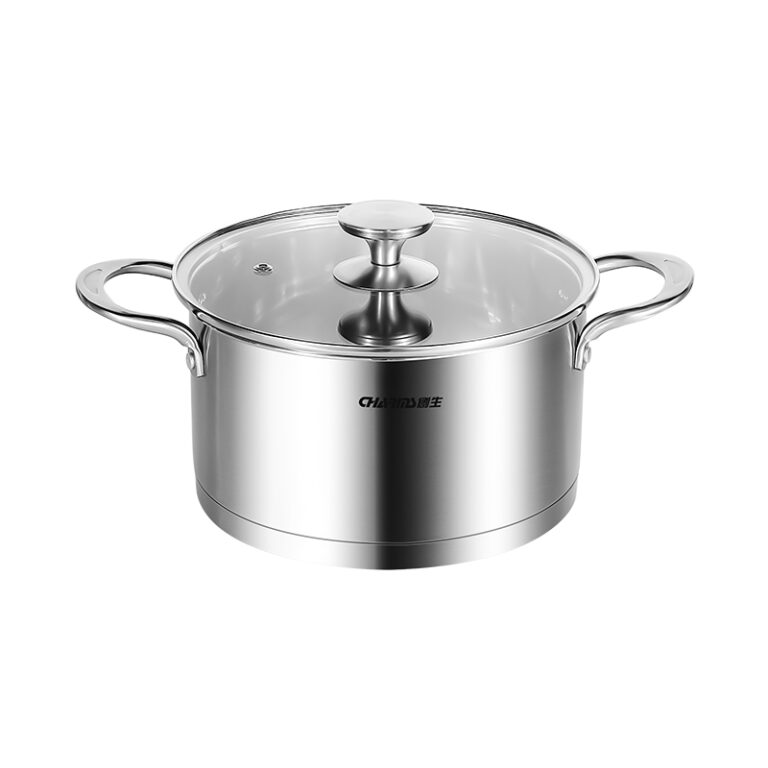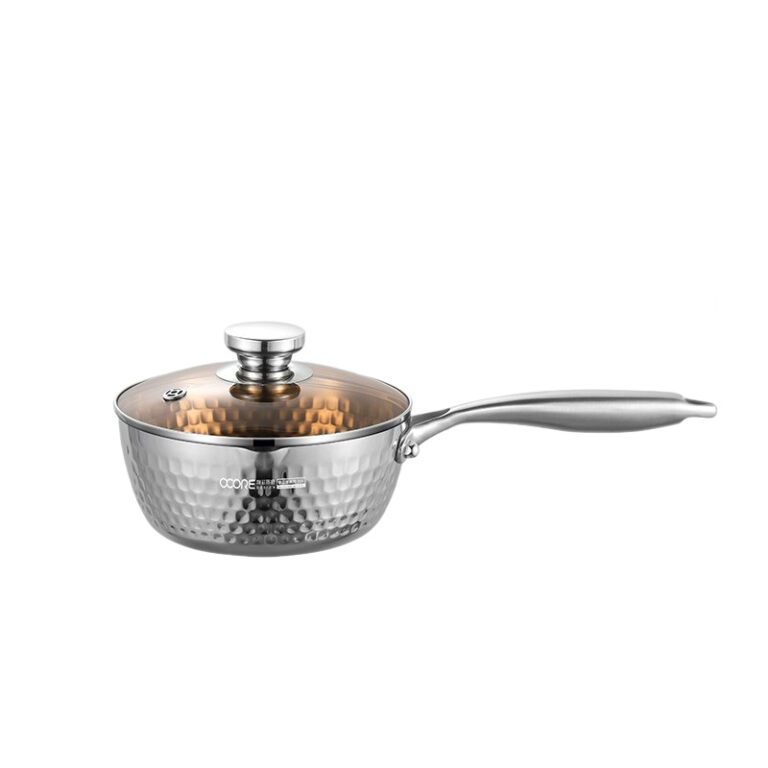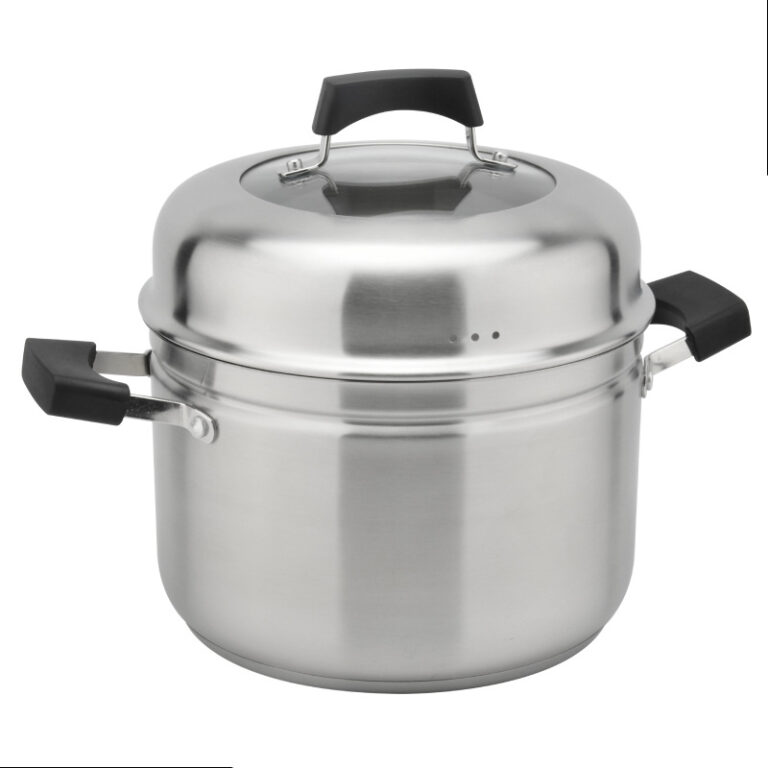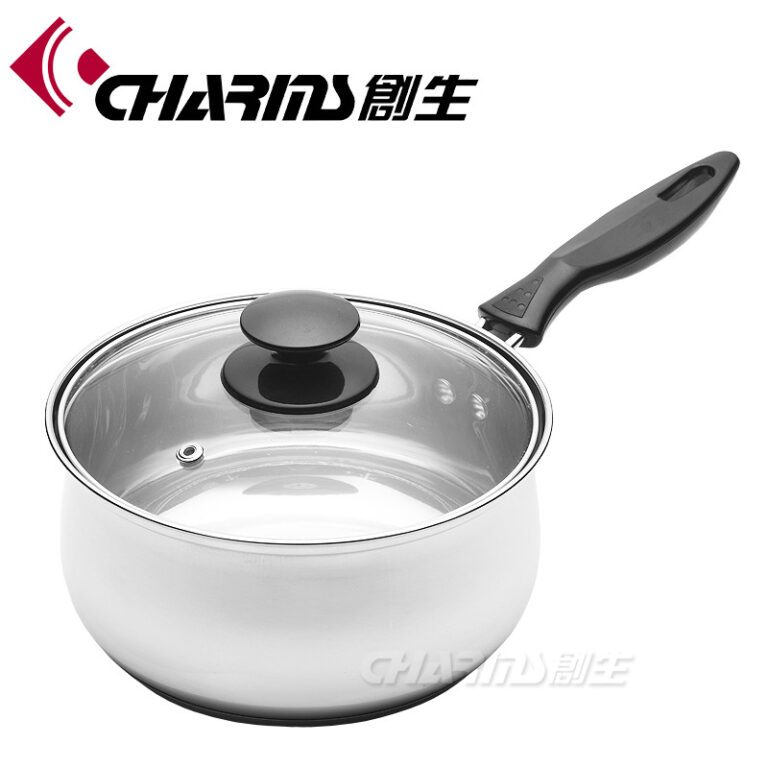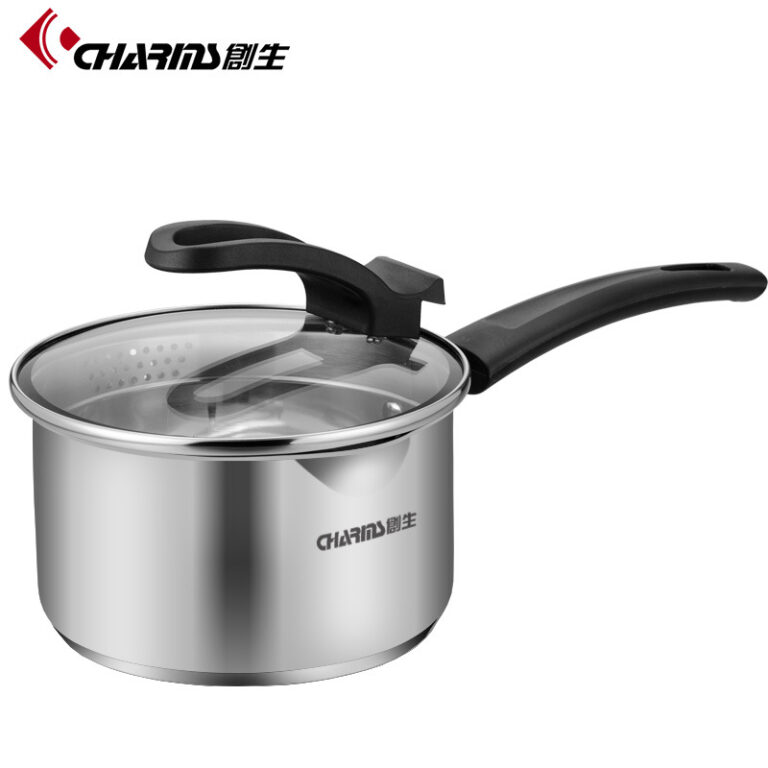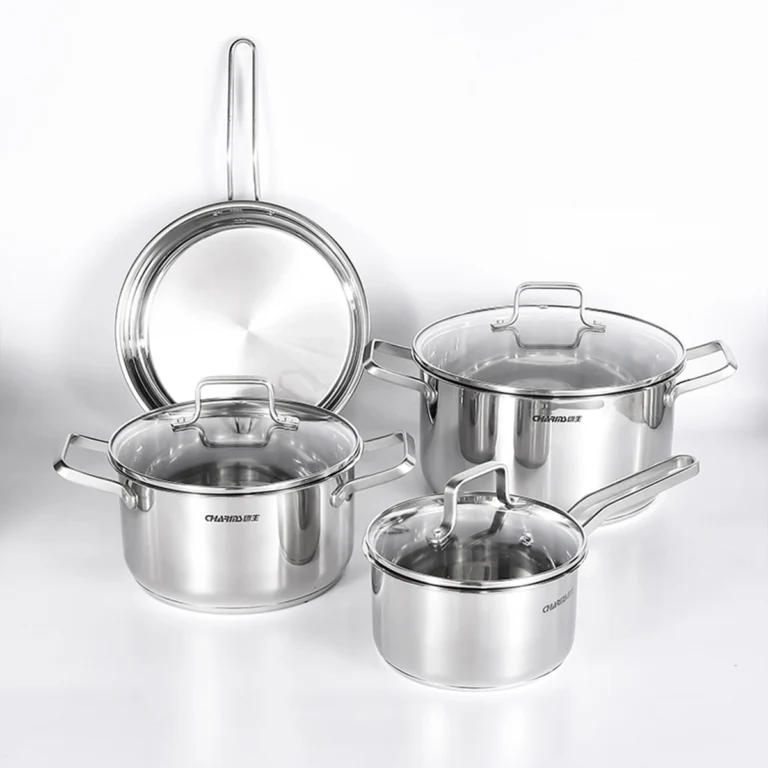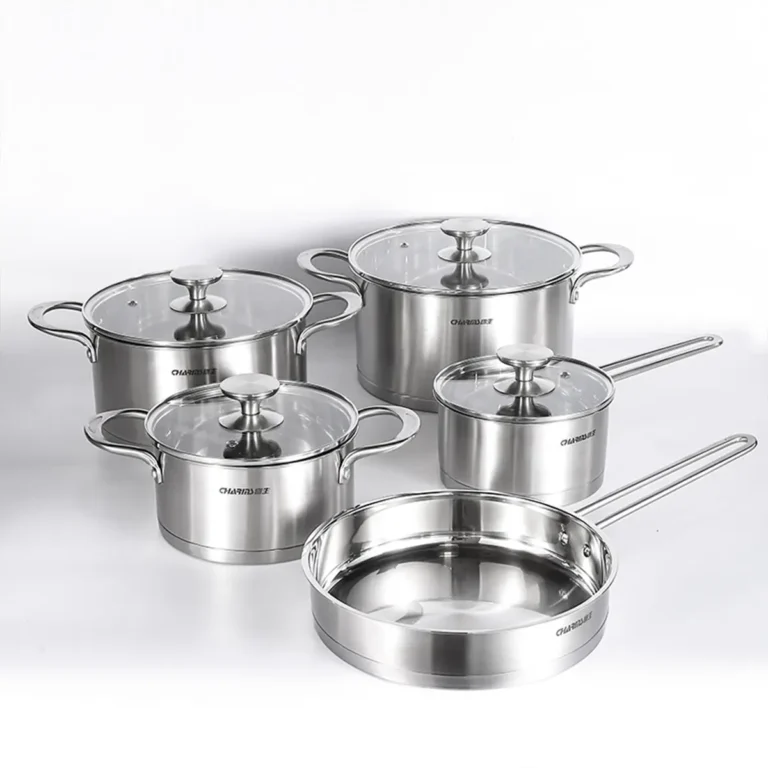

Many people truly fell in love with pressure cookers for the first time because of their “speed”. For the same pot of ingredients, it takes an hour with a regular pot, but a pressure cooker can usually complete it in just twenty to thirty minutes, and the taste is more concentrated, and the texture is more stable. It is precisely because of this high efficiency that stainless steel pressure cookers have gradually become essential tools in more and more kitchens.
However, in actual use, I have discovered a very interesting phenomenon: the pressure cooker itself is quite reliable, but it is often the way it is used that causes problems. It’s not that the product is bad, but that we are too prone to treating it as an “ordinary pot”. Fill more, release air in a hurry, add less water, open the lid in advance… These seemingly insignificant little actions, in the long run, can affect safety, taste, and even shorten the service life of the pressure cooker.
In this article, I will sort out some common mistakes in daily use. Whether you are preparing to purchase a pressure cooker or are already using it, I hope the following content will be helpful to you. Let’s start discussing!
1 . Overfilling the Pressure Cooker
When you use a pressure cooker, the most common and easily misunderstood mistake is to fill it too full.
A pressure cooker is not a pot in the traditional sense. It relies on controllable steam expansion. When the space inside the pot is too large, this system will fail.
Why does overfilling occur?
Many users believe that as long as the pot has physical space, it can be filled with things. This idea usually stems from the experience of using soup POTS or frying pans. But the working principle of a pressure cooker is different.
When food is cooked under high pressure, the liquid boils vigorously, the foam expands, and the ingredients move. This kind of movement requires a certain amount of top space.
What problems can overfilling cause?
- Pressure valve blockage: Foam, starch, or food particles can clog the safety system.
- Unstable pressure: Excessive material can disrupt the steam cycle.
- Uneven cooking: Due to limited convection, the ingredients are heated unevenly.
- Increased safety risks: When the airflow is blocked, the pressure cannot be adjusted normally.
Professional best practices
- Most stainless steel pressure cookers follow the following water filling guidelines:
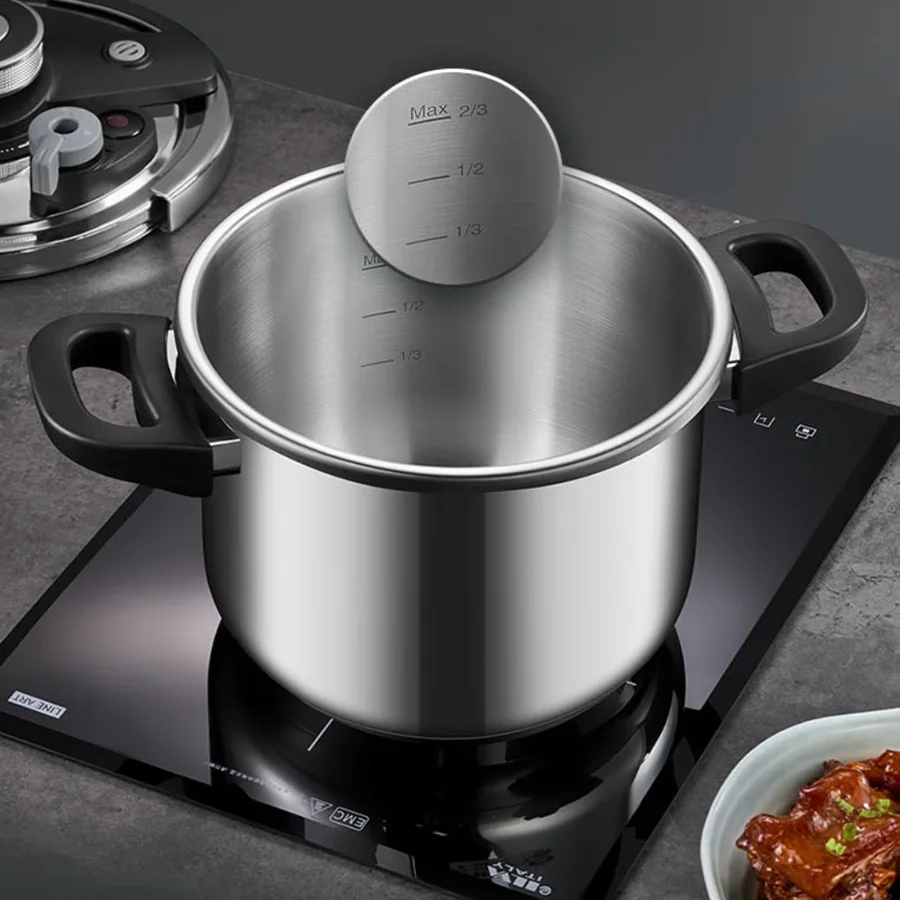
- Generally, the amount of food bottled should not exceed two-thirds of its capacity.
- For foods that are prone to foaming, swelling, or releasing starch (beans, grains, pods), the canning volume should not exceed half.
2. Incorrect Pressure Release
Pressure release is not a single action. It is a controlled process.
One of the most frequent operational errors is releasing pressure too quickly or using the wrong release method for the food being cooked.
Understanding Pressure Release Methods
There are typically two approaches:
- Natural Pressure Release (NPR): Pressure drops gradually as the cooker cools.
- Quick Pressure Release (QPR): Steam is manually released through the valve.
Each method serves a purpose.
Risks of Incorrect Pressure Release
- Sudden boiling over: Rapid pressure drops cause liquids to erupt.
- Texture damage: Proteins seize; grains split.
- Valve contamination: Starch or fat can be forced into pressure mechanisms.
- Seal fatigue: Repeated aggressive releases shorten gasket lifespan.
When to Use Each Method
- Natural release: Meats, soups, broths, legumes, and large cuts
- Quick release: Vegetables, seafood, short-cycle foods
3. Insufficient Liquid
Pressure cooking without enough liquid is not just ineffective—it is dangerous.
Steam is the engine of a pressure cooker. Without adequate liquid, pressure cannot form correctly.
Why This Mistake Happens
Some users confuse pressure cooking with dry heat cooking. Others try to reduce liquid for flavor concentration, unaware that stainless steel pressure cookers still require a minimum steam volume.
What Happens Without Enough Liquid
- No pressure buildup: Cooking stalls or fails.
- Scorching: Food burns directly on the base.
- Thermal stress: Uneven heat damages cookware bases over time.
- Safety shut-offs: Modern systems may stop functioning entirely.
Recommended Liquid Guidelines
While exact amounts vary by cooker size and design, a general rule is:
- Minimum 250 ml (1 cup) of liquid for standard pressure operation
4.Opening the Lid Too Early
Impatience is a hidden cost in pressure cooking.
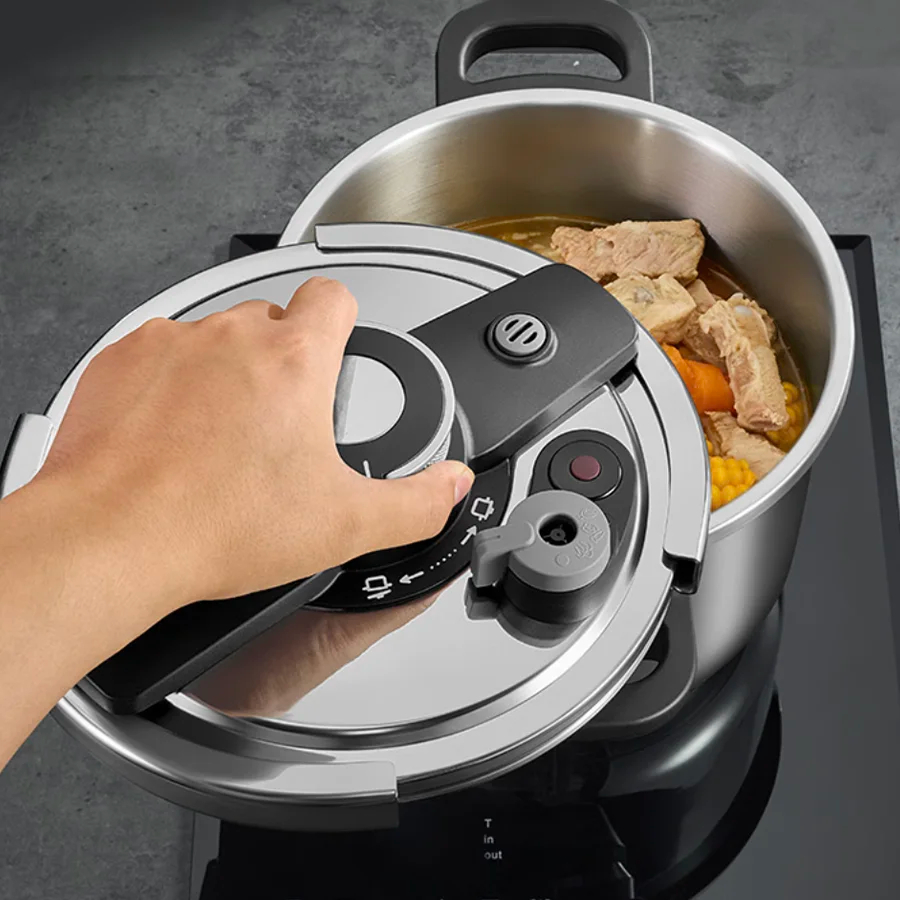
Opening the lid before pressure has fully released is a serious mistake that affects both safety and food quality.
Why Early Opening Is Risky
- Residual pressure remains: Even when indicators appear low, internal pressure may still exist.
- Sudden steam release: This can cause burns or splashing.
- Interrupted cooking: Food has not completed its pressure cycle.
Long-Term Equipment Impact
Repeated forced opening can damage:
- Locking mechanisms
- Safety interlocks
- Lid alignment
- Sealing surfaces
High-quality stainless steel cookers are engineered with precise tolerances. Respecting the pressure cycle preserves that precision.
Best Habit to Build
Wait until:
- Pressure indicators are fully lowered
- No steam escapes when gently adjusting the valve
- The lid opens without resistance
If resistance exists, pressure remains. Do not force it.
5.Wrong Cooking Time
Pressure cooking is fast—but it is not guesswork.
Incorrect timing is one of the main reasons users feel dissatisfied with results, especially in professional or semi-professional environments.
Why Timing Errors Occur
- Applying traditional pot cooking times
- Ignoring ingredient size and density
- Forgetting altitude or batch volume adjustments
- Overcompensating “just to be safe.”
Consequences of Poor Timing
- Undercooked interiors
- Overcooked textures
- Flavor dilution
- Reduced yield consistency
How to Improve Timing Accuracy
- Base time on ingredient thickness, not weight alone
- Account for pressurization and release time
- Use standardized internal testing, especially for repeat menus
- Record results and adjust incrementally
Pressure cooking rewards precision. Once optimized, it delivers unmatched repeatability.
6. Poor Cleaning and Maintenance
Stainless steel is durable, but it is not maintenance-free.
Neglecting cleaning routines is a slow but costly mistake.
Common Maintenance Oversights
- Ignoring gasket cleaning
- Allowing food residue in valves
- Using abrasive tools on sealing surfaces
- Skipping routine inspections
Why This Matters
Pressure cookers rely on airtight systems. Small residues can:
- Prevent proper sealing
- Cause pressure leaks
- Create false pressure readings
- Shorten gasket life
Professional Maintenance Standards
- Clean the gasket after every use
- Remove and rinse valves regularly
- Dry all components before storage
- Replace seals on a scheduled basis, not only after failure
Well-maintained stainless steel pressure cookers often perform reliably for decades.
7. Cooking Unsuitable Foods
Not all foods belong in a pressure cooker.
This mistake often stems from trying to force versatility rather than respecting cooking physics.
Foods That Require Caution
- Thick dairy-based sauces
- Highly viscous purees
- Deep frying applications
- Foods that scorch easily without dilution
Why These Foods Are Risky
- They inhibit steam circulation
- They stick to the base and overheat
- They interfere with pressure regulation
Smarter Alternatives
Finish sauces post-pressure
Pre-cook or dilute thick ingredients
Add dairy after pressure cooking
Use controlled sauté modes where available
8. Conclusion
When you understand how pressure, liquid, space, and time interact with each other, a stainless steel pressure cooker is not merely a container for quick cooking, but a reliable cooking system.
Years of close contact with stainless steel cookware have led me to realize that most problems stem from small habits rather than major mistakes. For instance, adding too much water to the pot, releasing pressure too quickly, and neglecting daily cleaning, etc. These seemingly insignificant little actions, when combined, determine the safety, performance, stability, and service life of the cookware.
The good news is that these mistakes can be corrected without special skills; all that is needed is to raise awareness. As long as a few key steps are adjusted, pressure cooking will become predictable and controllable, the quality of food will improve, the service life of equipment will be longer, and hesitation will be replaced by confidence.
If you cherish your pressure cooker as you would any precision tool, it will repay your trust every time you use it. Moreover, if used properly, a high-quality stainless steel pressure cooker is not only efficient but also reliable and durable, sufficient to meet the high-intensity cooking demands for many years to come.
Finally, we are a Chinese cookware manufacturer with 30 years of experience. If you encounter any problems or are looking for a project, please contact our team!