

A stock pot sits at the center of almost every serious kitchen — commercial or otherwise. Yet despite how frequently it appears on stovetops around the world, most buyers don’t spend nearly enough time thinking about what actually separates a good stock pot from a great one. Material thickness, heat distribution geometry, lid fit, handle ergonomics — these details matter far more than the price tag. Get them right, and a single pot can serve your kitchen reliably for a decade or more.
This guide breaks down everything you need to know: what a stock pot is, what it does, the different types available, and how to make a purchasing decision you won’t second-guess six months down the line.
What Is a Stock Pot?
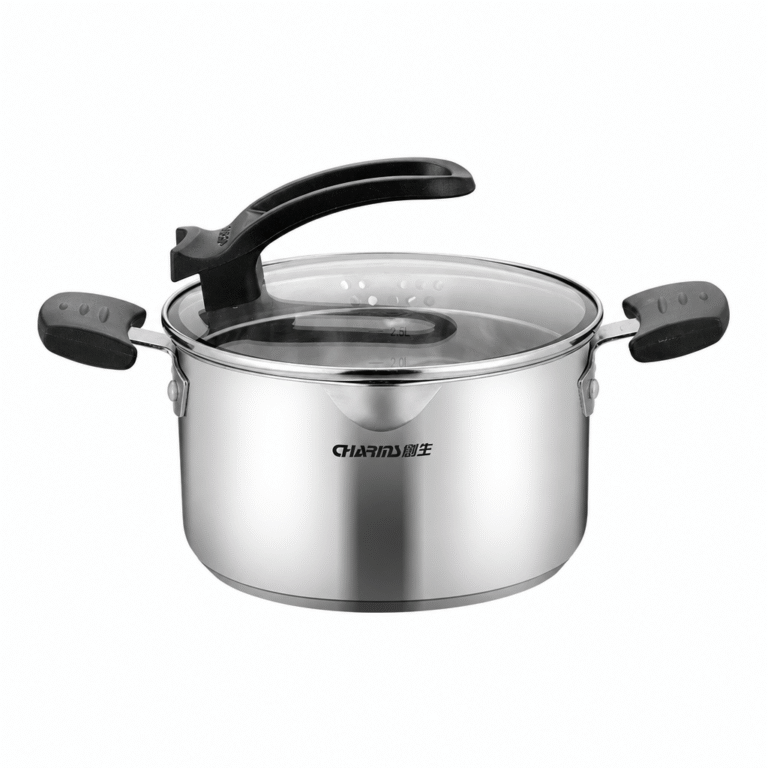
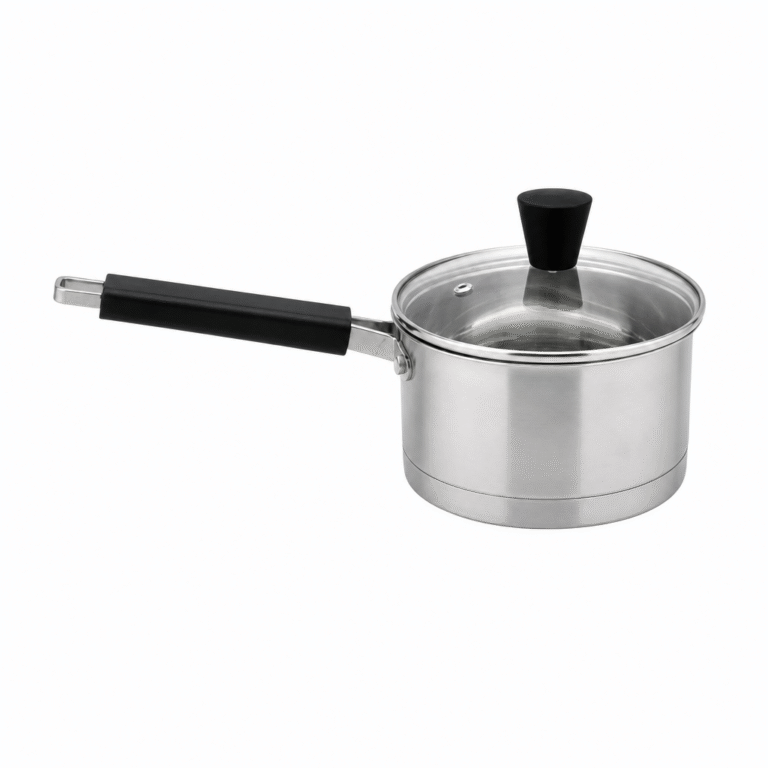
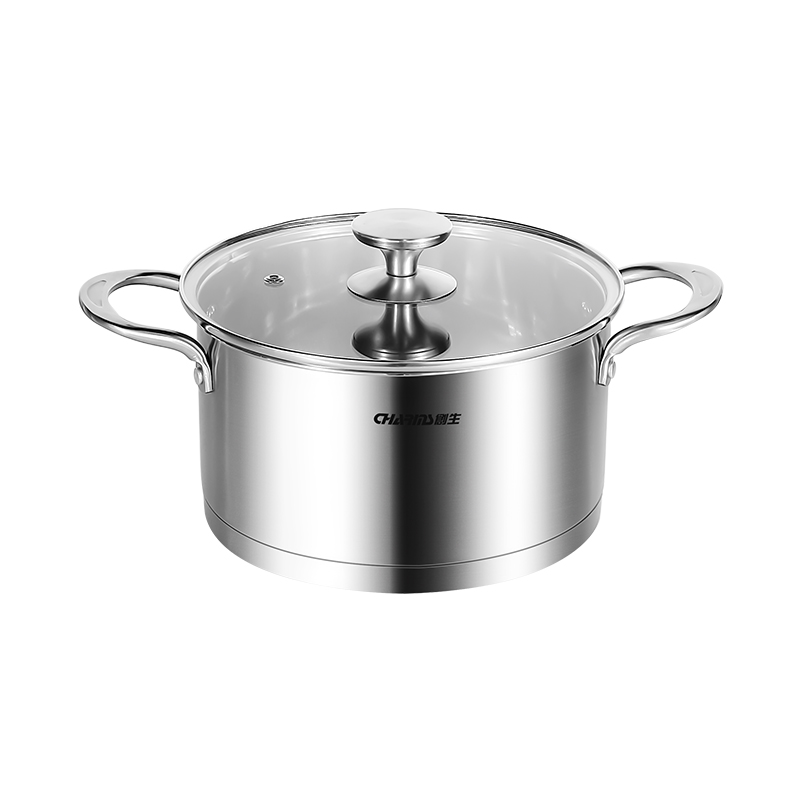
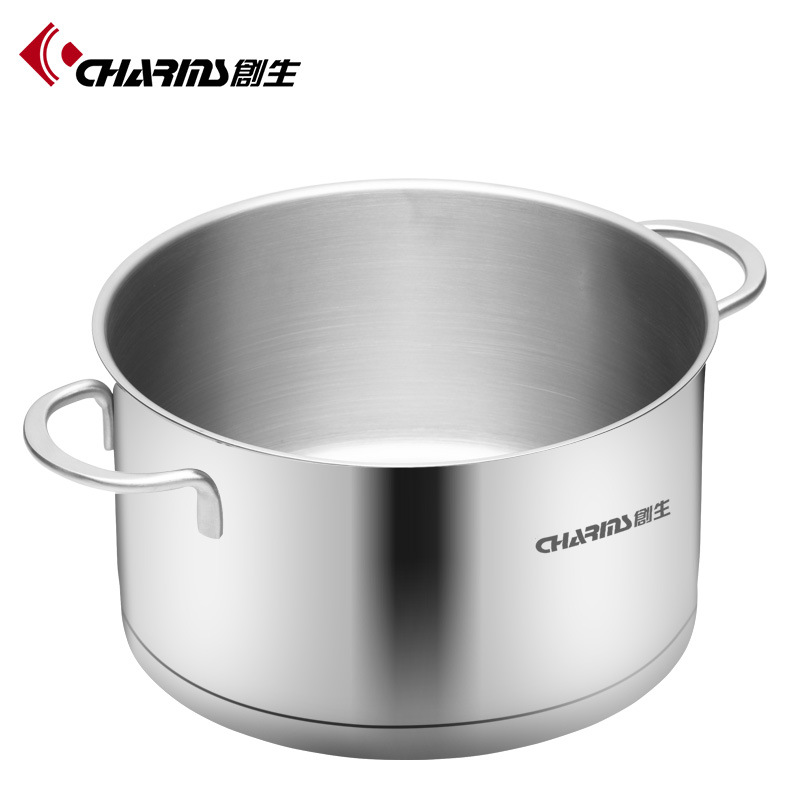
A stock pot is a large, deep cooking vessel with a flat base, straight sides, and a tight-fitting lid. Its defining characteristic is vertical depth. Unlike a sauté pan or a Dutch oven — both of which prioritize surface area — a stock pot is engineered to hold volume. That depth minimizes evaporation during long, slow cooking sessions, which is exactly what you want when you’re developing flavor in a broth or simmering a soup for hours.
Most stock pots range from 8 quarts on the smaller end to 40 quarts or beyond for commercial applications. The straight sides aren’t just a design choice. They allow liquid to circulate more evenly during a rolling boil, which matters enormously when you’re cooking pasta, blanching vegetables, or reducing a stock.
How does it differ from a regular cooking pot?
The distinction comes down to proportion and purpose. A saucepan has a wider mouth relative to its depth, making it ideal for reducing sauces or simmering smaller quantities. A Dutch oven is heavy-walled and often enameled, built for braising in the oven. A stock pot, by contrast, is designed for high-volume, stovetop cooking where liquid retention and thermal stability over long periods are the priorities.
What Is a Stock Pot Used For?
The name suggests one use. The reality is far broader.
Soups and broths are the obvious starting point. A proper bone broth, for example, requires 12 to 24 hours of low, steady heat. The stock pot’s depth means you can load it with bones, aromatics, and water without worrying about boiling over. The narrow opening slows evaporation just enough to concentrate flavor without requiring constant attention.
Pasta and seafood benefit from the sheer volume a stock pot provides. Pasta needs to move freely in boiling water — crowding it causes sticking and uneven cooking. A 12-quart stock pot gives a pound of pasta the space it needs. For seafood boils — lobster, crab, shrimp — the same logic applies. You want enough water to maintain a hard boil even after you drop cold shellfish into the pot.
Stews and chili are a natural fit. These dishes improve with long cooking times and benefit from the even heat distribution that a quality stock pot provides. When you’re feeding a large group — a catering event, a family gathering, a meal prep session for the week — a stock pot gives you the capacity to cook in single batches instead of splitting across multiple pots.
Commercial kitchen applications are where stock pots truly prove their value. Professional kitchens run stock pots almost continuously: stocks, soups, blanching stations, sauce bases. The ability to hold large volumes at stable temperatures, batch after batch, is not a convenience — it’s a production requirement.
Benefits of Using a Stock Pot
Capacity that changes how you cook. When you have a vessel that holds 20 or 30 quarts, your approach to meal planning shifts. You start cooking in larger batches. You freeze portions. You prep stocks on weekends and pull from them all week. The pot enables a fundamentally more efficient kitchen workflow.
Even heat distribution. This depends heavily on material and construction, which we’ll cover shortly. But a well-made stock pot distributes heat across its base without creating hot spots that scorch the bottom of your broth. In a commercial kitchen, uneven heat means inconsistent product. At home, it means burnt stock.
Versatility across recipes. A stock pot can replace several other vessels for high-volume tasks. Need to steam a large batch of vegetables? A stock pot with a steamer insert works perfectly. Boiling corn for a crowd? Stock pot. Making a large batch of tomato sauce for canning? Stock pot. Its depth and volume make it adaptable in ways that more specialized cookware simply cannot match.
Batch cooking efficiency. Time is a real cost — whether you’re running a restaurant or managing a household. Cooking one large batch of chicken soup takes almost the same active time as cooking a small one. The stock pot makes that economies-of-scale logic work in your kitchen.
Different Types of Stock Pots
Not all stock pots are built the same way. The material determines how the pot heats, how long it lasts, how easy it is to clean, and what stovetops it works on.
Stainless Steel Stock Pots
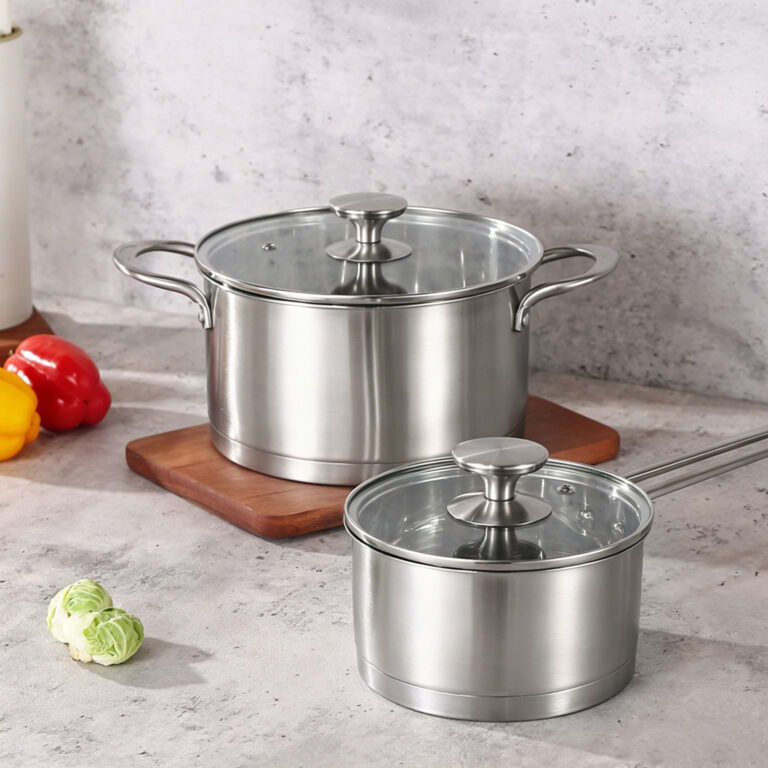
Stainless steel is the industry standard for a reason. It doesn’t react with acidic ingredients like tomatoes or wine, which means your broth tastes like broth — not like metal. It’s durable enough to handle daily use in commercial kitchens without warping or degrading over time. It’s also dishwasher-safe and resistant to staining.
The grade of stainless steel matters significantly. 304 stainless steel (also called 18/8, referring to its chromium and nickel content) is the benchmark for food-safe cookware. It resists corrosion, holds up to acidic foods, and maintains its surface integrity after thousands of wash cycles. Lower grades, like 201 stainless, are more susceptible to corrosion over time, especially with acidic ingredients or heavy salt use.
One limitation of stainless steel on its own: it’s not a great heat conductor. That’s why the best stainless steel stock pots use clad construction — bonding an aluminum or copper core between layers of stainless steel. The aluminum distributes heat quickly and evenly; the stainless provides durability and a non-reactive cooking surface.
Aluminum Stock Pots
Aluminum heats faster than stainless steel and costs less, which is why it’s common in budget-oriented commercial kitchens. The drawback is reactivity — aluminum can interact with acidic ingredients, particularly over extended cooking times, which can affect flavor and, in some formulations, introduce trace metals into food.
Hard-anodized aluminum addresses the reactivity issue by treating the surface to create a harder, non-reactive layer. It’s a reasonable option for high-heat applications where speed matters more than longevity.
Nonstick Stock Pots
Nonstick coatings in a stock pot context are less common than in frying pans, but they do exist. They simplify cleanup, particularly for starchy recipes like chowders or bean-based soups that can stick to bare metal. The trade-off is coating durability — nonstick surfaces degrade with abrasive cleaning tools, high heat, and metal utensils. For heavy commercial use, nonstick stock pots tend to have a shorter lifespan than their stainless counterparts.
Induction-Compatible Stock Pots
Induction stovetops require cookware with a magnetic base. Not all stainless steel is magnetic — the high nickel content in 304 stainless can reduce magnetic response. Manufacturers address this by laminating a magnetic stainless layer onto the base of the pot. If induction compatibility is a requirement for your kitchen setup, verify it explicitly before purchasing. The spec sheet should state induction compatibility; don’t assume it based on material alone.
How to Choose the Right Stock Pot
This is where the purchasing decision gets real. Several factors should guide your choice, and they interact with each other in ways worth thinking through carefully.
Choosing the Right Size
For home kitchens, an 8- to 12-quart stock pot handles most tasks comfortably — soups for four to six people, pasta for a crowd, weekend stocks. If you batch cook regularly or cook for larger groups, a 16- to 20-quart pot gives you more flexibility.
Commercial kitchens should size based on their heaviest typical load, not their average. A 20-quart pot running at 60% capacity every service is a better investment than a 12-quart pot running at capacity and limiting throughput.
Material Considerations
For long-term value and food safety, 304 stainless steel with a clad aluminum or copper base is the most defensible choice. It handles acidic ingredients without flavor transfer, cleans easily, resists warping, and performs consistently across all stovetop types except induction (unless specifically designed for it).
If budget is a primary constraint, aluminum is a viable option — but be aware of the reactivity limitations and plan your menu accordingly.
Lid and Handle Design
A lid that fits precisely is not a small detail. A loose lid allows steam to escape during long simmers, which forces you to add water periodically and dilutes your stock. Look for lids with a tight seal and a heat-resistant handle or knob.
Handles should be riveted to the pot body, not welded. Riveted handles are stronger under load. When you’re lifting a pot containing 15 liters of boiling liquid, handle security is not optional. Look for handles with ergonomic design and sufficient clearance from the pot body — hot handles are a safety hazard.
Thickness and Durability
The thickness of the base and walls directly affects heat distribution and longevity. Thicker bases resist warping under high heat and provide more thermal mass for stable cooking temperatures. In stainless steel stock pots, a base thickness of at least 3mm is a reasonable minimum. For high-frequency commercial use, 5mm or more is worth the additional cost.
Thin-walled pots are a false economy. They warp faster, create hot spots, and need to be replaced more often.
Compatibility with Stovetops
Gas, electric coil, glass-ceramic, and induction each have different requirements. Most stainless steel stock pots work on gas and electric without issues. Glass-ceramic stovetops require a perfectly flat base — any warping will result in uneven contact and heat distribution. Induction requires magnetic base construction, as noted above. Confirm compatibility with your specific stovetop type before purchasing, particularly if you’re equipping a commercial kitchen with multiple cooking stations.
Stock Pot Care and Maintenance Tips
A quality stock pot, properly maintained, should last years — often decades. The way you clean and store it determines whether you reach that potential.
Proper Cleaning Methods
For stainless steel, hot water, dish soap, and a non-abrasive sponge handle the vast majority of cleaning tasks. Avoid steel wool or harsh scrubbing pads on polished surfaces — they create micro-scratches that accumulate grime over time and dull the finish.
For stubborn residue or discoloration, a paste of baking soda and water applied with a soft cloth works well without damaging the surface. White vinegar dissolved in warm water removes mineral deposits (white rings or spots) that form from hard water. These are cosmetic issues, not structural ones, but addressing them keeps the pot looking clean and professional.
Never soak stainless steel pots in salt water. Salt accelerates corrosion, particularly at welds and joints. Add salt to boiling water, not cold, and don’t let salt water sit in the pot for extended periods.
Preventing Stains and Warping
Heat the pot gradually rather than placing it on maximum heat immediately. Sudden thermal shock — particularly on thin-walled pots — accelerates warping. On gas stovetops, make sure the flame doesn’t extend significantly beyond the base of the pot; this can discolor the exterior walls.
“Rainbow” discoloration on stainless steel — a blue or gold iridescence — is caused by overheating. It’s not harmful, but it indicates the pot was heated empty or at excessive temperatures. Prevent it by always having liquid or oil in the pot before applying high heat.
Storage Recommendations
Stack stock pots with care. Nesting them directly without protection can scratch the interior surfaces over time. A cloth or paper layer between nested pots prevents scratching. Store lids separately or inverted on top of the pot, not wedged inside — a sealed lid traps moisture, which encourages odor and, in lower-grade steels, surface oxidation.
How to Extend the Lifespan of Your Stock Pot
The single most important factor in stock pot longevity is using the right cleaning tools consistently. Abrasive pads are the primary cause of premature surface degradation. The second factor is avoiding thermal shock — letting a very hot pot cool partially before submerging it in water prevents stress fractures and warping.
For commercial kitchens, rotating stock pots in your inventory (rather than using one pot exclusively) distributes wear across multiple units, extending the effective lifespan of your overall equipment. Inspect handles and rivets periodically. A loose rivet is a warning sign; address it before the handle fails under load.
Conclusion
A stock pot is one of the most straightforward investments you can make in your kitchen — provided you choose the right one. The fundamentals matter: material quality, wall thickness, handle construction, lid fit, and stovetop compatibility. Get those right, and you have a vessel that supports serious cooking for years.
The difference between a pot that performs reliably and one that warps, stains, or fails within a year often comes down to manufacturing quality — the grade of steel used, the precision of the base construction, the quality of the rivets and handles. These aren’t details you can assess from a product photo. They come from understanding what to look for and sourcing from manufacturers who build to consistent, verified standards.
If you’re sourcing stock pots for a kitchen operation — whether outfitting a restaurant, equipping a catering setup, or building out a retail product line — those manufacturing details are exactly where your evaluation should start.