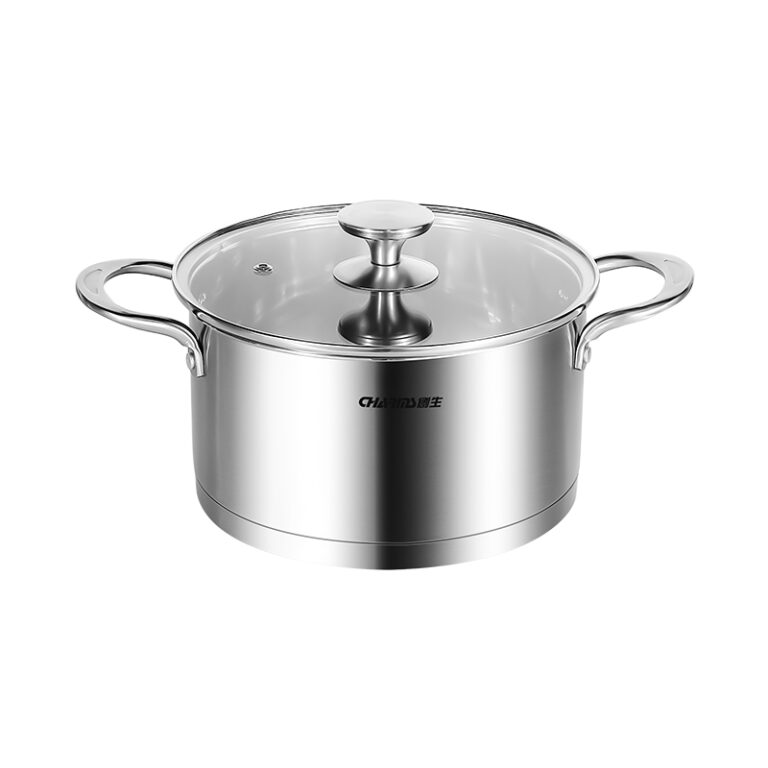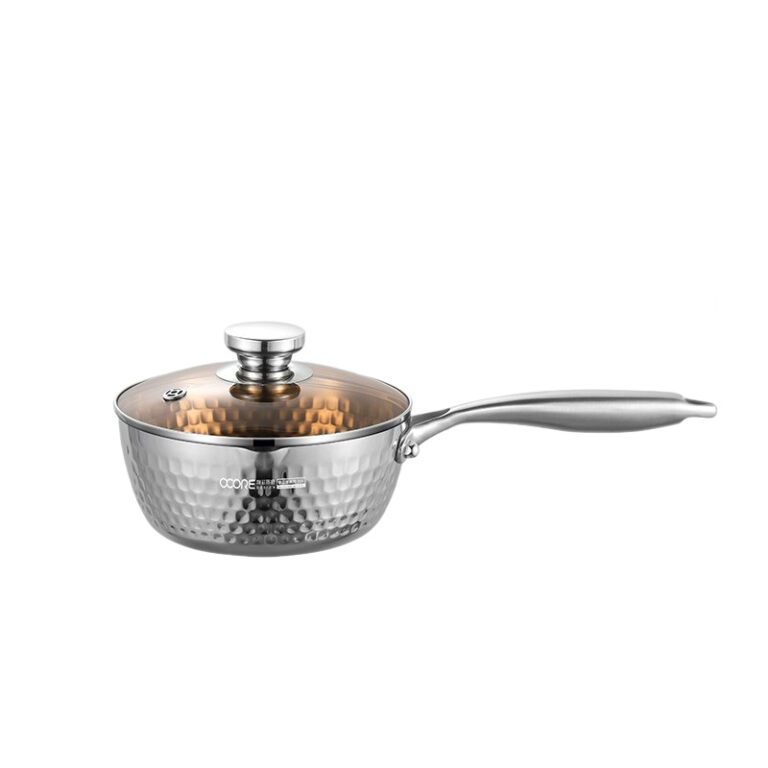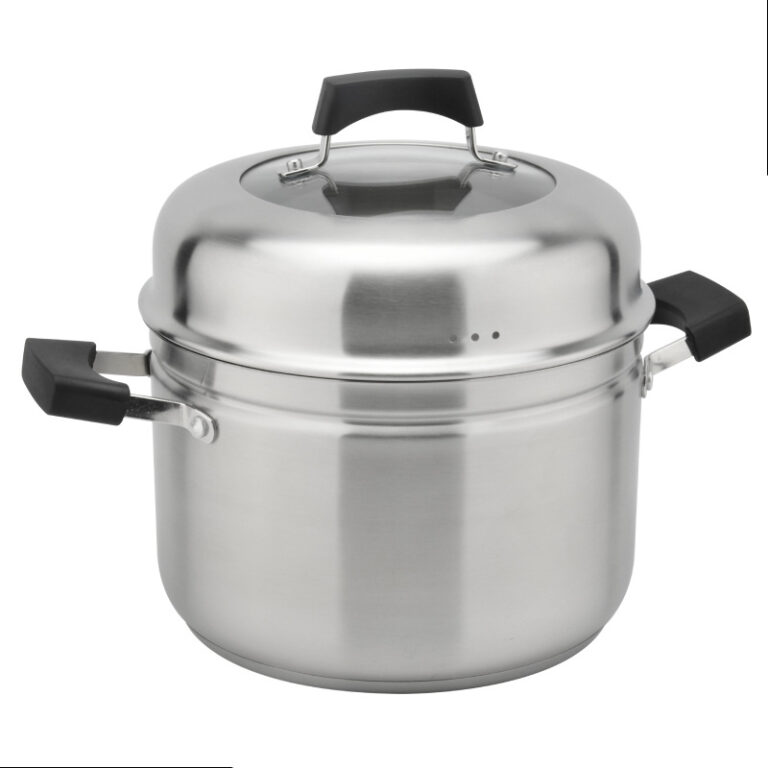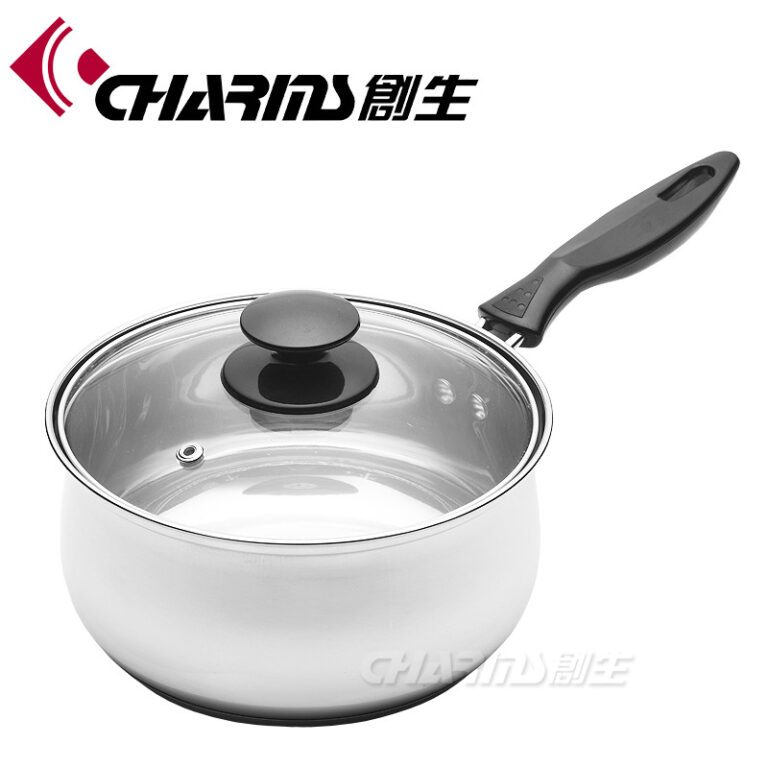

Are you trying to understand the difference between a pot and a milk jug? Then you’ve come to the right place. Charms Cook, a stainless steel cookware manufacturer based in Guangdong, China, has over 30 years of industry experience. We have witnessed that choosing the wrong cookware often leads to low efficiency, unstable results, or unnecessary replacement costs.
In this article, I will guide you to understand the fundamental differences between a pot and a milk jug. From both practical and manufacturing perspectives, it will assist you in making a clearer and more informed choice between the two.
What is a sauce pan?
The frying pan is one of the most fundamental and indispensable kitchen utensils in any well-equipped kitchen, especially when stainless steel cookware is involved. It is designed to withstand controlled heat, frequent use, and a wide range of cooking tasks while maintaining consistent and reliable performance. But have you ever wondered why this type of pan has remained a staple in professional kitchens for so many years? Is it truly just “all-purpose,” or was it intentionally designed for high-frequency, demanding operations?
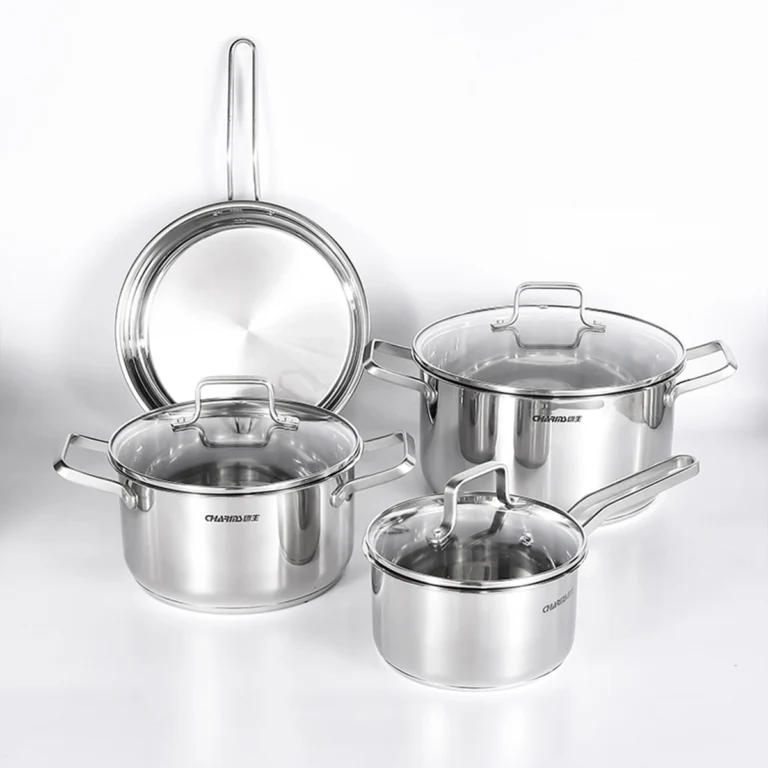
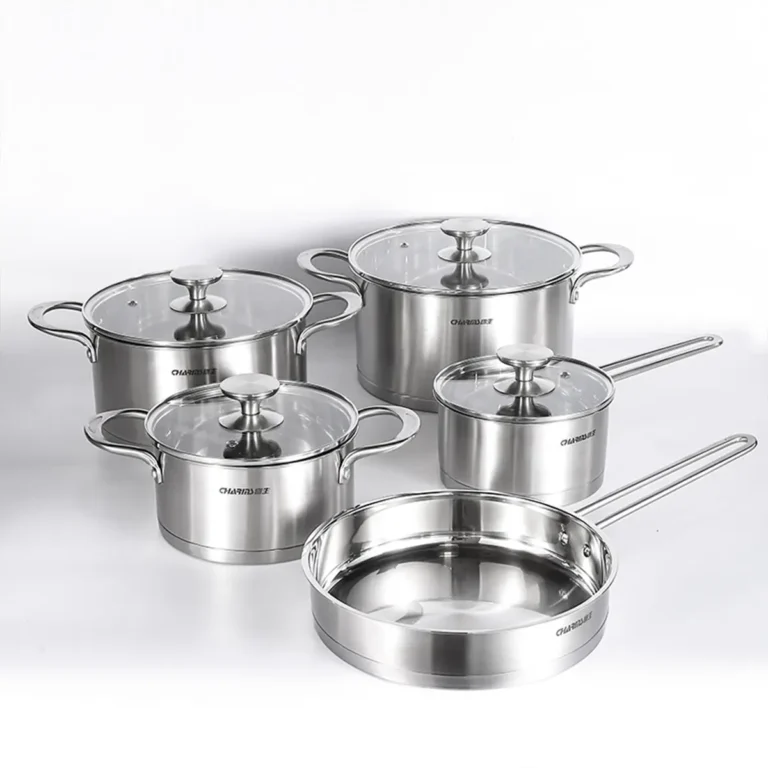
From a structural perspective, a frying pan typically features straight or slightly outward-sloping sidewalls, a flat base, and a relatively long handle. These elements are not randomly combined. Straight sidewalls help retain liquids and reduce unnecessary evaporation, which is especially important when slow-cooking sauces, preparing grains, or reducing liquids where precise heat control is required. The flat base ensures full contact with the heat source, allowing the pan to deliver uniform heating across different cooking appliances such as gas stoves, induction cookers, and electric cooktops.
In stainless steel cookware, high-quality frying pans rarely use a single-layer construction. Most professional-grade products rely on a multi-layer composite structure, usually incorporating aluminum or copper sandwiched between stainless steel layers. This design significantly improves heat conductivity while maintaining durability and corrosion resistance. As a result, the pan heats more evenly and responds more predictably to temperature adjustments, effectively reducing localized hot spots that can cause food to scorch. After all, if heat distribution were unstable, how could such a pan reliably handle complex cooking processes?
Capacity is another key characteristic that defines frying pans. Common capacities typically range from 1.5 liters to 5 liters or more. This flexibility allows the pan to perform equally well in small-batch, precision cooking and in handling larger quantities of ingredients. In professional and commercial kitchens, frying pans are often treated as a benchmark product, with their performance directly influencing how the overall quality of a cookware line is perceived.
In practical use, a frying pan supports slow cooking, boiling, reheating, blanching, emulsification, and even gentle stir-frying. Its design emphasizes versatility and ease of control rather than a single specialized function. It is precisely this ability to adapt to a wide variety of cooking scenarios that has allowed the frying pan to maintain its central role within stainless steel cookware systems for decades.
What is a milk pot?
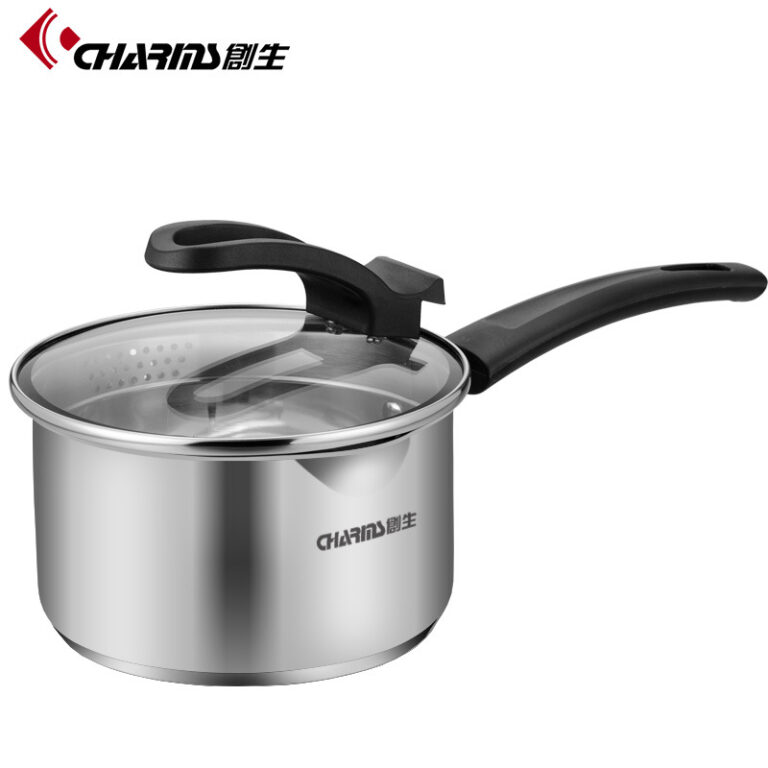
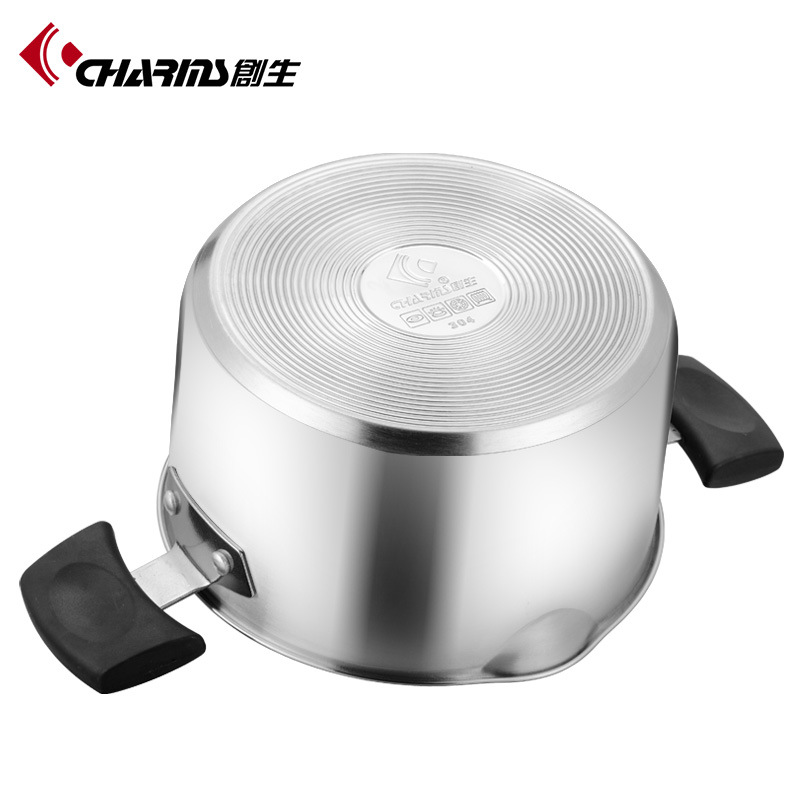
The milk pot is a type of kitchenware that is more specialized in its purpose, mainly used for gently and safely heating liquids. It might look like a small sauté pan, but is it really just a miniaturized version? In fact, it already differs in terms of size and the focus of its use.
The capacity of milk pots is usually relatively small, typically ranging from 0.8 to 2 liters. The body of the pot is generally narrower and taller. This design reduces the exposed surface area of the liquid, thereby slowing down evaporation. This is particularly important when heating milk or other dairy products, as rapid evaporation can affect both taste and concentration.
One obvious feature is that milk pots usually have a spout or a lip at the top. This design is intended to make pouring liquids more stable and cleaner, reducing spills and leaks. Are such details really necessary when making beverages or desserts? In practice, the answer is usually yes.
For stainless steel cookware, the focus is more on the thickness of the bottom rather than the heating speed. Milk is prone to burning, and uneven heating can leave stubborn, hard-to-clean marks. A thicker bottom helps distribute heat more evenly, reducing the risk of sudden temperature spikes.
The handle of a milk pot is usually shorter, and the overall weight is lighter, making one-handed operation very common. The design of the handle focuses on stability and control rather than increasing the force required.
Although the milk pot can also be used to heat soups or sauces, it cannot truly replace a frying pan. Its real advantage lies in heating liquids that are sensitive to temperature, allowing for stable and controllable results.
What are the main differences between a milk pot and a sauce pan?
| Dimension | Sauce Pan | Milk Pot |
|---|---|---|
| Primary function | General-purpose cooking and liquid preparation | Gentle heating of milk and delicate liquids |
| Typical capacity | 1.5L–5L or more | 0.8L–2L |
| Body shape | Straight or slightly flared walls | Taller, narrower body |
| Base construction | Multi-layer or fully clad for responsiveness | Thicker base for thermal stability |
| Heat tolerance | Medium to high heat | Low to medium heat |
| Pouring design | Optional spout | Spout or rolled rim is common |
| Versatility | High | Purpose-specific |
| Common environments | Restaurants, catering, home kitchens | Cafés, beverage prep, dairy-focused tasks |
| Product role | Core cookware item | Complementary or specialty item |
Typical uses and cooking scenarios
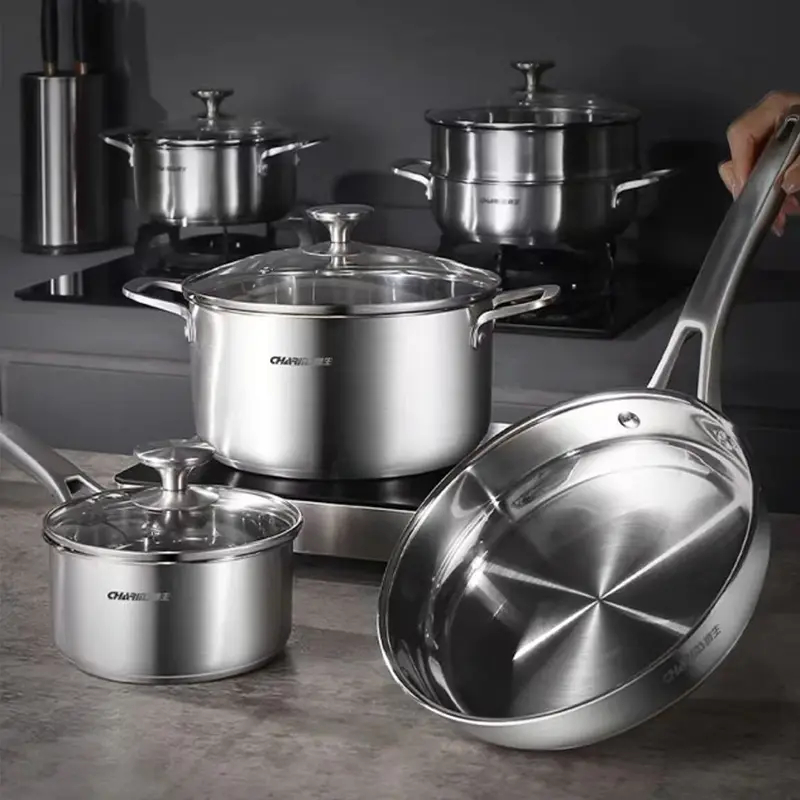
The uses of the frying pan and the milk pot are different, which directly reflects their original design intentions and functional characteristics.
The frying pan is the most commonly used tool in kitchens that require multitasking. It can withstand high heat, is suitable for multiple-step operations, and responds sensitively to temperature changes. Typical usage scenarios include:
- Slow-cooked sauces or soups
- Boiling or cooking vegetables and grains
- Heating or reheating ingredients
- Quick stir-frying or gentle tossing
- Emulsifying sauces or soup bases
The milk pot is specifically designed for heating liquids that are sensitive to temperature. Its narrow and tall body and thick bottom can slow down evaporation and prevent burning, ensuring the stability of the liquid. Typical usage scenarios include:
- Heating milk or other dairy products
- Making coffee, milk tea, or hot chocolate
- Preparing cream or dessert bases (such as pudding or custard)
- Melting chocolate or butter
- Pouring liquids precisely in small portions to avoid spillage
How to choose between a sauce pan and a milk pot
If you are unsure about how to choose between the two, please refer to the following information:
Step 1: Determine the primary use
First, clearly define what this pot will be used for most often. If you frequently cook multiple dishes, need to adjust the temperature often, or handle different types of ingredients, then a frying pan is the more suitable choice. On the other hand, if your cooking is relatively simple and mainly involves heating liquids, a saucepan will offer more precise control. Many purchasing mistakes happen simply because people focus on appearance and overlook the function.
Step 2: Select based on the heat characteristics of the ingredients
Stainless steel cookware responds directly to heat. For a frying pan, a multi-layer or fully clad structure is preferable, as it heats quickly and evenly. For a saucepan, the focus should be on the thickness of the bottom and stable heat distribution. Even if it heats slightly slower, it helps prevent liquids from burning. Matching the heat characteristics of the cookware to the sensitivity of the ingredients can reduce cooking errors and extend the pot’s lifespan.
Step 3: Select based on actual capacity
Choose a pot size based on your daily usage. Using a large frying pan for a small amount of food increases evaporation and lowers efficiency. Conversely, using a small saucepan for large quantities of liquid can limit productivity. Picking the right capacity ensures more convenient cooking and reduces waste.
Step 4: Evaluate the design and ergonomics of the handle
The length, angle, and balance of the handle directly affect comfort and safety. Frying pans typically have long handles to keep your hands away from the heat source, while saucepans usually have short, well-balanced handles to allow easy and controlled pouring of liquids.
Step 5: Confirm materials and manufacturing standards
The long-term performance of stainless steel cookware depends on the stability of the material, quality of the interlayer bonding, and surface finishing process. When sourcing from China, experienced manufacturers can reliably provide food-grade stainless steel, use mature multi-layer composite techniques, maintain consistent polishing quality, and flexibly meet custom brand requirements. The goal is not to chase the lowest cost, but to ensure consistent quality across every batch.
Step 6: Align with product positioning
Frying pans are usually the core of a cookware series, and their performance strongly influences the overall perception of the line. Sauce pans, meanwhile, demonstrate attention to detail and user experience. Choosing the right combination of both allows a kitchenware collection to cover essential functions while also catering to professional-level precision.
Conclusion
Finally, the pot and the milk pot have different uses in the kitchen. This pot is versatile and can handle various cooking tasks, making it a core tool for any kitchen. The milk pot, on the other hand, is specifically designed for gently heating liquids, ensuring accuracy and stability when handling temperature-sensitive ingredients.
By understanding their differences and advantages, you can choose the appropriate cooking utensil for each task, improving efficiency and achieving better cooking results.If you are interested in us, please contact our team on our website!