

If you’re sourcing cooking utensils at scale, you already know that the wrong purchasing decision doesn’t just cost money — it costs time, kitchen downtime, and customer trust. This guide will delve into the truly crucial issues when conducting wholesale purchases: how to assess quality without visiting the factory, how the pricing structure actually works, and how to distinguish between a reliable supplier and one that merely looks good on paper.
Why Wholesale Cooking Utensils Matter More Than You Think
Commercial kitchens are not forgiving environments. A frying pan that warps after six months or a soup ladle with a handle that loosens under repeated thermal stress doesn’t just need replacing — it creates workflow interruptions and, in some cases, safety risks.
Restaurants, catering companies, and distributors buy in bulk for obvious economic reasons. But there’s an equally important operational logic behind it: consistency. When every piece in the kitchen comes from the same production run and meets the same tolerances, your team doesn’t have to adapt to subtle variations in weight, grip, or heat distribution. That kind of uniformity is something you only get through structured wholesale procurement.
Cost savings through bulk purchasing are real, but they compound best when quality is built into the baseline. A lower unit price on substandard cookware that requires replacement every 12 months is not a cost saving — it’s a deferred expense with a worse total-cost outcome than a higher-unit-price product that lasts three to five years.
The Full Range of Wholesale Cooking Utensils and Kitchen Products
Understanding the full product landscape helps you consolidate purchasing and work with fewer suppliers. Below is a structured overview of the main categories you’ll encounter.
| Category | Products | Common Use Cases |
|---|---|---|
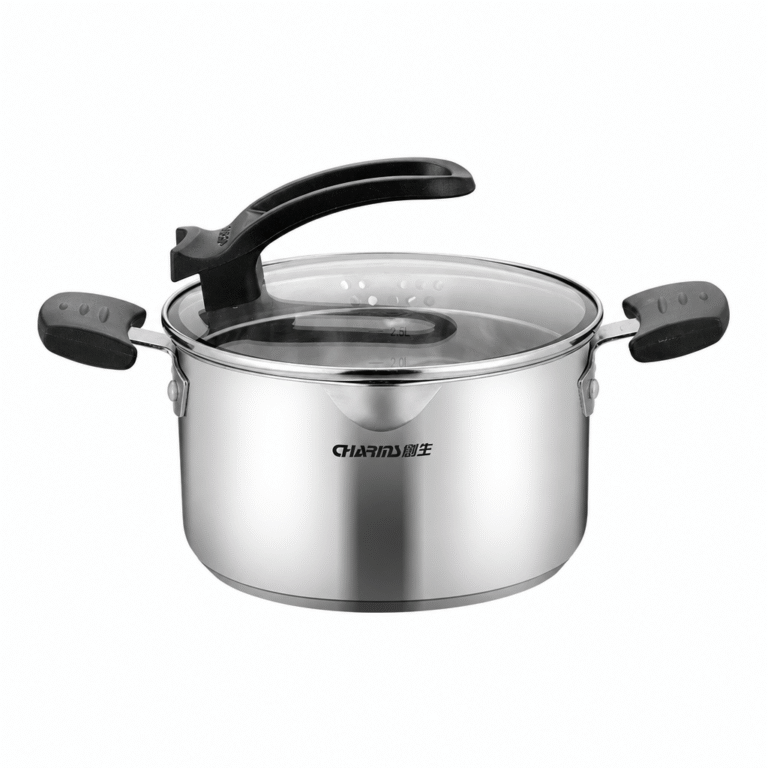
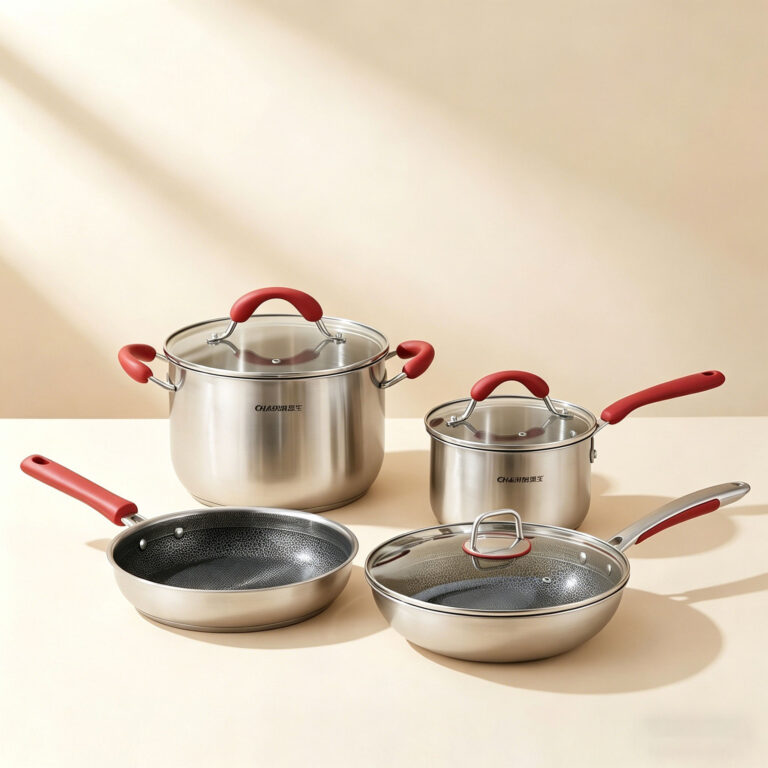
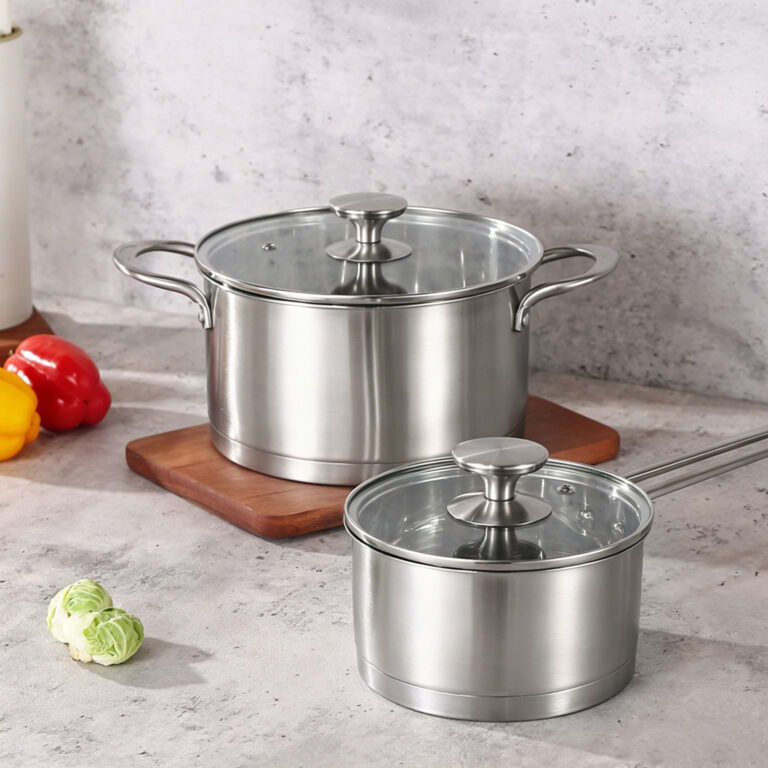
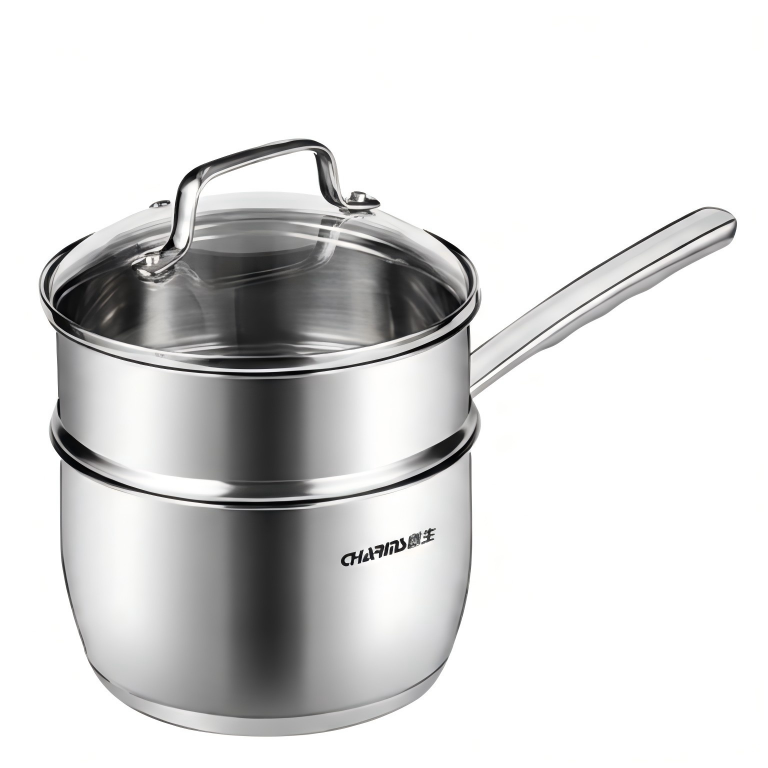
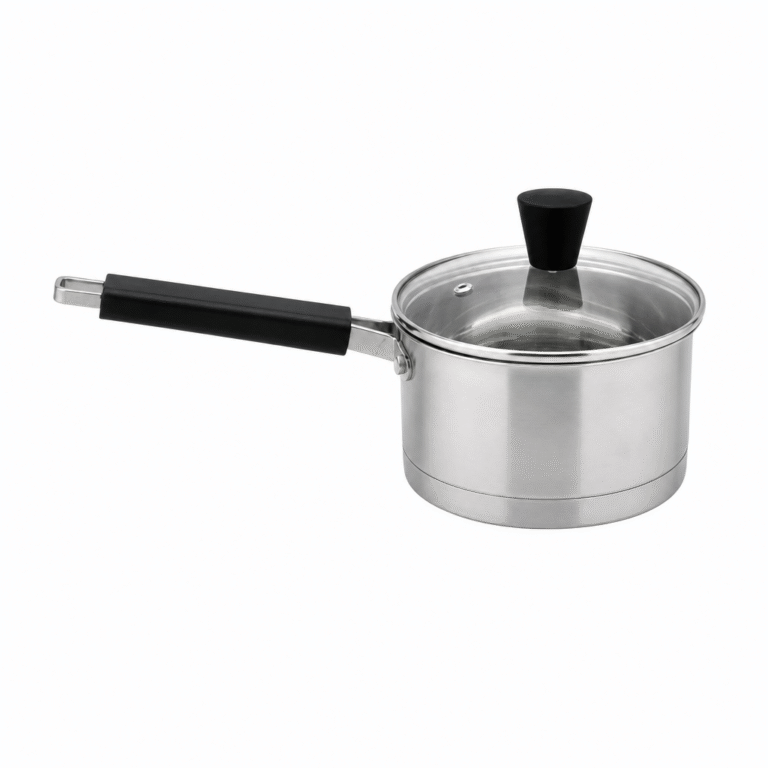
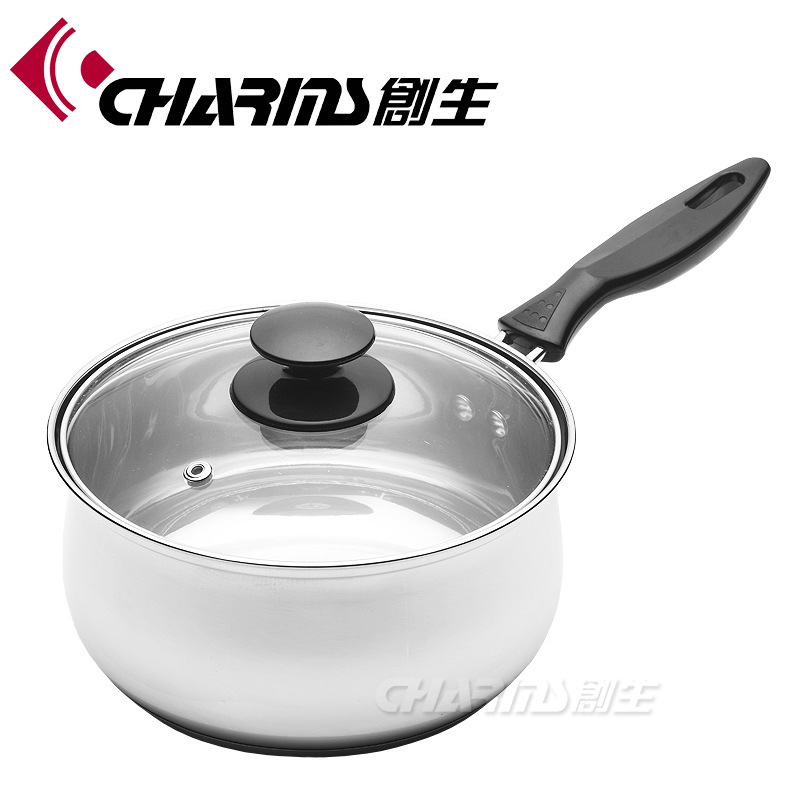
| Cookware | Cookware sets, frying pans, stock pots, woks, hot pots, pressure cookers, steamers, saucepans | Restaurant kitchens, hotel catering, institutional cooking |
| Drinkware | Kettles, water dispensers, beverage-related vessels | Hospitality, cafeteria service, outdoor events |
| Storage Solutions | Food containers (304 stainless steel), sealed tanks, airtight lids | Meal prep, bulk ingredient storage, food safety compliance |
| Tableware | Cafeteria trays, plate and bowl sets, serving pieces | Canteens, school cafeterias, hotel dining |
| Utensils & Accessories | Mixing bowls, strainers, ladles, colanders | All commercial kitchen segments |
| Outdoor & Camping Kits | Portable cookware, multi-piece camping sets | Catering outdoors, event hospitality, retail distribution |
Each category has its own set of quality benchmarks and sourcing considerations. Stainless steel cookware sits at the core of most commercial procurement lists because of its durability, food safety profile, and compatibility with professional cooking environments. But storage and tableware often represent the highest-volume orders for distributors — and they carry equally important compliance requirements.
How to Evaluate Quality in Wholesale Cooking Utensils
Quality in cookware is not one thing. It’s a layered set of attributes that interact with each other. Evaluating any product category seriously means looking at material composition, fabrication standards, thermal performance, and ergonomics — not just surface finish.
Material Selection
Stainless steel is the default for professional cookware because of its corrosion resistance, structural integrity, and food safety. But not all stainless steel is equal. 304 (18/8 chromium-nickel) is the industry standard for food-contact surfaces, offering good resistance to acidic foods and everyday use. 316 adds molybdenum for superior corrosion resistance, which matters most for applications involving saltwater or highly acidic ingredients. 201 is more affordable but less durable over time — acceptable for some applications, problematic for others.
Aluminum is lightweight and heats quickly. When used as a core layer in clad cookware (tri-ply or multi-ply construction), it improves heat distribution significantly. As a standalone material, it’s less suitable for commercial use due to reactivity and durability concerns.
Non-stick coatings (PTFE-based or ceramic) require careful evaluation. High-quality non-stick pans use multiple coating layers applied with precision. The key marker is how evenly and durably the coating bonds to the substrate. Products with PFOA-free certifications are the baseline requirement for export markets; look for FDA compliance documentation for the US market.
Silicone components — handles, gaskets, lids — should be food-grade and heat-rated to at least 230°C for commercial applications.
Durability and Heat Performance
Thermal cycling is one of the harshest tests for cookware. A pot that’s heated rapidly, subjected to high contents, and cooled quickly will reveal any weakness in its construction within months. For commercial buyers, asking for heat resistance specifications and requesting third-party test data is a reasonable baseline.
Clad-bottom construction, where an aluminum or copper disk is bonded to a stainless steel base, delivers more even heat distribution and reduces hot spots. The bonding method matters: impact-bonding is adequate for lighter use, but brazing — particularly high-frequency induction brazing — produces a stronger, more consistent bond. This is particularly relevant for high-output commercial kitchens where pots are on burners for extended periods daily.
Food Safety Standards and Certifications
For any buyer selling into regulated markets — North America, Europe, Australia — certification documentation is non-negotiable. The key certifications to look for include:
- FDA compliance for food-contact materials (US market)
- LFGB or EU food safety standards (European market)
- ISO 9001 for quality management systems
- REACH compliance for chemical safety in European exports
Manufacturers who supply OEM to major brands typically maintain these certifications as standard. Ask to see current certificate copies, not just logo claims on a product page.
Ergonomic Design
Commercial kitchen staff use the same utensils dozens or hundreds of times per day. Poorly designed handles cause fatigue; unbalanced weight distribution increases the risk of spills; lids that fit imprecisely waste heat. For high-frequency use environments, ergonomic design isn’t a nicety — it affects operational efficiency and worker comfort over a full shift.
When evaluating samples, test grip comfort with a wet hand (conditions in a working kitchen), check that lid handles are heat-resistant without using a cloth, and assess whether the weight distribution makes pouring or transferring food manageable for the expected contents volume.
Understanding Wholesale Pricing Structures
Pricing in wholesale cookware is less opaque than many buyers assume once you understand the variables. Getting to the right price isn’t just about pushing for a lower number — it’s about understanding what’s in the number.
What Drives the Unit Price
Material costs are the largest variable. 304 stainless steel, aluminum cores, and premium non-stick coatings all carry different cost profiles. Multi-ply construction (tri-ply, five-ply) is significantly more expensive than single-layer fabrication because of material input and processing complexity.
Manufacturing process affects cost substantially. Products requiring precision brazing, etching (like honeycomb non-stick patterns), or multi-stage forming processes carry higher production costs than stamped single-layer pieces. The production technology involved — automated versus manual processes, Korean high-frequency brazing versus standard bonding — directly influences both cost and quality outcome.
Design complexity matters for both tooling amortization and labor input. Simple forms with standard specifications are cheaper per unit. Custom shapes, laser-engraved logos, unique handle geometries, or proprietary lid designs require tooling investment that’s usually amortized across the order volume.
Surface finishing — mirror polishing, brushed finishes, electropolishing — adds cost and time but significantly affects perceived quality and durability. Electropolishing, in particular, improves corrosion resistance measurably.
Volume Tiers and Pricing Brackets
Most manufacturers use tiered pricing brackets. The step-change points vary by product type, but common breakpoints appear at 100 units, 300 units, and 1,000+ units per SKU. The discount curve is steepest between the first and second tier; beyond a certain volume, marginal discounts flatten.
For distributors sourcing multiple SKUs, consolidating your order with a single supplier often unlocks better aggregate pricing than splitting across multiple sources to hit each product’s lowest price independently. A supplier who can provide your entire cookware range, storage, and tableware categories gives you leverage in annual volume negotiations.
Packaging, Customization, and Logistics
Packaging is often underweighted in initial price comparisons. Standard export cartons are low-cost; retail-ready individual packaging with custom branding adds cost but enables you to sell at retail margins without secondary packaging investment.
OEM customization — custom logos, branded packaging, color variants, private-label specifications — typically requires a minimum order quantity (MOQ) negotiation and tooling fees for new molds or laser-engraving setups. ODM services, where you’re working from a manufacturer’s existing design infrastructure and adapting it, tend to have lower upfront costs than fully custom OEM development.
Logistics costs are increasingly significant. Guangdong-based manufacturers benefit from proximity to Yantian, Shekou, and Nansha ports — among China’s highest-throughput export terminals — which supports faster dispatch and better freight rate access. For buyers in North America, Europe, or Southeast Asia, the difference in transit reliability between a well-positioned Guangdong supplier and an inland manufacturer can be measured in days on a regular basis.
Balancing Cost Against Long-Term Value
The temptation in wholesale procurement is to optimize for unit price. The more experienced approach is to optimize for total cost of ownership — unit price × expected replacement frequency. A stainless steel stock pot at a mid-tier price point that performs reliably for five years in a commercial kitchen is far more economical than a lower-cost version replaced annually.
When you’re building your cost model, factor in: warranty terms and how they’re actually enforced, after-sales support for quality issues, and whether your supplier can fulfill replacement orders with consistent quality matching your original batch.

Choosing the Right Wholesale Cookware Supplier
The supplier decision is where most procurement problems originate. A good product specification is only as reliable as the manufacturer’s ability to execute it consistently at volume.
Manufacturer vs. Trading Company
The distinction matters more than many buyers realize. Trading companies purchase from manufacturers and add a margin; they offer flexibility in sourcing across product categories but typically have less visibility into actual production processes and limited ability to resolve quality issues at the factory level.
Direct manufacturers offer better pricing at equivalent quality, deeper technical capability for customization, and more reliable accountability for quality problems. The tradeoff is that a single-factory manufacturer may have narrower product range — though larger manufacturers operating across multiple production lines can cover a broad category range from one facility.
For buyers who need OEM services, working directly with a manufacturer is essential. Trading companies rarely have the tooling infrastructure or engineering capacity to manage custom product development from specification to production.
Production Capacity and Supply Consistency
A supplier’s stated capacity should be verifiable. Key indicators include the facility size, number of production lines, and annual output figures. A facility with 300+ production lines and 40,000+ square meters of production space represents a meaningfully different supply reliability profile than a smaller operation. During peak seasons or when demand spikes, capacity-constrained suppliers are the first to slip delivery schedules.
Ask about production planning lead times, current utilization rates, and how the supplier handles priority conflicts between customers. Experienced exporters have systems for this; newer operations often don’t.
Quality Control Systems
A supplier’s quality management certification tells you about their documented processes. What you want to understand is how those processes are applied in practice. Key questions: At what stages is quality inspection conducted? Is there in-line inspection during production, or only final inspection before shipment? What is the rejection threshold, and what happens to rejected product? Is there third-party testing for food safety compliance, and how often?
ISO 9001 certification establishes a quality management framework, but the depth of its implementation varies. Manufacturers who have received recognition as “Inspection-Exempt” products from national quality bodies — a designation that requires sustained performance over time — offer a higher baseline of assurance than certification alone.
Communication Efficiency and Export Experience
Export experience matters practically, not just reputationally. A supplier who regularly ships to North America, Europe, and other regulated markets will have documentation workflows, compliance knowledge, and logistics relationships that simplify your procurement process considerably.
Communication quality is often underweighted in supplier evaluation. An account manager who responds within hours and can give you accurate production status updates reduces your operational overhead substantially. Real-time coordination through online channels, combined with the ability to handle bilingual documentation, is a genuine operational advantage.
Product Matching: Selecting the Right Items for Each Use Scenario
Not every cooking utensil is appropriate for every context. The same product category can have quite different specifications depending on where it’s used.
Restaurant and Hotel Kitchens
High-volume professional kitchens prioritize durability and thermal performance over everything else. Stock pots and woks used daily in high-BTU environments need heavier-gauge construction, reinforced handles with secure riveting, and lid fits that maintain seal under steam pressure. Clad-bottom technology is particularly valuable here because it reduces the likelihood of scorching and hot spots when cooking large batches.
For hotel catering operations, presentation matters alongside function. Mirror-polished serving pots, aesthetically consistent plate and bowl sets, and cafeteria trays with clean, durable finishes support the front-of-house standards these environments require.
Outdoor and Event Catering
Portable cookware for catering outdoors needs to balance performance with practicality. Compact camping kits — multi-piece sets with nesting designs, lightweight stainless steel construction — serve both commercial catering companies and retail distribution into outdoor and camping markets. The dual-channel nature of this product category (professional use and consumer retail) can be commercially interesting for distributors.
Storage and Food Safety Applications
304 stainless steel food containers with airtight lids are among the most specification-sensitive products in the category. The lid seal quality, container gauge, and corner construction all affect how well the product performs its core function: keeping food safe. For procurement into food service environments, FDA certification for food-contact surfaces is a baseline requirement, not an optional feature.
Sealed tanks for bulk ingredient storage follow similar considerations. The lid mechanism, gasket material, and weld quality in seam areas all affect longevity and food safety performance.
Daily Utensils: Ladles, Strainers, and Mixing Bowls
These are the highest-turnover items in most commercial kitchens. The premium specification for these products centers on three things: handle attachment method (welded vs. riveted vs. stamped), gauge consistency across the bowl or basket, and the quality of any surface finishing on food-contact surfaces.
Mixing bowls in stainless steel should have a stable base with adequate weight to prevent movement during use. Strainers should have uniform perforation across the basket without sharp edges at the perimeter. Ladles should have a comfortable, heat-insulated handle grip with sufficient hook or rest design to keep them off the work surface between uses.
Common Mistakes in Wholesale Kitchen Equipment Purchasing
These aren’t theoretical errors — they’re patterns that experienced procurement teams have learned the hard way.
Prioritizing unit price over total durability cost. This is the most common and most expensive mistake. A 15% lower unit price on a product with 40% of the service life is a net loss. Build replacement cycles into your cost model from the start.
Skipping supplier verification. Certificate copies on a website are marketing materials, not verification. Actual factory audits, or third-party audit reports from recognized bodies, are the reliable baseline. For initial supplier qualification, requesting a sample order and testing it against your specifications is the minimum standard.
Ignoring cross-category compatibility. If you’re sourcing cookware, storage, and tableware from different suppliers, check that lid dimensions, tray sizes, and container specifications are compatible where they interact. Procurement decisions made in silos create operational problems on the floor.
Underestimating long-term replacement costs. Discontinuation of a SKU, production line changes, or supplier quality drift over time all create replacement cost risks. Suppliers with stable production infrastructure and clear documentation of product specifications give you better protection against sudden replacement challenges.
Not accounting for customs and compliance documentation upfront. For import into regulated markets, missing or incorrect documentation — FDA food contact declarations, REACH compliance statements, certificate of origin, product test reports — creates customs delays that can be measured in weeks. Confirm documentation requirements before placing any order.
How Charmscook Supports Wholesale Cooking Utensil Procurement
Charmscook is a stainless steel cookware manufacturer based in Caitang, Guangdong — a region with a long-established reputation as China’s center of stainless steel manufacturing. The facility has operated since 1989, with production capabilities expanded over nearly three decades to a current scale of 40,000 square meters and 300+ production lines, enabling an annual output of 10,000 tons.
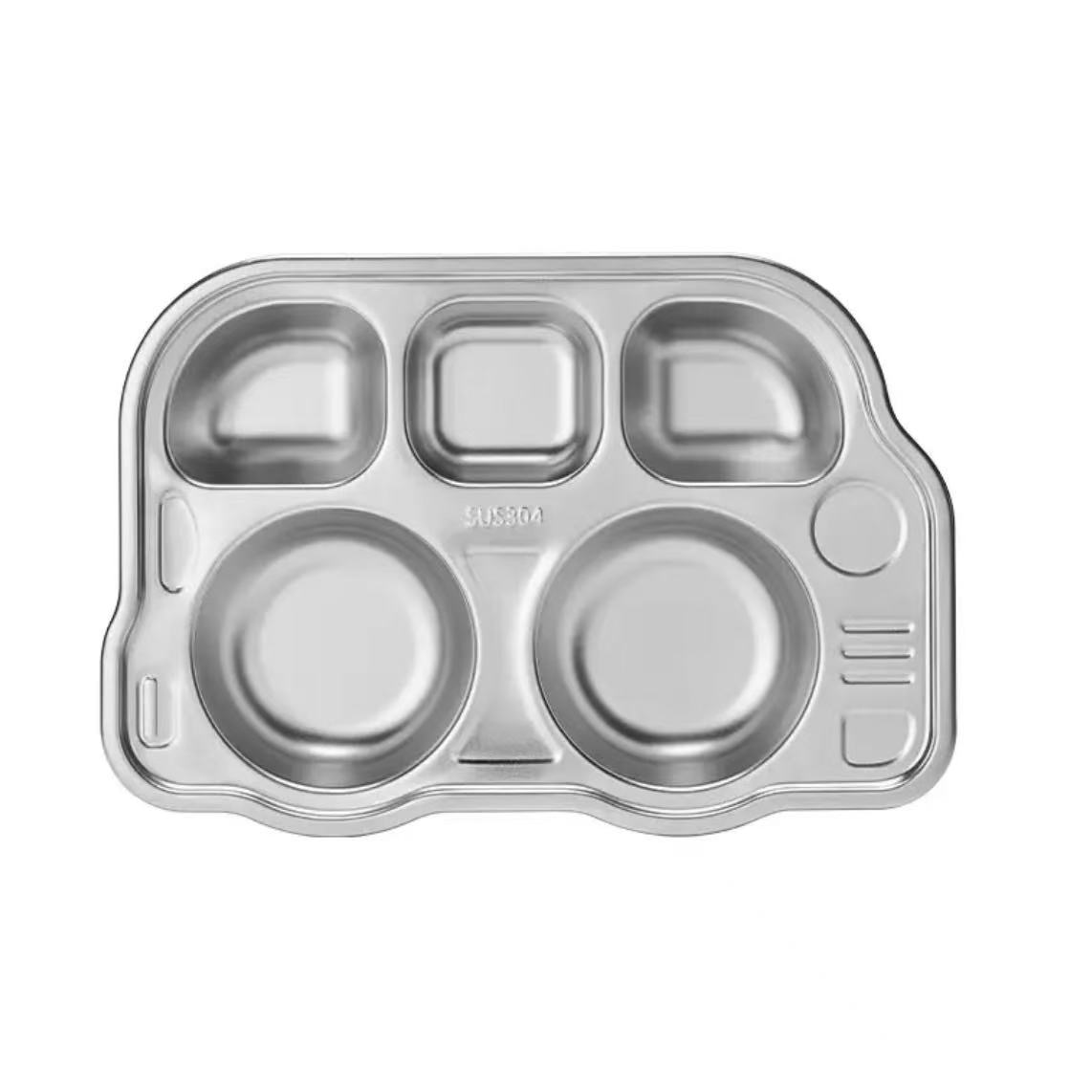
The product range covers the full kitchen procurement spectrum: cookware (frying pans, stock pots, woks, pressure cookers, steamers, saucepans, cookware sets, hot pots), drinkware (kettles), storage (304 stainless steel food containers, sealed tanks), tableware (cafeteria trays, plate and bowl sets, mixing bowls), utensils (strainers and ladles), and outdoor/camping kits.
Quality certifications include ISO 9001 (quality management), ISO 14001 (environmental management), and OHSAS 18001 (occupational health and safety), alongside FDA certification for food-contact products. Charmscook holds recognition as a National Inspection-Exempt Product recipient — a designation based on sustained quality performance — and operates as a Guangdong High-Tech Enterprise with 50+ patents in cookware innovation.
Manufacturing technology includes Korean high-frequency brazing technology for clad-bottom construction, fully automated production processes, and engineering capability for patented product designs including multi-layer steamers and energy-saving pressure cookers. R&D is supported by a dedicated team of 30+ engineers with expertise in material science and ergonomic design.
OEM and ODM services span the full development cycle, from design and specification to mass production. Charmscook operates as a trusted OEM partner for SUPOR, one of China’s largest cookware brands — a relationship that reflects production capability and quality reliability at commercial scale. Customization options include steel grade selection (201, 304, 316), polishing method (mirror, brush, electropolishing), custom coating and color, laser or steel-seal logo application, non-stick spraying including etched honeycomb processes, clad-bottom configuration, and retail packaging design.
Logistics is supported by Guangdong’s port infrastructure, with real-time customer service coordination for order management and export documentation. For distributors and procurement teams managing global supply chains, the proximity to major export ports translates into reliable dispatch timelines.
For buyers looking to consolidate wholesale cooking utensil and kitchen equipment sourcing under a single, verified supplier relationship — with documented quality standards, full OEM capability, and broad product coverage — the supply model Charmscook represents is worth evaluating against your current supplier mix.