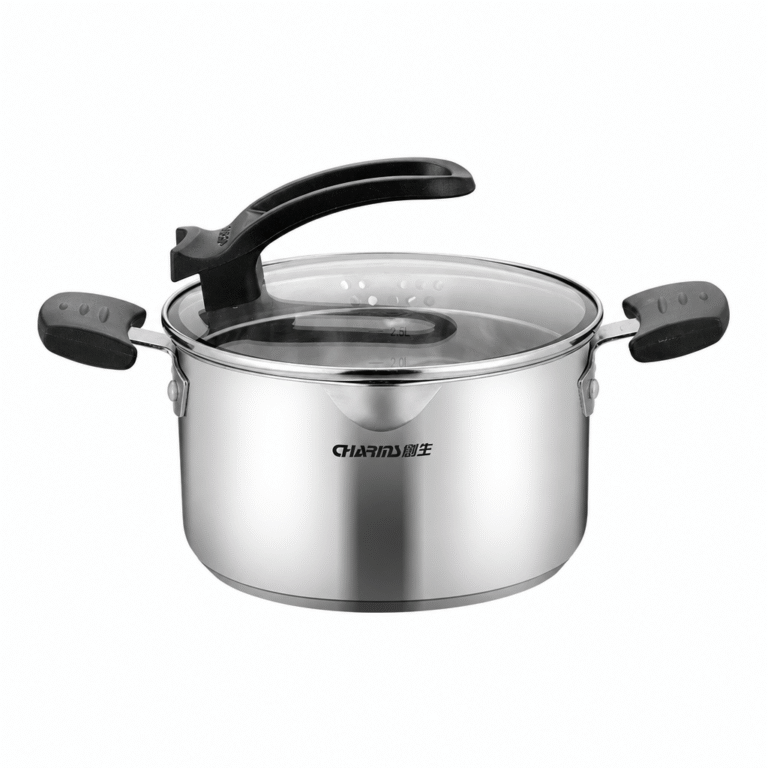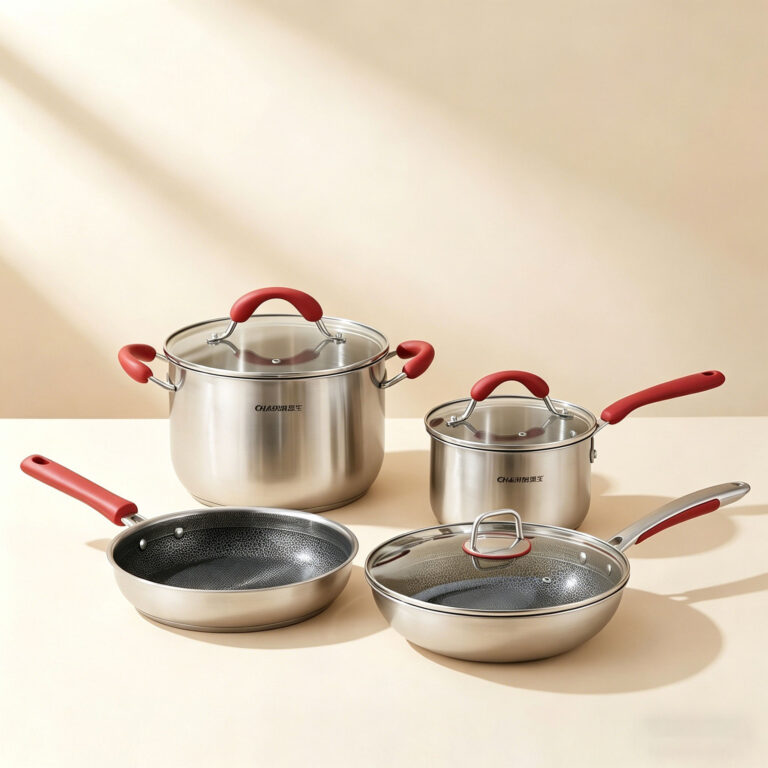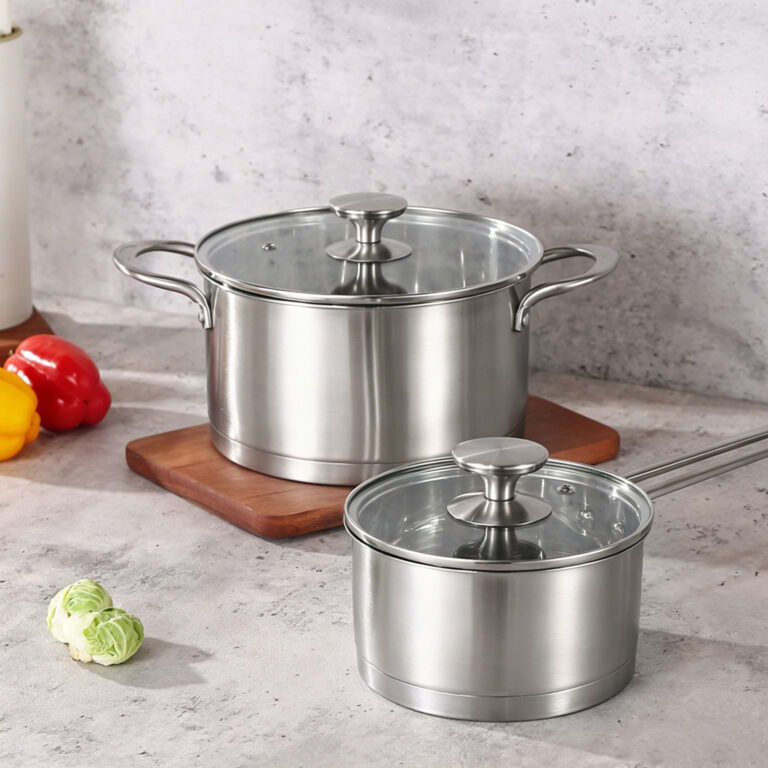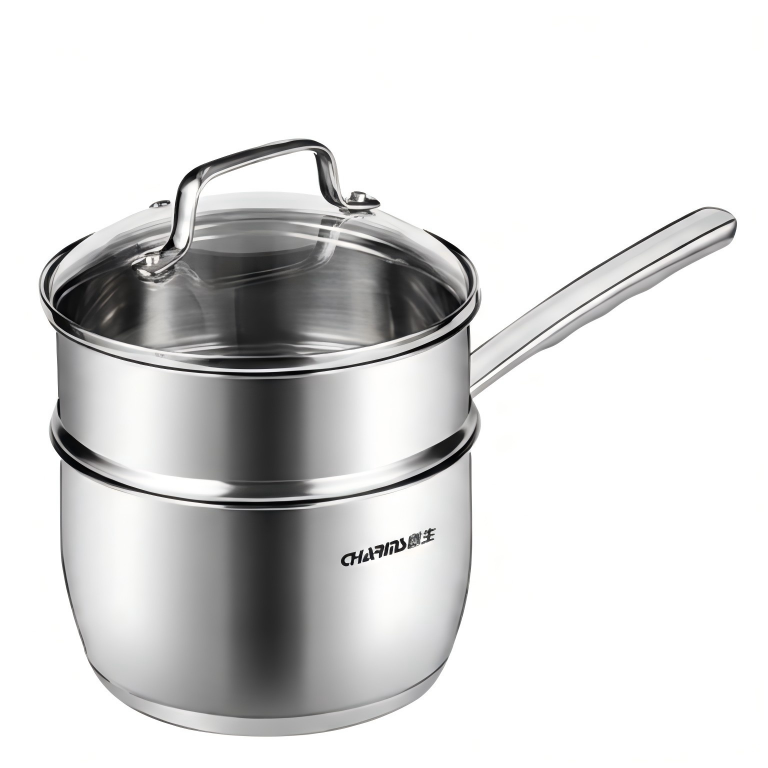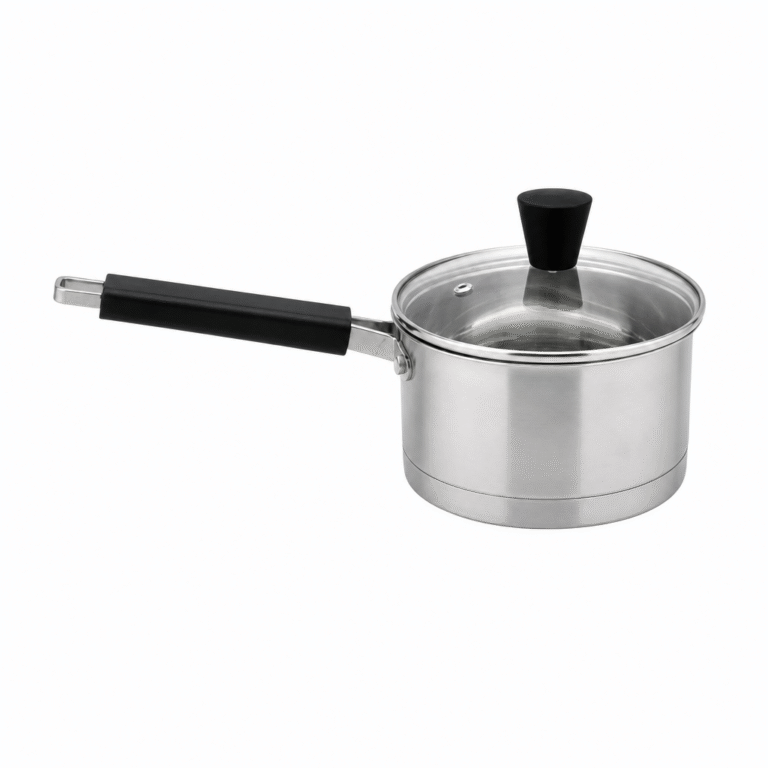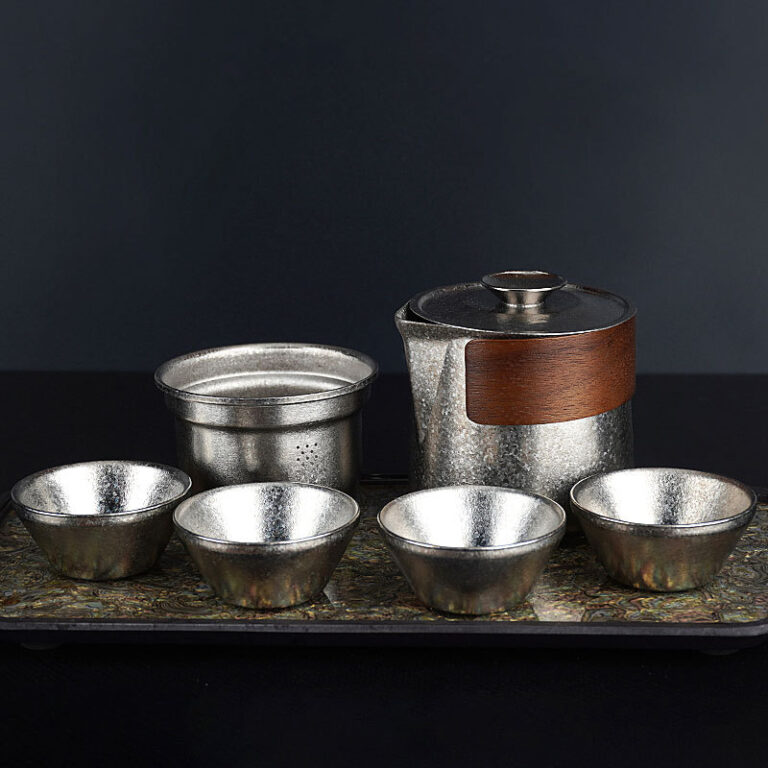


Sourcing wholesale cookware sets has never been more competitive — or more consequential. The wrong supplier locks you into thin margins, inconsistent quality, and customer complaints that are hard to recover from. The right one becomes a growth engine for your entire product line. In 2026, the rules of smart cookware procurement have shifted. New material preferences, tightening compliance standards, and rising demand for branded differentiation mean the decisions you make today will define how your kitchen category performs over the next three to five years. This guide cuts through the noise and gives you the real picture.
Why Choose Wholesale Cookware Sets?
Let’s start with an honest question: why buy cookware sets at wholesale at all, rather than sourcing individual pieces?
The answer goes deeper than price-per-unit math. When you source a cohesive cookware set — matched handles, uniform finish, coordinated sizing — you are selling a kitchen system, not just a pot or a pan. That matters enormously to end consumers. A well-presented 5-piece or 10-piece set commands a retail price point that individual pieces never achieve, even when the cost-of-goods on the set is only marginally higher.
For retailers, the margin arithmetic is straightforward. A wholesale cookware set purchased at $18–$32 USD depending on material and configuration can retail at $79–$179 in mid-tier markets. The perceived value of a complete, coordinated set is disproportionate to its actual manufacturing cost. That gap is your margin.
There is also the inventory efficiency angle. Stocking sets simplifies SKU management. One product listing covers multiple cooking vessels. Packaging, shipping weight, and warehouse storage can all be planned around a single unit. Compare that to managing separate SKUs for saucepans, stockpots, and fry pans — each with its own reorder point, supplier lead time, and size variation.
For importers and distributors, the set format provides a natural upsell structure. A base 5-piece set for entry-level retail, a 10-piece premium set for department store buyers, and a 12–15 piece professional line for specialty kitchen stores. One supplier relationship, three revenue tiers.
The wholesale model also creates leverage in negotiation. When you are committing to container quantities — typically 1,000 to 5,000 units per order — manufacturers prioritize your production scheduling, custom labeling, and lead time over smaller spot buyers. That leverage is real, and it compounds over time.
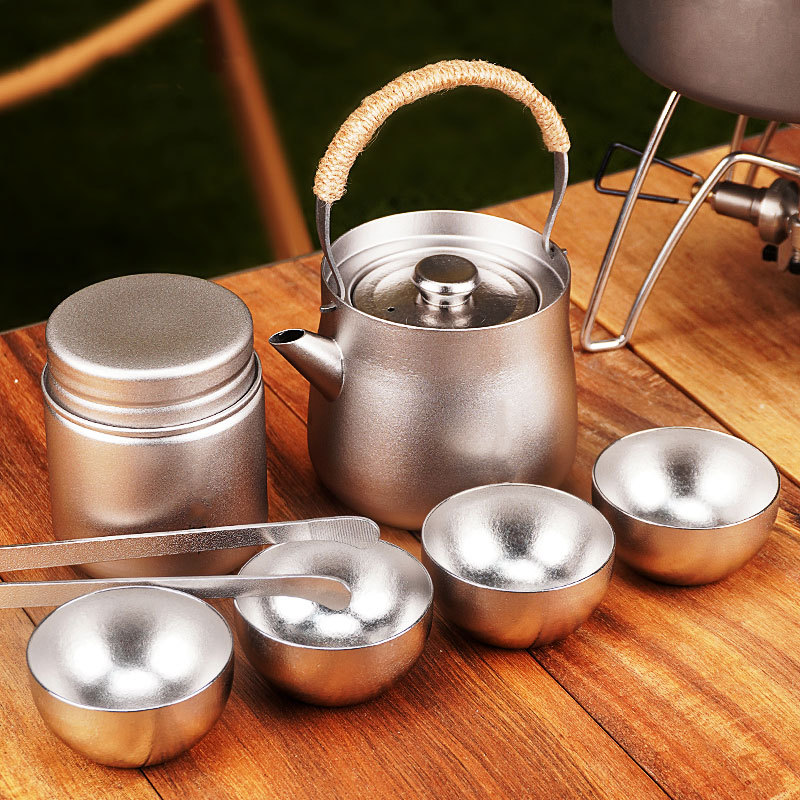
2026 Wholesale Cookware Sets Market Trends
The cookware wholesale market is not static. The trends reshaping it in 2026 are specific, and if you are not tracking them, your competitors are.
Health and material transparency have become purchase drivers. End consumers — particularly in North America, Western Europe, and Australia — are actively researching what their cookware is made of. PTFE-free, PFOA-free, and PFAS-free claims are no longer niche. They are table stakes for mid-tier and premium retail positioning. This has accelerated demand for ceramic-coated, hard-anodized, and stainless steel sets at the wholesale level because these materials carry cleaner safety narratives.
Induction compatibility is now the default expectation. In Germany, the Netherlands, South Korea, and increasingly in urban China, induction cooking has crossed 50% household penetration. Any wholesale cookware set that is not induction-ready is already excluded from a significant portion of global retail opportunities. Magnetic-base construction — typically a clad stainless or aluminum-core design with a ferromagnetic bottom — is now a baseline specification, not an upgrade.
Set configurations are getting smarter. The standard 5-piece set (two saucepans, one stockpot, one fry pan, one lid) is giving way to more functional configurations. Buyers in 2026 are specifying sets that include steamers, woks, and sauce reducers — pieces that reflect actual cooking behavior rather than a legacy template. Manufacturers who can offer flexible MOQ on custom configurations are winning more wholesale contracts.
Private label demand has accelerated sharply. Retailers from mid-size Amazon FBA brands to regional supermarket chains want their own branded cookware lines. They are not looking for a generic manufacturer; they are looking for a manufacturing partner who can handle logo application, custom color coating, and retail-ready packaging under one roof. This shift is structural, not cyclical.
Sustainability credentials are entering procurement criteria. Increasingly, European retailers require environmental certifications — ISO 14001, recycled material content claims, or reduced-packaging commitments — as part of supplier qualification. This is moving downstream to wholesale buyers who want to future-proof their supply chains.
What Materials Should Retailers and Importers Focus On?
Material selection is the most consequential decision in wholesale cookware procurement. It determines your target market, your retail price ceiling, your liability exposure, and your return rates. Here is a practical breakdown.
Stainless Steel Cookware Sets
Stainless steel remains the most commercially durable material in the wholesale cookware market. Its appeal is structural: it does not react with acidic foods, it survives dishwasher cycles, it resists warping under high heat, and it looks premium without requiring special care instructions.
For wholesale buyers, the key specification distinction is the steel grade. Grade 304 (18/8) is the industry standard for food-contact surfaces — it offers excellent corrosion resistance and is safe for all food types. Grade 201 is a lower-cost alternative with reduced nickel content; it is acceptable in certain price-point products but carries higher long-term corrosion risk, particularly in coastal or humid environments. Grade 316 (18/10) is the premium tier — hospital and restaurant-grade — with molybdenum added for additional corrosion resistance. It commands a higher price and is appropriate for professional or luxury positioning.
The bottom construction matters as much as the steel grade. Impact-bonded bases (a disc of aluminum or copper bonded to the base via hydraulic press) are cost-effective and perform well for mid-range retail. Fully-clad tri-ply or five-ply construction — where the aluminum or copper core runs up the sidewalls — delivers superior heat distribution and is the correct specification for premium and professional lines.
Stainless steel sets work across a wide market spectrum. They suit mid-tier grocery retail, specialty kitchen stores, hospitality procurement, and online premium brands equally well. The material has no significant market ceiling.
Hard Anodized Aluminum
Hard anodized cookware occupies the intersection of performance and lightweight design. The electrochemical anodization process creates a surface that is significantly harder than stainless steel and non-reactive with food. It heats faster than stainless and distributes heat more evenly than bare aluminum.
The wholesale appeal here is the weight advantage. A hard anodized 10-piece set is meaningfully lighter than a comparable stainless set, which matters for consumers managing wrist pain, elderly demographics, and anyone who cooks standing for long periods. This is not a trivial selling point — it is a genuine functional benefit that translates into product reviews and repeat purchasing.
The liability consideration is the coating durability over time. Hard anodized surfaces are not indestructible. Metal utensil use, abrasive cleaning, and high-temperature oven exposure can degrade the surface. Your returns policy and end-consumer care instructions need to reflect this. Wholesale buyers targeting markets with high cookware return rates should request accelerated wear test data from suppliers before committing to large orders.
Ceramic-Coated Cookware
Ceramic coating has become the primary entry point for the “natural” and “chemical-free” cookware narrative. The marketing story is simple and resonant: no PTFE, no PFOA, no synthetic chemicals — just a mineral-derived coating. That story sells exceptionally well in health-conscious retail environments.
The technical reality requires more nuance. Ceramic coatings vary significantly in durability and adhesion quality across manufacturers. The coating lifespan is meaningfully shorter than PTFE non-stick, and consumer complaints about sticking and flaking within 12–18 months are common with lower-quality versions. When sourcing ceramic-coated wholesale sets, request independent abrasion resistance testing — not just the manufacturer’s in-house data — and evaluate the coating thickness and adhesion process.
The 2026 opportunity in ceramic coatings is in the premium segment. Higher-quality ceramic coatings with documented longevity data, combined with elegant color options and coordinated sets, are capturing significant shelf space in the $99–$149 retail tier. The material and the marketing are both working. The differentiator is manufacturing quality.
Titanium-Infused Coatings and Emerging Materials
Titanium-reinforced coatings are gaining visibility in 2026 wholesale catalogs. The marketing value is high — titanium carries associations with aerospace, durability, and premium performance. The functional reality is that most “titanium cookware” uses titanium particles in the coating matrix rather than solid titanium construction. This still delivers meaningfully improved hardness compared to standard ceramic or PTFE coatings.
For wholesale buyers targeting the premium and professional market, titanium-infused coated sets offer a compelling upgrade story. They justify higher price points and tend to generate better long-term satisfaction data than standard ceramic coatings because of their superior wear resistance.
The material selection framework you actually need: Do not choose materials based on what is trending in isolation. Map the decision to your specific retail context: What cooking methods are dominant in your target market? Gas flame, induction, electric coil? What is the average household cookware replacement cycle? What is the dominant price sensitivity in your distribution channel? What are the prevailing safety certification requirements in your destination market (FDA, LFGB, CE)? Material choice is a market strategy decision, not a product specification exercise.
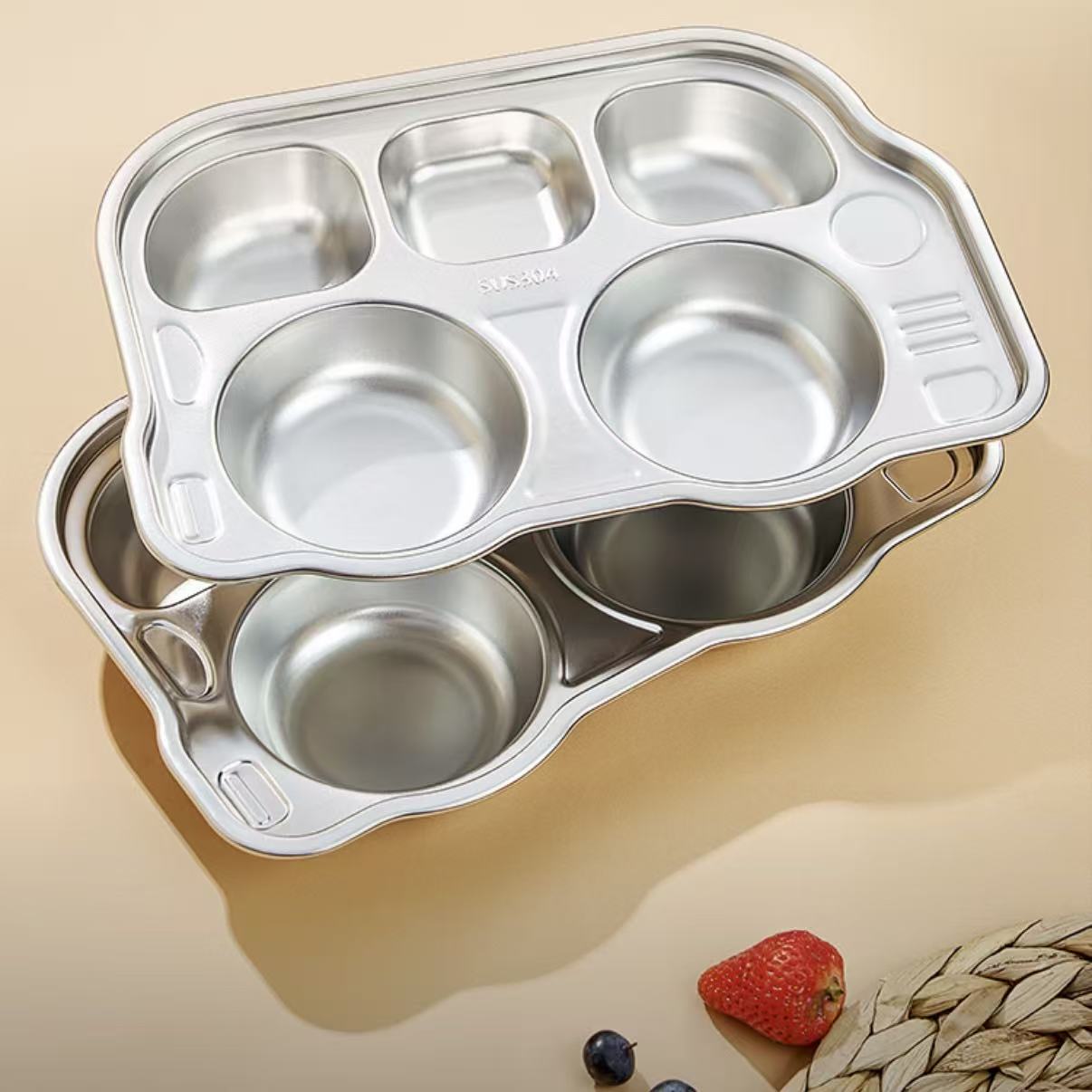
How to Choose the Right Cookware Set Configuration?
Configuration decisions are where wholesale buyers either create value or waste money. The wrong set configuration for your target market results in stock that moves slowly, customers who feel they paid for pieces they do not use, and reduced repeat orders.
Start with cooking behavior data. Your target market’s dominant cooking style determines which vessels belong in a core set. Southeast Asian markets use woks daily — a set without a wok is functionally incomplete. European markets prioritize saucepans and sauté pans. North American buyers expect a large stockpot. Middle Eastern retail channels see strong demand for deep cooking vessels and steamers. If you are sourcing a single configuration for multiple markets, you will always be making compromises. The better approach is to build a modular core set that can be supplemented with market-specific add-ons.
Piece count is a second-order consideration, not a first. A poorly configured 10-piece set underperforms a well-configured 5-piece set every time. The retail customer counts pieces but uses function. A 10-piece set that includes two redundant pan sizes will generate negative reviews within six months of hitting retail shelves.
Lid strategy matters more than most wholesale buyers realize. Tight-fitting, tempered glass lids that fit multiple pieces in a set (universal lid sizing) reduce the cost of the full set while improving perceived value. Lids that fit only their paired vessel drive up manufacturing cost without equivalent customer benefit.
Handle design and material selection directly affect return rates. Soft-touch silicone handles perform well in consumer satisfaction data. Riveted handles outperform welded handles in durability, particularly for heavier pieces like stockpots. If your target retail channel carries cookware with a two-year or longer warranty period, riveted handle construction should be a specification requirement.
Oven-safe temperature ratings have become a significant retail selling point. Sets rated to 500°F (260°C) open up a meaningful range of cooking techniques — oven-finishing steaks, braising, and baking — that sets rated to 350°F cannot support. The manufacturing cost differential is modest; the retail value proposition is material.
Why Customization Is Becoming More Important?
Three years ago, private label cookware was primarily the domain of large retail chains with sufficient volume to justify the tooling investment. In 2026, that threshold has dropped substantially. Manufacturers with flexible MOQ capabilities and efficient OEM processes are enabling brands at the 500–2,000 unit tier to develop genuinely differentiated product lines.
The driver is market saturation in generic cookware. On Amazon, major e-commerce platforms, and in physical retail, the undifferentiated stainless steel 10-piece set is a commoditized, margin-compressed product category. The brands that are growing are the ones who have moved upstream into design differentiation — custom color coatings, branded packaging, unique handle designs, and proprietary set configurations.
Logo application technology has improved significantly. Laser engraving on stainless steel produces permanent, high-resolution branding that survives commercial dishwasher cycles without degradation. Embossed handle logos, custom knob designs, and branded lid rims are all achievable at wholesale quantities with lead times that have shortened considerably as Chinese manufacturers have invested in automated production tooling.
Color has become a primary differentiation lever. Matte black, slate gray, deep navy, sage green — these are not cosmetic choices. They are brand positioning decisions. A kitchen store building a curated aesthetic does not want generic silver cookware. A hotel brand equipping its in-room cooking facilities wants a color that coordinates with its overall design language. The manufacturing capability for custom exterior coatings is now widely available at the wholesale tier; the competitive advantage goes to buyers who specify it intelligently.
Packaging customization is frequently undervalued in the sourcing decision. The unboxing experience is a documented factor in consumer satisfaction and social sharing. A cookware set that arrives in a well-designed, branded box with thoughtfully arranged components generates better reviews and more social media visibility than the same product in a generic brown carton. The incremental cost of custom packaging at wholesale quantities is typically $0.50–$2.00 per unit — a negligible investment relative to the brand equity it builds.
What to Consider When Procuring Wholesale Cookware Sets?
Procurement decisions in wholesale cookware involve more variables than most first-time importers anticipate. Experience in other product categories does not fully transfer. Here is what matters specifically.
Material certification and food safety documentation. Every wholesale cookware set destined for regulated markets requires documented compliance with food contact material standards. FDA (United States), LFGB (Germany/EU), and REACH regulations each have specific requirements. Your supplier needs to provide test reports from accredited third-party laboratories — not self-certification documents. This is non-negotiable for market access, and gaps in this documentation create real liability exposure. Request current test reports (within 24 months), not archived certificates.
Production consistency across batches. The cookware set you approve in sampling needs to match what ships in your first container, your fifth container, and your twentieth. This requires a supplier with documented process controls — incoming material inspection records, in-process quality checks, and outgoing product audits. ISO 9001 certification provides some assurance, but the more meaningful signal is a supplier who can share specific batch defect rate data. Ask for it.
Minimum order quantities and flexibility. Standard wholesale MOQs for cookware sets range from 500 to 2,000 units per SKU depending on the manufacturer and degree of customization. The risk for smaller buyers is over-committing to a configuration before market validation. Look for suppliers who offer smaller initial order quantities — even at a modest price premium — to allow you to test market response before scaling.
Lead times and production scheduling transparency. Chinese manufacturing lead times for cookware sets typically run 30–45 days for standard configurations, 45–60 days for custom work. The hidden variable is supplier capacity allocation. A manufacturer running at 90% capacity on established accounts will deprioritize your new order regardless of what the quoted lead time says. Ask specifically about current capacity utilization and scheduled production windows before committing.
Logistics and incoterms. FOB (Free on Board) is the standard trade term for most wholesale cookware imports from China. It puts the shipping cost and risk transfer at the port of origin. Understanding what is and is not included in your supplier’s FOB pricing — export duties, domestic trucking to port, export documentation — prevents unexpected cost surprises. For buyers new to China imports, DDP (Delivered Duty Paid) pricing from freight-forwarding partners can simplify the process at a modest cost premium.
After-sales support and defect handling. Negotiate defect replacement policy before your first order, not after a problem arises. Reasonable industry terms for cookware are replacement or credit for documented defects above 2–3% of order quantity. Understand specifically whether your supplier will replace defective units or provide credit against future orders — these are different outcomes with different cash flow implications.
Compliance with destination market import requirements. Beyond product certification, cookware imports face country-specific labeling requirements, restricted substance lists, and in some markets, pre-shipment inspection requirements. European imports trigger CE marking requirements for certain product categories. Some Middle Eastern markets require halal material certification for non-stick coatings. Audit these requirements before your purchase order is finalized — retroactive compliance corrections are expensive.
Top Sourcing Regions & Manufacturers in China (2026)
China remains the dominant global source for wholesale cookware sets, accounting for approximately 70–75% of global production volume. But “sourcing from China” is not a single thing. Manufacturing quality, specialization, and capability vary considerably by region.
Chaozhou (Caitang Town), Guangdong Province
Caitang Town in Chao’an County, Chaozhou, is known as China’s “Hometown of Stainless Steel Cookware.” The concentration of stainless steel manufacturers here is exceptional — hundreds of factories, from small workshops to vertically integrated operations, operate within a tightly clustered industrial area. This clustering creates supply chain efficiency: raw material suppliers, component manufacturers, and finished goods producers all operate in close proximity, which compresses lead times and enables competitive pricing.
The manufacturers based in Caitang have invested heavily in precision manufacturing technology over the past decade. Korean high-frequency brazing technology — which produces stronger, more consistent clad-bottom bonds than conventional welding — has been adopted by leading manufacturers in the region, significantly improving product quality for tri-ply and multi-layer constructions.
For wholesale buyers prioritizing stainless steel cookware sets with OEM/ODM capability, Caitang is the benchmark sourcing region. The depth of technical expertise and the density of capable manufacturers create strong price competition without the quality compromises common in lower-concentration manufacturing areas.
Jiangmen, Guangdong Province
Jiangmen has built a strong reputation specifically in commercial-grade stainless steel cookware — heavy-gauge stockpots, professional cooking vessels, and institutional-scale sets. Key manufacturers in the area include Changwen Cookware and Kitchenware and Leiwen Metal Manufacturing, both of which supply to foodservice procurement channels as well as wholesale retail buyers.
The commercial heritage of Jiangmen manufacturers translates into products with above-average material thickness and build durability. For wholesale buyers supplying the hospitality or foodservice sectors — hotels, restaurant supply chains, catering companies — Jiangmen-origin products frequently outperform light-gauge retail-focused alternatives in long-term durability.
Yiwu, Zhejiang Province
Yiwu operates as the world’s largest wholesale commodities market and is a significant sourcing channel for smaller-quantity cookware buyers. For kitchen utensils, accessories, and compact cookware sets, Yiwu’s wholesale market infrastructure provides unmatched variety and fast turnover.
Yiwu is not the correct sourcing channel for premium or heavily customized wholesale cookware. The market is structured around speed and breadth rather than depth of manufacturing capability. Where it excels is in accessory sourcing, smaller set configurations, and test-quantity procurement for market validation.
Yangjiang, Guangdong Province
Yangjiang is China’s dominant production center for cutlery and bladed kitchen products, accounting for approximately 70% of China’s knife production output. For wholesale buyers building a comprehensive kitchen category — cookware sets plus knife blocks or cutlery sets — Yangjiang-origin products for the cutlery component pair well with Caitang-origin cookware, allowing a single import shipment to consolidate both product categories.
Some manufacturers in the Yangjiang area have expanded into cookware accessories and complete kitchen sets, though their core strength remains in the blade and cutlery category.
If you want to explore more reliable suppliers, check out our guide to Top 10 Kitchenware Manufacturers in China for Wholesale & OEM
Conclusion
Wholesale cookware set procurement in 2026 is a more sophisticated process than it was five years ago. The material landscape has expanded, customization expectations have risen, certification requirements have tightened, and the market has stratified into clearer tiers with distinct supplier requirements at each level.
The buyers who perform well in this environment share a few consistent characteristics: they invest time in supplier qualification before committing to large orders, they treat material and configuration specifications as strategic decisions rather than product defaults, and they build supplier relationships that allow for production flexibility as their market demands evolve.
The sourcing region and manufacturer you choose should be matched to your specific product positioning and volume tier. A premium stainless steel private-label brand sourcing from a vertically integrated Caitang manufacturer has different needs — and different leverage — than a distributor buying generic sets from a Yiwu trading company. Both are valid approaches. Clarity about which one you are operating avoids the mismatch between expectation and execution that generates most wholesale procurement problems.
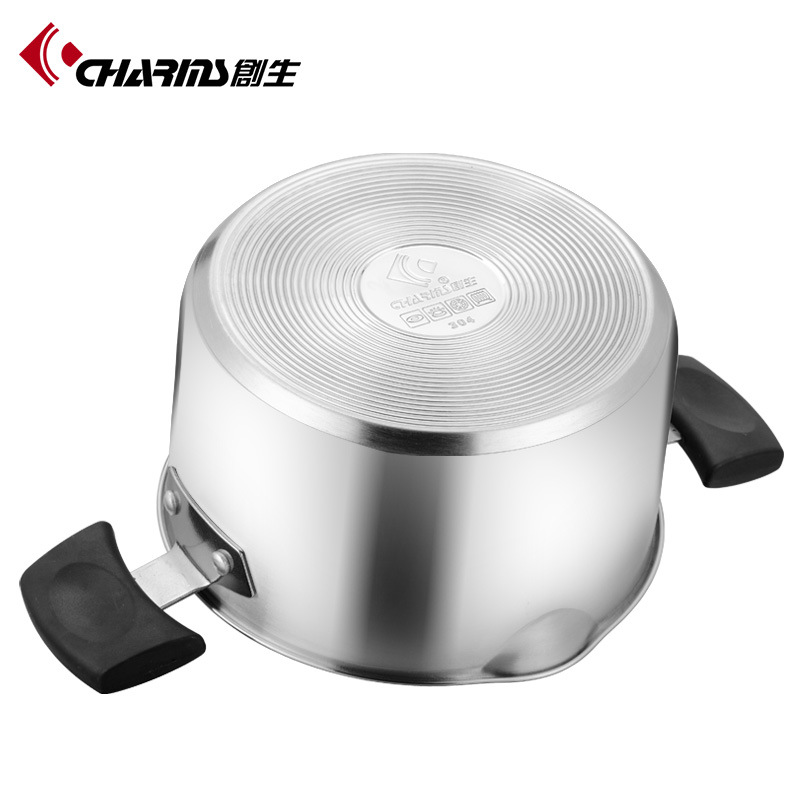
Whether you are a retailer, wholesaler, or importer, finding the right cookware supplier is essential for long-term business success. If you are looking for wholesale cookware sets, contact Charmscook to learn more about product ranges, OEM and ODM solutions, and bulk order support.