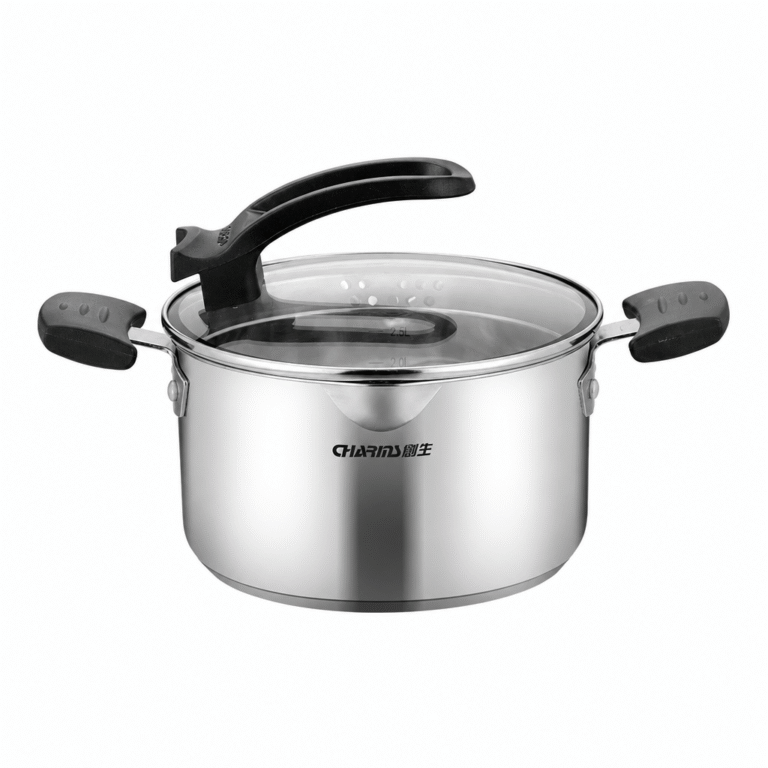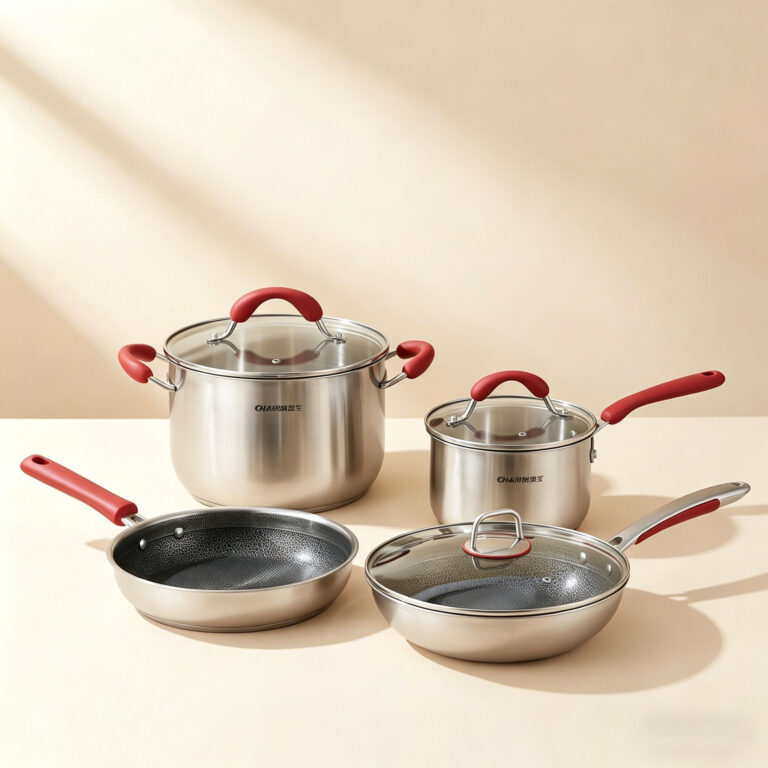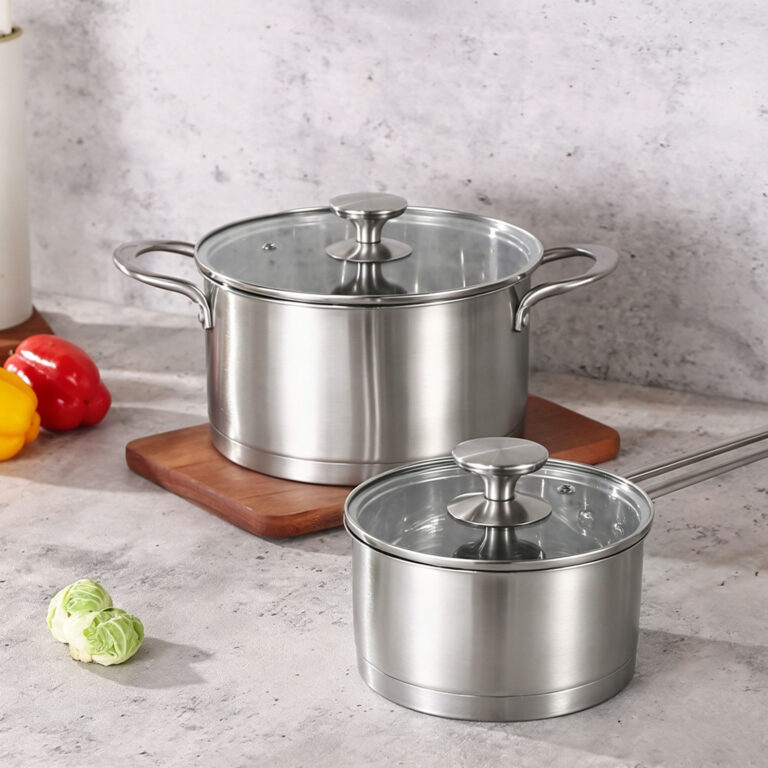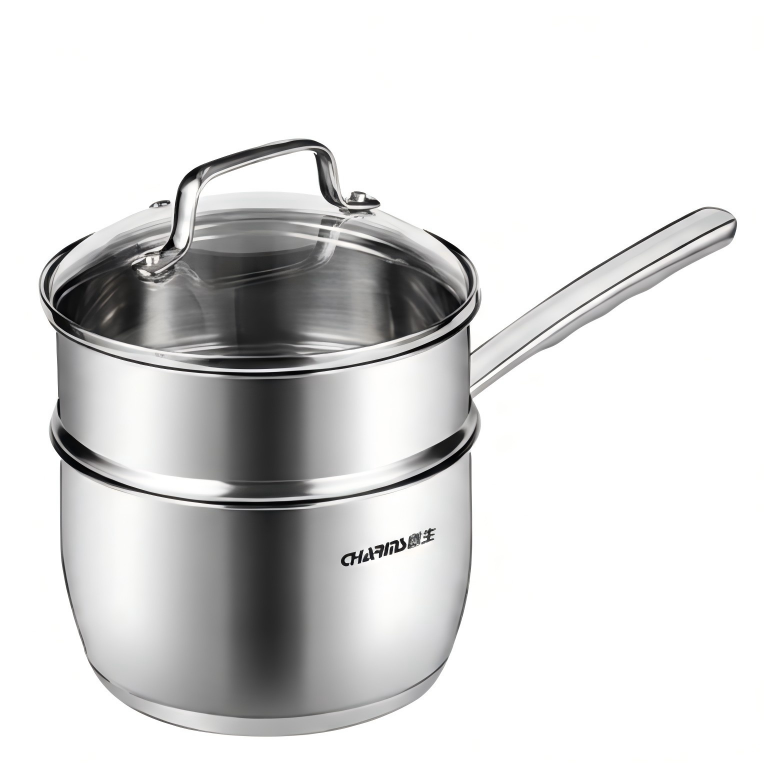

Sourcing cookware for Amazon FBA requires more than finding the cheapest factory on Alibaba. You need to verify certifications (FDA, LFGB, PFAS compliance), understand material trade-offs (stainless vs. nonstick vs. cast iron), and calculate your true landed cost including 2026 FBA fees. This guide walks through every step — from evaluating manufacturers to passing Amazon’s packaging requirements — with specific numbers and real compliance requirements. For sellers looking for a vetted OEM partner, CharmsCook offers 30+ years of stainless steel cookware manufacturing with dual FDA/LFGB certification.
Why Cookware Is a Viable Amazon FBA Category
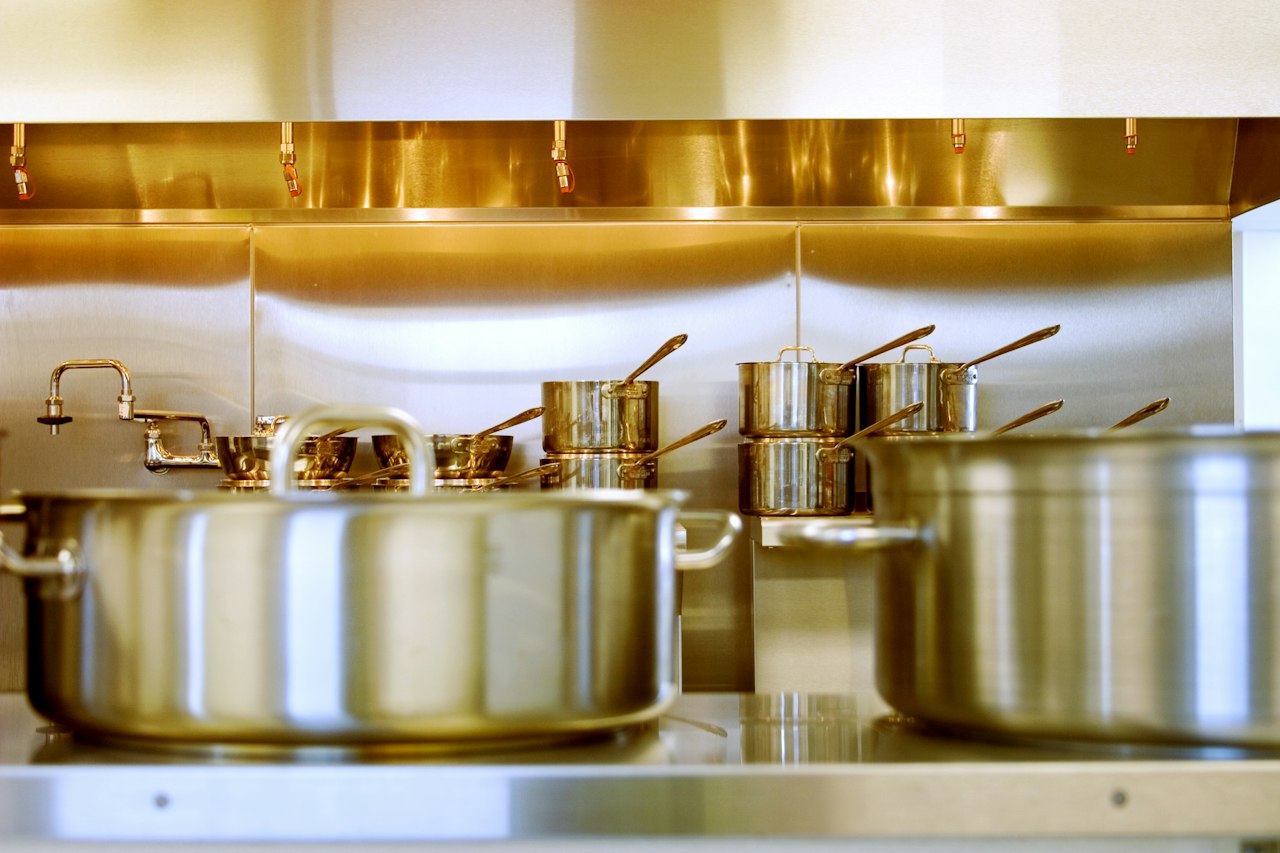
The global cookware market reached $32.4 billion in 2025 and is growing at 3.8% annually toward $43.4B by 2033 (Grand View Research). On Amazon, cookware is one of the highest-search, evergreen categories in Home & Kitchen — with no seasonal cliff.
The private label angle is strong: 54% of Amazon sellers already use private label, US private label sales hit $273.8 billion in 2024 (PLMA/Circana), and the category rewards differentiation. A stainless steel cookware set with a clear steel grade claim (304 food-grade), proper certification, and a distinctive design can command $35–$75 per unit with 20–35% net margin — if you source it correctly.
The challenge is that cookware sourcing is not like sourcing a phone case. Material science, coating chemistry, regulatory compliance, and FBA logistics all intersect in ways that generic FBA guides skip entirely.
Step 1: Choose Your Material Before You Choose a Supplier
Your material determines your supplier pool, certifications needed, FBA fee tier, and competitive positioning. Get this wrong and no amount of good sourcing fixes the margin.
Stainless Steel (Tri-ply / Multi-layer) The most durable private label play. Steel grade matters:
- 201 SS: Budget/decorative grade. Not recommended for food-contact products you want to sell at a premium.
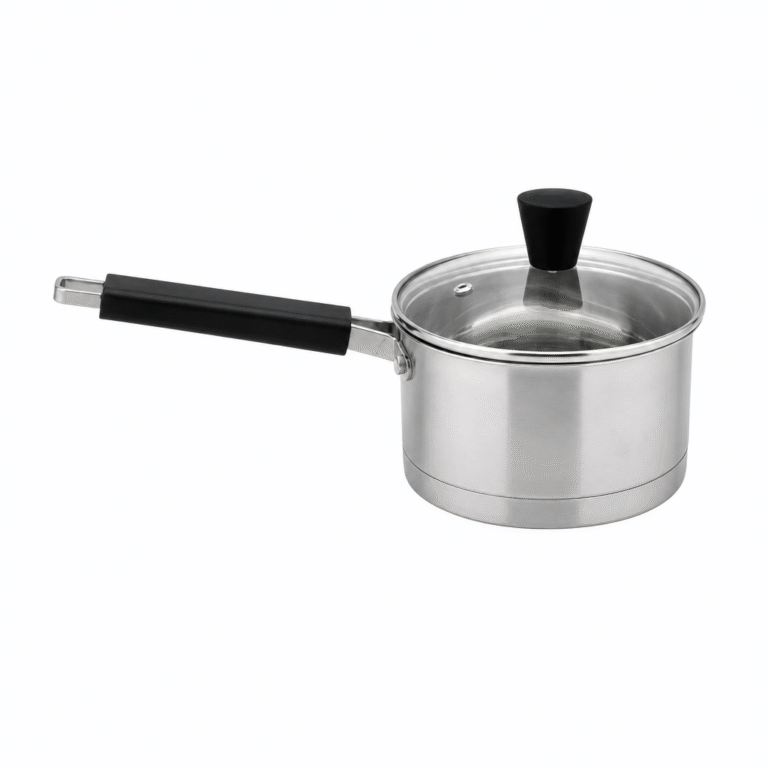
- 304 SS (18/8): Food-grade standard. Most Amazon FBA sellers target this. Dishwasher-safe, induction-compatible, makes strong listing claims.
- 316 SS (18/10): Marine-grade premium. Higher nickel/molybdenum content. Supports a true premium price point ($50+ per piece).
CharmsCook manufactures all three grades with in-house tri-ply clad bottom technology. Their honeycomb etching process and laser logo engraving are the kind of differentiation features that move a stainless pan off commodity pricing.
Nonstick (PTFE / Ceramic Nonstick) The highest-volume Amazon subcategory — and the most legally complex. Key terms every FBA seller must understand:
- PFOA-free: Legal baseline since 2015. A pan can still contain PTFE (Teflon-type coating). This claim alone does not differentiate.
- PTFE-free: No Teflon-type coating; typically uses ceramic sol-gel instead.
- PFAS-free: Strongest claim. Requires third-party lab documentation to list on Amazon without risk of suppression or FTC scrutiny. Do not make this claim without test reports.
Cast Iron Growing at 9.0% CAGR, reaching $9.6B by 2033. High demand, but Lodge dominates. Private label needs a differentiator — enamel coating, niche sizing, or a pre-seasoning story. Warning: cast iron is heavy. A 5-quart Dutch oven commonly hits Amazon’s Large Bulky fulfillment tier, which started at $9.73/unit in 2025. Model your fees before committing.
Ceramic Nonstick Fast-growing “clean cookware” segment (Caraway, Our Place, GreenPan). Marketed as PFAS/PTFE-free. The honest trade-off: nonstick performance degrades faster than PTFE after repeated use. Build your listing around durability expectations and you avoid return-driven review damage.
Step 2: Find the Right Type of Supplier
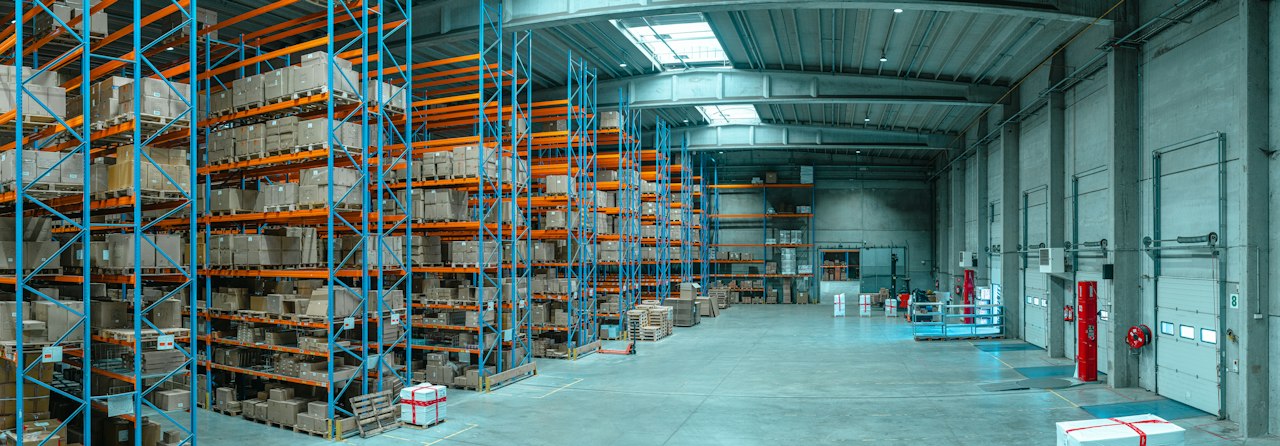
Not all cookware factories are equal — and not all cookware listings on Alibaba are factories.
Alibaba vs. Direct Factory A real cookware factory focuses on a specific process — stamped stainless steel, aluminum die-casting, cast iron foundry work. If a supplier on Alibaba also lists yoga mats, fitness equipment, and electronics alongside cookware, you’re talking to a trading company. Trading companies add margin and have less production visibility. To confirm: request a video call of the production floor and ask to see the factory’s business license (营业执照). The manufacturing classification should be visible.
1688.com Alibaba’s domestic Chinese B2B marketplace, typically 15–30% cheaper than Alibaba for the same supplier. The catch: Chinese-language interface, so most FBA sellers either use a sourcing agent or Google Translate + some patience. Worth approaching after you’ve validated product specs on Alibaba.
Canton Fair The world’s largest trade fair (Guangzhou, April/May and October/November). Attending gives you access to factories that don’t maintain English-language Alibaba presence, lets you physically inspect products, and builds the face-to-face relationship that improves supplier behavior on quality and lead times. In 2024, each Canton Fair session generated approximately $25–28 billion in intended export orders across all categories — reflecting the scale of supplier relationships available to international buyers.
Working Directly With a Vetted Manufacturer For stainless steel cookware, bypassing Alibaba entirely and going direct saves the intermediary cost and simplifies communication. CharmsCook is a 30+ year OEM/ODM manufacturer with a 40,000 m² factory, full customization capability (steel grade, finish, logo, packaging), and dual FDA/LFGB certification — the credentials stack you’d spend months verifying through Alibaba anyway.
Step 3: Evaluate Before You Order
Four things to verify before placing any order:
1. Factory type confirmation Request business license, factory video tour, and capacity documentation. A 5-million-unit annual capacity claim is verifiable; a “quality guarantee” is not.
2. Certification documentation For the US market: FDA food-contact compliance (21 CFR 170–186). For EU/UK expansion: LFGB and EU Regulation 1935/2004. Ask for copies of actual test reports — not just a certificate scan — so you can verify the lab and the products covered. ISO 9001:2015 is the minimum quality management signal for food-contact sourcing.
3. Steel grade verification Request a material test certificate. “304 stainless steel” is easy to claim; it’s less easy to fake when you require the CoA from their steel coil supplier.
4. Sample from production, not prototype Order 3–5 units from an actual production batch, not a hand-finished prototype. Test: coating adhesion, handle rivet strength, bottom flatness (a warped pan fails induction), lid fit tolerance, surface finish consistency.
Step 4: Know Your MOQ Reality
Standard factory MOQ: 1,000–5,000 units per SKU for full private label projects.
Stock items / existing tooling: As low as 300–500 units.
First-order recommendation: Negotiate 300–500 units as a market test with a written commitment to 1,500–2,000 in Year 1. Most professional manufacturers will meet this if the relationship looks long-term.
Custom tooling (unique shapes, handles) adds 12–24 weeks and significant upfront cost. Full OEM project timelines: 14–20 weeks including ocean freight. Plan your launch window accordingly.
Step 5: Compliance You Actually Need
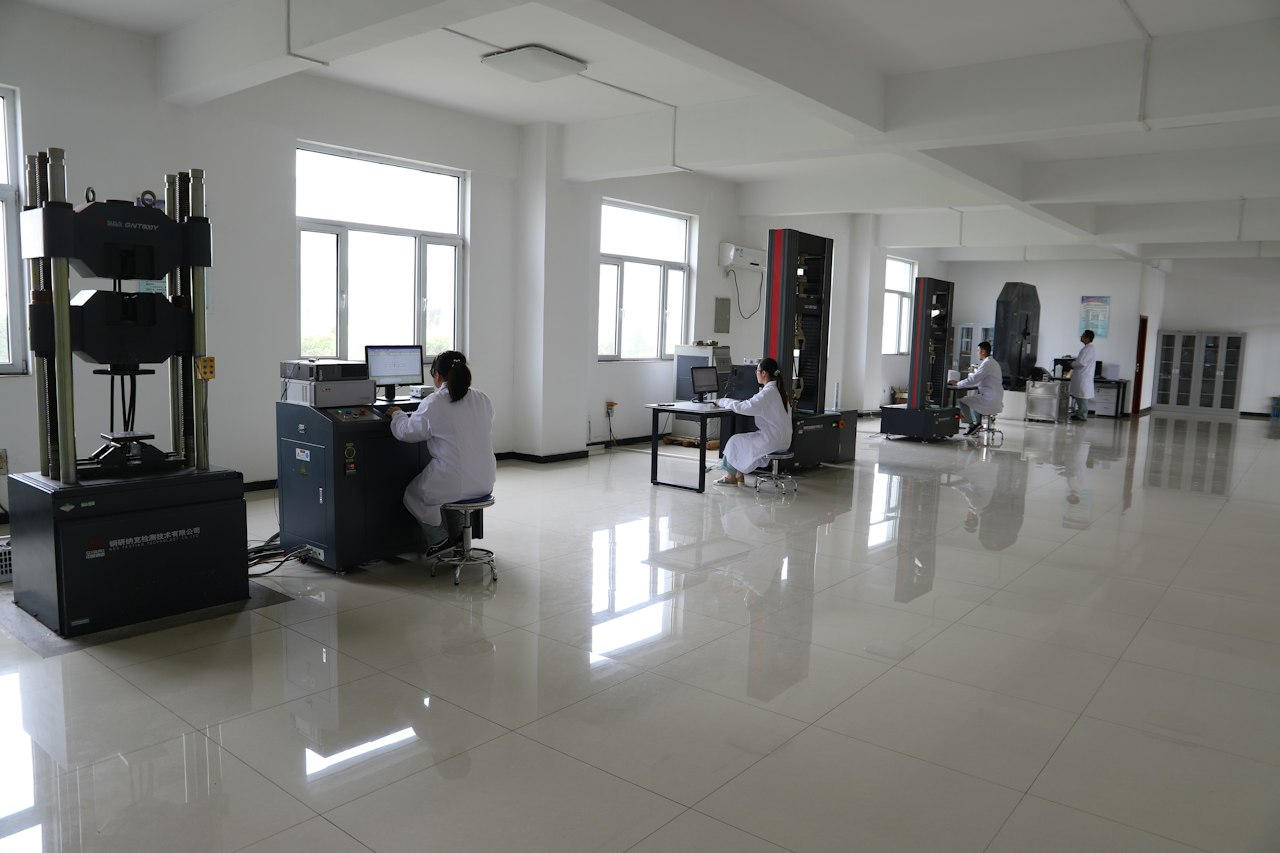
This is the most underserved topic in FBA cookware guides. Here’s what actually applies:
| Regulation | Market | What It Requires |
|---|---|---|
| FDA 21 CFR 174–179 | US (Amazon.com) | Food-contact material compliance; test reports for any coating claims |
| LFGB | Germany/EU | Strict sensory + chemical migration testing; required for .de, .fr, .it |
| EU Regulation 1935/2004 | EU marketplaces | Food contact materials framework; mandatory |
| REACH | EU | Restriction on hazardous substances |
| Prop 65 | California (major share of US volume) | Warning labels for 900+ substances if above threshold |
| California AB 1200 | California | Cookware sold in CA must disclose intentionally added PFAS — enacted 2021, PFAS disclosure requirements effective January 1, 2023; barely mentioned in FBA guides |
| PFAS-free claims | All | Requires third-party lab documentation; “PFOA-free” alone does not substantiate “non-toxic” |
The dual certification strategy — both FDA and LFGB on the same product — enables US and EU marketplace access without additional testing cost per market. Manufacturers like CharmsCook carry both as standard.
Step 6: Calculate Your True Margin
Most sellers undercount landed cost. Here’s a worked example for a stainless steel frying pan selling at $29.99:
| Cost Component | Amount |
|---|---|
| Factory (FOB China) | $7.50 |
| Ocean freight + customs | $1.20 |
| US tariff (Section 301 on Chinese goods) | $0.90 |
| Inspection fee (amortized) | $0.25 |
| Amazon referral fee (15%) | $4.50 |
| FBA fulfillment (Large Standard) | $4.80 |
| Storage (monthly, amortized) | $0.40 |
| PPC advertising | $1.80 |
| Returns (4% rate) | $0.60 |
| Net profit | $8.04 |
| Net margin | ~26.8% |
This works. The same model with a cast iron Dutch oven at the same price — where FBA fees hit the Large Bulky tier at $9.73+ per unit — doesn’t. Weight is margin. Know your tier before you choose your product.
Step 7: FBA Packaging Compliance for Cookware
Amazon’s fulfillment center rejects are expensive. Cookware-specific requirements to get right:
- FNSKU barcode placement: On the outer carton and on individual units if sold as a set
- Glass lid poly-bagging: Glass components require poly-bag + suffocation warning (text size governed by bag opening perimeter)
- 3-foot drop test compliance: Amazon’s packaging standard; fragile items like glass lids must pass
- Suffocation warning labels: Required on poly bags with openings >5 inches
- Carton marking: Seller SKU, ASIN, unit quantity, “Made in China” (or origin country) clearly printed
An integrated OEM manufacturer handles packaging dieline production and FBA compliance marking in-house. Coordinating product and packaging from separate suppliers adds 2–4 weeks and introduces specification handoff errors.
Why Amazon FBA Sellers Work With CharmsCook
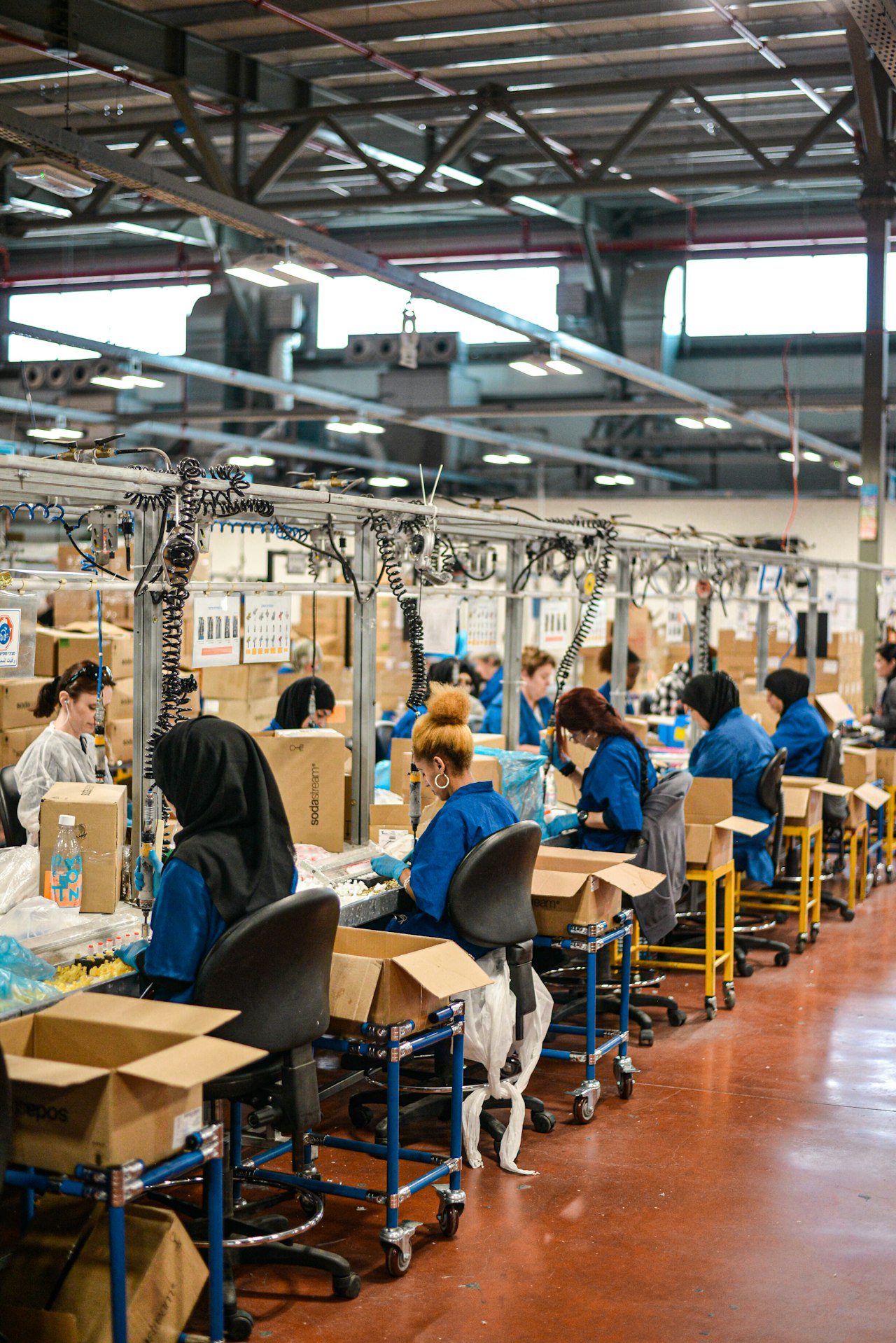
CharmsCook is a B2B stainless steel cookware manufacturer built specifically for the demands of private label and Amazon FBA programs:
- 30+ years of manufacturing experience with a 40,000 m² production facility
- Dual FDA and LFGB certification — verified, not claimed
- Full steel grade range: 201, 304, and 316 SS, with material test certificates on request
- Customization from a single source: finish (mirror/brush/electro), honeycomb etching, non-stick spraying, laser logo, clad bottom technology, custom packaging — no secondary packaging supplier needed
- OEM and ODM capability: bring your own design or develop from their catalog
- Export-focused: experience with Amazon FBA requirements, EU marketplace compliance, and international shipping documentation
For sellers ready to move beyond trading company quotes and build a real cookware brand, CharmsCook is the starting point worth evaluating first. Visit charmscook.com to request samples or a project quote.
Common Mistakes to Avoid
Trusting the sample, not the batch. Production quality rarely matches a hand-finished sample. Order 3–5 units from actual production runs and inspect against your approved spec sheet.
Skipping pre-shipment inspection. A $169–$300 third-party inspection (QIMA, V-Trust, SGS) before shipment catches coating defects, handle failures, and FBA non-compliance before you’re stuck with a container of returns. Rework is cheaper than 1-star reviews.
Making unverified coating claims. “Non-toxic,” “PFAS-free,” and “chemical-free” claims on Amazon listings without lab documentation risk listing suppression and potential FTC review. Get the test report first.
Ignoring weight in product selection. A beautiful cast iron Dutch oven can look great on paper and be margin-negative after Large Bulky FBA fees. Run the fee model before you commit to MOQ.
Single supplier dependency. Build a second-source relationship before you need it. One quality failure shouldn’t end your business.
Summary
Sourcing cookware for Amazon FBA is a process that rewards specificity: the right material grade, the right certifications, the right cost model, and a manufacturer who understands what FBA actually requires. Generic sourcing guides skip the details that determine whether a cookware private label brand is profitable or a landing pad for 1-star reviews.
The fastest path to a validated, compliant, differentiated stainless steel cookware line is working with an experienced OEM manufacturer like CharmsCook — where 30+ years of export manufacturing, dual certification, and integrated customization remove the sourcing variables that sink first-time FBA cookware launches.
FAQ
What certifications do I need to sell cookware on Amazon? For the US market, FDA food-contact compliance (21 CFR 170–186) is the standard requirement. If you’re making PFAS-free or non-toxic claims, you need third-party lab documentation. For California sales, Prop 65 compliance and California AB 1200 (enacted 2021, PFAS disclosure requirements effective Jan 1, 2023) apply. For EU marketplaces, LFGB and EU Regulation 1935/2004 are required.
What is the MOQ for private label cookware from China? Standard factory MOQ runs 1,000–5,000 units for full OEM projects. Stock items on existing tooling can start at 300–500 units. Negotiate a market-test first order of 300–500 with a written Year 1 volume commitment to get factories to work with lower quantities.
What is the difference between OEM and ODM cookware? OEM (Original Equipment Manufacturer) means you provide the design specification and the factory produces to your spec. ODM (Original Design Manufacturer) means you select from the factory’s existing designs and customize with your branding. ODM is faster (no tooling time) and lower cost for first-time sellers; OEM gives you full design differentiation.
How do I verify a Chinese cookware manufacturer? Request the factory’s business license (营业执照) and verify the manufacturing classification matches cookware production. Ask for a video call from the production floor, not just a facility photo. Request copies of ISO 9001:2015 certification and actual test reports (not just certificate scans) for FDA and/or LFGB compliance. Cross-check that the products on the test report match what you’re ordering.
Is selling cookware on Amazon FBA profitable? Yes — with the right product selection and cost model. Stainless steel sets in the $25–$75 range with 304 food-grade certification and differentiated design can achieve 20–35% net margin. The risk is in heavy items (cast iron, large sets) that hit Amazon’s Large Bulky fee tier, and in commoditized nonstick pans where price competition erodes margin below 10%.