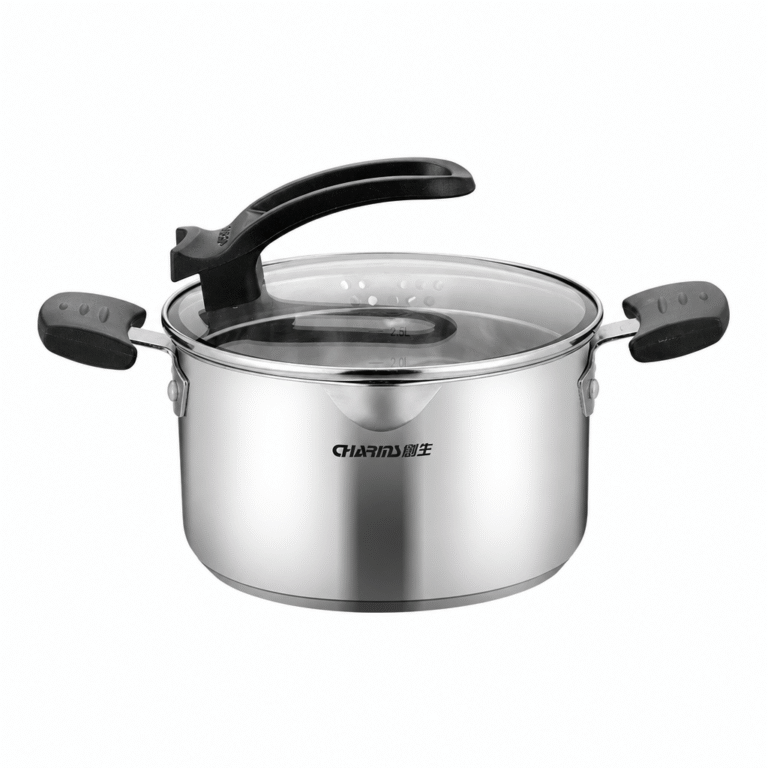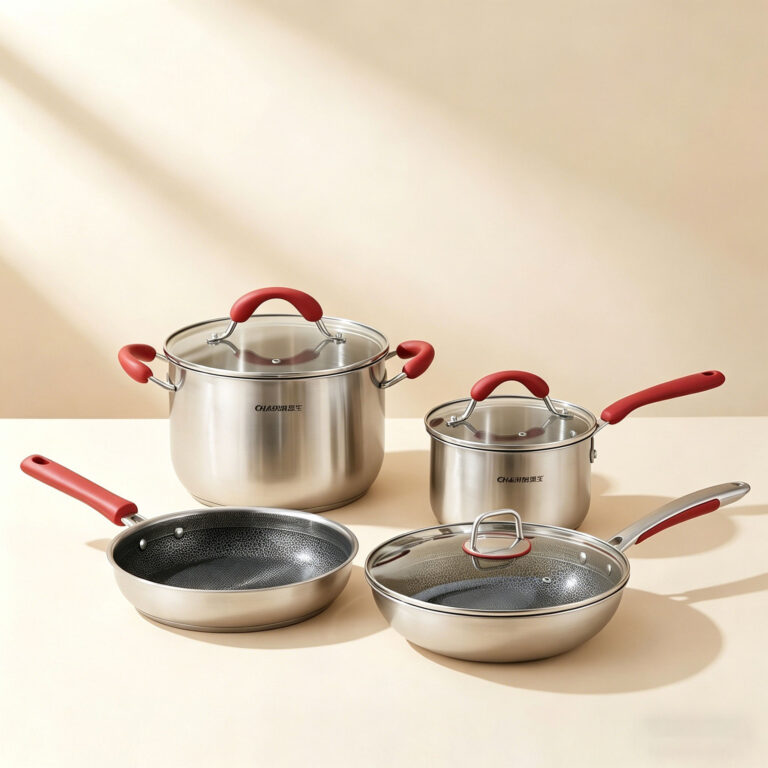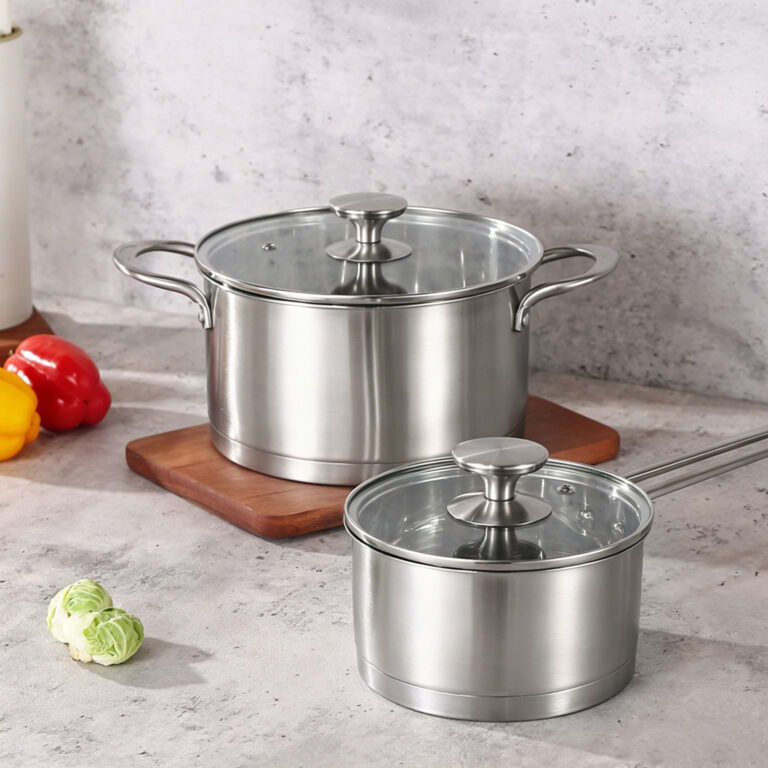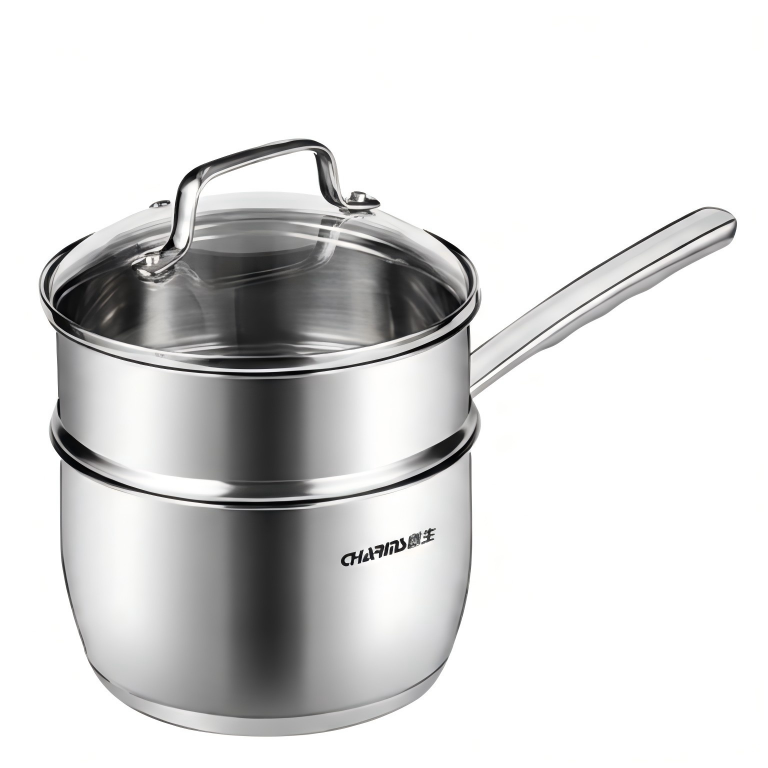


The best oil for stainless steel cookware depends on your cooking temperature. For high-heat searing (400°F+), refined avocado oil (smoke point ~500°F) or grapeseed oil (~420°F) are the top choices. For everyday sautéing, light olive oil or canola both work well. For low-heat tasks like eggs, clarified butter (ghee) wins on flavor and release. Contrary to popular belief, extra virgin olive oil is fine for most home-cooking temperatures — the smoke point myth around EVOO has been debunked by peer-reviewed research. Oil choice matters, but proper pan preheating matters just as much.
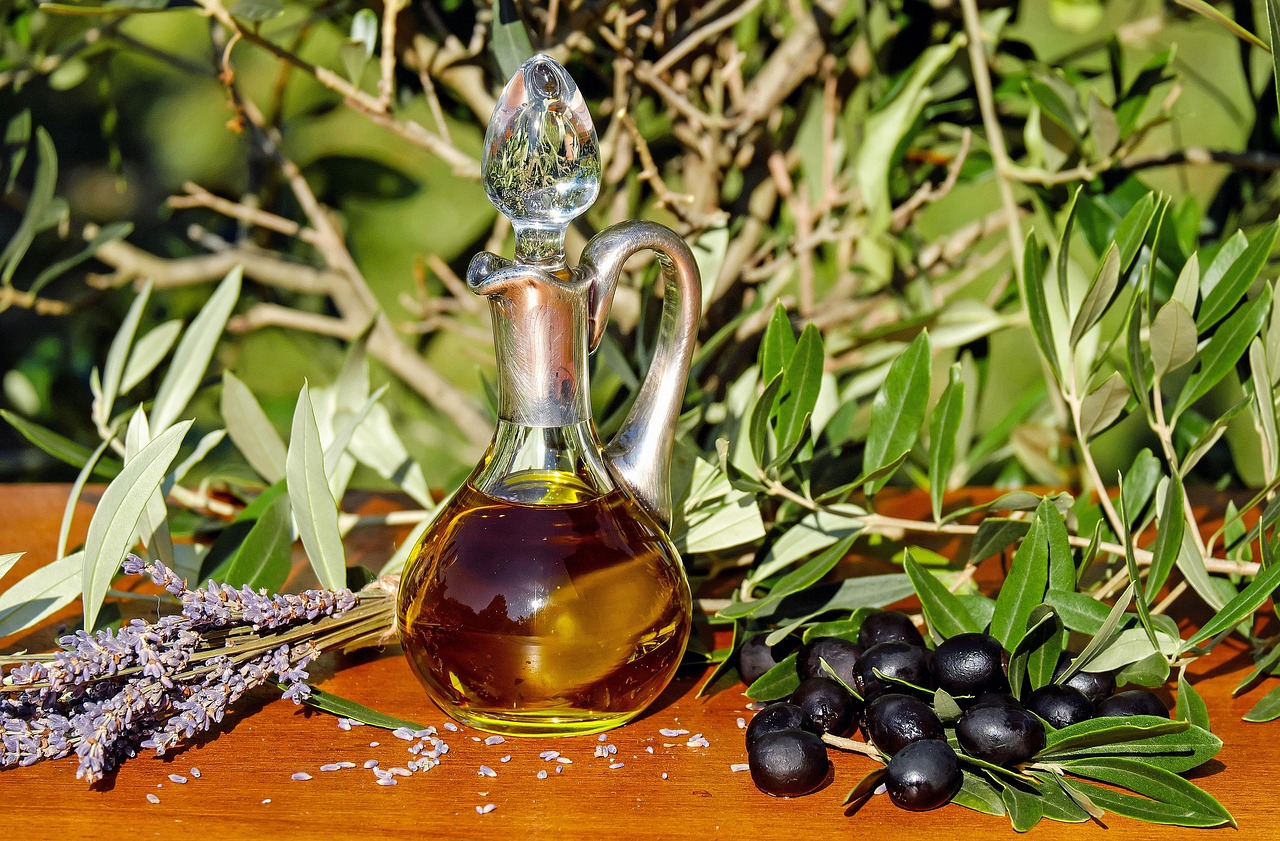
Photo: Pixabay — free for commercial use
Why Food Sticks to Stainless Steel — and What Oil Actually Does
Most “best oil” articles skip straight to the list. That’s a mistake, because if you don’t understand why food sticks, you’ll keep using the “right” oil the wrong way and still end up with a pan full of torn chicken.
Food sticks to stainless steel through chemistry, not friction. When raw protein (meat, eggs, fish) contacts a cool or unevenly heated metal surface, the amino acids in those proteins form real chemical bonds with the iron atoms in the steel. The Royal Society of Chemistry describes this as proteins forming “complexes with metal atoms, such as iron, in the pan” — these are actual covalent and van der Waals bonds, not just surface-level adhesion.
The good news: these bonds are temporary. As the protein finishes denaturing and a crust forms, the bond weakens naturally. That’s why pulling food too early always makes it worse — you’re tearing food that would have released on its own in another 30 seconds.
Oil does three specific jobs here:
- Molecular barrier — oil molecules physically orient themselves between the steel surface and the food, so proteins never contact the metal directly
- Gap filler — even polished stainless steel has microscopic valleys. Oil floods those valleys, creating a smoother, more even surface
- Thermal buffer — oil adds a thin layer of mass that moderates the temperature at the food-metal interface
This is why a thin, evenly spread film of oil in a properly preheated pan works better than a generous pour into a cold one. Coverage matters more than volume.
What Smoke Point Actually Means (And What It Misses)
The smoke point is the temperature at which an oil starts visibly smoking — the moment when free fatty acids begin breaking down and releasing acrolein, the compound responsible for that harsh, acrid smell. At or beyond the smoke point, flavor degrades and potentially harmful compounds form.
Higher smoke point = more headroom for high-heat cooking. That part is accurate and useful.
What most articles miss: smoke point is not the same as oxidative stability. A 2018 study published in Acta Scientific by De Alzaa, Guillaume, and Ravetti (cited by the North American Olive Oil Association) found that extra virgin olive oil produced lower levels of polar compounds and trans fats when heated compared to several high-smoke-point oils, including canola and grapeseed. EVOO’s natural antioxidants and high oleic acid content make it more chemically stable than its smoke point number suggests.
The practical takeaway: use smoke point as a rough guide for maximum temperature, but don’t treat it as the whole story. An oil with a 420°F smoke point isn’t automatically “worse” than one at 500°F if it’s more oxidatively stable.
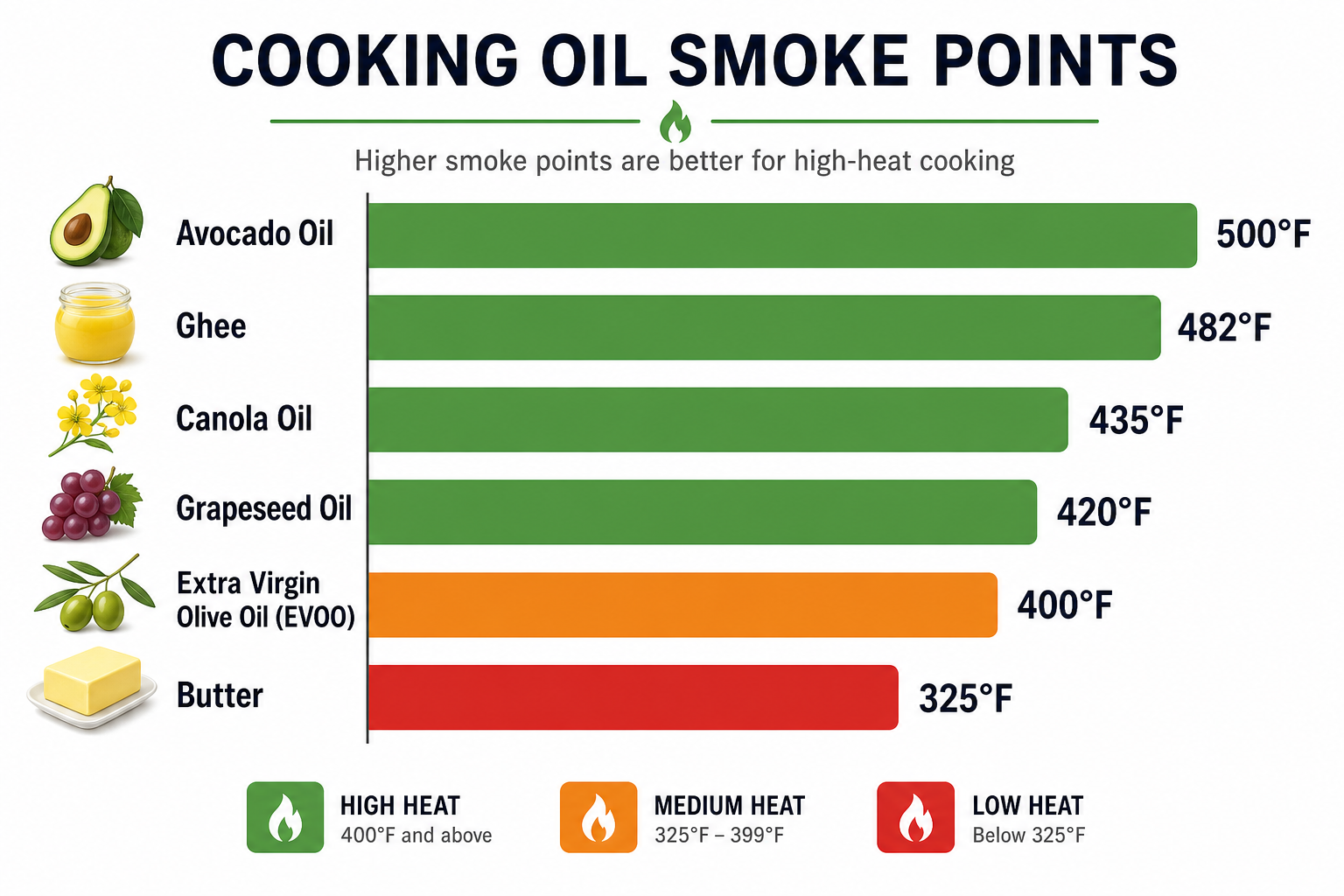
Smoke Point Reference Table
| Oil | Smoke Point (°F) | Smoke Point (°C) | Best For |
|---|---|---|---|
| Refined Avocado Oil | 480–520°F | 249–271°C | Searing, high-heat roasting |
| Clarified Butter (Ghee) | 482°F | 250°C | Eggs, fish, low-to-medium heat |
| Safflower Oil (refined) | 450–510°F | 232–265°C | High-heat frying |
| Peanut Oil | 450°F | 232°C | Deep frying, stir-fry |
| Sunflower Oil (refined) | 440–450°F | 227–232°C | General high heat |
| Grapeseed Oil | 420°F | 216°C | Sautéing, everyday cooking |
| Canola Oil | 400–435°F | 204–224°C | Everyday cooking, baking |
| Light / Refined Olive Oil | 430–470°F | 221–243°C | Pan-frying, sautéing |
| Extra Virgin Olive Oil | 375–410°F | 190–210°C | Sautéing, low-medium heat, finishing |
| Butter | 300–350°F | 149–177°C | Low-heat only, finishing |
| Unrefined Coconut Oil | 350°F | 177°C | Low-heat only |
| Flaxseed Oil | 225°F | 107°C | Cold use only (dressings) |
Sources: ThermoWorks Oil Smoke Points Lab; 360 Cookware ingredient specs; North American Olive Oil Association
The Best Oils for Stainless Steel, Ranked by Task
For High-Heat Searing: Refined Avocado Oil
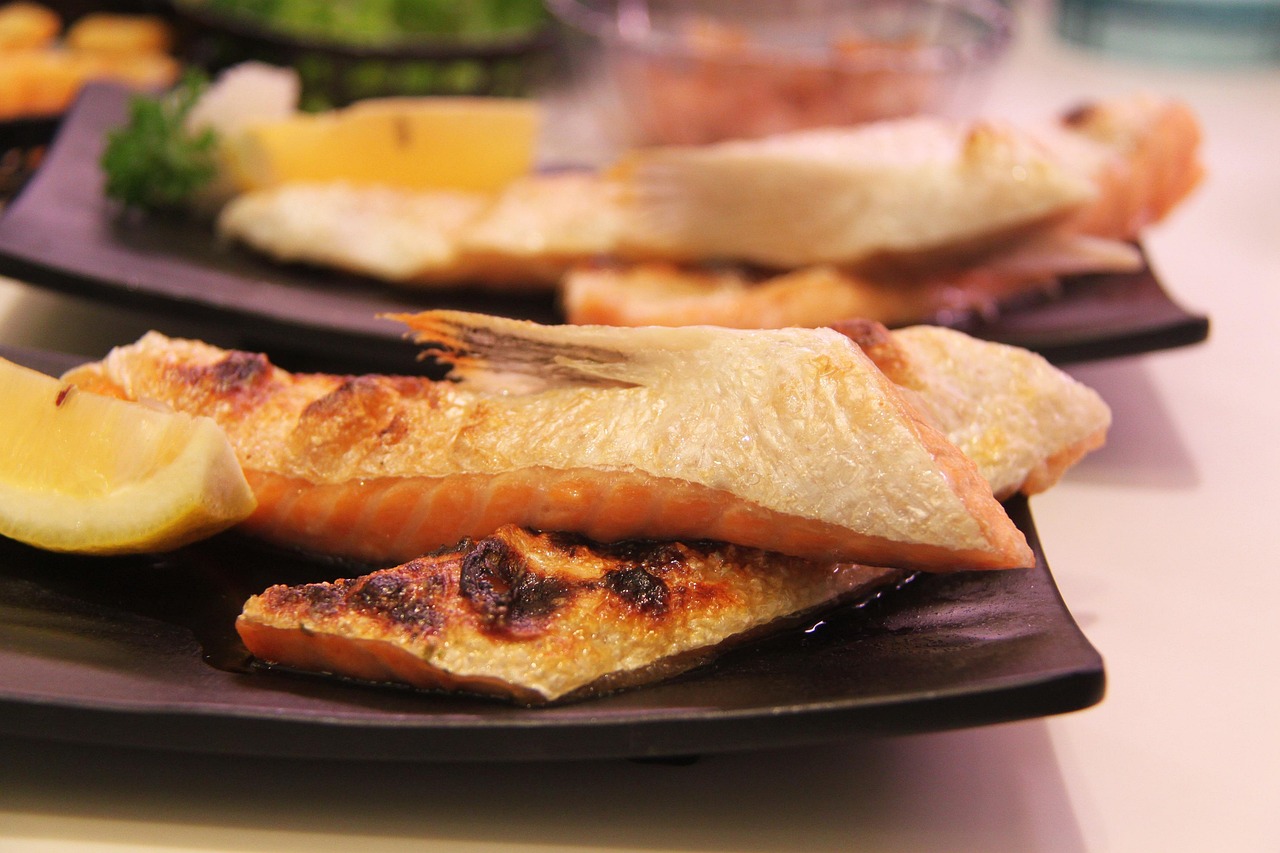
When you’re getting a stainless steel pan properly ripping hot for a steak or salmon skin, refined avocado oil is the top choice. Its smoke point of 480–520°F gives you a meaningful buffer above the 400–450°F range where serious Maillard browning happens. It’s also high in monounsaturated fats (oleic acid), making it more oxidatively stable than many high-heat alternatives.
The flavor is subtle — a very faint buttery quality that doesn’t compete with your protein. Refined versions are more neutral than unrefined; for high-heat work, always buy refined.
The downside: cost. Refined avocado oil is 2–3x the price of canola. For everyday cooking it adds up. For a weekend ribeye, it’s worth it.
For Everyday Sautéing: Grapeseed Oil or Light Olive Oil
Grapeseed oil is the workhorse oil I keep next to the stove. Smoke point around 420°F, neutral flavor that never competes with garlic or aromatics, and light enough that it coats the pan in a thin, even film easily. It’s pressed from grape seeds — a byproduct of winemaking — and predominantly polyunsaturated, which does mean it’s less oxidatively stable than avocado or EVOO. For the temperatures home sautéing typically reaches (300–380°F), this doesn’t matter much in practice.
Light or refined olive oil is another excellent everyday option, with a smoke point of 430–470°F and a very neutral flavor compared to EVOO. If you already have it in the pantry, it handles everything from chicken thighs to vegetables without issue.
For Eggs and Delicate Proteins: Clarified Butter (Ghee)
Here’s where technique diverges from high-heat work. Eggs cooked on stainless steel need a different approach — lower heat, more patience, and a fat with good release properties. Clarified butter fits perfectly: the water and milk proteins have been removed, raising its smoke point to ~482°F while keeping the rich flavor of butter.
The fat content in ghee creates a particularly effective non-stick film for eggs. I’ve cooked scrambled eggs in a well-preheated stainless pan with ghee at medium-low heat and had them slide out cleanly. Same pan, same technique, with canola? Not so much. The fat composition matters for this specific task.
Regular butter also works for eggs but requires genuinely low heat — it starts to burn at 300–350°F, which most “medium” burner settings exceed.
The EVOO Question: Should You Avoid It on Stainless Steel?
The short answer: no, you don’t need to avoid it.
The “never cook with EVOO” rule has been repeated so often it feels like settled science. It isn’t. A 2018 study published in Acta Scientific by De Alzaa, Guillaume, and Ravetti (cited by the North American Olive Oil Association) found that EVOO “yielded lower levels of polar compounds and trans fats when compared with other oils” even under cooking stress tests. Its combination of high oleic acid content, natural polyphenols, and antioxidants makes it chemically stable despite a lower smoke point number.
Where EVOO genuinely underperforms: when you’re targeting very high pan temperatures (450°F+) for a hard sear. At those temperatures, its smoke point does matter — you’ll see smoke and some flavor degradation before the oil can do its job. For that, switch to avocado oil or grapeseed.
Where EVOO is perfectly fine: sautéed vegetables, chicken at medium heat, fish, pasta sauce bases, finishing a pan sauce. Most home cooking doesn’t get hot enough to push EVOO past its limits.
Oil-by-Task Reference
| Cooking Task | Target Temp | Recommended Oil | Why |
|---|---|---|---|
| Steak / salmon sear | 420–460°F | Refined avocado oil | Highest smoke point, neutral flavor |
| Stir-fry | 375–420°F | Grapeseed or light olive | High enough smoke point, neutral |
| Chicken thighs (medium-high) | 350–400°F | Canola, grapeseed, light olive | Reliable at this range |
| Sautéed vegetables | 300–375°F | EVOO, light olive, canola | Any of these work fine |
| Eggs (scrambled/fried) | 275–325°F | Ghee or butter | Best fat film for eggs |
| Pan sauce (finishing) | Low | EVOO, butter | Flavor matters most here |
| Seasoning the pan | 400–450°F | Flaxseed or grapeseed | Polymerizes well for thin coating |
What I Found Testing These Oils
I’ve run the same basic test across a dozen batches: preheat a tri-ply stainless steel 10-inch skillet over medium-high, wait for the water-drop test (droplets bead and roll), add a thin coat of oil, wait 15 seconds, then add a protein.
Avocado oil vs. grapeseed for steak searing: The crust quality was essentially identical. The difference was visible smoke — with grapeseed I’d occasionally see wisps at very high heat, while avocado gave a wider buffer. Both released cleanly from the pan after the crust formed (roughly 2.5–3 minutes per side for a 1-inch ribeye).
EVOO for sautéed garlic and vegetables: Zero problems at medium heat. The flavor contribution was actually a plus — there’s a reason Italian cooking relies on it so heavily. No sticking, no burning, no acrid smoke at 325–350°F pan temperatures.
Butter vs. ghee for eggs: Butter at medium worked acceptably but required babysitting — a brief spike in temp and it browns fast. Ghee at the same setting was more forgiving and the eggs slid out in one motion. The difference was real and repeatable.
The most important variable across all these tests was pan preheat, not oil type. A properly preheated pan with cheap canola beat a cold pan with premium avocado oil every single time.
Oils to Avoid on Stainless Steel
Butter at high heat: Milk solids burn at ~300°F, well below what searing requires. Use it only at low-to-medium, or switch to ghee.
Unrefined coconut oil: Smoke point of 350°F and a strong flavor that overpowers most savory dishes. Keep it for baking.
Flaxseed oil / walnut oil: These have smoke points below 250°F and are primarily cold-use oils. Heating them creates oxidized fats and genuinely bad flavors. The exception: flaxseed oil is sometimes used to season (polymerize) cast iron — but that’s a different process than cooking.
Spray oils (PAM-style): These can leave a sticky polymer residue on stainless steel that’s extremely difficult to remove. The propellants and additives affect how the oil breaks down. For stainless, use liquid oil and a paper towel or brush.
Technique Matters as Much as Oil Choice
Choosing the right oil is step two. Step one is always proper preheat.
The water-drop test: Sprinkle a few drops of water in your dry pan over medium-high heat. When the droplets pull together into beads that skate across the surface rather than evaporating immediately, the pan is ready. This is the Leidenfrost effect — a vapor layer forms beneath the droplet, insulating it from the hot surface. At this point (~400°F surface temperature), add your oil.
Sequence: Hot pan → oil → food. Not cold pan → oil → heat → food. Oil added to a cold pan has time to break down before it creates a proper barrier layer.
Amount: A thin, even coat beats a pool of oil. For a 10-inch pan, 1–1.5 teaspoons is usually enough. Swirl to coat, let it shimmer (15–30 seconds), then add your food.
Get the technique right and the oil choice becomes a refinement, not a rescue mission.
Frequently Asked Questions
What is the single best oil for stainless steel cookware?
Refined avocado oil covers the widest range of tasks — searing, sautéing, and everyday cooking — with a smoke point of 480–520°F and a neutral flavor. If cost is a concern, grapeseed oil (smoke point ~420°F) is an excellent budget alternative for everything except the highest-heat searing.
Can you use olive oil on stainless steel pans?
Yes. Light/refined olive oil (smoke point 430–470°F) works for nearly all cooking tasks. Extra virgin olive oil is also fine at medium heat — its oxidative stability is actually better than its smoke point number suggests, according to research from the North American Olive Oil Association. Avoid EVOO only for very high-heat searing above 400°F.
Why does food still stick even when I use oil?
The most common cause is adding food to a pan that isn’t properly preheated. If the pan is cold or unevenly hot, proteins bond with the metal before the oil barrier can do its job. Preheat over medium-high until the water-drop test passes, then add oil. Also, pulling food too early — before the crust releases naturally — is a guaranteed way to tear it.
What oil do professional chefs use with stainless steel?
Professional kitchens most commonly use neutral, high-smoke-point oils: grapeseed, refined canola, or vegetable oil for general cooking, and clarified butter (ghee) for eggs and fish. Avocado oil is growing in use for high-heat applications. EVOO is used as a finishing oil or for lower-heat Mediterranean dishes, not typically for searing.
Is a higher smoke point always better for stainless steel?
Not always. Smoke point tells you the maximum safe temperature for an oil, but oxidative stability (how well it resists chemical breakdown under heat) is equally important. A high-smoke-point oil that’s polyunsaturated-heavy (like grapeseed) can oxidize faster at moderate temps than EVOO, which has lower smoke point but higher stability. Match the oil to your actual cooking temperature, not just the highest possible one.
Should I season my stainless steel pan like cast iron?
Stainless steel doesn’t require seasoning the way cast iron does, and a heavy polymer layer can actually cause uneven heating. A light seasoning (thin coat of oil, heated to just below smoke point, then wiped dry) can reduce sticking for certain tasks, but proper preheating technique achieves the same result without it.
Summary
The “best oil for stainless steel” question doesn’t have one answer — it has five, depending on what you’re cooking. Refined avocado oil is the highest performer for searing. Grapeseed or light olive oil handle everyday sautéing without adding flavor. Ghee wins for eggs and delicate proteins at lower heat. EVOO is not the villain it’s been painted as — it’s perfectly stable at the temperatures most home cooking actually reaches.
The deeper truth: oil choice is a refinement on top of technique. A properly preheated pan with budget canola outperforms a cold pan with premium avocado oil. Get the preheat right first, then optimize the oil.