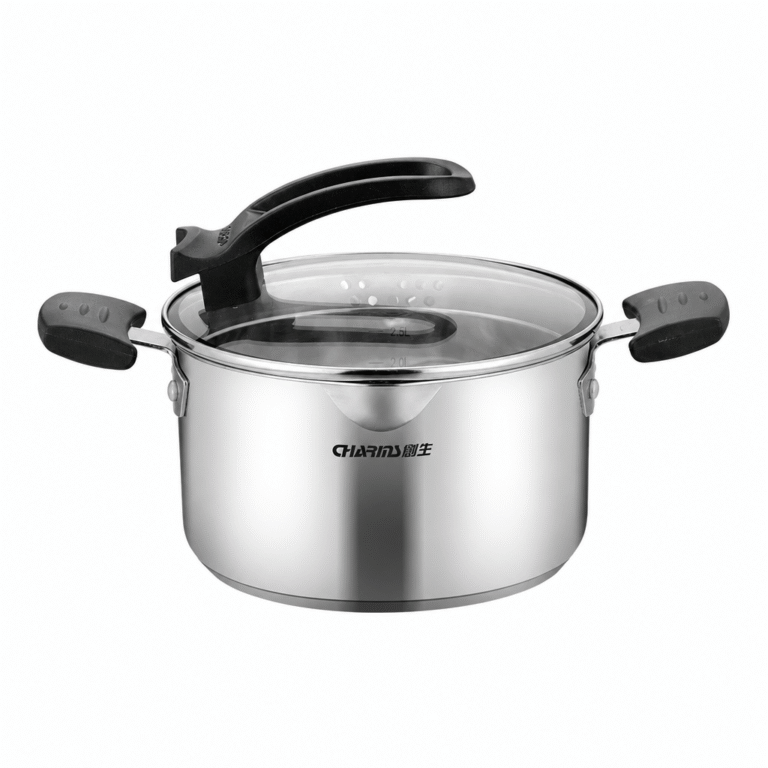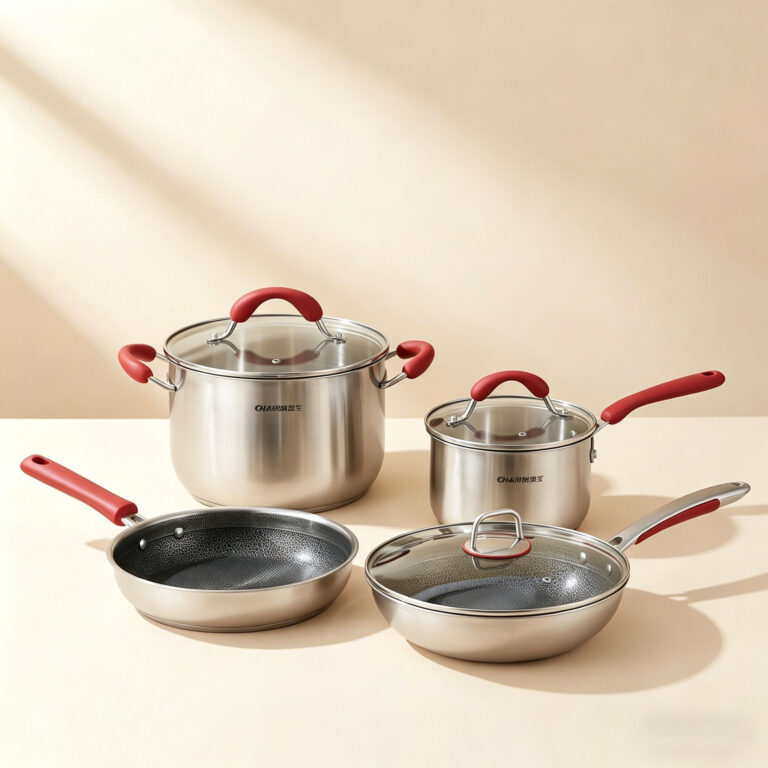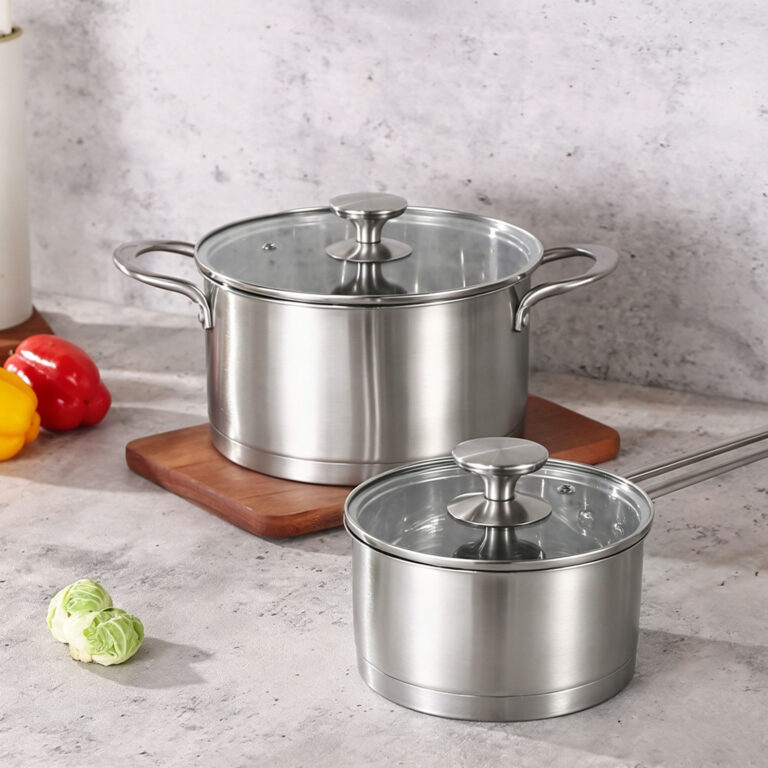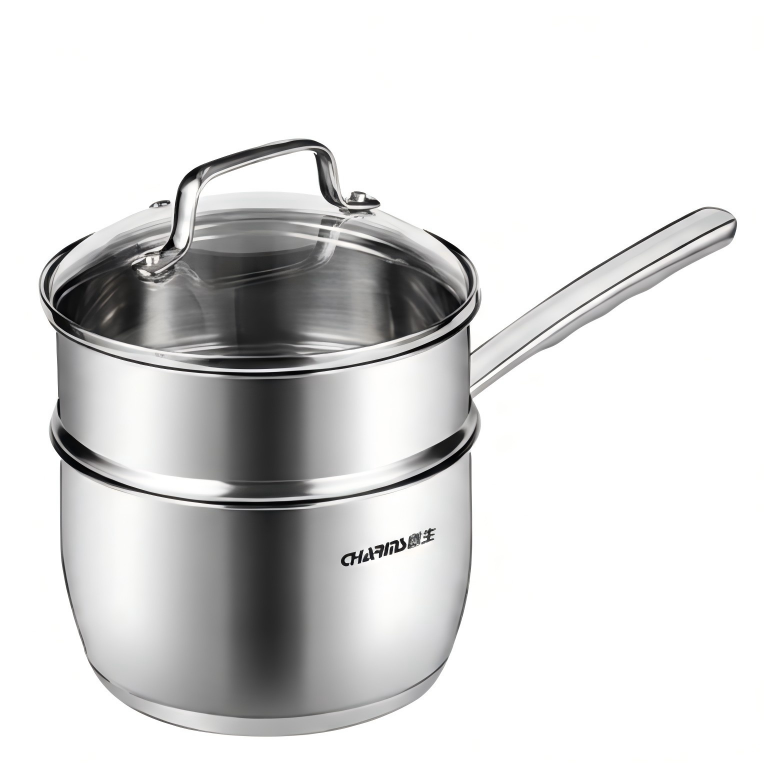

Alibaba is the largest B2B marketplace for wholesale cookware, connecting importers with hundreds of Chinese manufacturers. But not all suppliers carry equal trust. This guide explains how the Verified Supplier and Trade Assurance badges actually work, how to read price benchmarks before sending your first RFQ, and the five vetting steps that separate reliable cookware factories from trading company resellers — with practical examples from brands like CharmsCook.
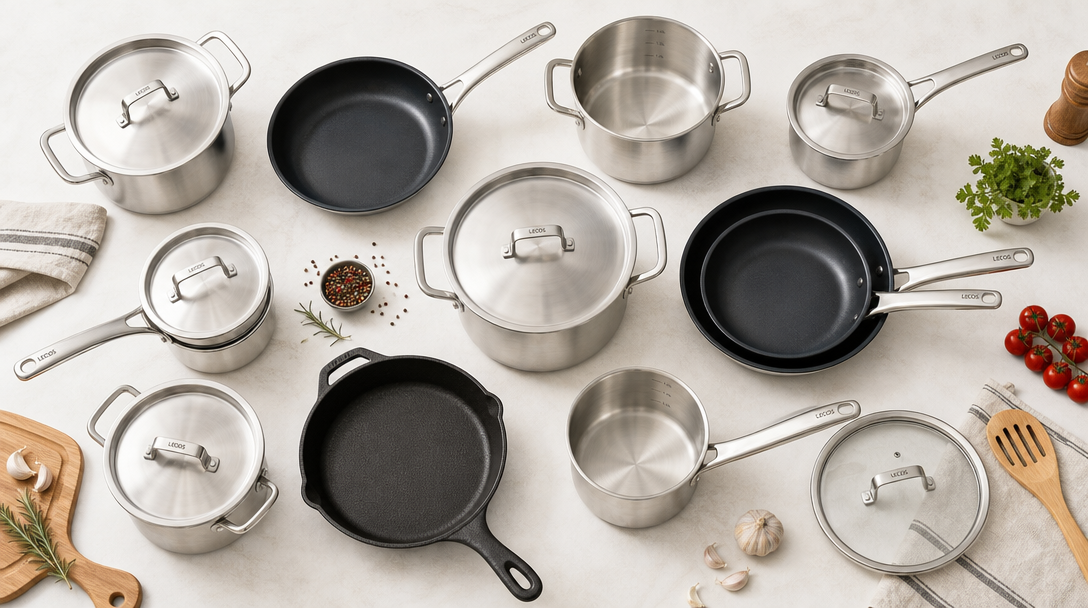
Why Importers Still Turn to Alibaba for Cookware
Alibaba.com hosts thousands of cookware manufacturers, primarily from manufacturing hubs in Zhejiang, Guangdong, and Chaozhou. For importers and wholesalers, the platform’s appeal is straightforward: factory-direct pricing, OEM customization, and enough supplier competition to negotiate on both MOQ and unit cost.
That said, the sheer volume of listings creates a signal-to-noise problem. On any given search for “nonstick cookware set wholesale,” you’ll find factories, trading companies, and everything in between — all presenting similar storefronts. The platform has built a badge system to help buyers navigate this, but the badges are frequently misread.
Alibaba’s Supplier Badges: What They Actually Mean
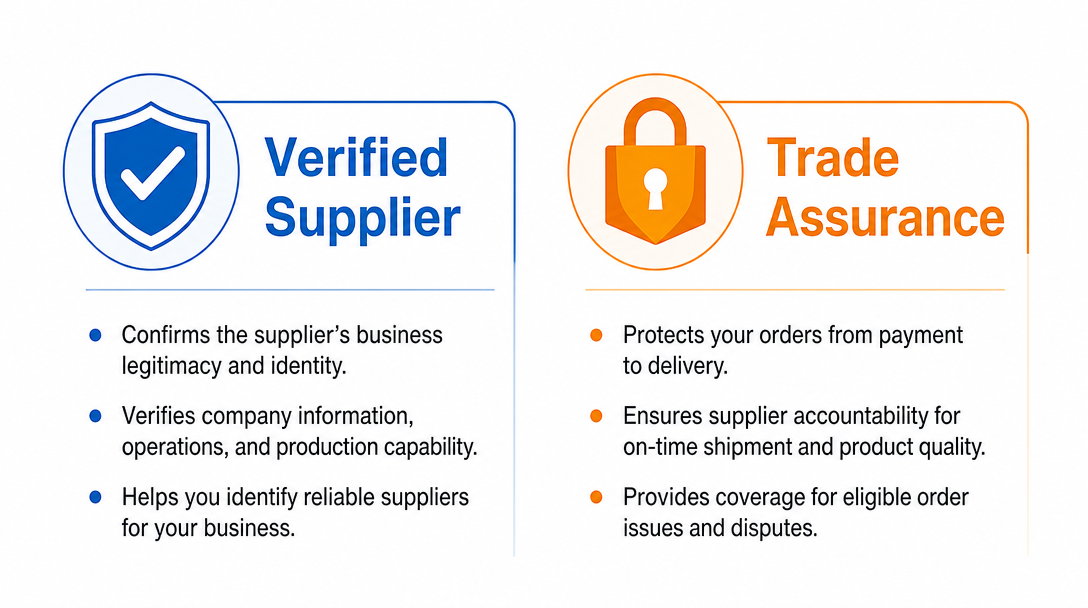
Verified Supplier
A Verified Supplier has passed a third-party on-site assessment conducted by an agency such as SGS, TÜV Rheinland, or Bureau Veritas. The assessment confirms:
- Legal business registration
- Factory premises exist at the listed address
- Production capacity matches claims
What it does not cover: product quality, material safety, compliance with LFGB or FDA standards, or on-time delivery performance. Verification is a one-time snapshot, not an ongoing audit.
In September 2021, Alibaba retired its Gold Supplier membership tier. Many older buying guides still reference it. Today, the primary trust tier is Verified Supplier — filter for this first.
Trade Assurance
Trade Assurance is Alibaba’s payment escrow service. Buyer funds are held by Alibaba until the order is received and accepted. If goods don’t match the agreed spec, buyers can file a dispute within 30 days of delivery (60 days for Enterprise buyers).
What it does not cover: quality judgment calls, subjective finish differences, or issues discovered months after delivery.
The practical rule: Verified Supplier vets the company. Trade Assurance protects your payment. You need both — and neither replaces ordering a sample.
Cookware Price Benchmarks Before You Send an RFQ
Knowing approximate price ranges prevents you from overpaying on trial orders or dismissing legitimate quotes as too low. Based on current Alibaba listings:
| Cookware Type | MOQ Range | Unit Price Range (FOB) |
|---|---|---|
| Aluminum nonstick set (4–12 pcs) | 500–1,000 sets | $7.90–$45.00 / set |
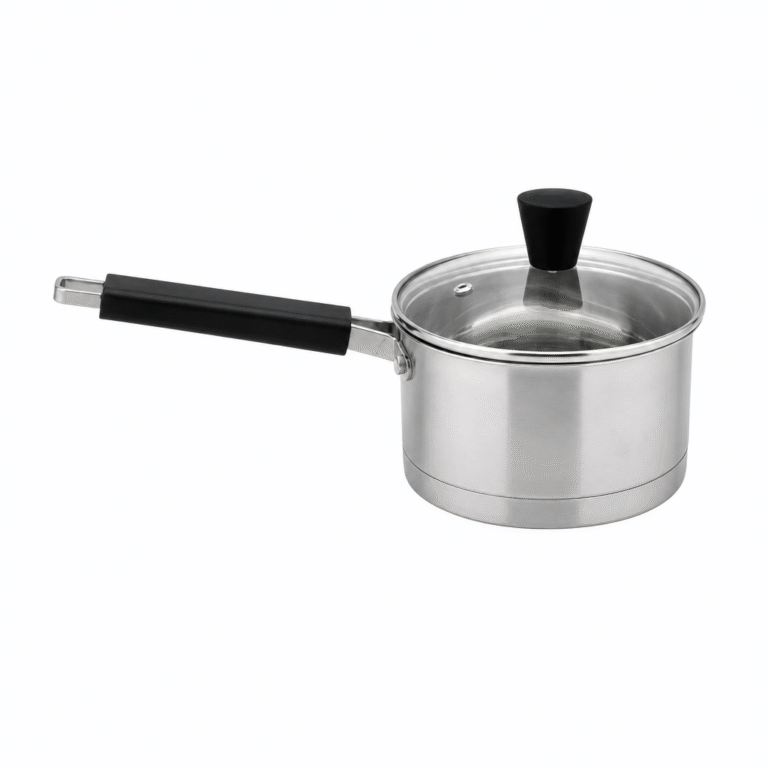
| Stainless steel cookware set | 100–1,000 sets | $3.66–$32.71 / set |
| Cast iron enamel casserole | 100 sets | $75.00–$85.00 / set |
| Individual forged frying pan | 1–2,000 pcs | $2.30–$9.50 / pc |
Note: FOB pricing excludes freight, import duties, and inspection fees. For US importers, factor in Section 301 tariffs on Chinese cookware (currently 7.5–25% depending on material and HS code). For EU importers, add anti-dumping duties where applicable.
The 5-Step Supplier Vetting Checklist
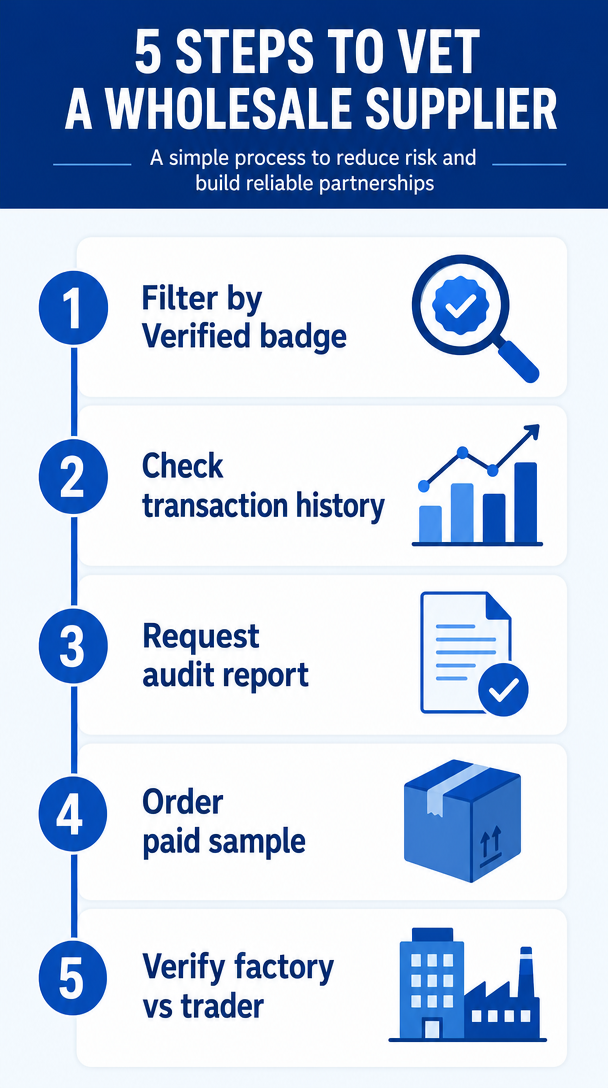
This checklist applies regardless of badge status. Run it before committing to any order over $500.
Step 1 — Filter by Verified + Trade Assurance Use both filters simultaneously on Alibaba search. This cuts the supplier pool significantly but removes the highest-risk listings. Do not rely on badge presence alone — it’s a starting gate, not a finish line.
Step 2 — Check Transaction History and Response Rate Suppliers with 40+ verified transactions and a response rate above 85% have demonstrated consistent buyer engagement. Avoid suppliers with zero transaction history, even if their product photos look professional.
Step 3 — Request the Third-Party Verification Report Any Verified Supplier can share their SGS or Bureau Veritas audit report. Ask for it directly. A supplier who deflects or provides outdated documentation (older than 2 years) is a yellow flag.
Step 4 — Order a Paid Sample Before the Bulk Order A sample order is non-negotiable for cookware. Request the specific SKU, surface coating, handle attachment, and lid fit you plan to order. Paying for samples (typically $30–$150 per piece including courier) signals seriousness and gives you something to test. Free samples with “just pay shipping” arrangements often result in cherry-picked showroom pieces.
Step 5 — Verify Factory vs. Trading Company Ask directly: “Is your company a manufacturer or a trading company?” Then cross-check by searching the company name on China’s National Enterprise Credit Information Publicity System (gsxt.gov.cn). Manufacturers typically list “生产” (production) in their business scope; trading companies list “贸易” (trade). This takes under five minutes and is the most reliable check available.
Cookware Categories Worth Sourcing on Alibaba
Not every cookware category is equally well-served by Alibaba’s supplier pool. Here’s where the depth is strongest:
Aluminum nonstick: Largest supplier concentration, widest MOQ flexibility, and the most developed OEM customization infrastructure. PFOA-free coatings (Teflon alternatives) are widely available; always request LFGB or FDA test reports.
Stainless steel: Strong supply from Chaozhou and Guangdong. 304-grade stainless is standard; request material certifications to confirm grade.
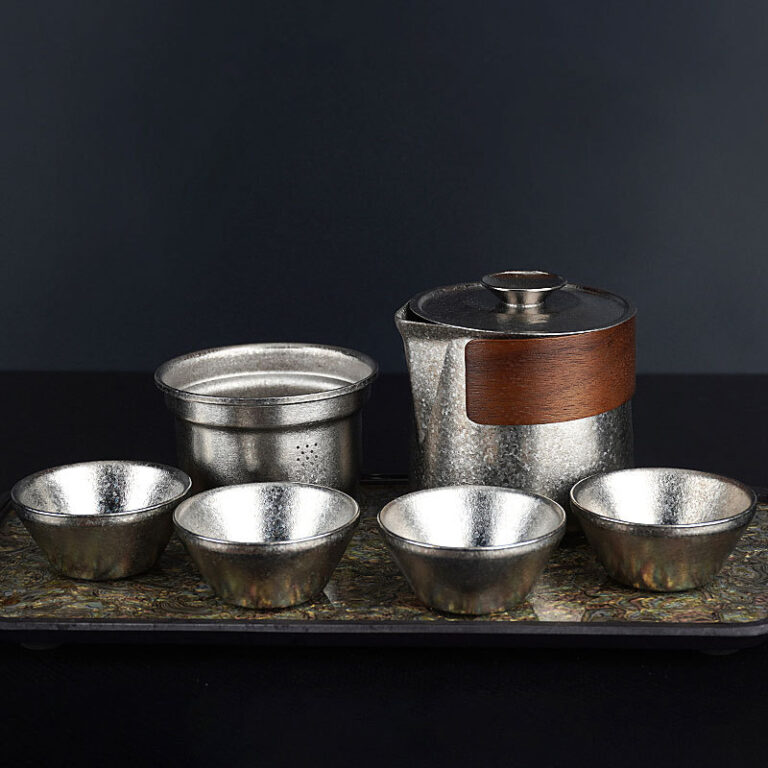
Titanium cookware: Smaller supplier pool but growing. Titanium cookware combines extreme durability with lightweight design — a premium niche that demands stricter material verification. Brands like CharmsCook have built dedicated B2B offerings in this category, serving importers who need verified titanium specs rather than aluminum-titanium-coated alternatives.
Cast iron / enamel: Good supply depth, though quality variance is high. Pre-seasoning quality and enamel chip resistance should be tested in the sample phase.
Common Mistakes That Cost Importers Money
Treating MOQ as fixed. Most suppliers list an MOQ but will negotiate, especially for first orders. If you’re testing a new SKU, ask for a trial quantity at a 15–20% price premium. Many factories prefer this to losing the account entirely.
Skipping the landed cost calculation. A $10/set FOB price on a 500-set order looks attractive until you add $800 ocean freight, $200 customs bond, and 15% duty. Run the full landed cost before comparing suppliers.
Relying on product images alone. Alibaba product images are frequently stock photos or samples from the best production run. Always ask for a factory floor video and a photo of the specific coating being applied. Suppliers who refuse are telling you something.
Paying outside Trade Assurance. Once a supplier moves the conversation to WeChat or WhatsApp and asks for a wire transfer to a personal account, stop. This is the most common fraud pattern on Alibaba. If the deal is real, it can be formalized through Alibaba’s payment system.
Working With Specialized B2B Cookware Brands
For importers who want to skip the discovery phase entirely, established B2B cookware brands offer a vetted alternative to sourcing anonymous factory listings. CharmsCook is one example — a manufacturer-direct brand focusing on premium cookware for B2B buyers, offering OEM customization, documented material specifications, and English-language support designed specifically for importers and distributors.
This approach trades some pricing flexibility for reduced vetting overhead. For categories like titanium or high-end stainless where material fraud is a documented risk, working directly with a specialist brand often saves more than it costs.
Summary
Alibaba remains the most efficient starting point for wholesale cookware sourcing — provided you use its tools correctly. The Verified Supplier badge and Trade Assurance together cover the two biggest risks: fake companies and payment fraud. What they don’t cover is quality, and that gap is where the five-step checklist, sample orders, and selective use of specialist brands like CharmsCook fill in.
The practical workflow: filter by Verified + Trade Assurance → benchmark your price against the table above → run the 5-step checklist → order a paid sample → calculate full landed cost before committing. That sequence won’t eliminate all sourcing risk, but it eliminates most of it.