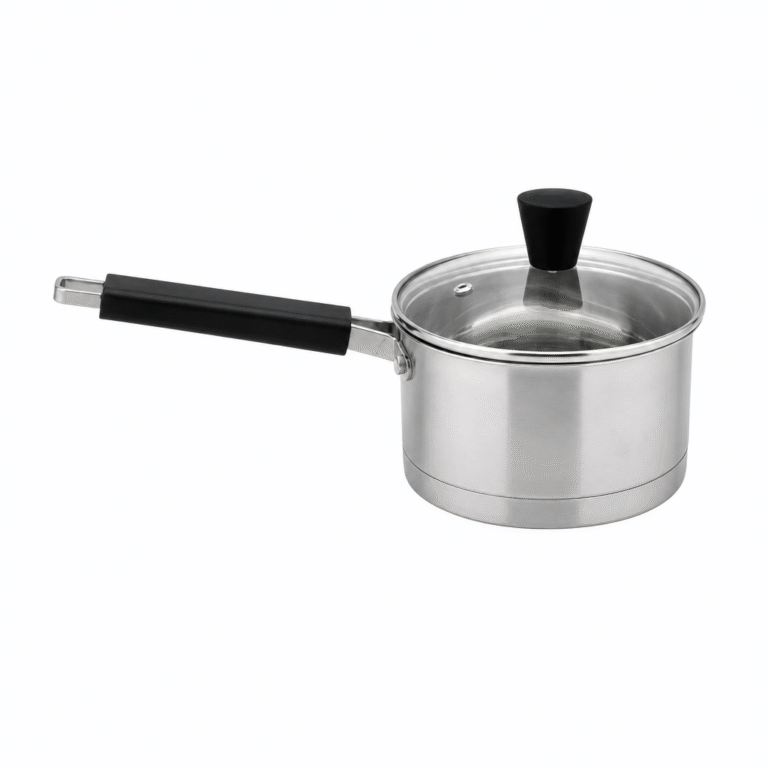


Packaging is where most private label cookware brands lose money they don’t know they’re losing — either to retail chargebacks from non-compliant labels, to ocean freight costs inflated by oversized boxes, or to launch delays caused by dieline approval cycles that dragged weeks past the deadline.
This guide covers what actually matters when sourcing custom packaging for cookware OEM: box construction, compliance standards, freight math, the artwork handoff workflow, and how to evaluate a manufacturer worth trusting with your brand.
What Makes Cookware Packaging Different from Other Product Categories
Cookware creates structural challenges that most packaging suppliers encounter inconsistently. Pots and pans are heavy, irregular in shape, and often sold as sets — a 5-piece set can weigh 6–8 kg, which eliminates most lightweight box constructions and demands inserts that hold position under compression and vibration during shipping.
The failure modes are specific: handles punching through corrugated walls, lids rattling loose and scratching surfaces, and stacked master cartons collapsing on pallet due to underrated compression strength. Getting the packaging right starts with understanding these failure points before you ever talk to a supplier.
For retail distribution, the stakes are higher. A single drop-test failure on an Amazon FBA shipment or a Walmart floor audit can trigger product returns charged back to the brand — at full retail cost. The box isn’t just packaging; it’s a compliance document.
Box Types: Corrugated, Rigid Gift Box, and Kraft Drawer
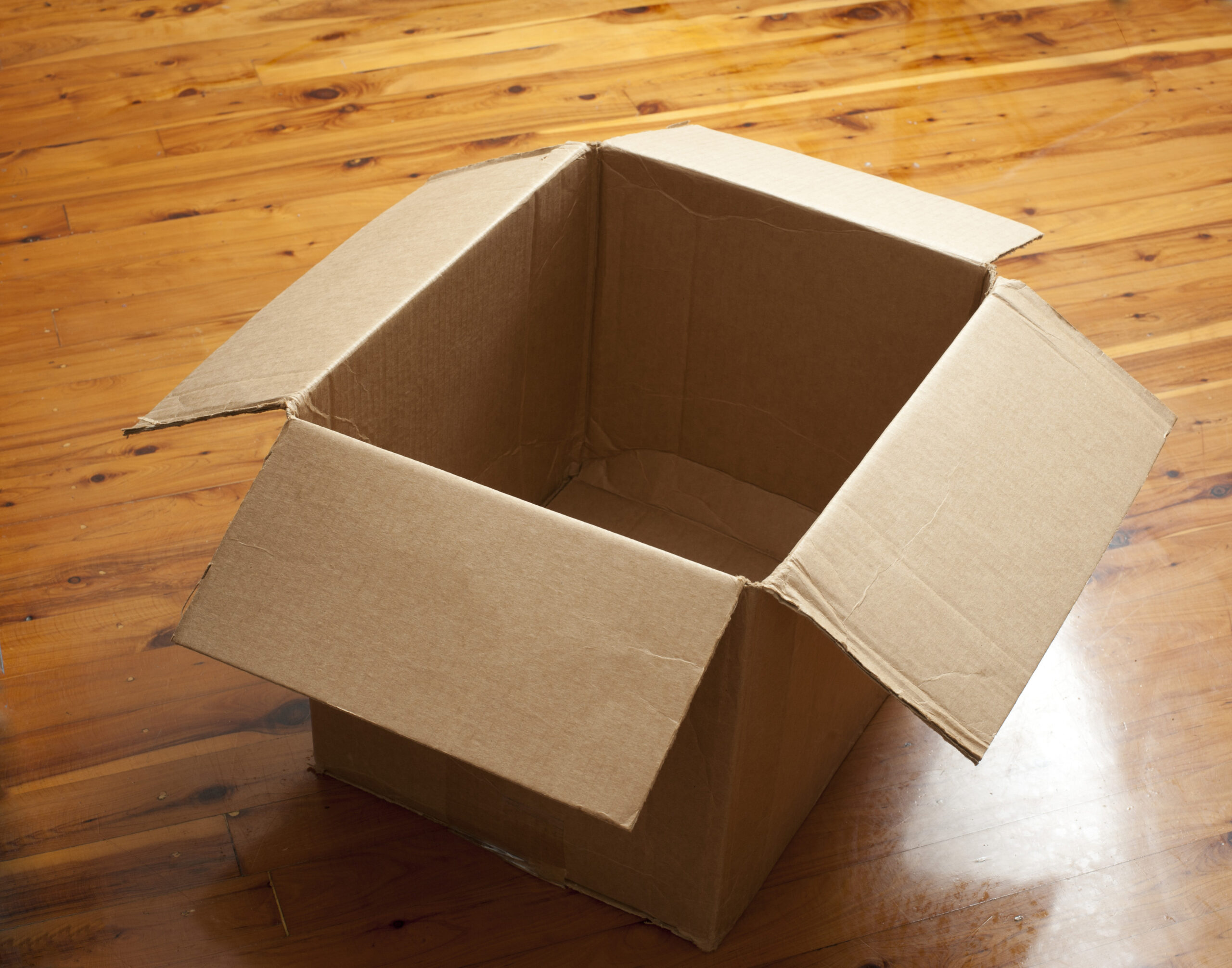
The three primary structures used in cookware packaging each have a different cost, weight, and brand position profile.
Corrugated Boxes are the industry standard for cookware sets going into retail or FBA channels. Flute selection matters here more than most buyers realize:
- B-flute (3mm): Best for retail-facing display boxes — thinner profile, crisp print resolution, adequate compression for shelf stacking
- C-flute (4mm): Standard shipping box for heavier single pans; higher compression rating, less print resolution
- E-flute (1.5mm): Slim presentation boxes for premium single-piece items; smooth surface for high-quality litho print
For a 3-piece cookware set with a combined product weight of 4–6 kg, C-flute with a minimum 32 ECT (Edge Crush Test) rating is the baseline. ECT measures edge crush resistance — a 32 ECT single-wall box typically delivers a box compression strength of 800–1,000 lbs, which is adequate for 3-high pallet stacking in standard retail distribution.
Rigid Gift Boxes (also called set-up boxes) are the premium tier — chipboard construction with a separate lid and base, typically wrapped in printed paper or fabric.
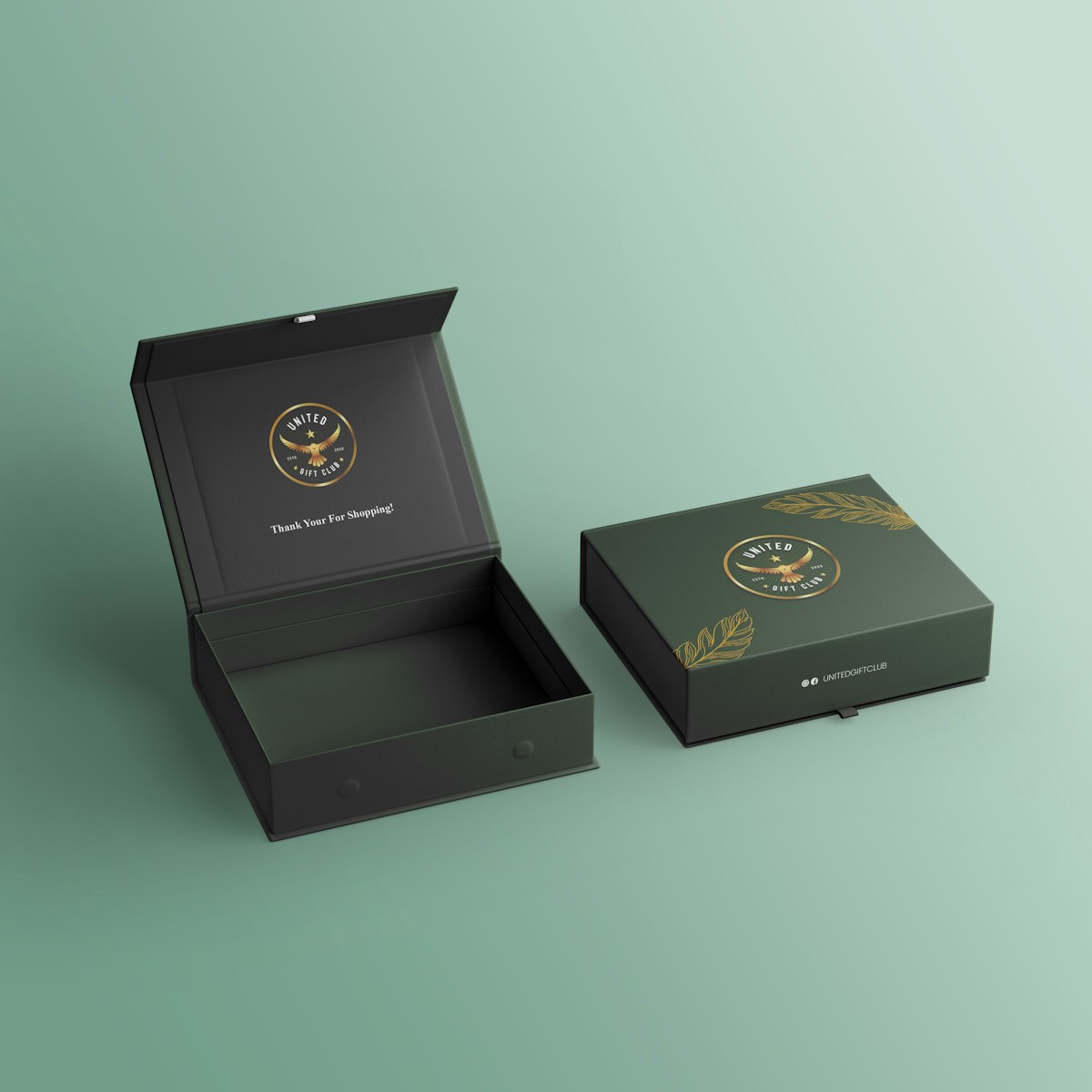
They’re the right choice for holiday gifting sets, DTC unboxing experiences, and premium single-pan launches. Cost is 2–3x corrugated at equivalent volume, and lead time is 1–2 weeks longer due to hand-assembly requirements.
Kraft Drawer Boxes sit in the middle — a sliding tray construction in natural kraft that reads as sustainable and artisan. They work well for mid-range single-pan SKUs at specialty retail (Williams-Sonoma, Sur La Table tier) but aren’t structurally rated for heavy sets.
Retail Compliance: ISTA, GS1, ASTM F2388, and Amazon FBA
This is where most private label buyers get surprised — often after product has already arrived at the distribution center.
ISTA 2A Drop Test: The International Safe Transit Association 2A protocol is the standard test sequence for packaged goods weighing under 68 kg. It simulates the drops, vibrations, and compressions a package encounters from factory to retail shelf. Walmart, Target, and Costco all require ISTA 2A certification from their vendors. If your packaging manufacturer can’t provide test documentation or doesn’t reference ISTA, that’s a disqualifying flag.
GS1-128 Barcode Placement: Retail buyers require scannable barcodes on specific panel faces with minimum quiet zone widths. The GS1 specification requires a minimum quiet zone of 10 times the module width (the X dimension) on each side — at a standard print ratio this equates to approximately 2.5–5mm of clear space around the barcode. Printed at a minimum resolution of 203 dpi. Placement errors — barcode too close to a fold, too close to a printed element — cause scan failures at receiving, which triggers chargebacks.
ASTM F2388 Suffocation Warning: Required on any poly bag or film packaging with an opening greater than 5 inches. For cookware with poly sleeve protection, this warning is mandatory at specific minimum font sizes — 24-point type for bags under 5×5 inches, scaled up for larger bags. Brands selling in California also need to review Prop 65 requirements if their cookware uses any coatings subject to PFAS/PFOA disclosure.
Amazon FBA Requirements: FBA has its own overlay: polybag items need suffocation warnings and a scannable barcode visible through the bag; master carton labels follow a specific format (FNSKU, ASIN, condition, quantity); and packaging must pass FBA’s own drop and compression testing. Getting a “ship in own container” designation — meaning Amazon won’t add another box — requires specific packaging certification and is worth pursuing if your box quality supports it.
CBM Math: How Box Dimensions Directly Affect Your Freight Cost
This calculation doesn’t appear in most packaging supplier content, which is exactly why brands consistently overpay on ocean freight.
Cubic meter (CBM) is how sea freight is priced. A poorly dimensioned box — even by 20mm in each direction — can meaningfully increase your per-unit freight cost at scale.
Example: A 28cm fry pan packed in a 315 × 315 × 75mm box:
- CBM = 0.315 × 0.315 × 0.075 = 0.0074 CBM/unit
- At $120/CBM sea freight: $0.89/unit in packaging freight cost
Resize that same box to 330 × 330 × 80mm (a common “close enough” mistake):
- CBM = 0.330 × 0.330 × 0.080 = 0.0087 CBM/unit
- At $120/CBM: $1.04/unit — a $0.15/unit difference that adds $150 per thousand units shipped
At 10,000 units per year, that’s $1,500 lost annually to a box that’s 15mm too large in each dimension. A good packaging manufacturer will help you optimize dimensions around the product, not default to round numbers.
Sustainability: FSC, PCW, and What Retail Buyers Now Require
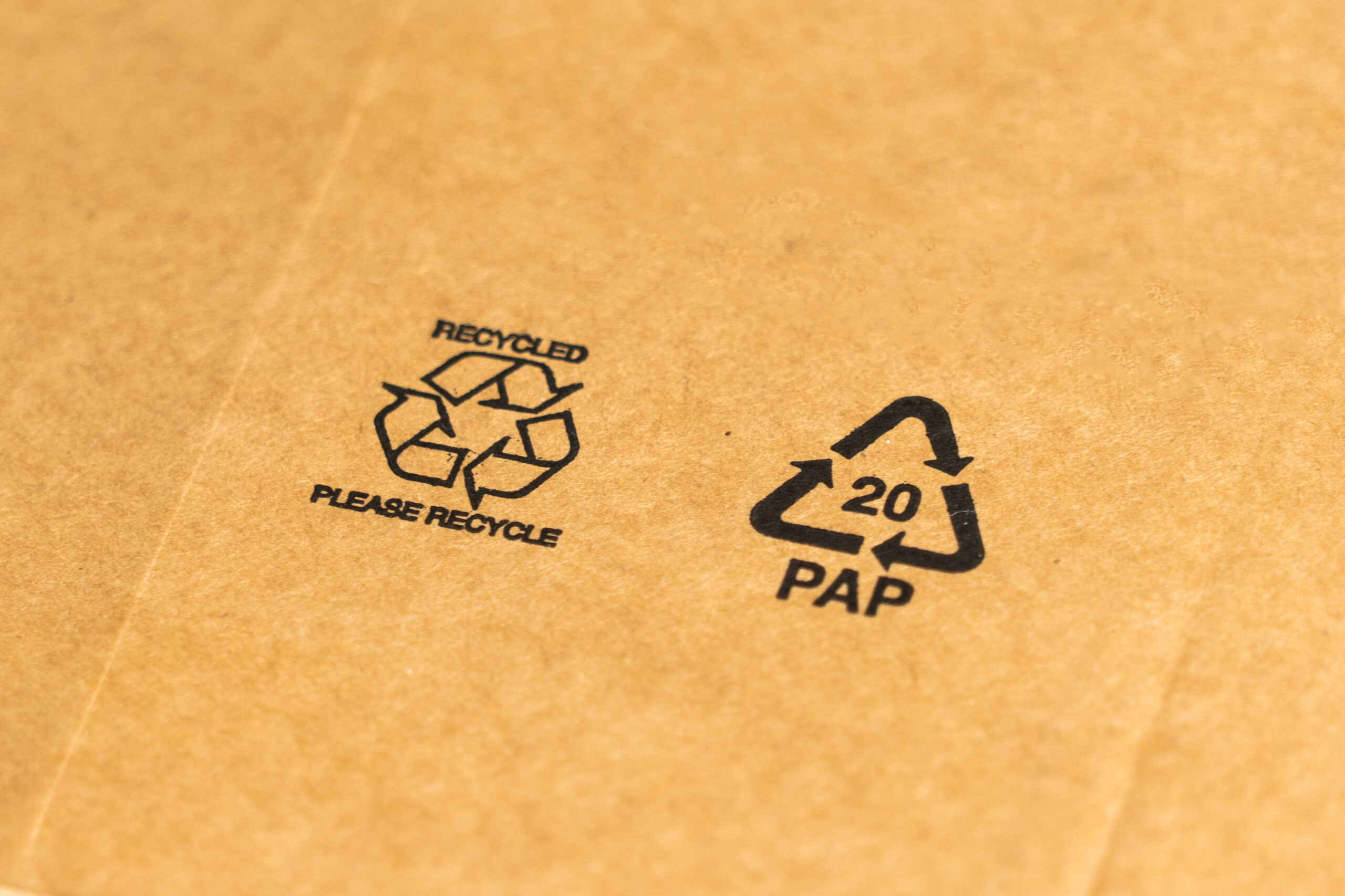
Sustainability requirements have shifted from optional to table stakes at major retail buyers. Three certifications matter:
FSC (Forest Stewardship Council): The gold standard for paper and board sourcing. FSC CoC (Chain of Custody) certification from an accredited body like SCS Global Services or Bureau Veritas means the board in your box can be traced to responsibly managed forests. Walmart, Target, and most European retailers now require FSC documentation from cookware vendors.
PCW (Post-Consumer Waste) Content: Recycled content percentage is a separate claim from FSC — a box can be FSC-certified and have 0% recycled content, or be 100% PCW without FSC. Specify both when briefing your packaging manufacturer.
Water-Based Coatings: FSC Chain of Custody rules focus on fiber content traceability, not surface finishes. However, water-based (aqueous) coatings are still the preferred choice for sustainable packaging — they’re easier to recycle and are increasingly specified by retail buyers as part of broader environmental compliance requirements. Check your specific retailer’s vendor compliance manual for coating restrictions, as requirements vary.
The Artwork-to-Production Workflow
Lead time overruns on custom packaging almost always trace back to the artwork handoff — not the factory’s production capacity.
The correct sequence:
- Structural dieline — the factory provides a die-cut layout in AI or PDF format with all fold lines, glue areas, perforations, and dimensions marked. Check for: bleed area 3mm, safe zone 5mm inside trim line, and clearly marked print-bleed boundaries.
- Color specification — specify PANTONE Solid Coated (not Uncoated) for coated box printing. Uncoated PANTONE references will print noticeably darker on coated stock. If your brand color is PANTONE 286 C, specify “286 C” explicitly — not “286 U,” not “similar to 286.”
- Pre-press proof — a printed color proof (not a PDF softproof) against your PANTONE swatch. Approve this before tooling begins. Skipping this step to save 5–7 days is the single most common cause of a rejected production run.
- Structural sample (engineering sample) — unpainted sample in final board construction. Verify fit with actual product, handle clearance, and insert stability under simulated handling.
- Production sample (golden sample) — full-color, full-production quality unit. This is your quality control benchmark for the entire run. Store it physically; use it for reorder inspection.
- Production run — only authorized after written golden sample sign-off.
Each stage has a typical turnaround: dieline 3–5 days, proofs 5–7 days, structural sample 7–10 days, production sample 7–10 days, production 15–20 days. Total: 6–8 weeks from brief to shipping box. Skipping any stage compresses the calendar by a week but typically adds 2–3 weeks of corrective cycles.
How to Evaluate a Cookware Packaging Manufacturer
Not every packaging factory is equipped for cookware’s specific requirements. The evaluation checklist that matters:
Certifications to request (not just claim):
- FSC CoC certificate (with issuing body and certificate number — verify on fsc.org)
- ISO 9001 quality management
- BSCI or Sedex factory audit (social compliance)
- ISTA test reports on comparable product categories
Manufacturing capability questions:
- What flute types do you carry in stock, and what is the board grade (ECT rating)?
- Can you provide PANTONE-matched color proofs before production?
- What is your in-house dieline capability — do you create structural designs or do I need to supply them?
- What is the compression test result for your standard C-flute construction?
Commercial terms:
- MOQ for custom corrugated: typically 1,000–3,000 units; legitimate low-MOQ suppliers offer 500 units at a 15–25% cost premium
- Lead time from approved golden sample to delivery: 20–30 days production + freight
- Reorder pricing: confirm pricing holds for 12 months or is indexed to paper commodity price
The One-Factory Advantage: Product and Packaging from the Same OEM
Most private label brands source their cookware from a product factory and their packaging from a separate packaging supplier. The coordination overhead is real: two different lead times to synchronize, two quality control trips, two sets of shipping documents, and two invoice streams.
The more efficient model — and the one that reduces time-to-market by 2–4 weeks — is sourcing both product and packaging from an integrated OEM manufacturer. When product dimensions are finalized in the same factory that builds your packaging, the dieline is accurate on the first draft. Structural samples are tested against real product immediately. And when product specs change (as they always do in development), the packaging adapts without a communication cycle to an external supplier.
CharmsCook operates this integrated model — cookware OEM manufacturing with in-house packaging development. For private label buyers bringing a new cookware line to market, this removes the coordination gap that typically kills launch timelines.
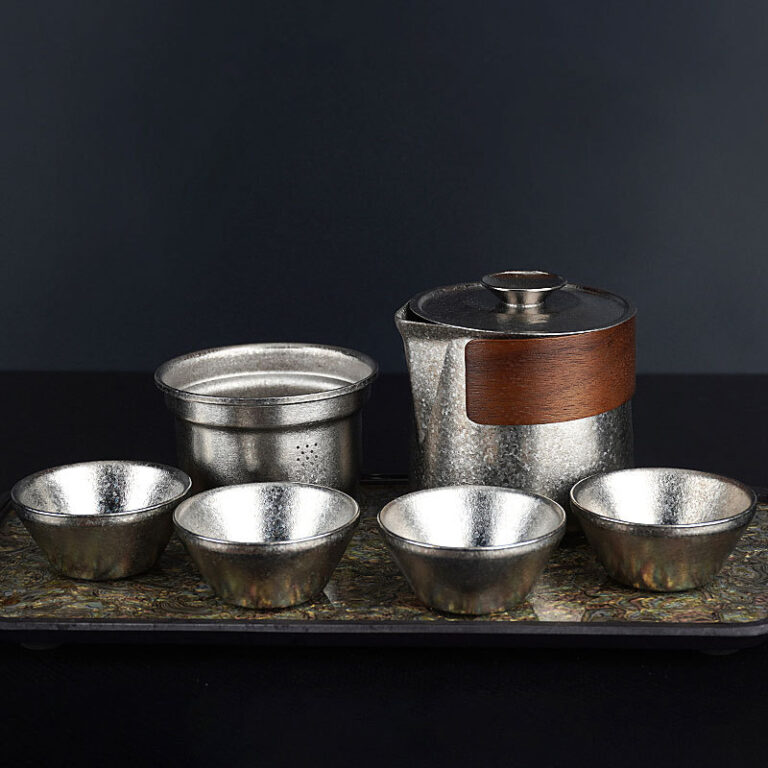
For premium titanium or specialty material cookware lines, the packaging brief also needs to come from someone who understands the product’s material story. A matte-laminated rigid box with an embossed brand mark communicates titanium’s premium positioning in a way a stock corrugated box never will — and that brief is easier to execute correctly when the same team understands both the product and its market.
Frequently Asked Questions
What packaging is used for cookware sets? Most retail cookware sets use C-flute corrugated boxes with EPE foam or molded pulp inserts to secure individual pieces. Premium gift sets use rigid chipboard construction. The choice depends on retail channel (mass vs. specialty), product weight, and brand tier.
What is the MOQ for custom cookware packaging? Standard MOQ for custom corrugated cookware boxes from China suppliers is 1,000–3,000 units. Some suppliers offer 500-unit MOQs at a 15–25% cost premium. Rigid gift boxes typically have a minimum of 500 units due to hand-assembly setup costs.
How long does custom cookware packaging take to produce? From brief to shipping box: 6–8 weeks for corrugated, 7–10 weeks for rigid gift boxes. The critical path is the artwork approval cycle — structural sample and golden sample sign-off together account for 2–3 weeks. Rushing these stages is the leading cause of delayed production runs.
What drop test standard applies to cookware retail packaging? ISTA 2A is the primary standard required by major US retailers (Walmart, Target, Costco). Amazon FBA has its own supplemental test protocol. Packaging must pass both if you’re selling through multiple channels.
Do I need FSC certification for my cookware packaging? FSC certification is now required by most major US and European retail buyers as part of vendor compliance. Even for DTC-only brands, FSC documentation is increasingly expected by sustainability-conscious consumers. Request FSC CoC certificate numbers from your supplier and verify them at fsc.org.
How do I protect my brand artwork when working with an overseas packaging factory? Request a signed NDA before sharing any brand files. Use a lawyer-prepared, dual-language NDA (English + Mandarin for China suppliers). Share layered artwork files only after NDA execution, and maintain original source files in-house — never transfer source files without contractual IP protection clauses.
Packaging Is the Last Thing You Design and the First Thing Your Customer Sees
The brands that get cookware packaging right treat it as part of the product development cycle, not a box they order after tooling is finalized. Dimensions set during product development should drive packaging dimensions — not the reverse. Compliance requirements should be known before the dieline is drawn. And the manufacturer who builds your cookware should ideally be the same team that builds your box.
That convergence — product knowledge meeting packaging expertise — is what separates a brand that hits its launch date from one that pushes it two months because the samples didn’t fit.
Start with the CBM math. Work backward from retail compliance. And find a manufacturer who can show you the certification numbers, not just tell you they have them.