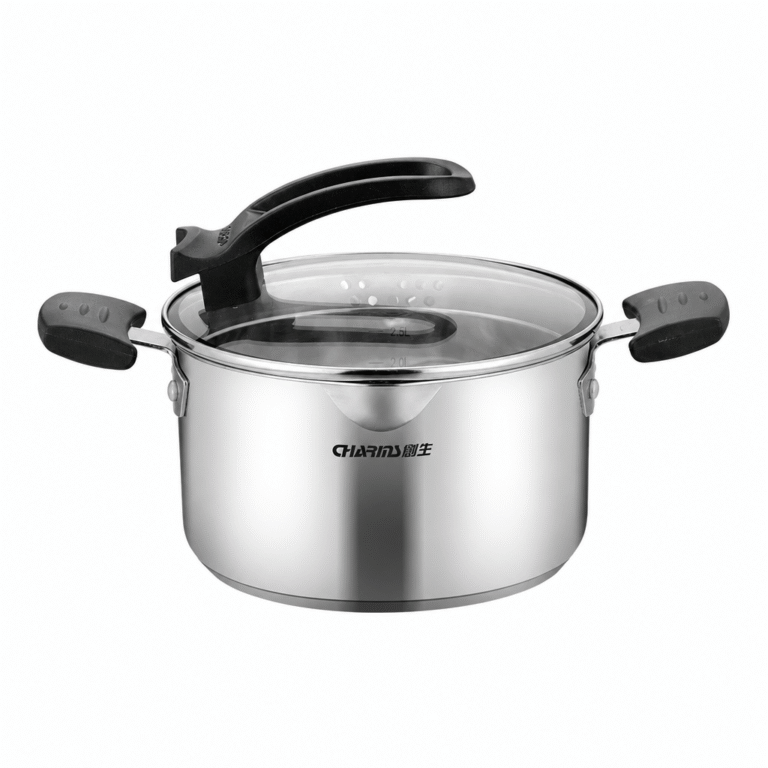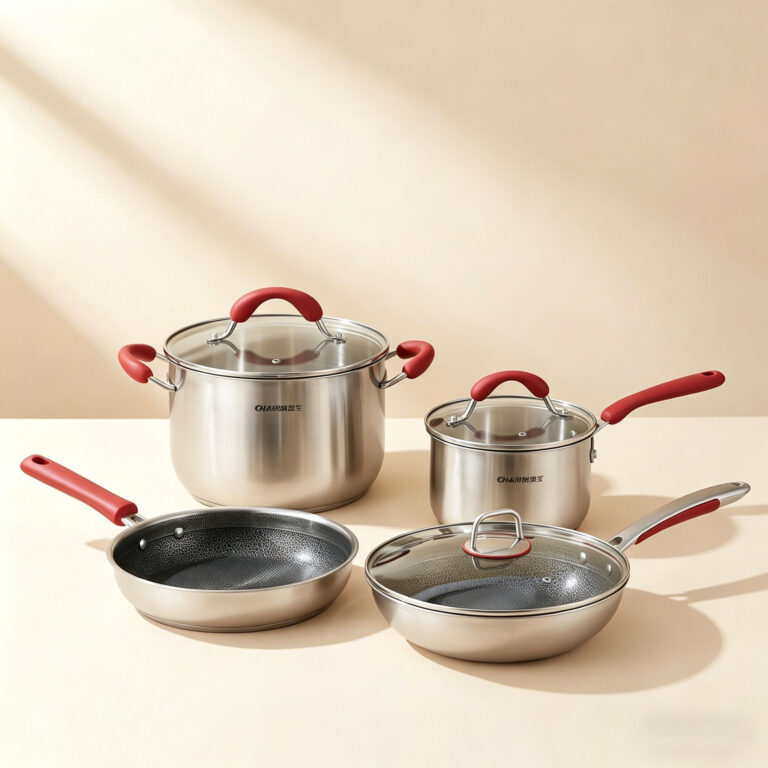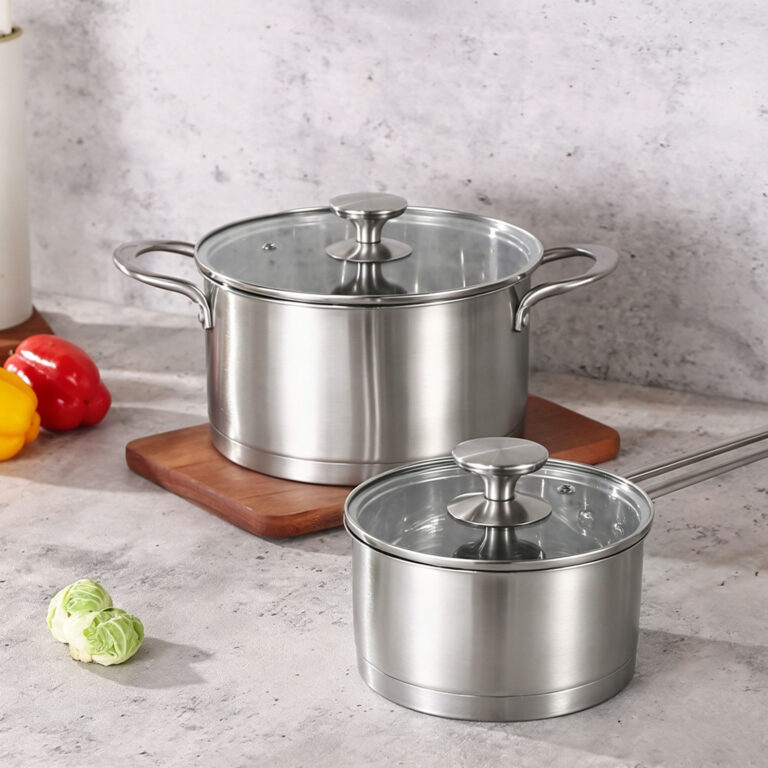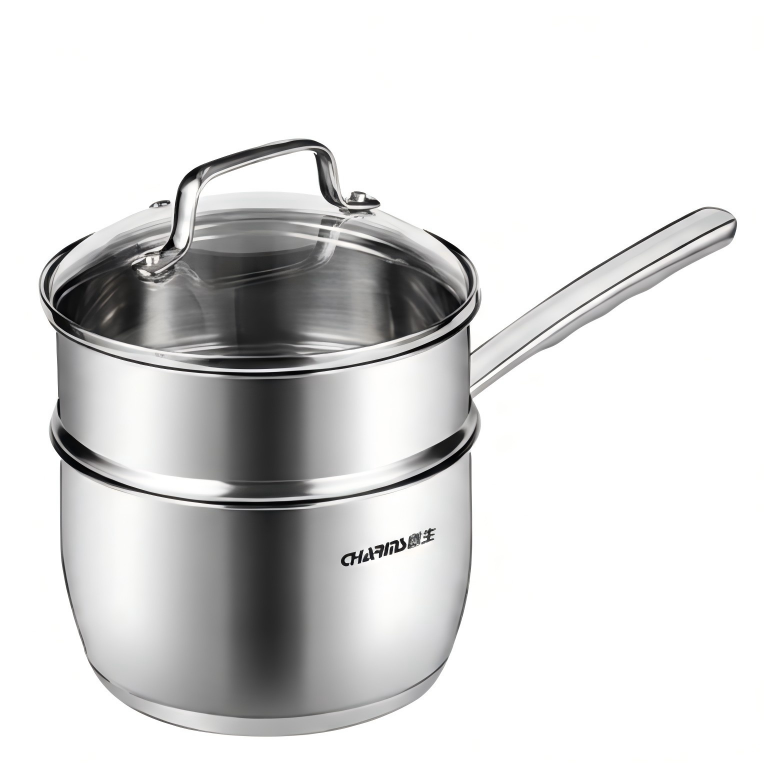


HoReCa cookware supply — covering hotels, restaurants, and cafés — operates on completely different requirements than retail. Commercial kitchens need cookware built from verified food-grade stainless steel (typically 304 or 316 grade), carrying certifications like NSF and ISO 9001, and sourced from manufacturers who can deliver consistent quality across bulk orders. This guide breaks down the material specs that matter, the certifications procurement teams need to verify, and how to evaluate a supplier capable of meeting the demands of high-volume professional kitchens. CharmsCook is referenced as an OEM-capable example throughout.
What HoReCa Cookware Supply Actually Covers
HoReCa stands for Hotel, Restaurant, and Café — and in cookware supply, that acronym defines an entirely different buying context than consumer retail.
A procurement manager sourcing cookware for a 200-room hotel chain is not making the same decision as someone buying a sauté pan for their home kitchen. The volumes are higher, the usage is daily and intensive, and the consequences of buying the wrong product — warped bases, failed coatings, failed health inspections — are measured in operational downtime and regulatory liability.
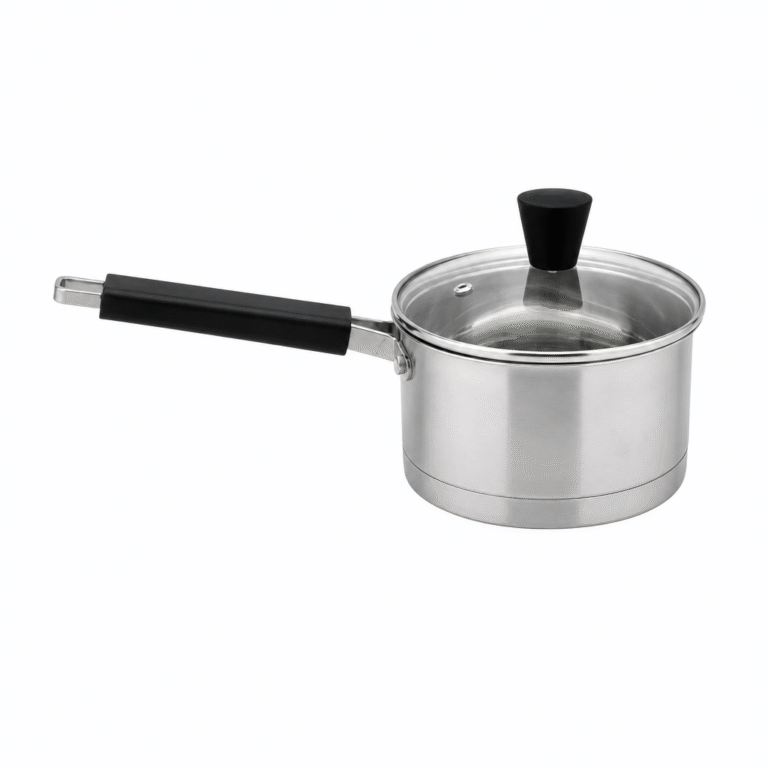
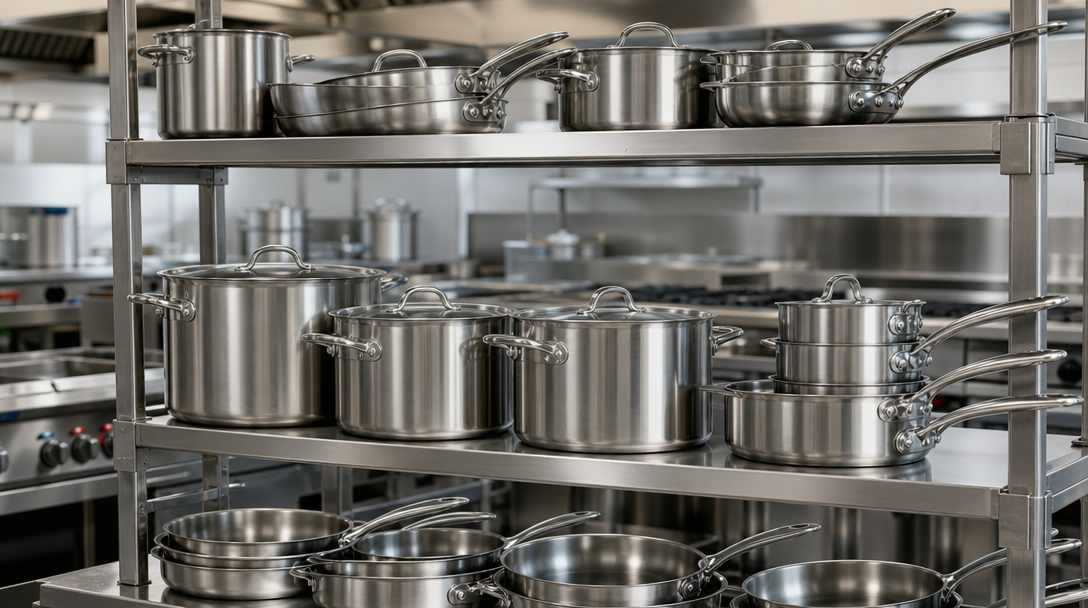
HoReCa cookware supply covers the full range of cooking vessels used in commercial kitchens: stock pots, sauté pans, saucepans, braising pans, hotel pans, and specialty cookware designed for induction, gas, or combination ranges. What separates the HoReCa category from retail is not just size or price — it’s the entire specification stack: material grade, construction method, certification status, and the supplier’s ability to maintain consistency across batches of hundreds or thousands of pieces.
When I work with hotel group buyers, the first question they ask is never “what’s the price?” It’s “can you show me the mill certificate for the steel?”
Why Commercial Cookware Specifications Are Non-Negotiable
The core specification issue in HoReCa cookware is material grade — and most buyers don’t discover a problem until a batch of cookware is already in use.
304 vs 316 Stainless Steel: What the Grade Difference Means in Practice
The two grades that come up in every serious commercial kitchen procurement discussion are 304 and 316 stainless steel. Both are food-safe. Both meet the basic requirements for corrosion resistance in indoor cooking environments. The difference matters depending on your kitchen context.
| Specification | 304 Stainless Steel | 316 Stainless Steel |
|---|---|---|
| Chromium content | 18–20% | 16–18% |
| Nickel content | 8–10% | 10–14% |
| Molybdenum | None | 2–3% |
| Corrosion resistance | Excellent for standard use | Superior — salt, acid, chlorine |
| Best for | General HoReCa cookware | Coastal/marine, acidic menus |
| Relative cost | Standard baseline | ~20–30% premium over 304 |
| Common designation | 18/8 or 18/10 | Marine grade |
For most hotel and restaurant applications, 304 (18/8 or 18/10) is the correct choice. It handles high heat, daily cleaning with commercial detergents, and acidic ingredients without issue. 316 is worth specifying when the kitchen is in a coastal environment with high salt exposure, or when the menu involves prolonged contact with highly acidic ingredients at high temperatures.
The grade issue in B2B sourcing is not theoretical. 201 stainless steel — which is cheaper and uses manganese instead of nickel — is sometimes substituted by low-tier suppliers. It looks identical to 304 but corrodes faster and is not appropriate for food-contact cookware. Any serious HoReCa supplier should provide mill certificates on request.
Construction: Why Tri-Ply Matters for Professional Kitchens
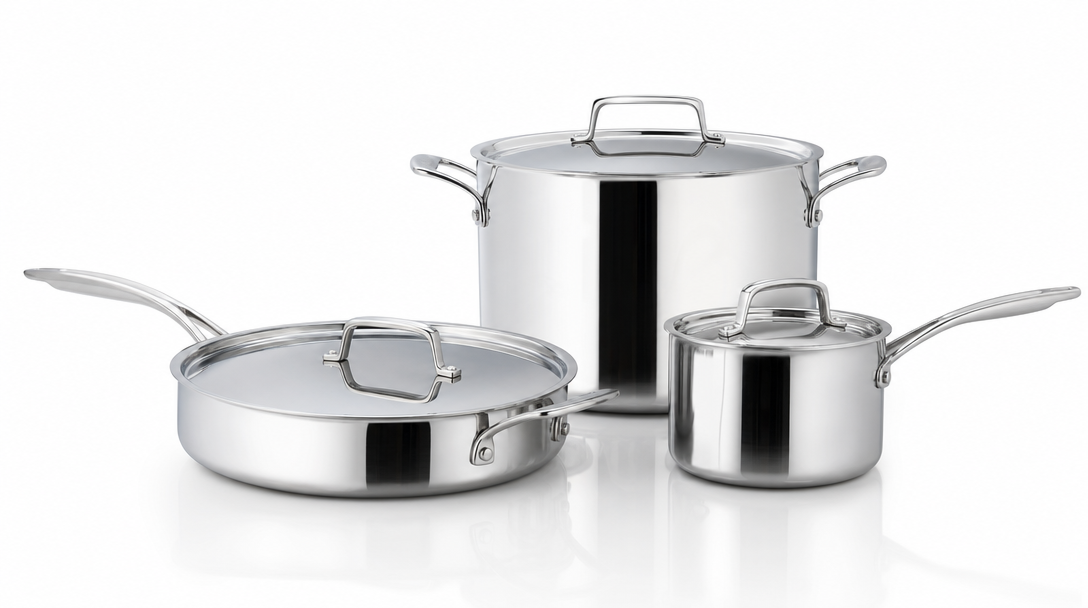
Beyond material grade, construction determines how cookware performs under daily commercial use. Single-layer stainless steel cookware creates hot spots — uneven heat distribution that burns sauces and ruins proteins. Tri-ply construction (stainless-aluminum-stainless sandwich) distributes heat evenly across the entire cooking surface, which is why it’s the standard for professional kitchen pots and pans in hotel and restaurant settings.
The aluminum core in tri-ply construction has a thermal conductivity approximately 13× higher than stainless steel, which is why the construction works: stainless handles durability and food safety, aluminum handles heat management.
Certifications That Procurement Managers Need to Verify
When evaluating a HoReCa cookware supplier, three certifications consistently matter to buyers in export markets — NSF, ISO 9001, and food-safe material compliance.
NSF International certification (specifically NSF/ANSI 2 for food equipment) is effectively non-negotiable for cookware used in US commercial kitchens. It verifies that equipment meets design, material, and fabrication standards for food safety. NSF certification involves continuous testing and can include unannounced factory inspections — which means a supplier claiming it must actually hold the documentation.
ISO 9001 certifies the supplier’s quality management system, not the product itself. For B2B buyers placing repeat bulk orders, ISO 9001 matters because it demonstrates that the factory has documented production controls — consistent materials sourcing, inspection protocols, and corrective action processes.
Food-safe material compliance in export markets typically references specific standards depending on destination: FDA regulations for the US, EU Regulation 1935/2004 for Europe, or equivalent national standards for other markets. For 304 stainless steel cookware, compliance is well-established — but buyers should still request the material safety data sheet (MSDS) and mill certificate for the steel used.
One important clarification: “food-grade stainless steel” is not a single certification. It’s a material classification that depends on grade, surface finish, and manufacturing process. A finished piece of cookware needs the certification; the raw steel grade alone doesn’t confer it.
What Real-World HoReCa Procurement Looks Like
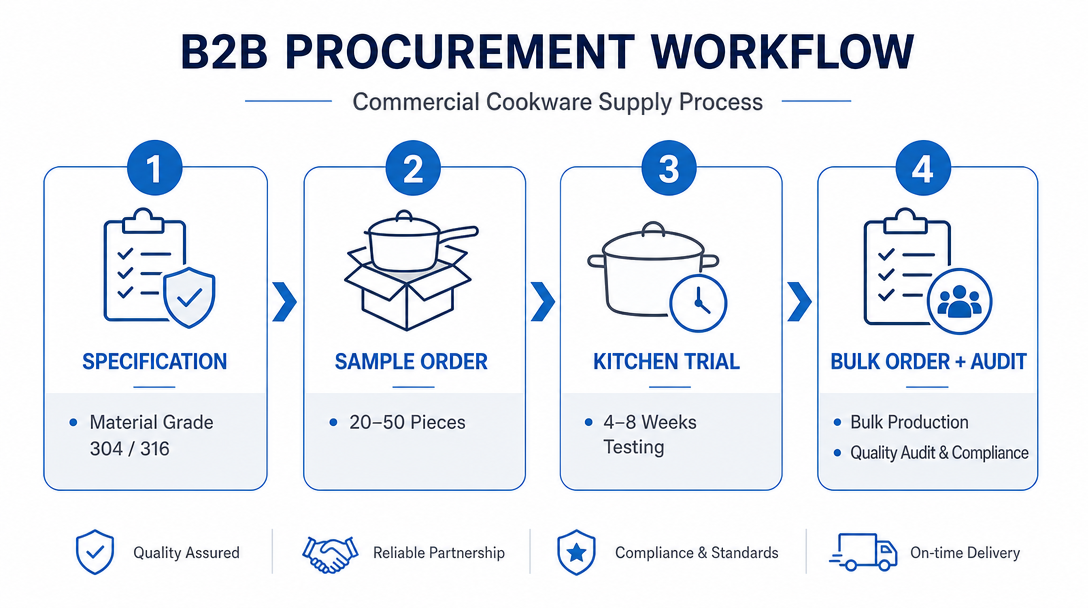
Most hotel and restaurant cookware procurement follows a trial-audit-bulk cycle — and suppliers who can’t support that cycle don’t last long in this segment.
Here’s how a typical procurement sequence plays out when a hotel group is replacing cookware across multiple properties:
- Specification alignment — The buyer provides technical requirements: material grade, construction, dimensions, handle type, induction compatibility. A capable supplier responds with a formal product specification sheet, not just a catalog page.
- Sample order — A trial batch of 20–50 pieces is ordered. This is where grade verification matters: a serious buyer will send samples for independent XRF (X-ray fluorescence) testing to confirm the steel grade claimed on the spec sheet.
- Kitchen trial — The samples go into actual kitchen use for 4–8 weeks. Failure modes to watch for: handle rivets loosening, bases warping on induction, discoloration from commercial dishwasher cycles.
- Bulk order and factory audit — If the trial passes, the bulk order follows, often alongside a factory audit or at minimum a third-party inspection of the production batch before shipment.
Suppliers who can’t accommodate sample orders, don’t provide mill certificates, or can’t support third-party inspection are not suitable for serious HoReCa procurement — regardless of price.
Choosing a Supplier That Scales With You
The right HoReCa cookware supplier is not just a manufacturer — they’re a production partner who can maintain quality consistency from your first trial order through years of repeat supply.
CharmsCook is built specifically for this kind of commercial partnership. The range covers the core cookware categories that hotel and restaurant kitchens rely on — stainless steel stock pots, sauté pans, saucepans, and specialty cookware — with tri-ply 304 stainless steel construction as the standard across the professional line.
For hotel groups and restaurant chains with private-label requirements, CharmsCook supports OEM customization: branded handles, custom engravings, and packaging designed for your properties. This is a capability that matters for hospitality groups that want uniform branding across kitchen equipment.
What makes the difference in long-term supplier relationships is consistency — consistent material grades across batches, consistent QC documentation, and a supplier who understands that a hotel kitchen can’t swap out cookware mid-service because a batch didn’t meet spec.
For procurement teams evaluating cookware suppliers, CharmsCook provides full material documentation including mill certificates and product specification sheets for all commercial-grade lines. Samples for kitchen trials are available on request at charmscook.com.
Frequently Asked Questions
What does HoReCa mean in the context of cookware supply? HoReCa stands for Hotel, Restaurant, and Café — the three main segments of the commercial foodservice industry. In cookware supply, HoReCa refers to commercial-grade equipment designed for high-volume, daily professional use, as opposed to consumer-grade retail products.
What stainless steel grade should commercial cookware be made from? For most hotel and restaurant applications, 304 stainless steel (also labeled 18/8 or 18/10) is the appropriate choice. It offers strong corrosion resistance, food safety compliance, and durability under daily commercial use. 316 stainless is worth specifying only in high-salt or high-acid environments, as it carries a 20–30% cost premium over 304.
What certifications should I require from a HoReCa cookware supplier? For US market supply: NSF/ANSI 2 certification for food equipment. For quality management consistency: ISO 9001. For material compliance: FDA food-safe documentation or equivalent (EU 1935/2004 for European markets). Always request mill certificates for the steel used in production.
What is tri-ply construction and why does it matter for commercial kitchens? Tri-ply cookware uses a three-layer sandwich: stainless steel outer layer, aluminum core, stainless steel cooking surface. The aluminum core (which conducts heat roughly 13× more efficiently than stainless steel alone) eliminates hot spots and ensures even heat distribution — critical for consistent cooking results in high-volume professional kitchens.
How do I verify the stainless steel grade in cookware I’m sourcing? Request mill certificates from the supplier for the steel coil used in production. For independent verification, XRF (X-ray fluorescence) testing on finished pieces can confirm the actual chromium and nickel content against the claimed grade. This is standard practice for large hotel group procurement.
Can hotel chains get private-label cookware from a commercial supplier? Yes — OEM-capable manufacturers like CharmsCook support private-label customization including branded handles, custom engravings, and hospitality-specific packaging. This is relevant for hotel groups that maintain brand consistency across all kitchen equipment at multiple properties.
Summary
HoReCa cookware procurement is a technical buying decision, not a catalog exercise. The buyers who get the best long-term outcomes are the ones who specify material grades explicitly (304 vs 316), verify certifications by name rather than accepting vague “food-grade” claims, and work with suppliers who can support the full trial-audit-bulk cycle. For commercial kitchens where consistency matters every service, the supplier relationship is as important as the product spec.
CharmsCook supplies commercial-grade cookware to hotel and restaurant buyers with full OEM capability, material documentation, and professional kitchen-tested specifications. If you’re evaluating cookware for your HoReCa operation, their commercial range is worth reviewing.