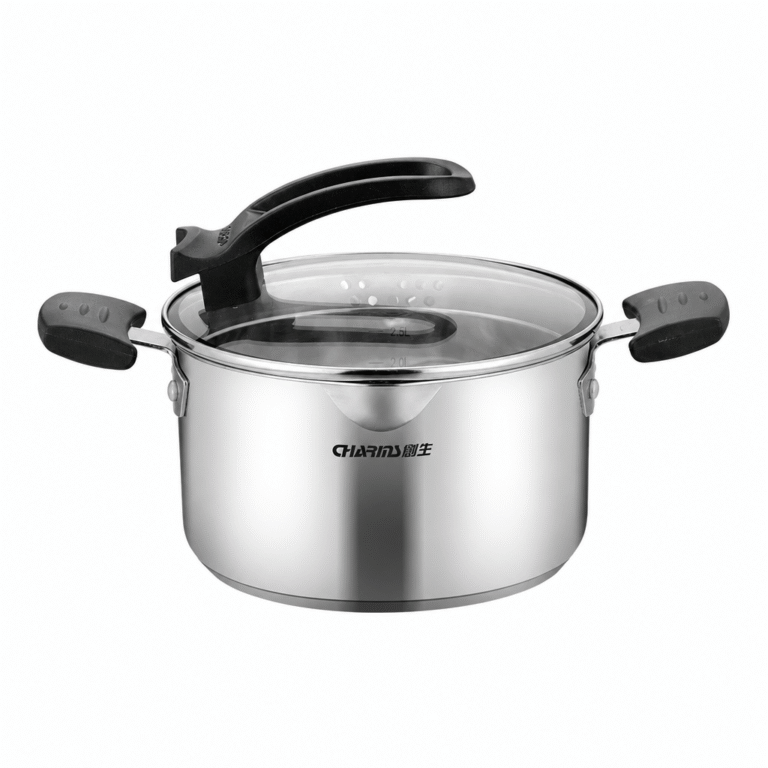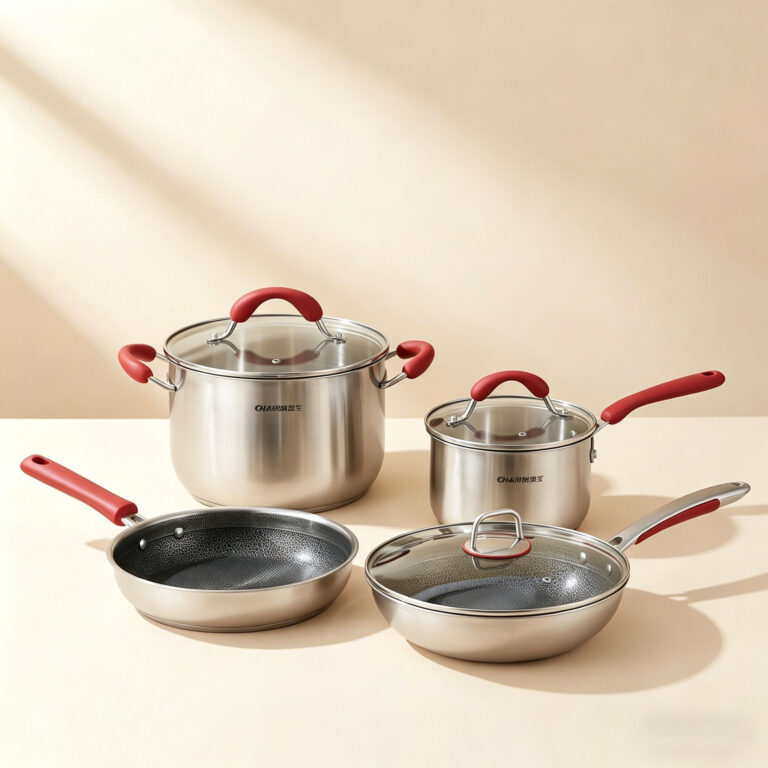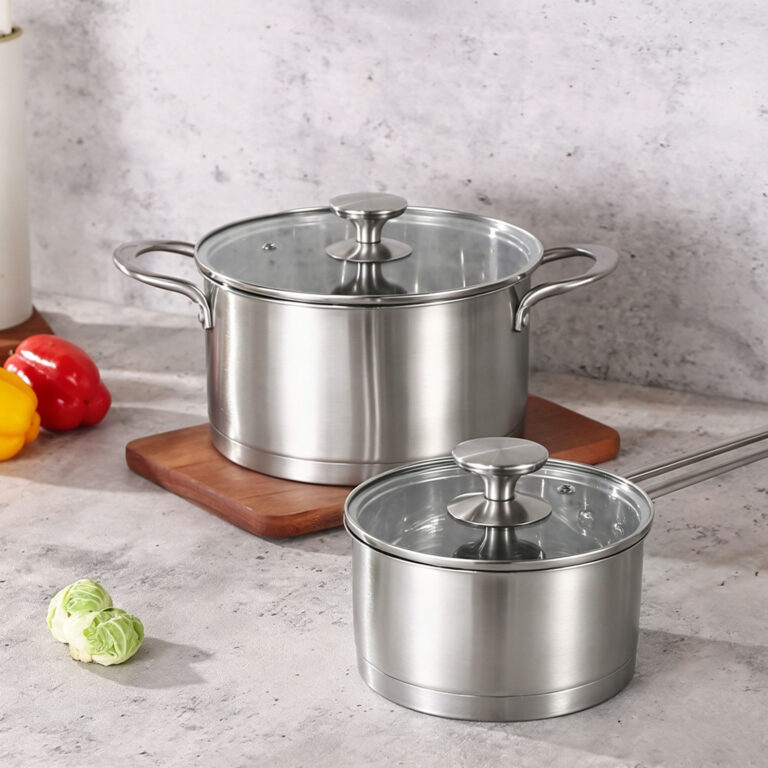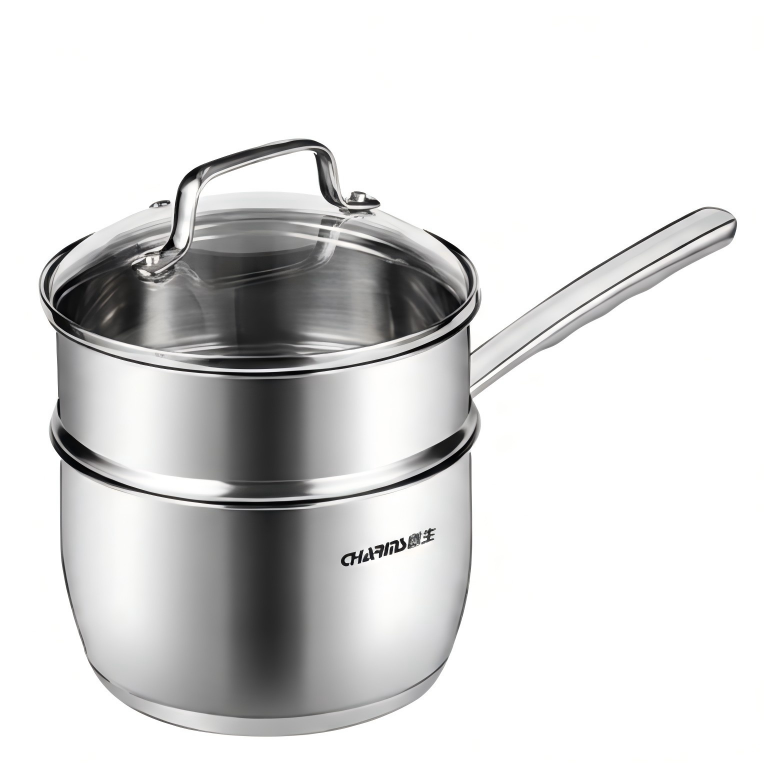

When importing cookware from China, the three most common shipping terms are EXW (Ex Works), FOB (Free On Board), and CIF (Cost, Insurance & Freight). FOB is the recommended starting point for most B2B cookware buyers — it gives you control over freight costs and your own cargo insurance, while the supplier handles Chinese export clearance. EXW sounds cheap but puts the buyer at a disadvantage in China-side logistics. CIF is convenient for small orders but often hides freight markups and gives you less control over insurance coverage for fragile goods like ceramic or cast iron cookware.
EXW, FOB, and CIF at a Glance: The Core Comparison
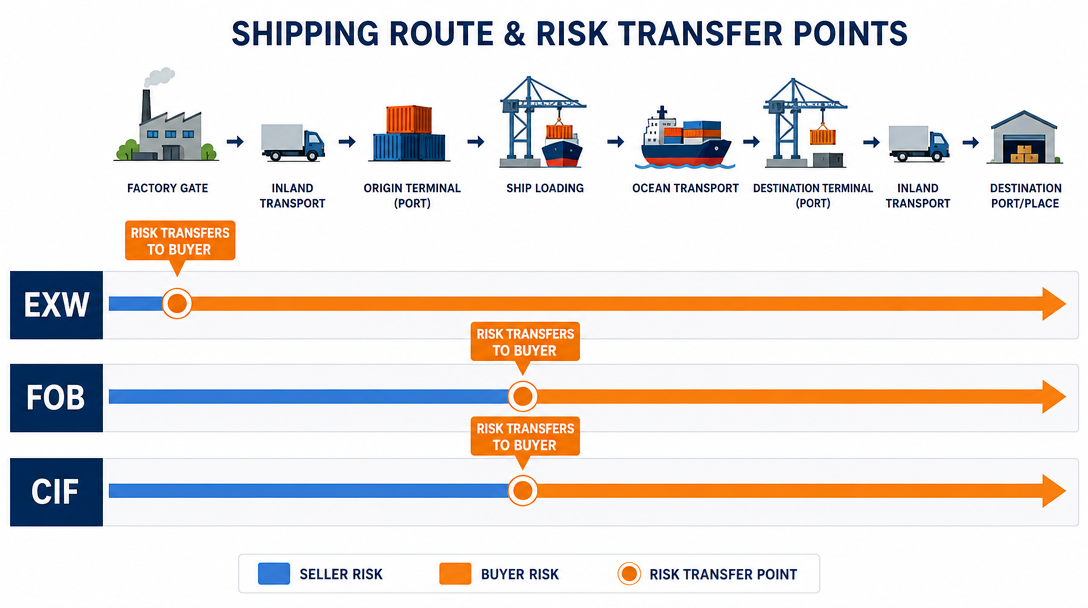
For cookware importers sourcing from China, your choice of Incoterm determines three things: who pays for each leg of the shipment, where risk transfers from seller to buyer, and ultimately what your true landed cost is.
Here’s the fast version:
| Term | Risk Transfer Point | Seller Pays | Buyer Pays | Best For |
|---|---|---|---|---|
| EXW | At factory gate | Nothing beyond making goods available | Everything: trucking, export clearance, port, ocean freight, insurance, import clearance | Experienced importers with China-based agents |
| FOB | When goods are loaded on vessel at origin port | Export clearance + delivery to vessel | Ocean freight, insurance, import clearance | Most B2B cookware buyers |
| CIF | When goods are loaded on vessel at origin port | Export clearance + ocean freight + insurance | Import clearance, local delivery | Beginners, small orders, or low-value shipments |
The risk transfer point for both FOB and CIF is the same — once goods are on the ship. The difference between FOB and CIF is who books the freight and buys the insurance, not when liability shifts.
EXW (Ex Works): Full Control, Full Responsibility
EXW is the most minimal Incoterm for the seller. Under EXW, the supplier’s only obligation is to have your cookware ready for collection at their factory. From that moment, everything — inland trucking from the factory to the port, Chinese export customs clearance, loading, ocean freight, cargo insurance, and import customs at your end — is your responsibility.
The trap most first-time importers miss: Chinese export customs clearance. As a foreign buyer, you cannot apply for a Chinese export license yourself. Under EXW, you need to appoint a licensed Chinese freight forwarder or agent to handle this on your behalf. If your supplier doesn’t cooperate or there are documentation issues, your shipment can stall — and you’re paying demurrage and storage fees while it sits.
When EXW makes sense for cookware:
- You have an established relationship with a China-based freight forwarder or buying agent
- You’re consolidating orders from multiple factories into one container
- You need granular cost visibility at every stage
For most small to mid-size cookware brands placing orders under $100,000 FOB value, EXW adds operational complexity without proportional savings.
FOB (Free On Board): The Standard for B2B Cookware Sourcing
FOB China is the industry standard for good reason. Under FOB, the supplier handles export clearance and delivers the goods on board the vessel at the named origin port (usually Shenzhen, Guangzhou, Ningbo, or Shanghai). From that point, you take over — booking your own ocean freight and cargo insurance.
Why FOB is the recommended default for cookware:
- You choose your freight forwarder. You’re not locked into whoever your supplier uses. This lets you shop rates, choose transit times, and use a forwarder you trust.
- You control your cargo insurance. Cookware — especially ceramic, glass-lid pots, cast iron — is heavy and fragile. Under FOB, you can buy proper all-risk marine cargo insurance tailored to your goods. Under CIF, the supplier buys the minimum (typically ICC-C, the lowest coverage tier).
- Cleaner cost comparison across suppliers. When every quote is FOB [port name], you’re comparing apples to apples. Two suppliers, same origin port, same goods — the FOB price is directly comparable.
- No hidden freight markup. FOB eliminates the common CIF scenario where the supplier marks up freight costs by 10–30% and presents it as “included” in the price.
What FOB does not include: Once goods are on the ship, any damage, delay, or loss is your problem. This is why cargo insurance is non-negotiable on FOB cookware shipments.
CIF (Cost, Insurance & Freight): Convenient but Not Always Cheaper
Under CIF, the supplier arranges and pays for ocean freight to your destination port, plus minimum cargo insurance. Your job starts when the ship arrives: you handle import customs, duties, and final delivery.
The CIF convenience trap:
A cookware supplier quoting CIF $8.50/unit looks cheaper than FOB $7.20/unit. But the math only works if the supplier’s freight rate is competitive. In practice:
- Suppliers often use their preferred forwarder at non-negotiated rates
- Insurance under CIF is minimum coverage (ICC-C) — inadequate for fragile cookware
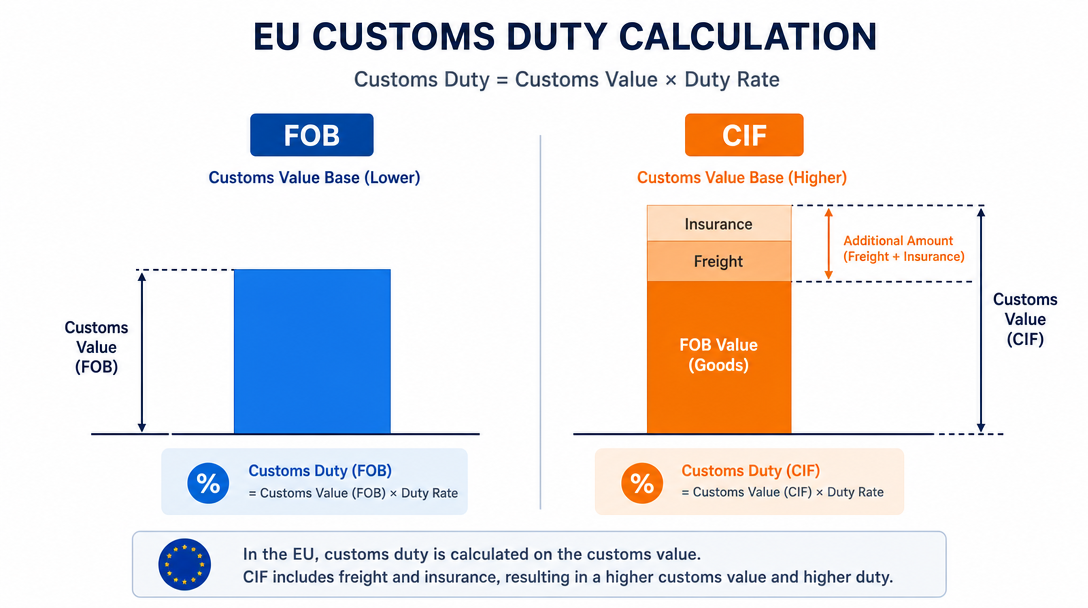
- The freight cost is baked into your customs value in the EU and UK, increasing the duty base
The customs value difference matters:
If you’re importing cookware into the EU or UK, customs duty is assessed on the CIF value — meaning the product price plus ocean freight plus insurance. The US and Australia use FOB value as the customs base.
Example: $10,000 worth of cookware shipped with $1,500 in ocean freight.
- EU buyer, CIF terms: Customs value = $11,500 → duty applies to $11,500
- EU buyer, FOB terms: Same shipment, but customs value correctly reflects $10,000 FOB → lower duty base
When CIF is the right call:
- Small LCL orders where you don’t have freight forwarder relationships
- Suppliers who offer genuinely competitive CIF rates (verify against market rates)
- Markets where the duty base is FOB regardless (US, Australia, Canada)
A Real Scenario: Ordering Cookware Sets from a CharmsCook-Style Manufacturer
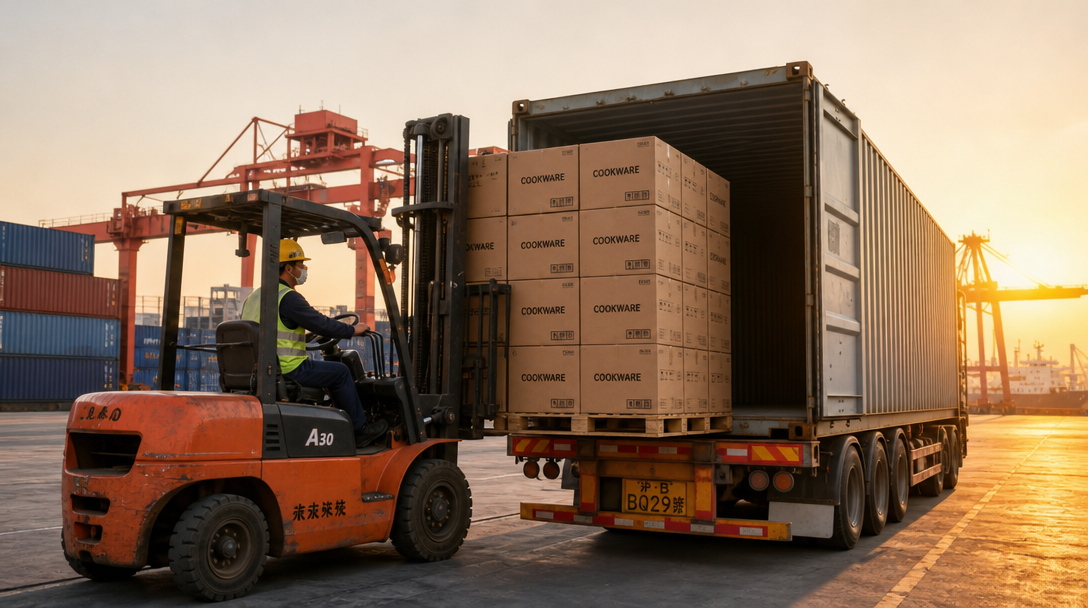
At CharmsCook, we work with B2B buyers across different maturity levels, and the Incoterm conversation comes up on every first order.
Here’s how it typically plays out for a 500-unit cookware set order:
Buyer A — First-time importer, small brand in Germany: Chooses CIF to keep logistics simple. Supplier arranges freight and insurance. Total landed cost calculation surprises them: EU customs uses CIF value, so duty is applied to product cost + freight. Insurance coverage is basic ICC-C. Two pots arrive damaged; the claim process runs through the supplier’s insurer, takes 3 months.
Buyer B — Established US kitchenware distributor: Negotiates FOB Shenzhen. Books their own freight forwarder, gets all-risk marine insurance. Freight rate is 15% lower than what Buyer A’s supplier charged. US customs duty applies to FOB value, which is lower than CIF. Claim for one damaged unit is resolved directly through their insurer in 2 weeks.
Neither scenario is “wrong” — but Buyer B’s total landed cost is lower, their claims process is faster, and they have better supply chain visibility.
How to Negotiate Incoterms with Your Chinese Cookware Supplier
Most Chinese cookware factories default to offering CIF or EXW because it’s operationally simpler for them or generates additional margin. Here’s how to shift that conversation:
Ask for FOB specifically. Request a price quote “FOB Shenzhen” (or the relevant port). Reputable manufacturers — including export-experienced B2B cookware suppliers — will quote FOB without issue.
Verify the origin port. Confirm the factory is loading at the port named in the FOB quote. If the factory is in Guangdong and they quote “FOB Shanghai,” inland trucking costs inflate the FOB price.
Get both CIF and FOB quotes. Then compare: take the CIF quote, subtract the freight cost (ask for it itemized), and add your own freight forwarder’s rate. If the numbers are similar, FOB gives you more control.
Don’t accept “EXW only” from a factory you don’t know. It signals they’re not set up for export logistics, which can mean delayed export clearance and container holds.
Which Incoterm Should You Use? Decision Matrix
| Your Situation | Recommended Term | Why |
|---|---|---|
| First-time import, small order, no China agent | FOB | Supplier handles export; you still control freight |
| Experienced importer, own forwarder, large orders | FOB or EXW | Cost visibility, consolidation flexibility |
| Very small LCL sample order | CIF | Simplicity acceptable at low volume |
| EU/UK buyer, large order | FOB | Avoid CIF customs value inflation |
| US buyer with own 3PL | FOB | Standard US practice |
| Buying from multiple factories for one container | EXW with trusted agent | Consolidation requires factory-gate pickup |
The 80% rule: FOB works for the majority of B2B cookware importers. It balances risk management, cost transparency, and freight control without requiring a China-based logistics team.
FAQ
What does FOB China mean when buying cookware? FOB (Free On Board) China means the supplier is responsible for getting your cookware to the named Chinese port and loaded onto the vessel, including export clearance. From that point, ocean freight, insurance, and import customs are your responsibility. It’s the most common Incoterm for B2B cookware sourcing because it balances supplier and buyer obligations clearly.
Is CIF or FOB better for importing cookware into the EU? FOB is generally better for EU imports. The EU calculates import duty on the CIF customs value — meaning the product cost plus freight and insurance. Under FOB, you can keep freight and insurance costs separate, and in some cases reduce the declared customs value. You also have direct control over insurance coverage, which matters for fragile cookware.
Why is EXW risky for new importers sourcing from China? Under EXW, you must arrange Chinese export customs clearance yourself, which as a foreign entity requires appointing a licensed local agent. If that agent and the supplier aren’t aligned, shipments can be delayed. You also absorb all inland China transport risk. For new importers without established China-side logistics contacts, EXW adds complexity that outweighs any potential cost saving.
Does the Incoterm affect my import duty? It can, depending on your destination market. The EU and UK assess duty on CIF value (goods + freight + insurance). The US and Australia use FOB value. If you’re importing into the EU under CIF terms and the freight cost is $2,000, that $2,000 is included in your duty base. On a 6% duty rate, that’s $120 extra duty per shipment — or more on higher freight volumes.
Can I negotiate Incoterms with a Chinese cookware factory? Yes. Most established export manufacturers will accommodate FOB requests. Ask specifically for “FOB [port name]” pricing. If a supplier only offers EXW, it often indicates they have limited export experience or are not set up for proper customs documentation — a yellow flag for B2B buyers placing regular orders.
Summary
For most B2B cookware buyers, FOB China is the right starting point: the supplier handles the China-side complexity, and you get full control over freight costs, cargo insurance, and logistics visibility. CIF is acceptable for small or exploratory orders but hides markup potential and limits your insurance coverage for fragile goods. EXW belongs in the toolkit of experienced importers with established China-based logistics support.
If you’re sourcing cookware and want to discuss shipping terms, order structure, or B2B pricing, visit CharmsCook — we work with buyers at every stage of the import process and offer flexible Incoterm options including FOB Guangzhou.