
Introduction
When launching or scaling a kitchenware brand, choosing the right manufacturing model is critical.
Two common options are OEM (Original Equipment Manufacturer) and ODM (Original Design Manufacturer).
But what do these terms actually mean—and which is right for you?
Let’s break down the key differences and help you find the best path for your business.
What Is OEM in Kitchenware Manufacturing?
OEM means you provide the design, and the factory produces it for you.
You have full control over the product’s size, material, shape, and branding. This is ideal if:
You already have a product concept or prototype
You want exclusive rights to your design
You’re building a long-term, recognizable brand
Typical OEM examples in kitchenware:
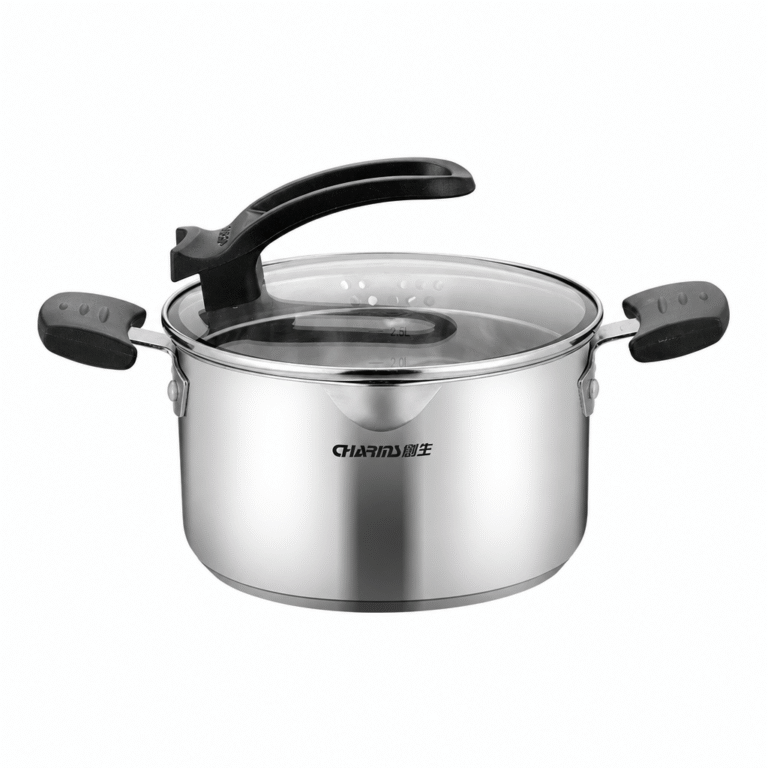
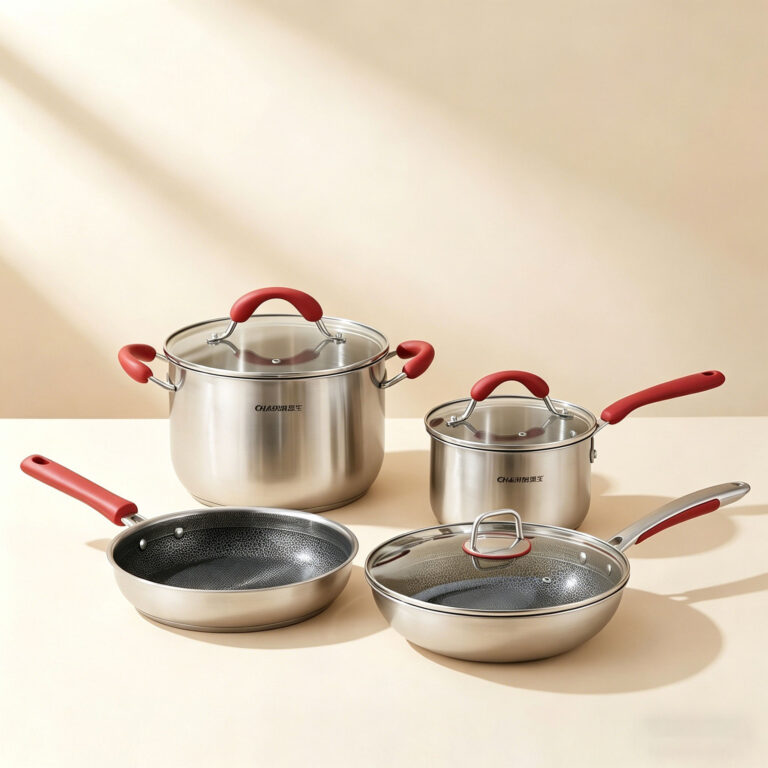
A custom set of mixing bowls with embossed logo and private packaging
Unique ladle handle designs or custom coating finishes
What Is ODM in Kitchenware?
ODM means the factory already has a ready-made product design, and you can add your logo, packaging, or small modifications.
It’s a faster and more affordable route for startups or trial orders.
Typical ODM examples:
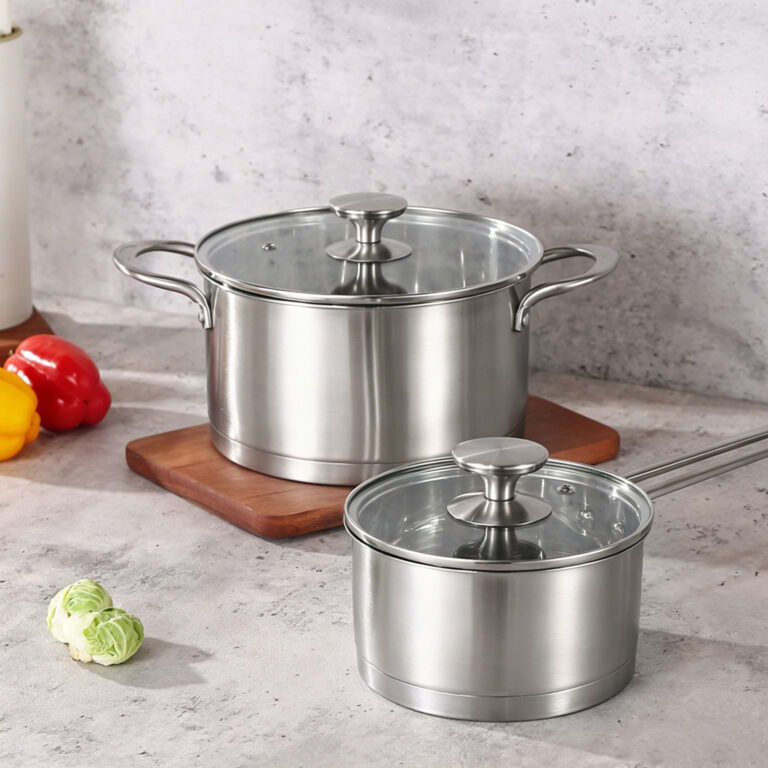
Stock stainless steel bowls with your brand logo
Existing ladle or strainer models with new surface finish
Which Option Is Best for Your Brand?
Choose OEM if you want full design control, custom branding, and a product that stands out.
Ideal for long-term positioning and premium branding.
Choose ODM if you need quick entry to market, test demand, or have limited development budget.
It’s a smart choice for Amazon sellers, wholesalers, or first-time brand builders.
Why Choose CharmsCook as Your OEM/ODM Partner?
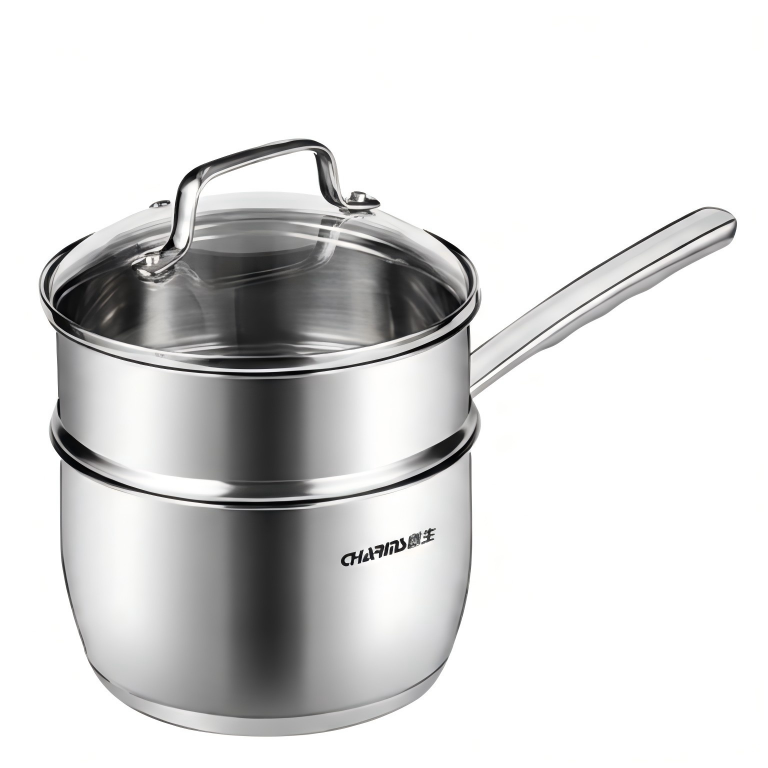
With over 34 years of manufacturing expertise, CharmsCook is one of the leading stainless steel kitchenware factories in China.
🏭 Production Strength:
Founded in 1989 in Chaozhou, Guangdong
2 production bases: 40,000㎡ in Guangdong & 100,000㎡ in Wuhan
11 upgraded automated lines with 7th-gen robotic arms
Annual output exceeds ¥400 million (≈USD 55M)
⚙️ Technical Advantage:
50+ patents, ISO-certified, Guangdong High-Tech Enterprise
Advanced labs and Korean high-frequency brazing technology
Doctoral research station & government quality award recipient
🌎 Export Track Record:
Exporting to Europe, USA, Middle East since 2000
Reliable OEM/ODM supplier to multiple public-listed appliance brands
Regular participant in Canton Fair & international exhibitions
👉 Whether you’re looking for fully custom products or fast ODM solutions, CharmsCook offers flexible MOQs, expert design support, and consistent quality.
📩 Contact us to start your OEM/ODM project today
Conclusion
Understanding OEM and ODM models helps you make informed sourcing decisions.
If you value brand uniqueness and long-term growth, OEM may be your path.
If you need speed and simplicity, ODM works great.
Either way, having a trustworthy, experienced factory partner like CharmsCook will ensure your project runs smoothly—from sample to shipment.