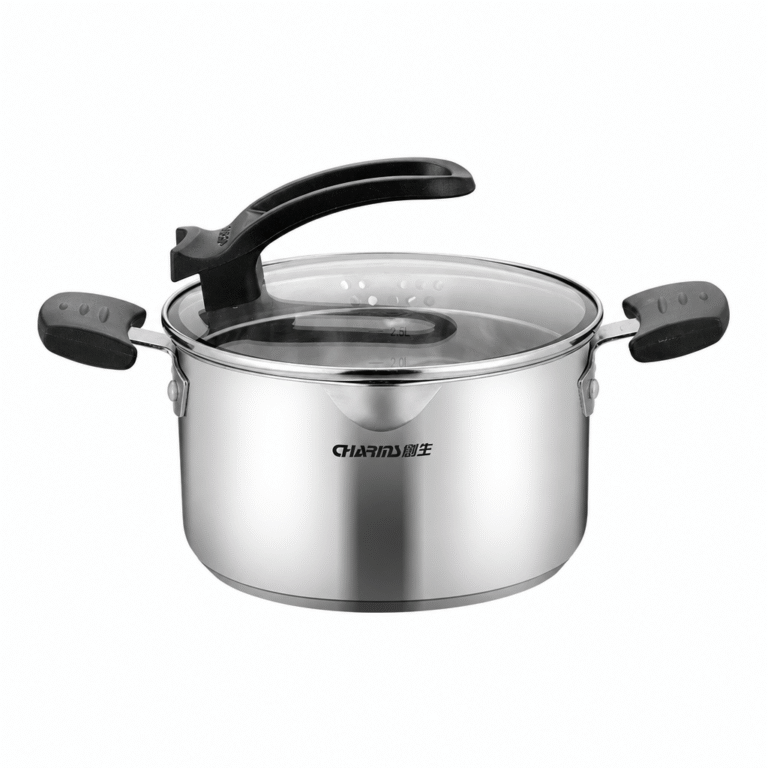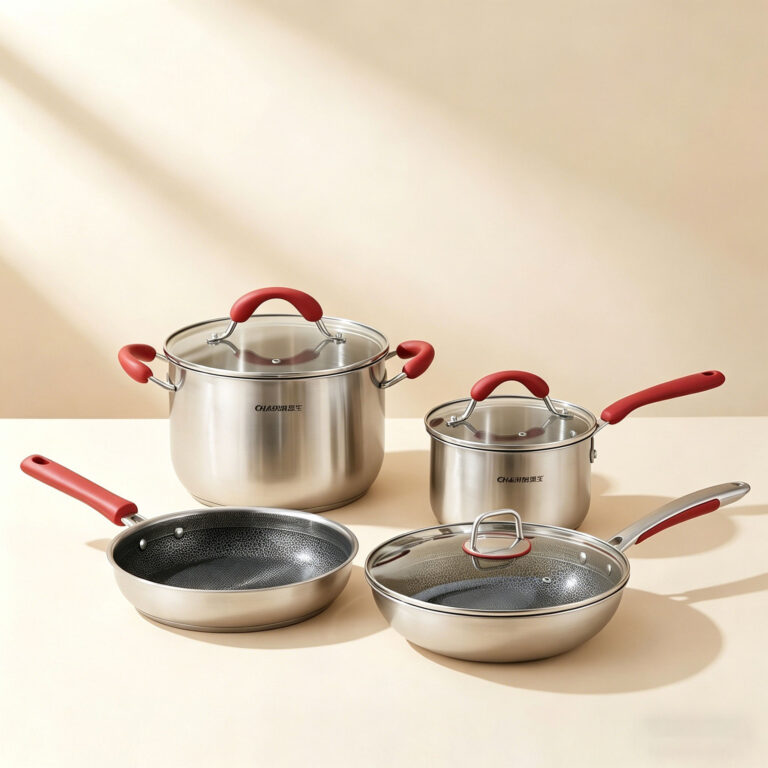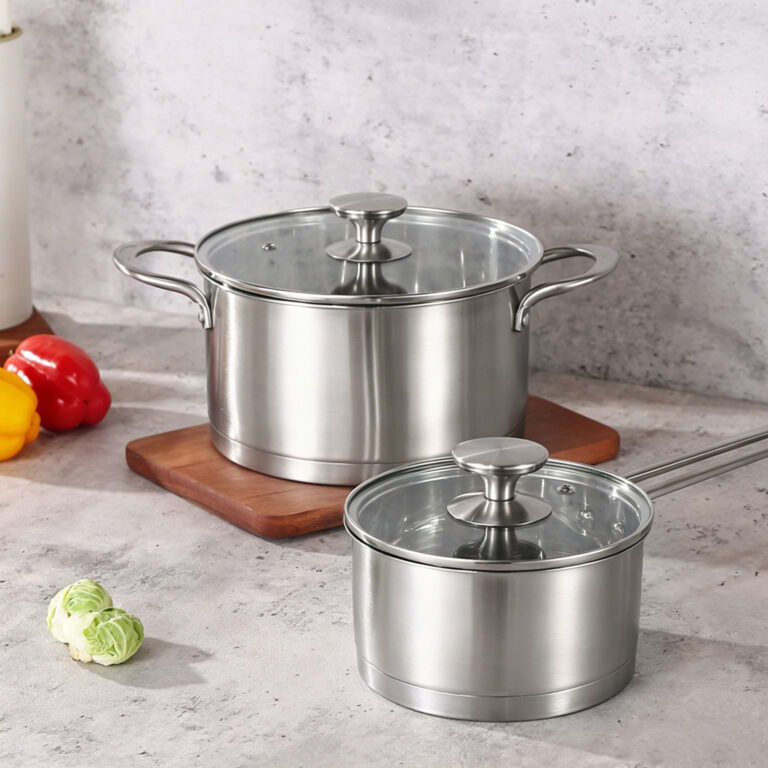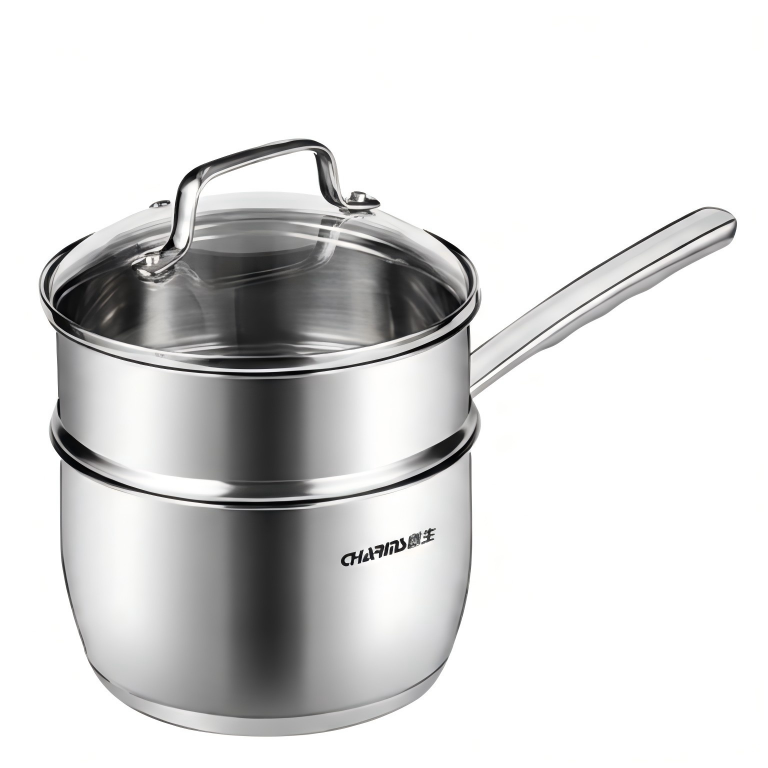



Stainless steel cookware is safe for cooking acidic foods like tomatoes under normal home cooking conditions. A small amount of nickel and chromium does leach into food — especially from new pans or during prolonged cooking — but the quantities measured in peer-reviewed studies fall well within established safe daily intake limits for most people. The grade of steel matters: 316 (18/10) outperforms 304 (18/8) in acid resistance. New pans leach the most metal and stabilize after about six uses. People with a confirmed nickel allergy should consult a physician but are not automatically at risk. This guide breaks down the actual science, explains what the numbers mean, and gives practical steps to reduce exposure if you cook acidic dishes regularly.
The Short Answer
Yes, you can cook tomatoes, citrus-based dishes, and vinegar sauces in stainless steel — and hundreds of millions of people do exactly that every day. But the “safe” answer comes with important nuance that most guides skip.
Stainless steel is not inert. When acidic food contacts the pan surface, trace amounts of nickel and chromium dissolve into the food. The question is never whether this happens — it does — but how much leaches, and whether that amount actually poses a risk to you.
The short version: for typical home cooking — a 30-minute pasta sauce, a quick pan sear with a lemon deglaze — the leached amounts are far below thresholds that matter for most people. The situation changes with brand-new pans, very long cooking times, and scratched or corroded cookware. This guide unpacks each of those variables.
Why Stainless Steel Reacts With Acidic Foods
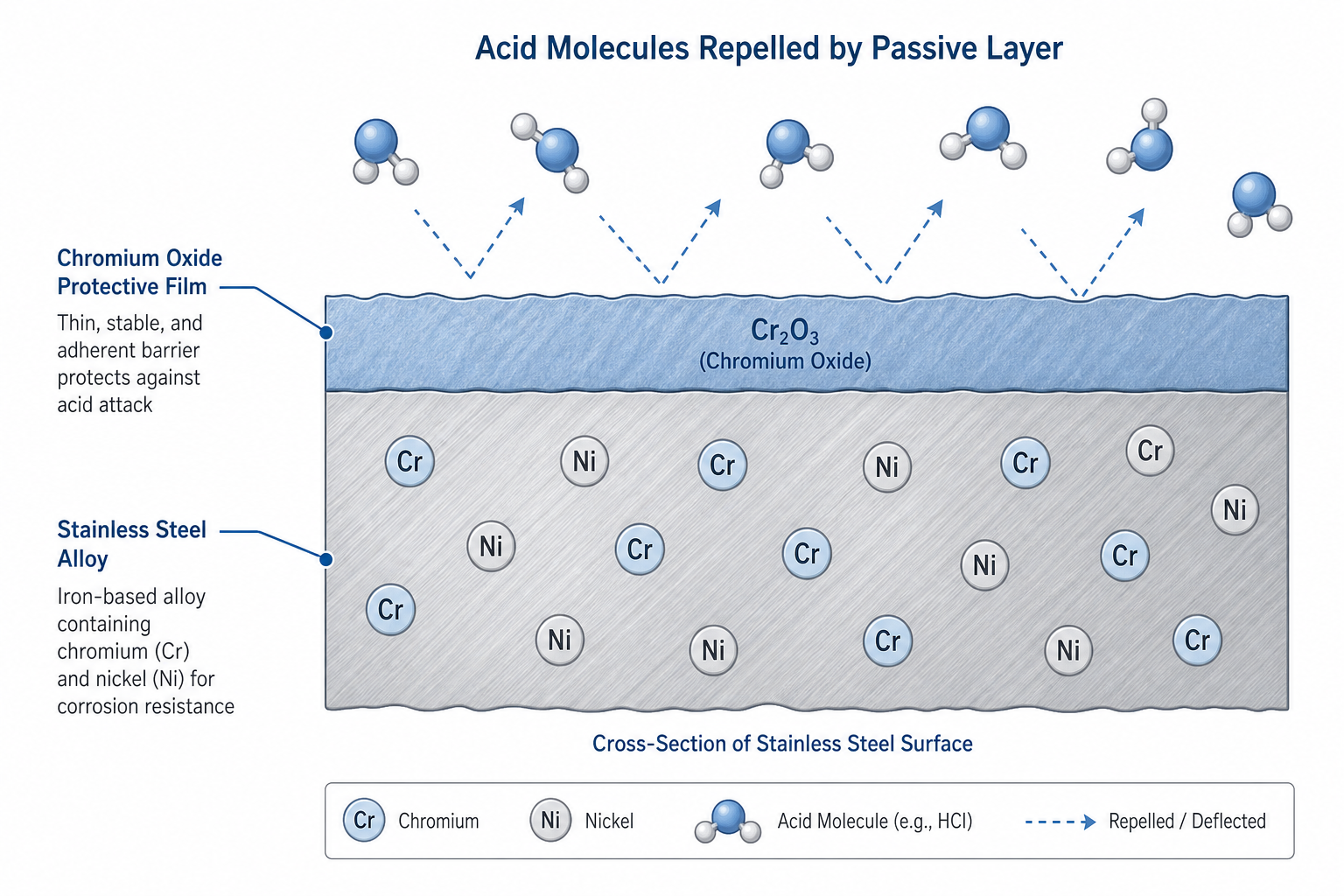
Stainless steel gets its corrosion resistance from a thin, invisible layer of chromium oxide that forms on the surface when chromium in the alloy contacts oxygen. This passive layer is what keeps your pan from rusting and prevents metal from entering your food.
The problem: acidic foods — tomatoes, citrus juice, vinegar, wine — are mildly corrosive. Prolonged contact with these acids gradually erodes the passive layer, which is when metal migration accelerates. The process is:
- Acid attacks the chromium oxide surface layer
- Chromium and nickel from the underlying alloy dissolve into the food
- Given enough time (or with enough acid concentration), this becomes measurable
Two factors amplify this: cooking time (longer = more leaching) and surface condition (new, un-seasoned pans and scratched or pitted pans leach significantly more). A well-used, intact pan is notably safer than a brand-new one or one with visible surface damage.
The grade of your stainless steel is also a major variable — and it’s one most buyers don’t know to check.
What the Science Actually Shows
The most-cited study on this topic is a 2013 paper by Kamerud et al. published in the Journal of Agricultural and Food Chemistry, conducted at Oregon State University. It tested multiple stainless steel grades cooking tomato sauce for varying durations and cooking cycles.
Key findings:
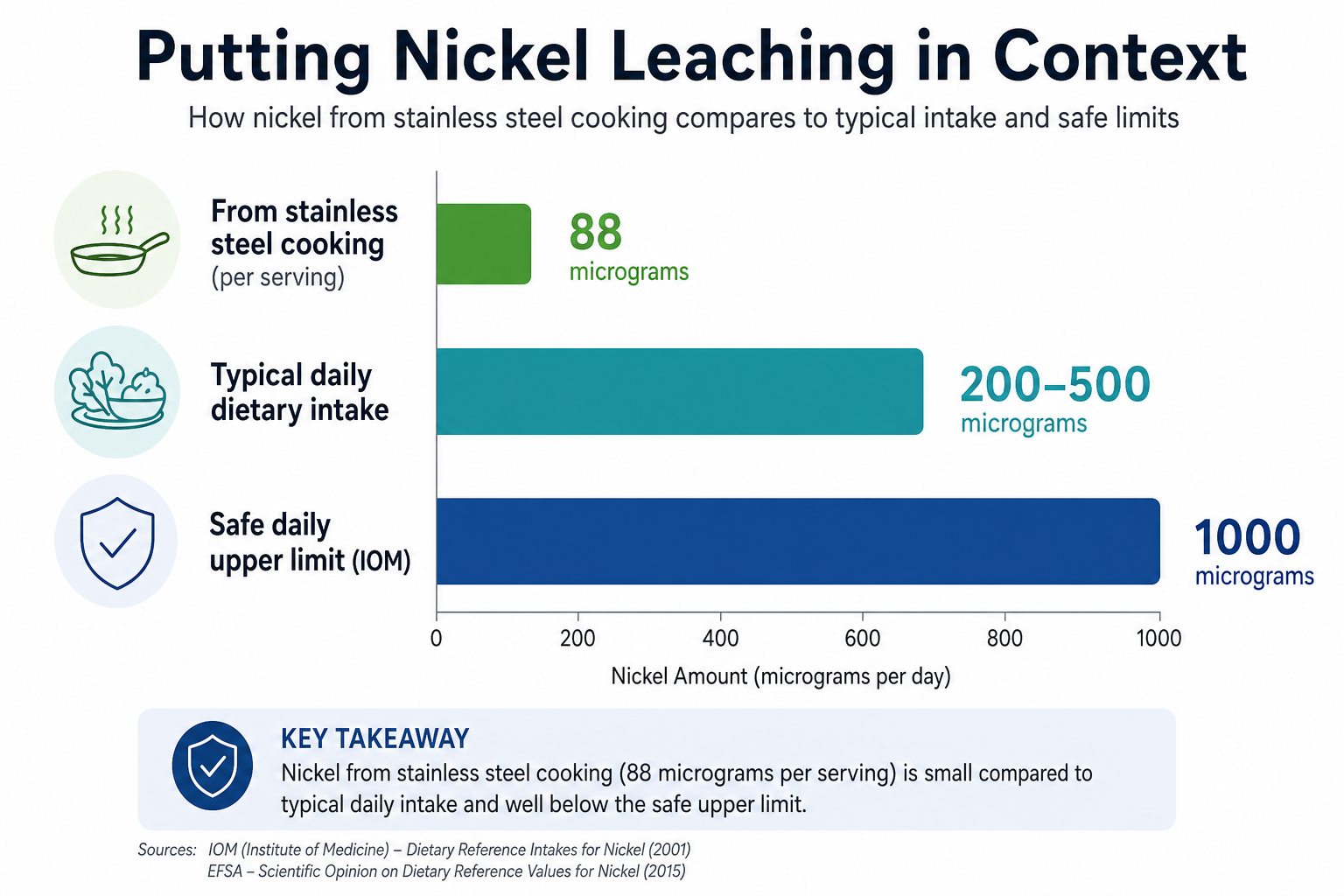
- The 10th cooking cycle resulted in 88 μg of nickel and 86 μg of chromium per 126g serving of tomato sauce
- Cooking with new stainless steel produced the largest increases
- Metal leaching decreased with each successive cooking cycle and stabilized after the 6th cycle
- Longer cooking times produced substantially more leaching: Ni concentrations increased approximately 34-fold compared to sauce cooked without stainless steel
Those numbers need context. The Tolerable Upper Intake Level (UL) for nickel, per the US Institute of Medicine’s Dietary Reference Intakes, is 1,000 μg per day. The IOM estimates that the general population already ingests under 500 μg of nickel per day from food sources — present naturally in legumes, grains, and chocolate. The 88 μg figure from the Kamerud study is therefore a meaningful but not alarming addition to typical dietary intake, and sits well below the established upper limit.
A 2016 study (PubMed 27804135) specifically tested grade 316 (18/10) pots under common cooking conditions and reached a clear conclusion: the use of 18/10 stainless steel pots is safe for the majority of nickel-allergic and chromium-allergic subjects, with amounts released remaining below known allergy-triggering thresholds.
Neither study says “zero risk.” What they say is: under normal cooking conditions, using quality stainless steel, the risk is low — and manageable with simple practices.
Grade Matters: 304 vs. 316 Stainless Steel for Acidic Cooking
Not all stainless steel is equal. The grade of your cookware determines how much metal migrates into acidic food, and cookware manufacturers don’t always make this easy to find.
| Property | Grade 304 (18/8) | Grade 316 (18/10) | Grade 430 (ferritic) |
|---|---|---|---|
| Chromium content | 18–20% | 16–18% | 16–18% |
| Nickel content | 8–10.5% | 10–14% | None (0%) |
| Molybdenum | None | 2–3% | None |
| Acid resistance | Good | Excellent | Poor |
| Leaching risk (acidic food) | Low | Lower | Higher |
| FDA food-contact approval | Yes | Yes | Yes (limited use) |
| Common labeling | “18/8 stainless” | “18/10 stainless” | Not often labeled |
| Typical cookware price tier | Mid-range | Premium | Budget |
The key differentiator for acidic cooking is molybdenum. Grade 316 adds 2–3% molybdenum to the alloy, which significantly improves resistance to pitting corrosion and acid attack. This is why 316 is used in marine and pharmaceutical applications.
If you cook acidic dishes regularly — weekly bolognese, frequent vinegar-based marinades, frequent citrus sauces — 316 (18/10) cookware is the more defensible choice. For occasional acidic cooking, 304 is fine.
Grade 430 (ferritic stainless) lacks nickel entirely, which sounds like it would be safer, but its poor acid resistance means it corrodes more readily, potentially releasing more iron and chromium than the austenitic grades. Budget cookware often uses 430 without disclosing the grade.
When It’s Fine — and When to Be More Careful
Most of the concern around stainless steel and acidic foods comes from conflating different cooking scenarios. The risk profile changes significantly depending on what you’re doing.
Low-concern scenarios:
- Simmering tomato sauce for 20–45 minutes in a well-used (>6 times) stainless steel pan
- Quick pan sauces with wine or citrus (under 15 minutes)
- Cooking with a high-grade (316/18/10) pan that is intact and unscratched
- Occasional acidic cooking — once or twice per week
Higher-concern scenarios:
- Cooking tomato sauce for 4–6+ hours in a new stainless steel pan (the extended duration combined with new pan = highest leaching scenario)
- Using visibly scratched, pitted, or corroded cookware with acidic foods
- Cooking acidic dishes daily in a new pan before it has gone through 6 seasoning cycles
- People with confirmed, clinically-diagnosed nickel hypersensitivity (not just self-reported sensitivity)
The distinction between new and seasoned pans is underappreciated. The Kamerud 2013 data shows metal release peaks sharply in the first few cooking cycles, then drops substantially and stabilizes. Running a new stainless steel pan through six cycles of simmering water or mild acidic liquid before using it for long-cooked tomato sauce is the single most effective step you can take.
Practical Steps to Reduce Metal Leaching
If you want to reduce your exposure from stainless steel cookware, these steps address the main leaching variables:
1. Season your new pan through 6 cooking cycles before acidic dishes
Simmer water or a mild liquid in it six times before cooking long tomato sauces. The passive layer builds and stabilizes during this process. This is backed directly by the Kamerud study data.
2. Keep acidic cooking times reasonable
The 2016 study’s safety conclusion was based on common cooking conditions — not six-hour Sunday gravy. For extended braises or slow-cooked tomato-based dishes (over 2 hours), a non-reactive option (enameled cast iron, ceramic-coated) is a practical alternative.
3. Don’t store acidic food in the pan
Cooking tomatoes for 30 minutes = brief acid exposure. Leaving the finished sauce in the pan overnight = hours of unheated acid contact against a vulnerable surface. These are meaningfully different. Transfer acidic leftovers to glass or ceramic containers.
4. Inspect and retire damaged pans
A scratched or pitted pan surface has lost much of its passive layer in those areas. If your pan has visible corrosion, dark pitting, or deep scratch marks, it should not be used for long-cooked acidic dishes.
5. Buy 316 (18/10) if acidic cooking is part of your regular routine
If you make tomato-based dishes weekly, the upgrade from 304 to 316 is worth it. Check the cookware’s technical specs or look for “18/10” stamped on the base.
6. Avoid budget “stainless” cookware with no grade disclosure
If a pan doesn’t disclose the grade, it’s often 430 ferritic stainless — which is cheaper, magnetic, and notably worse for acidic food contact.
Cooking vs. Storing: A Distinction That Matters
This is where a lot of advice conflates two different situations.
Cooking acidic food in stainless steel is largely fine with the caveats above — the exposure window is short (30–60 minutes), the food is hot but the acid contact time is limited, and you’re eating the food shortly after.
Storing acidic food in stainless steel containers is different. The acid sits in prolonged contact with the metal surface, often at room temperature or in the refrigerator, for hours or overnight. The passive layer has less protection when passive (non-heated). Food safety professionals consistently recommend against storing tomato sauce, citrus juice, or vinegar-based foods in stainless steel containers for this reason.
This distinction matters because many guides (and most SERP articles on this topic) say “don’t put acidic food in stainless steel” — mixing together advice for storage with advice for cooking. The storage rule is stricter. The cooking rule is more permissive.
A Note on Nickel Allergy
People with a confirmed nickel allergy understandably worry about stainless steel cookware, and the concern is legitimate. But “confirmed nickel allergy” is a clinical diagnosis, not a self-assessment — and the research specifically addressing this group is more reassuring than the headlines suggest.
The 2016 study (PubMed 27804135) tested grade 316 (18/10) pots and found that amounts released were below known allergy-triggering thresholds for the majority of nickel-allergic subjects. This is not a blanket “you’re fine” — it’s a statement that for most people with nickel sensitivity, stainless steel cooking at normal conditions does not reach trigger levels.
If you have been clinically diagnosed with nickel hypersensitivity, the practical steps above (seasoned 316-grade pans, short cooking times, no overnight storage) significantly reduce your exposure. If you have a severe or systemic nickel allergy, a conversation with your allergist is more appropriate than a cooking blog — including this one.
Frequently Asked Questions
Is it safe to cook tomato sauce in stainless steel every day?
For most people, yes — with well-used 304 or 316 grade cookware and cooking times under 90 minutes. If you’re using the same pan daily for long-simmered sauces, the accumulated leaching is worth managing: use 316 grade, keep the pan in good condition, and don’t store the sauce in the pan.
How do I know if my stainless steel pan is grade 304 or 316?
Check the base of the pan — reputable brands stamp the grade or mark “18/8” (304) or “18/10” (316). If there’s no marking, contact the manufacturer. No disclosure usually means 430 ferritic, which is less acid-resistant.
Will tomato sauce taste metallic if cooked in stainless steel?
In a well-used, intact pan with normal cooking times (under 1 hour), you typically won’t detect a metallic taste. If you notice a metallic or off-flavor, the pan may be new (try seasoning it first), scratched, or lower-grade steel.
Is it okay to cook lemon chicken or citrus dishes in stainless steel?
Yes. Quick pan sauces with citrus (under 20 minutes) are fine in any quality stainless steel. The risk builds with prolonged acid contact, which a quick lemon sauce doesn’t create.
Does cooking in stainless steel increase nickel intake significantly?
Cooking a serving of tomato sauce in a seasoned 18/10 pan can add roughly 88 μg of nickel per serving. The established tolerable upper intake level is 1,000 μg/day. Since most people already ingest 150–900 μg of nickel daily from food sources like legumes and grains, the cookware contribution is real but relatively small in the context of total daily intake.
Summary
Stainless steel is a sound choice for cooking acidic foods. The chemistry is not zero-risk — nickel and chromium do migrate into food, especially from new pans and with extended cooking times. But the quantities in peer-reviewed studies are far below dangerous thresholds for most people under normal cooking conditions.
The practical takeaway: use quality grade 304 or 316 cookware, season new pans before acidic use, keep cooking times reasonable, and don’t leave tomato-based food sitting in the pan overnight. If you cook acidic dishes weekly, 316 (18/10) is the more defensible choice. If you have a nickel allergy, the research is more reassuring than alarming — but it’s still worth a conversation with your doctor.
The nuance that most guides miss: leaching happens, but scale matters. Context is everything.