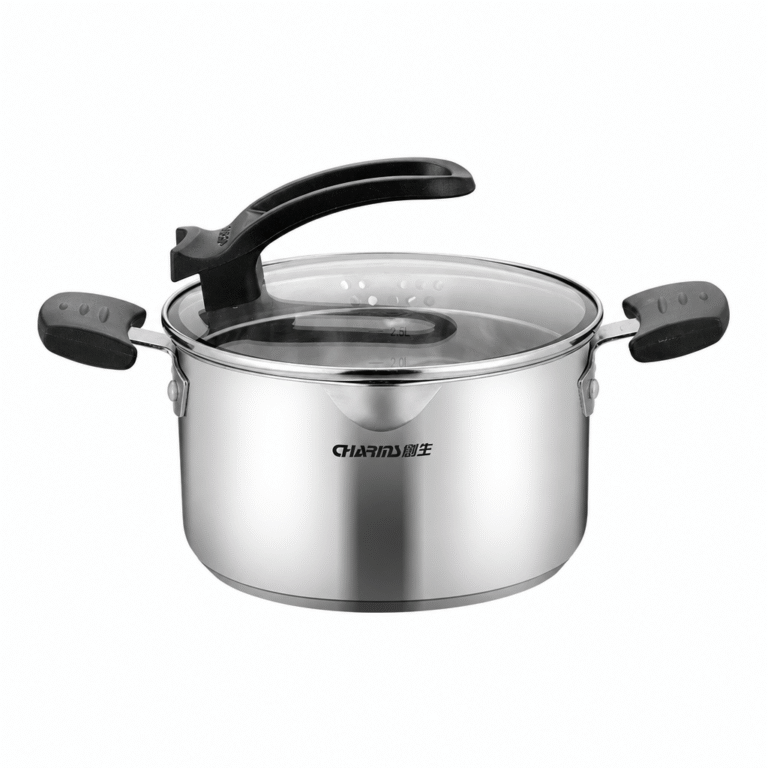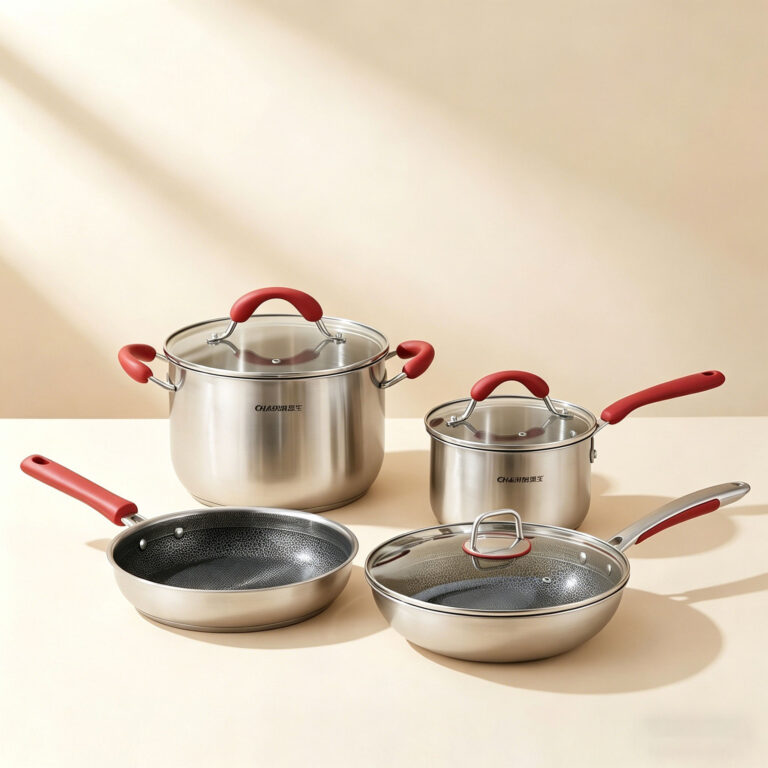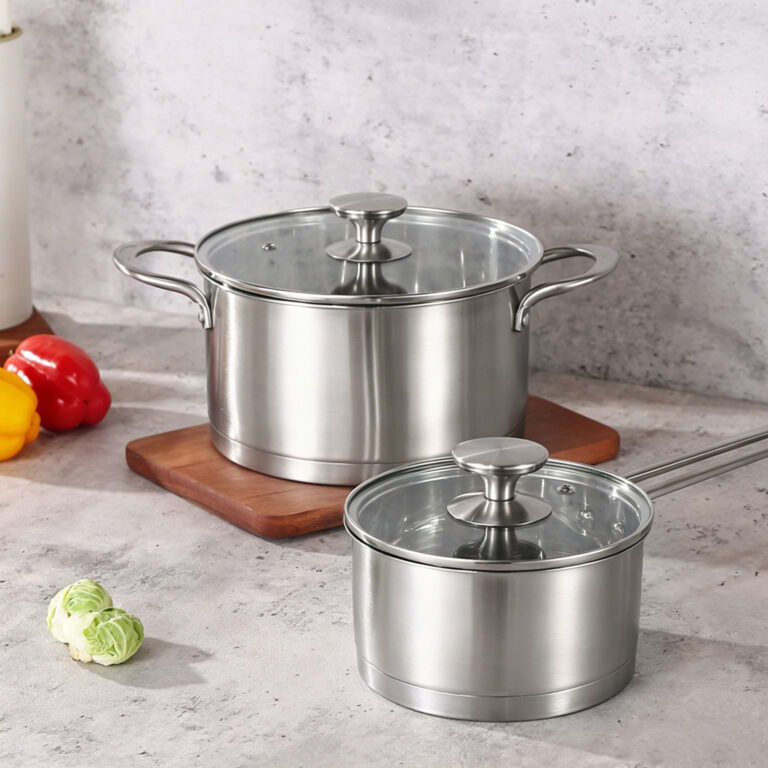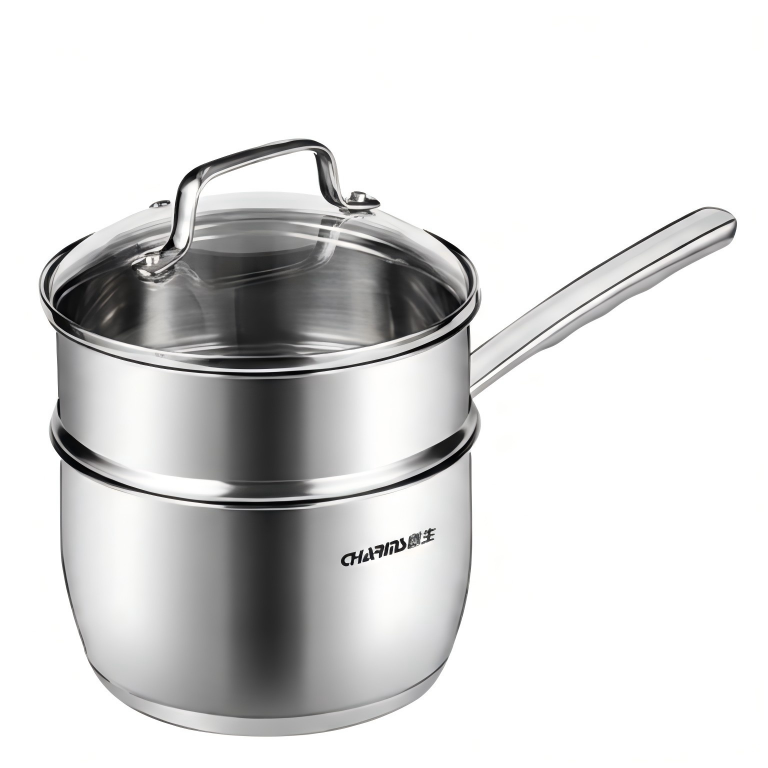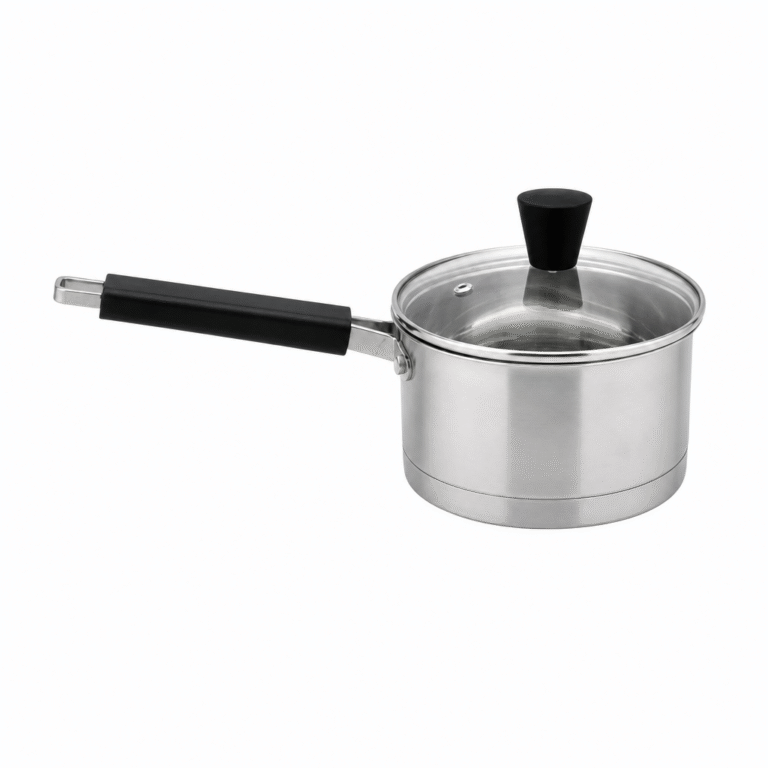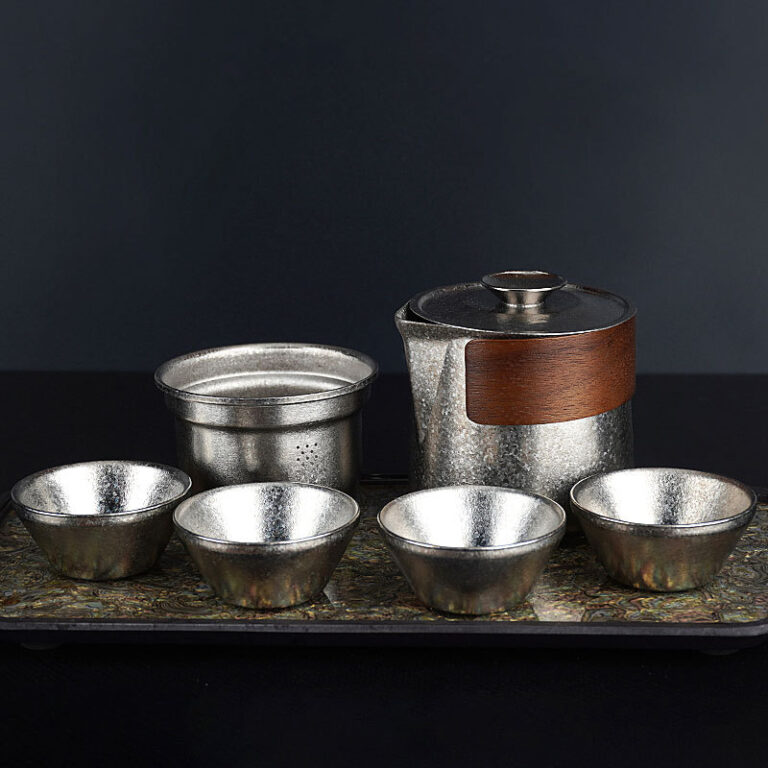


Stainless steel cookware is fully recyclable and accepted at scrap metal facilities worldwide. According to worldstainless.org (the International Stainless Steel Forum), approximately 95% of end-of-life stainless steel is collected and recycled globally — one of the highest rates for any manufactured material. Whether you’re replacing a single home skillet or clearing out a commercial kitchen, this guide walks through the real process: how to check what you have, where to take it, what scrap yards pay, and when donation makes more environmental sense. We also address the complication most sustainability guides skip: non-stick coatings on stainless pans change the recycling path.

Yes, Stainless Steel Cookware Is Recyclable — And the Numbers Back It Up
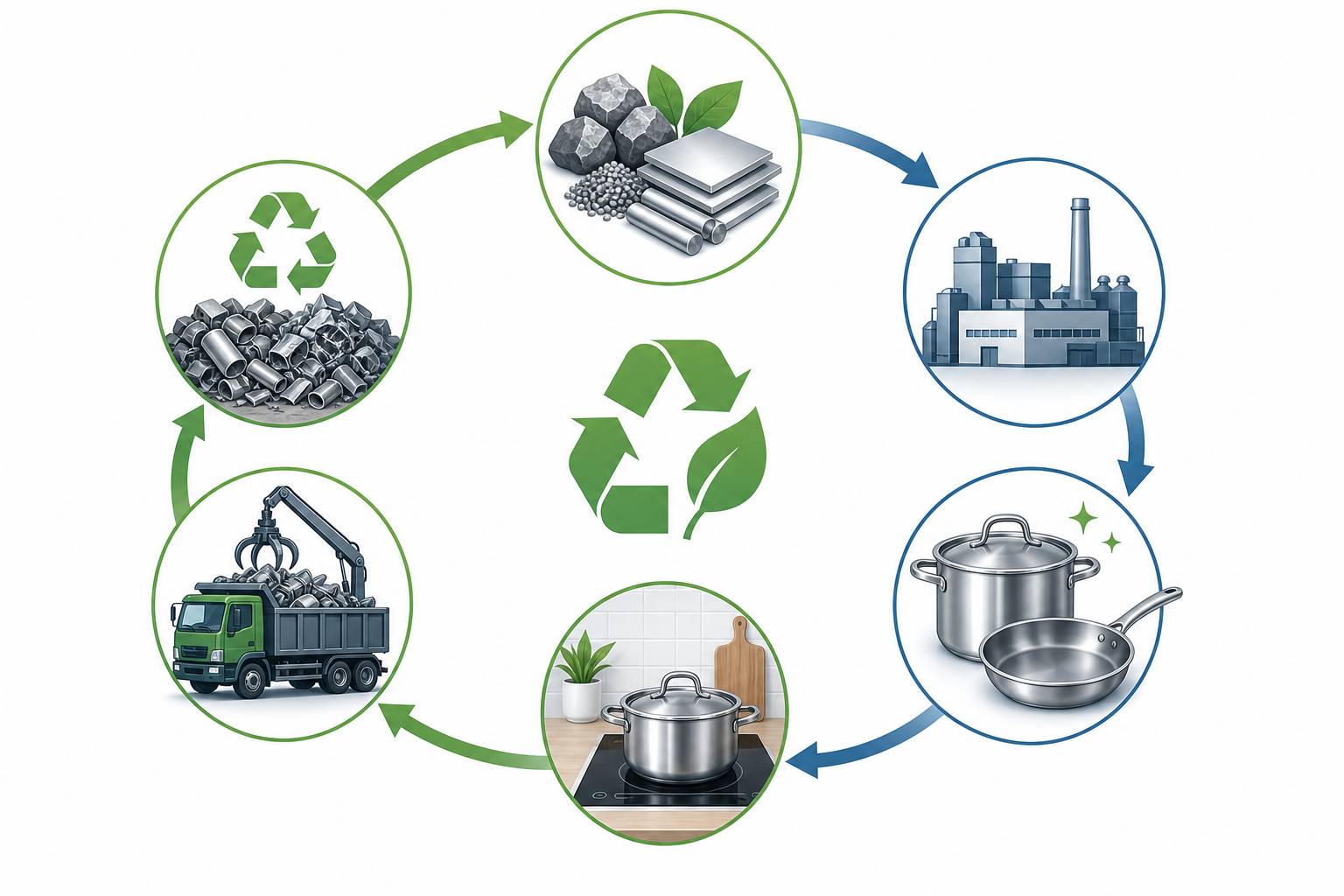
Stainless steel is among the most recyclable metals in commercial use. According to worldstainless.org (the International Stainless Steel Forum), approximately 95% of end-of-life stainless steel is collected and recycled globally — a figure that holds steady not because of regulatory pressure, but because stainless retains its alloy properties through multiple melt-and-recast cycles. Unlike plastic, which loses structural integrity with each pass through the recycling system, stainless steel recycles cleanly: the chromium and nickel in your pan come back out as usable alloy on the other side of an electric arc furnace.
The closed-loop reality: Most new stainless steel cookware already contains a significant percentage of recovered material. Current data from worldstainless.org puts average recycled content at approximately 48% per tonne of new stainless produced — a figure that has shifted from older 60% estimates as primary production in Asia has grown. When you drop off a worn-out saute pan at a scrap yard, you’re feeding it back into that supply chain, not ending its material life.
This is the core reason I point to stainless steel when sustainability is the deciding question in a cookware purchase. The end-of-life case is verifiable through material science, not just a brand’s marketing copy.
What Makes Stainless Steel Genuinely Recyclable
The recyclability comes down to alloy composition and the stability of that composition under extreme heat. The two grades most common in cookware:
18/10 stainless (Grade 304): 18% chromium, approximately 8-10.5% nickel per ASTM A240. Used in mid-range to premium cookware — All-Clad, Demeyere, Made In, and most professional kitchen lines.
18/0 stainless (Grade 430): 16-18% chromium, no intentionally added nickel (up to 0.75% residual permitted per ASTM A240). Used in budget cookware and induction-compatible base layers. Slightly magnetic.
Both grades have established commodity value at scrap facilities. Grade 304 typically commands a higher price per pound because of its nickel content — nickel is a more expensive alloying input and can be identified quickly at the yard via handheld XRF spectrometers.
The key technical point: Stainless steel does not degrade through recycling cycles. Electric arc furnaces (EAF) melt recovered scrap alongside virgin ferroalloys to produce new stainless sheet or coil. The alloying elements — chromium, nickel, molybdenum — are recovered and reused with no residual chemical concern in the process for uncoated stainless.
The Non-Stick Complication: When Your “Stainless” Pan Isn’t Just Stainless
Most recycling guides treat stainless cookware as a single category. It isn’t. Here’s the breakdown that matters for actual disposal:
Bare / polished stainless steel: Straightforward and unconditional. Take it to any scrap yard without hesitation.
PTFE (Teflon) non-stick coated stainless: The steel substrate is still recyclable in principle, but PTFE does not combust cleanly in standard furnace conditions. In practice, many scrap yards do accept lightly coated cookware because the coating mass is small relative to total metal weight — but some facilities won’t. Call ahead before showing up with a pile of coated pans.
Ceramic-coated stainless: Ceramic coatings are mineral-based (typically silicon dioxide) and create fewer furnace-processing concerns than PTFE. Most scrap dealers will accept ceramic-coated cookware, though confirming first is still worthwhile.
The practical test: If your pan’s cooking surface is uncoated — brushed, polished, or mirror-finish stainless with no colored or distinctly smooth non-stick layer — you have no complications. Check the interior surface, not just the exterior or base.
A secondary concern worth noting: older PTFE formulations containing PFAS compounds are classified by the EPA as persistent environmental contaminants. This isn’t just a recycling-path issue; it’s a reason to take non-stick cookware disposal seriously rather than routing it to landfill by default.
How to Recycle Stainless Steel Cookware — Step by Step
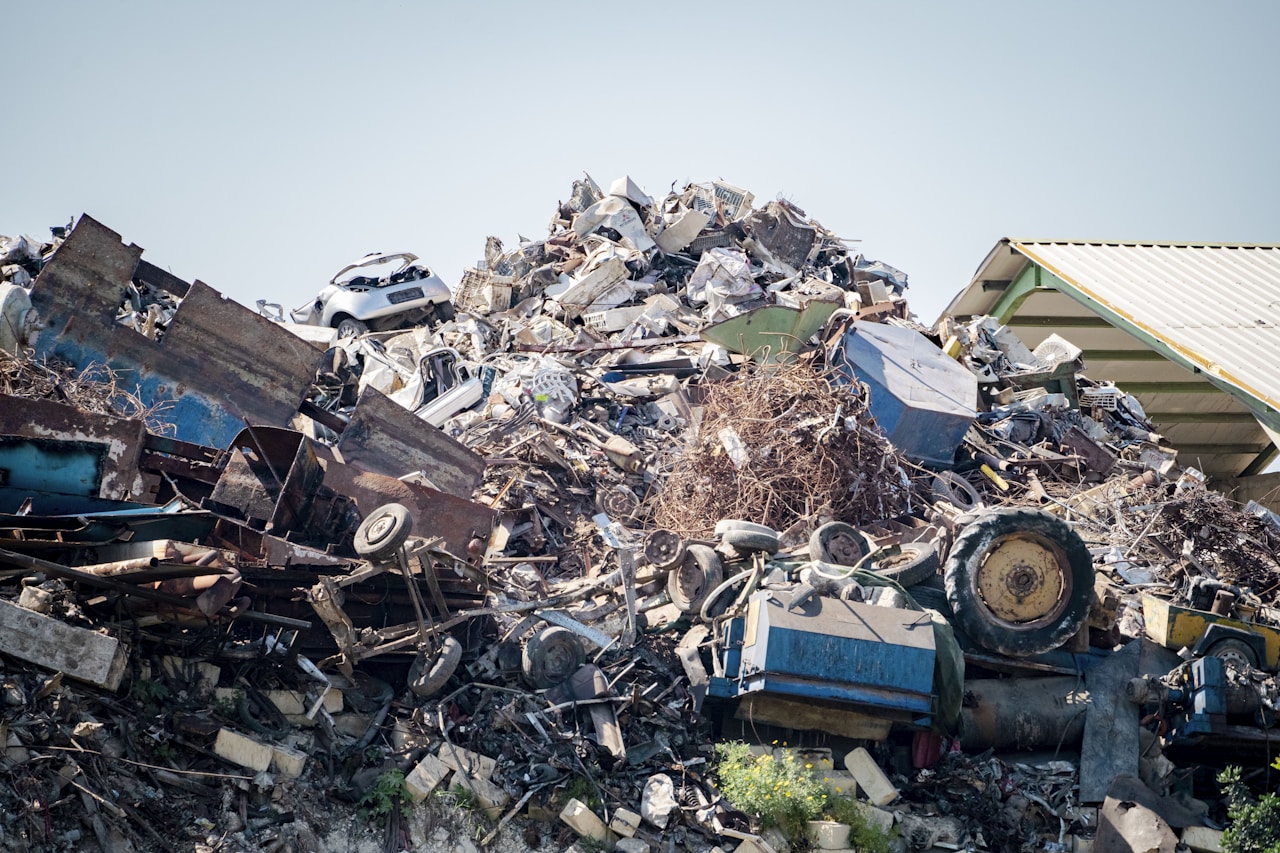
The process is simpler than most people expect. The barrier is almost always informational, not logistical.
Step 1: Identify your material
Check for coatings as described above. Bare stainless throughout — proceed without complication.
Step 2: Skip the curbside recycling bin
In virtually all US municipalities, curbside programs do not accept cookware. Automated sorting equipment at materials recovery facilities (MRFs) is not designed for large, irregularly-shaped metal items. Cookware placed in the blue bin is manually pulled during sorting and typically sent to landfill. Well-intentioned but counterproductive.
Step 3: Find a local scrap yard
This is the most efficient route. Use iScrap App (iscrapapp.com) or Earth911 (earth911.com) to locate facilities accepting stainless steel in your area. Call to confirm they take cookware (most do) and ask for the current price per pound. Residential drop-offs without minimum weight requirements are standard at most yards.
Step 4: Check mail-back programs
If local scrap is inconvenient, TerraCycle offers both a paid “Kitchen Gear Zero Waste Box” and has historically run brand-sponsored free programs (including a Calphalon partnership that ran through 2023). Verify current listings at terracycle.com. Some European cookware brands have also introduced manufacturer take-back initiatives.
Step 5: Donate anything functional first
A pan with working cooking performance — even with cosmetic discoloration or wear — has more value in active use than as recovered metal. Goodwill, local shelters, Buy Nothing community groups, and Habitat for Humanity ReStores accept cookware in functional condition. Extending a pan’s working life always delivers more environmental value than triggering a recycling event prematurely.
What Scrap Yards Actually Pay for Stainless Steel Cookware
Scrap pricing fluctuates with commodity markets. Here’s a realistic range based on current mid-2026 market conditions:
| Grade | Typical Scrap Price per Pound |
|---|---|
| Grade 304 (18/10) stainless | $0.25-$0.60 |
| Grade 430 (18/0) stainless | $0.08-$0.25 |
| Mixed / grade unknown | $0.05-$0.20 |
A standard 12-inch stainless skillet weighs roughly 2.5-3 lbs. A complete cookware set runs 15-25 lbs. The financial return is modest — a few dollars for a typical home set — but it’s a definitive diversion from landfill with a small upside.
Industrial and commercial volumes get better rates. If you’re liquidating a restaurant kitchen, get quotes from two or three facilities; high-volume yards in metro areas often offer pickup service for loads above 300-500 lbs.
One practical tip: if you know your cookware grade (usually stamped on the base), mention it at intake. It can move you into a higher price tier, since grade identification takes a few seconds with an XRF gun but not all yards bother for small residential loads.
Donate vs. Recycle: Which Choice Has More Environmental Value?
Before routing functional cookware to the scrap yard, check:
- Warped base? Minor warping that does not affect day-to-day cooking is not an end-of-life indicator.
- Discolored interior? Normal heat tinting on stainless. Bar Keepers Friend (oxalic acid cleaner) removes it in under two minutes.
- Loose handle? Universal pot handle replacement kits are available at most hardware stores for under $10.
- Structural crack or major base deformation? Recycle it.
The energy and raw materials already embedded in manufacturing a stainless pan are best preserved by keeping it in active use. Recycling is highly efficient — but it still consumes energy. Reuse wins over recycling from an environmental accounting standpoint every time the pan can still perform its function.
Recyclability Comparison: Stainless Steel vs. Other Cookware Materials
| Material | Recyclable? | Practical Route | End-of-Life Rating |
|---|---|---|---|
| Stainless steel (bare) | Yes – 100% | Scrap yard | 5/5 |
| Cast iron | Yes – 100% | Scrap yard (iron/steel stream) | 5/5 |
| Carbon steel | Yes – 100% | Scrap yard | 5/5 |
| Aluminum (bare) | Yes – high value | Scrap yard; some curbside | 4/5 |
| Copper | Yes – highest value | Scrap yard | 5/5 |
| PTFE / Teflon non-stick | Complicated | Specialty programs only | 2/5 |
| Ceramic coated | Partial | Scrap yard (call first) | 3/5 |
| Enameled cast iron | Partial | Scrap yard (coating complicates) | 3/5 |
Stainless, cast iron, carbon steel, and copper all score at the top for end-of-life recyclability. PTFE non-stick is the clear problem area — especially older formulations containing PFAS compounds, which are persistent environmental contaminants and for which no standardized disposal infrastructure exists in most markets.
For Commercial Kitchens: Bulk Disposal Is a Different Playbook
Residential scrap approaches do not scale efficiently to a full kitchen replacement. For commercial operations, the options differ:
Industrial scrap dealers (bulk volume): Approach volume-oriented facilities rather than residential yards. Dealers serving manufacturing and construction clients handle bulk stainless routinely and offer better per-pound rates — typically 10-20% above residential pricing. In metro areas, many provide pickup service for loads above 300-500 lbs.
Restaurant equipment resellers: Used equipment dealers sometimes purchase commercial-grade stainless cookware in bulk for resale or parts recovery. Professional All-Clad, Vollrath, and Winco lines can command resale prices well above scrap value if the condition warrants it. Local restaurant equipment liquidators are worth contacting before defaulting to scrap.
Manufacturer / supplier take-back: Some commercial kitchen equipment suppliers have begun incorporating end-of-life take-back provisions into supply contracts, particularly those pursuing B Corp or ISO 14001 certification. Cookware-specific programs remain rare — but worth asking when renegotiating a supplier contract.
Sustainability documentation: For ESG and Scope 3 emissions reporting (ISO 14001, GRI Standards, CDP disclosures), recycling through a certified scrap dealer provides a documentable chain-of-custody record. Donation routes, while environmentally valid, are harder to track for formal reporting purposes.
Frequently Asked Questions
Can I put stainless steel pots and pans in my curbside recycling bin?
No — in virtually all US municipalities, cookware is excluded from curbside programs. Automated sorting equipment at materials recovery facilities (MRFs) cannot handle large, irregularly-shaped metal items. Cookware put in the blue bin is manually removed during sorting and typically landfilled. Use a local scrap yard or designated metal drop-off facility instead.
Is stainless steel the most eco-friendly cookware material?
It makes a strong case alongside cast iron and carbon steel. The combination of long service life (20-30+ years for quality cookware with proper care), a ~95% end-of-life collection rate per worldstainless.org, and near-universal recyclability gives stainless a defensible sustainability profile. PTFE non-stick coatings — particularly older formulations containing PFAS — are the clear underperformer in any environmental comparison.
How long should stainless steel cookware last before I need to replace it?
A well-made tri-ply or fully-clad stainless pan should last 20+ years under normal use. The disposal trigger should be structural — a severely warped base that affects heat distribution, structural cracks, or a handle that cannot be safely secured — not cosmetic. Discoloration, surface scratching, and even minor pitting from contact with salted water are cosmetic issues that do not affect cooking performance. I’ve tracked the same All-Clad skillet for over a decade with no degradation in cooking behavior.
Does recycling stainless steel actually save energy?
Yes, substantially. Producing steel from recovered scrap via electric arc furnace (EAF) uses significantly less energy than integrated primary production from iron ore. For scrap-based EAF steelmaking versus blast furnace / basic oxygen furnace (BF-BOF) primary production, industry data typically indicates energy savings in the range of 60-75%, though exact figures vary by facility efficiency and energy source. Note that this benchmark is best established for carbon steel; stainless-specific figures also need to account for the energy footprint of recovering alloying additions. For precise numbers needed in sustainability reporting, request plant-specific data from your scrap processor.
What if my stainless pan has a non-stick coating — can it still be recycled?
Often yes, but call your local scrap yard first. Many facilities accept lightly coated cookware because the coating fraction of total weight is small. PTFE coatings are more problematic than ceramic — if your yard will not take it, check TerraCycle’s current program listings. Do not route PTFE-coated cookware to landfill without checking specialty options first, given the PFAS contamination concern.
Summary
Stainless steel cookware is one of the cleanest end-of-life stories in the kitchen materials space. A ~95% global end-of-life collection rate per worldstainless.org, no degradation through recycling cycles, and a well-established scrap infrastructure mean that when a stainless pan finally reaches the end of its service life — which for quality cookware often spans multiple decades — the disposal path is clear: verify it’s uncoated, skip the curbside bin, and take it to a local scrap yard.
The practical priority order: repair first, donate if the pan still functions, then recycle. For commercial kitchens, a documented recycling chain serves both the environmental goal and the reporting requirement.
The one legitimate complication — non-stick coatings — is manageable with a single phone call to your local facility. It’s also useful context when evaluating new cookware purchases: a bare stainless pan leaves no disposal ambiguity at end of life. That clarity has real value when you’re choosing what to buy next.