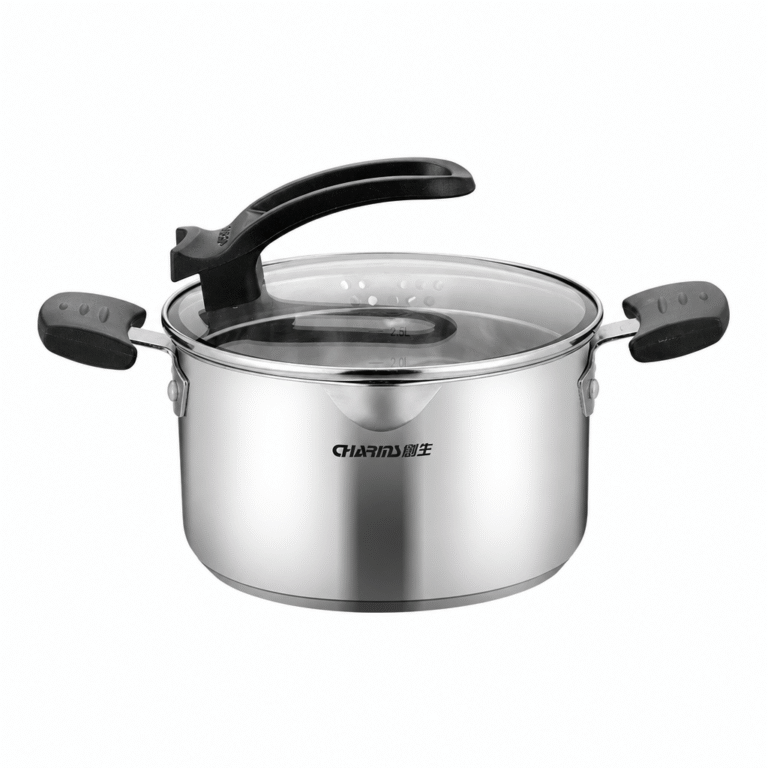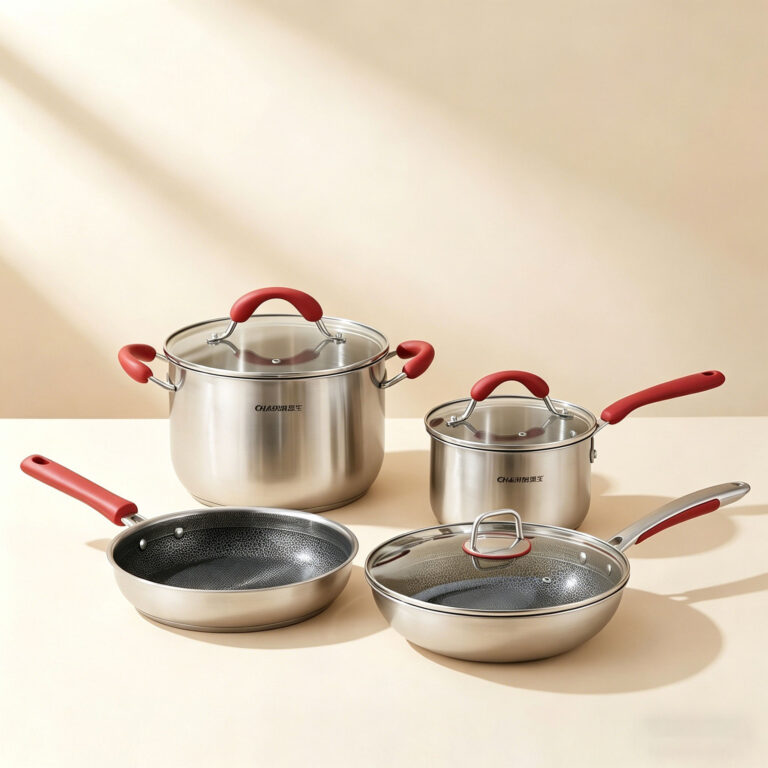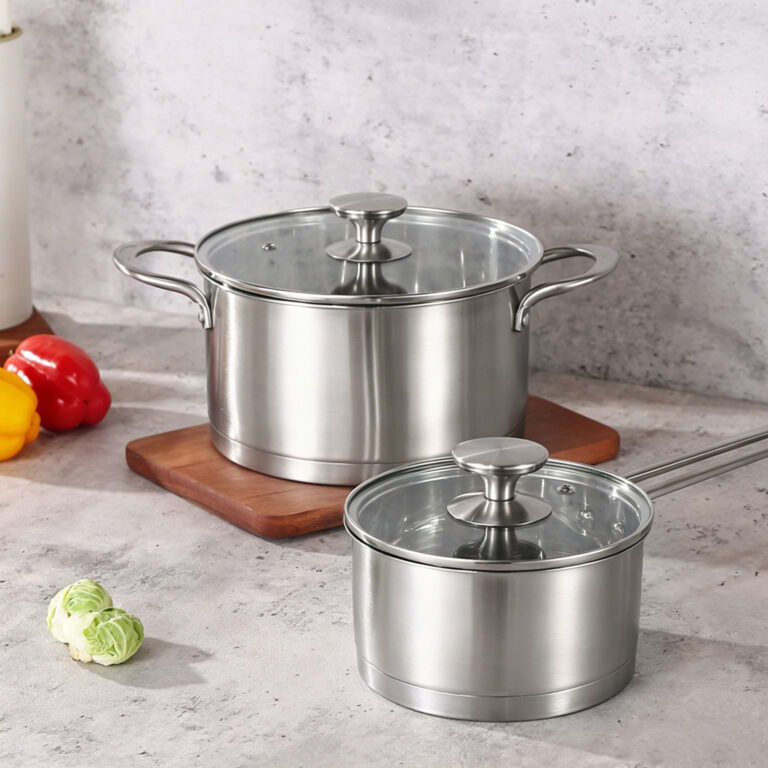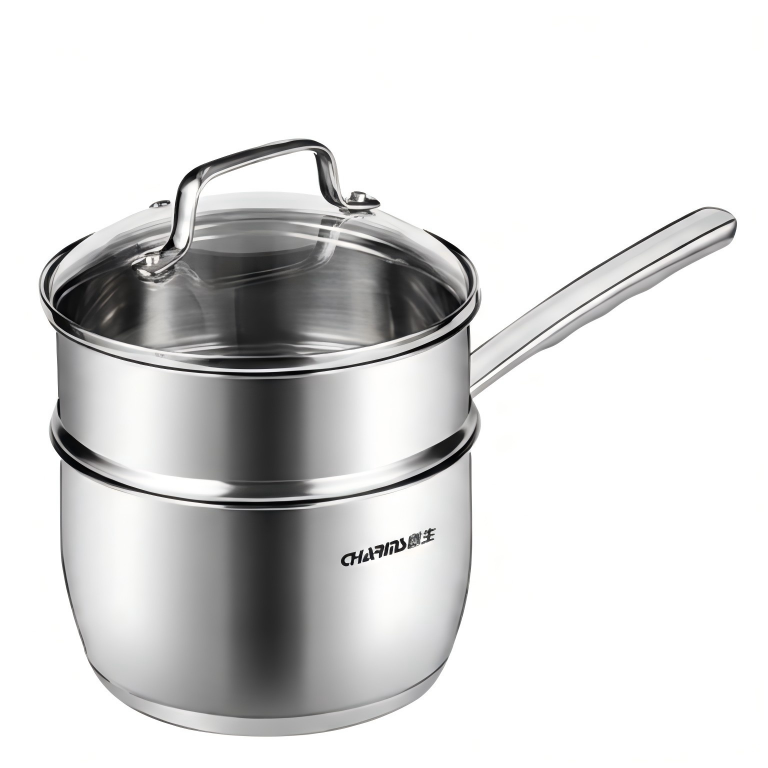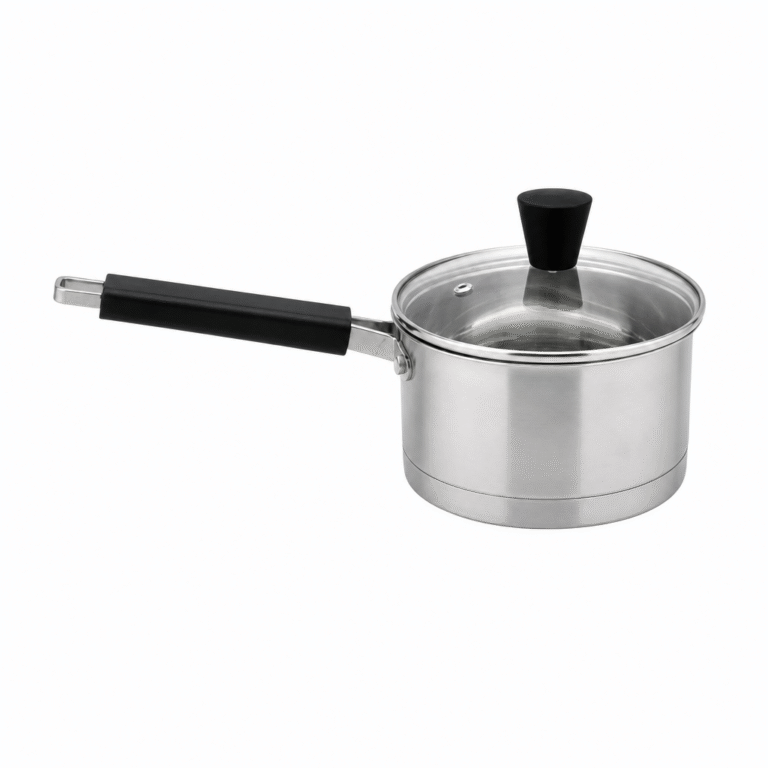


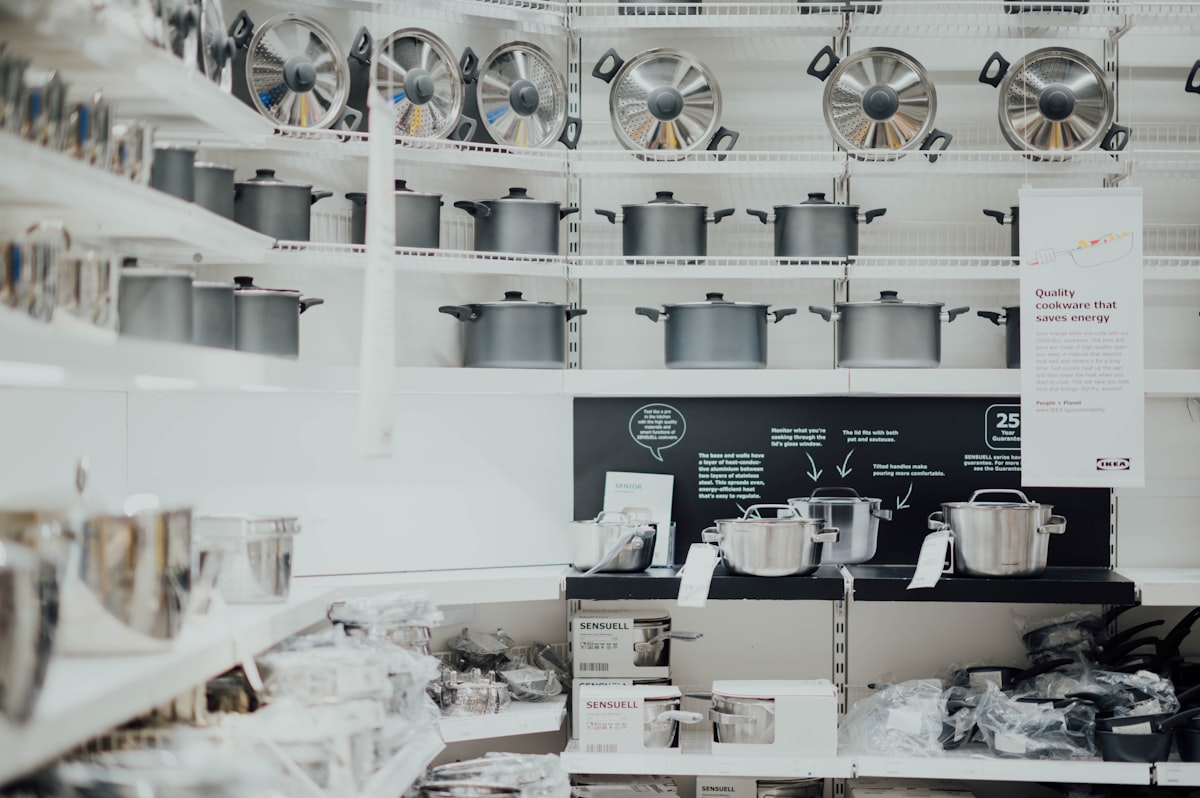
Most stainless steel cookware is rated oven-safe between 500°F and 600°F (260–315°C), but the limiting factor is almost never the steel itself — it’s the handle material, lid construction, or surface coating. The steel body of a quality 18/8 (Grade 304) pan can withstand oxidation up to 1,598°F (870°C) under intermittent conditions. For B2B buyers and professional kitchen operators, the practical spec to request is a minimum 500°F all-metal rating with no plastic or silicone components. Exceeding the rated limit causes discoloration and potential handle damage, but does not make the pan unsafe for food contact.
The Short Answer — and Why It’s More Complicated Than a Single Number
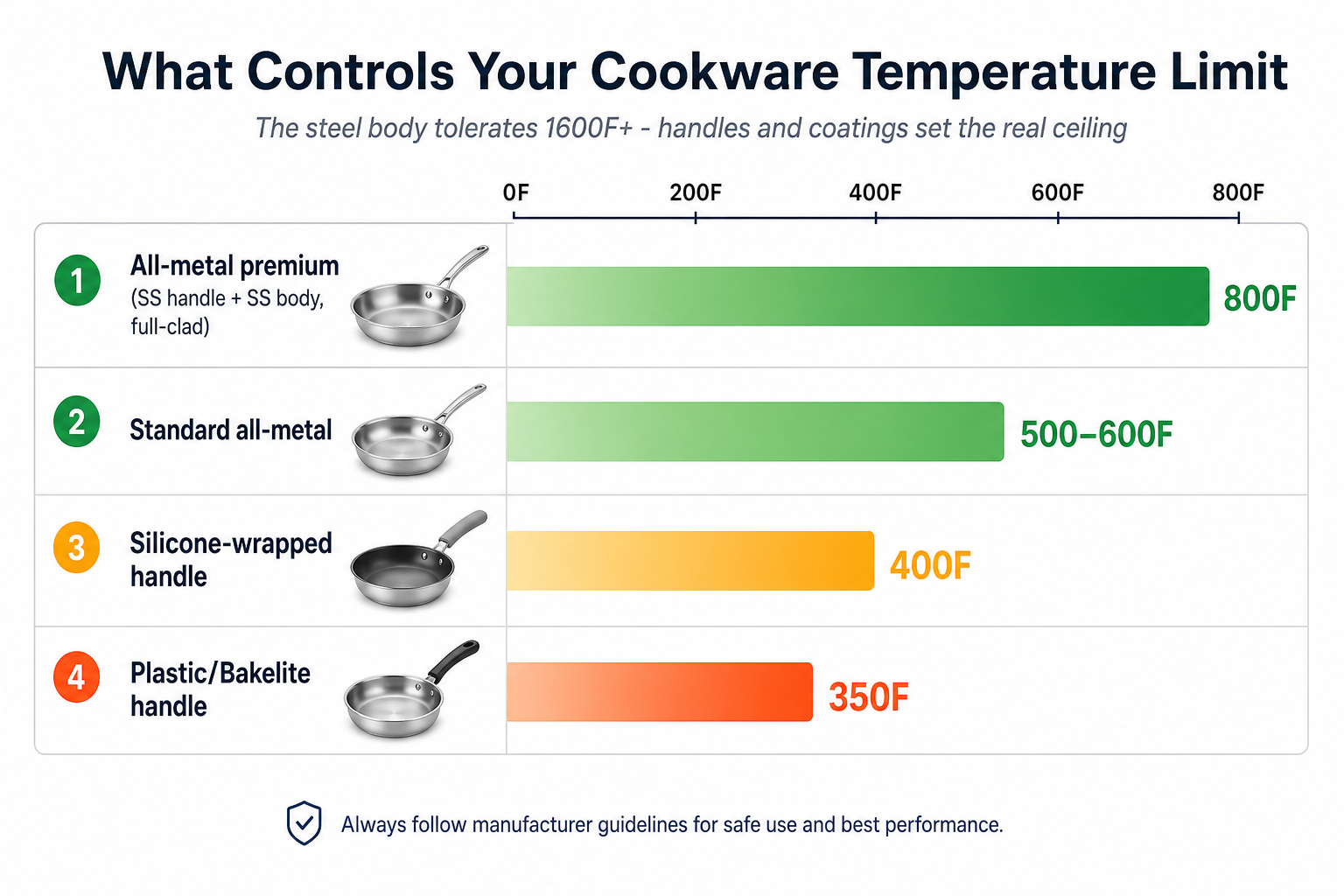
The most honest answer to “what is the temperature limit for stainless steel cookware?” is: it depends on what part of the pan you’re asking about.
The stainless steel body can handle far more heat than any home or commercial kitchen will throw at it. What sets the practical ceiling is everything attached to it — the handle, the lid, any non-stick coating, and the rivets or welds holding it together.
Here’s how the limits break down by construction type:
| Construction Type | Typical Max Temperature | Limiting Component |
|---|---|---|
| All-metal (SS body + SS handle, no coating) | 500–800°F (260–427°C) | Handle weld quality |
| All-metal with glass lid | 350–500°F (177–260°C) | Tempered glass lid |
| SS body + silicone-wrapped handle | 400°F (204°C) | Silicone inserts |
| SS body + plastic/Bakelite handle | 350°F (177°C) | Plastic handle |
| SS body + PTFE or ceramic non-stick coating | 400–500°F (204–260°C) | Non-stick layer |
| All-metal premium (full-clad, SS lid) | 600–800°F (315–427°C) | Build quality ceiling |
The average across 20 major cookware collections tested by Prudent Reviews lands at 500°F — but that number conceals a wide spread. A Farberware Classic with plastic handles is rated at 350°F. A Made In 5-ply with all-metal construction is rated at 800°F. Same metal category, very different real-world specs.
Why the Steel Itself Is Not the Limiting Factor
This is the part most cookware guides skip, and it explains a lot of confusion.
Grade 304 stainless steel — the alloy used in virtually all cookware labeled “18/8” or “18/10” — can resist oxidation at temperatures up to approximately 1,598°F (870°C) in intermittent service and 1,700°F in continuous service, according to Marlin Wire’s industrial grade documentation. Your home oven maxes out at 550–600°F. A commercial convection oven reaches around 500–550°F. Even a broiler, at its hottest, stays around 550°F at the rack.
The steel body of the pan is operating nowhere near its material limits during normal cooking.
What gives stainless steel this heat resistance is chromium. Grade 304 contains 18% chromium, which reacts with oxygen to form a thin, stable chromium oxide layer on the surface. This passive layer is what prevents rust and corrosion — and it holds up through temperatures no kitchen will reach. Grade 316, which adds 2–3% molybdenum and slightly more nickel, offers marginally better corrosion resistance in acidic or chloride environments but similar heat performance for cooking purposes.
For cookware procurement, the relevant grade distinction is not 304 vs. 316 for heat performance — it’s 304 vs. 430. Grade 430 (ferritic, magnetic, 17% chromium) is used in budget cookware and base layers of some induction-compatible pans. It has lower oxidation resistance and is generally not suitable for the cooking surface of commercial or semi-professional cookware.
What Actually Sets the Temperature Ceiling
Once you accept that the steel body isn’t the weak point, the question becomes: what is?
Handles are the primary bottleneck. This is where the biggest variation in rated limits comes from. An all-stainless welded handle — no rivets, no hollow cast, no silicone wrap — will tolerate the same temperatures as the pan body. Riveted handles can trap moisture and are structurally sound, but some budget versions use lower-grade fasteners. Hollow-cast stainless handles act as partial insulators and are common on mid-range pans. Silicone-wrapped handles look premium but are technically limited to around 400°F (204°C) before the silicone begins to degrade. Plastic or Bakelite handles — still common on entry-level stainless cookware — are rated at 350°F or below.
Lids are often more restrictive than the pan. All-Clad’s product team explicitly states their lids are “not oven safe” despite the pans themselves being rated to 600°F. Glass lids — even tempered — typically cap out at 350–450°F. If you’re buying stainless cookware for oven use, verify the lid rating separately from the pan body. They are almost never the same.
Non-stick coatings pull the ceiling down significantly. PTFE-based coatings (including Teflon) begin to degrade above 500°F and should not be exposed to broiler heat. Even ceramic non-stick coatings, often marketed as higher-temperature alternatives, are typically rated no higher than 500°F. The non-stick versions of the same pan models are consistently rated 100–200°F lower than their bare stainless counterparts.
Construction method affects thermal stress resistance. Full-clad tri-ply or 5-ply construction distributes heat evenly and reduces localized hot spots that cause warping. Disk-base pans (a stainless exterior with an aluminum disk bonded to the bottom) are more susceptible to warping under repeated high-heat cycling, because the stainless and aluminum expand at different rates. For commercial kitchen use — where pans go from cold storage to hot burner repeatedly — full-clad construction is the spec to request.
Brand Temperature Ratings at a Glance
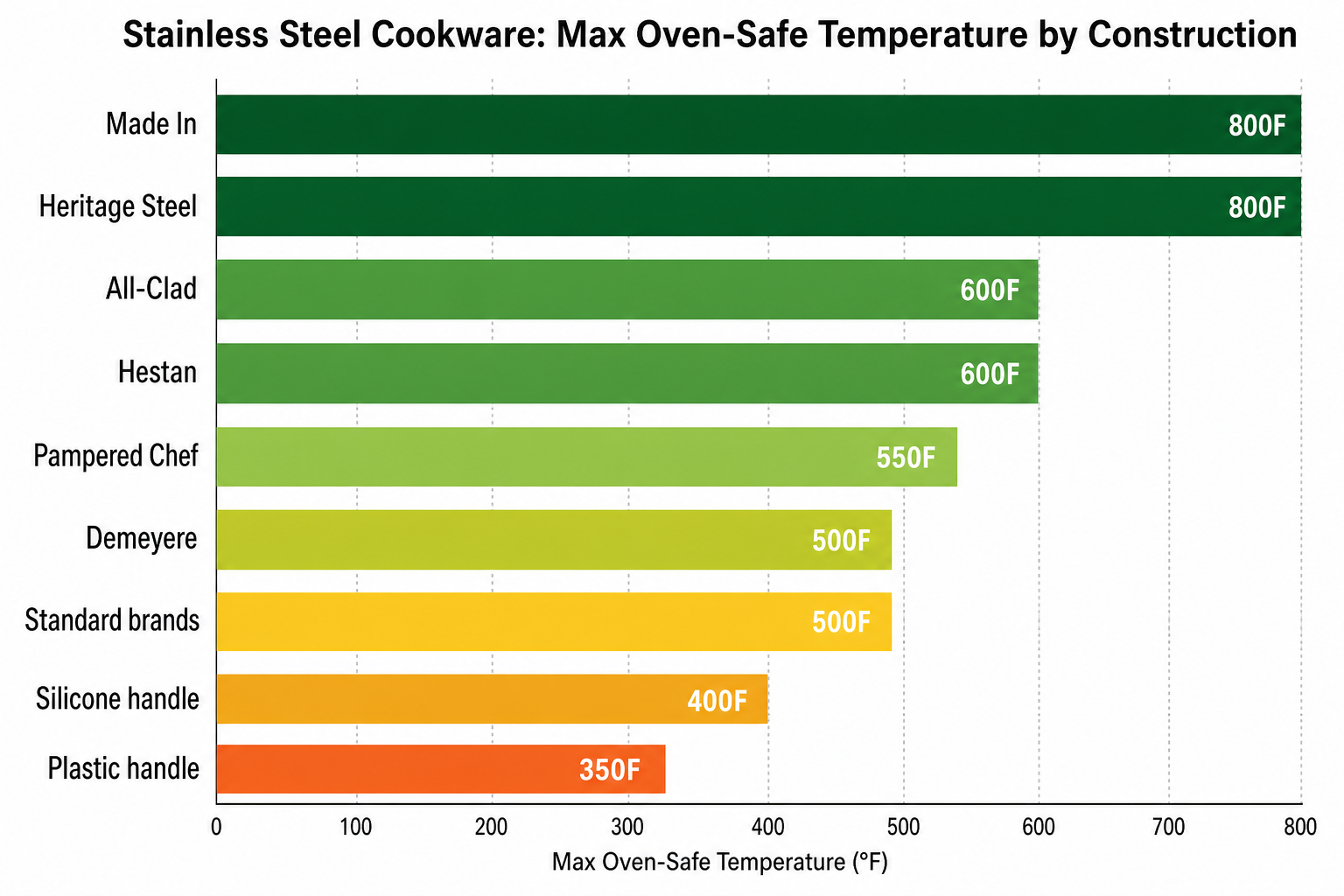
Based on manufacturer documentation and independent verification from Prudent Reviews, here are confirmed oven-safe ratings for major stainless cookware lines:
| Brand / Collection | Max Oven-Safe Temp | Handle Type | Notes |
|---|---|---|---|
| Made In Stainless | 800°F (427°C) | All-metal | Highest consumer rating verified |
| Heritage Steel | 800°F (427°C) | All-metal | 5-ply, full-clad |
| All-Clad D3 / D5 | 600°F (315°C) | All-metal SS | Lids rated separately (not oven safe) |
| Hestan ProBond | 600°F (315°C) | All-metal | Broiler-safe confirmed |
| Pampered Chef Stainless | 550°F (288°C) oven, 600°F (315°C) grill | All-metal | Per brand FAQ |
| Demeyere Atlantis | 500°F (260°C) | All-metal | Welded handle, rivet-free interior |
| Misen / Cuisinart / Zwilling | 500°F (260°C) | All-metal | Standard all-metal construction |
| T-fal w/ silicone handle | 400°F (204°C) | Silicone wrap | Confirmed per ManualsLib official doc |
| Farberware Classic | 350°F (177°C) | Plastic | Budget construction limit |
The pattern is clear: the rating tracks the handle construction, not the steel grade. A 500°F rating is essentially saying “the handles are all-metal but we’re not testing beyond this.” An 800°F rating means the manufacturer has validated the entire assembly — body, handles, and any joins — at that temperature.
Stovetop vs. Oven: Two Different Heat Scenarios
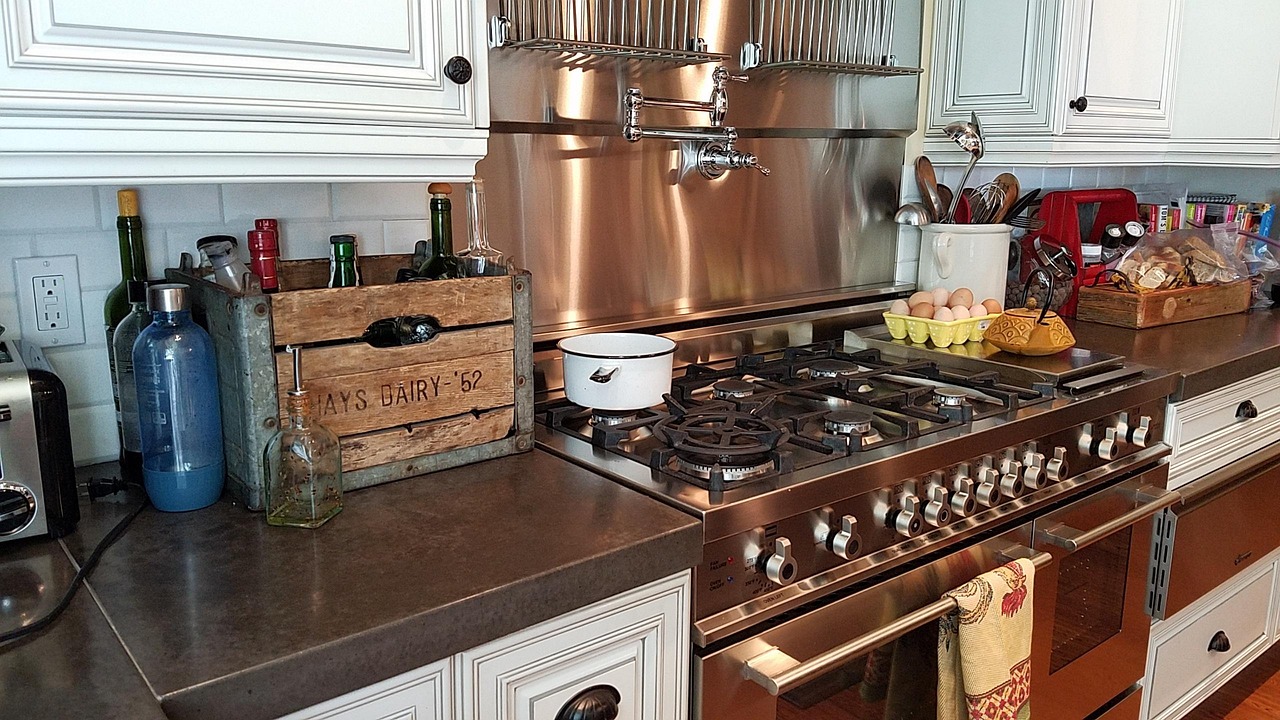
Most of the temperature ratings discussed above apply to oven use, where heat is ambient and consistent. Stovetop cooking is a different situation — and it’s one that catches home cooks off guard.
A gas burner on high can produce flame temperatures exceeding 1,500°F (815°C) at the point of contact, though the pan surface in a typical cooking scenario stays far lower — usually 400–600°F for searing. The risk is not the flame temperature but dry overheating: leaving an empty pan on high heat for several minutes. An unattended empty stainless steel pan on a high-output gas burner can exceed 700°F (370°C) at the base, which is beyond the rated limit for handle silicone components and can cause warping in disk-base pans.
I’ve seen this firsthand working with kitchen equipment suppliers: a client received warranty claims for warped pans that had clearly been dry-heated. The disk base had separated from the stainless shell — a failure mode that doesn’t happen with full-clad construction because the layers are bonded throughout, not just at the bottom.
Broiler use deserves its own note. A broiler element operates at roughly 500–550°F air temperature, but radiant heat from the element itself can be considerably higher for pans positioned close to the element. For broiler-safe use, you want all-metal construction with no silicone, plastic, or glass components — and ideally a pan rated to 600°F or above.
Induction cooking generates heat differently — through electromagnetic induction in the pan base itself rather than ambient heat — but the temperature limits are the same. The steel reaches the same temperatures regardless of the heat source.
What Happens When You Push Past the Limit
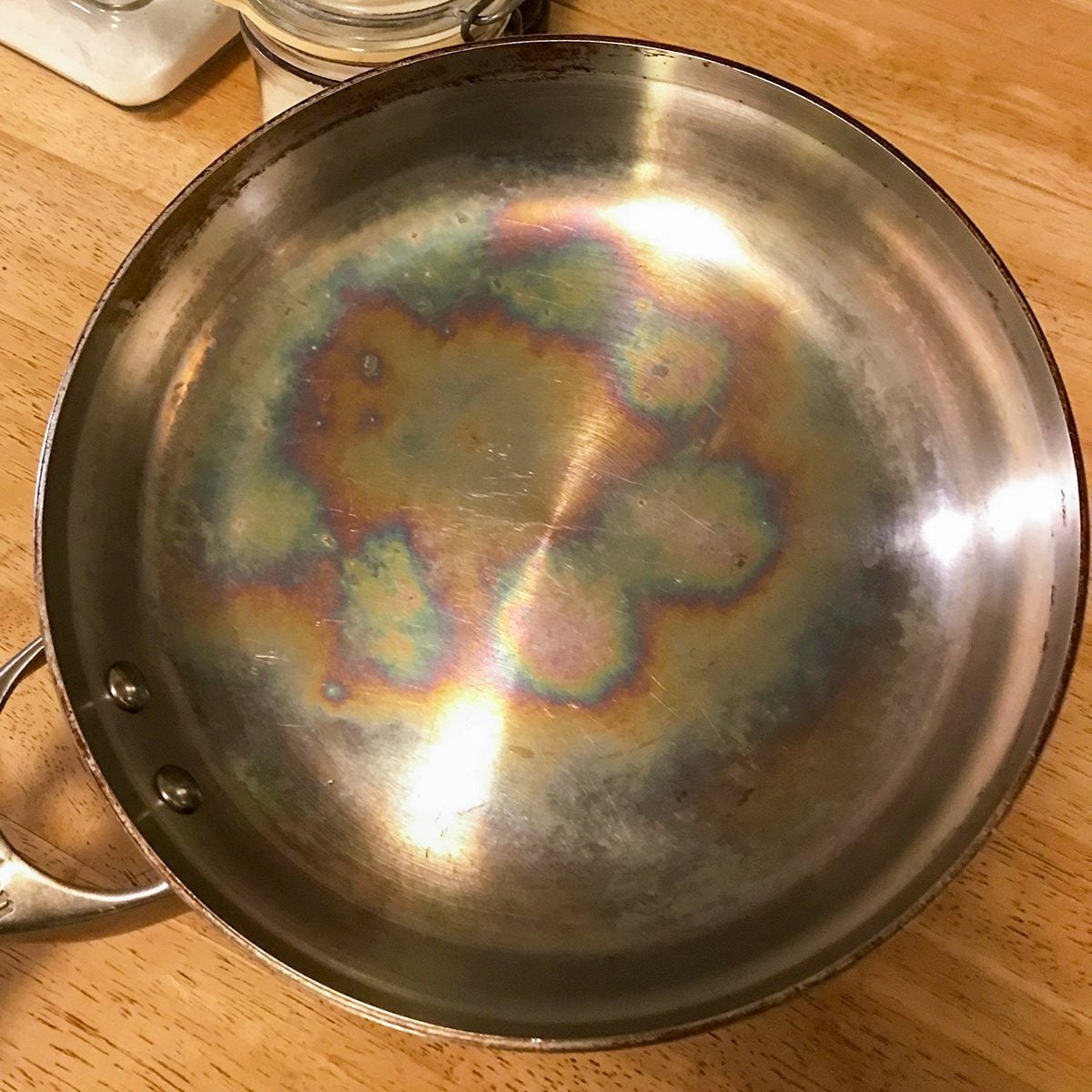
Not all temperature exceedances are equally serious. Here’s what actually occurs across the heat spectrum:
400–700°F range — discoloration (cosmetic, not a safety issue):
Stainless steel develops a characteristic rainbow pattern — straw yellow → gold → purple → blue — when the chromium oxide surface layer thickens due to heat exposure. This is called heat tinting. It looks alarming but is purely cosmetic. The discoloration can be removed with Bar Keepers Friend (oxalic acid) or a stainless steel cleaner. The House Digest guide explains this well: it’s the same effect as a heat-tempered blade — oxidation changing light refraction through the oxide layer, not corrosion or damage to the food-contact surface.
Is overheated stainless steel unsafe? Short answer: no, for typical overheating scenarios. Stainless steel does not emit toxic fumes at cooking temperatures. Even if the pan discolors, the food contact surface remains safe. The chromium and nickel that make up Grade 304 are stable compounds at cooking temperatures. Very small amounts can migrate into acidic food during long cooking times, but this is well within safe limits established by EU and FDA food contact regulations.
Handle damage — the real practical risk:
Silicone handles that exceed 400°F will not immediately melt, but repeated exceedances degrade the silicone, causing it to become sticky, crack, and eventually fail structurally. Plastic handles at high heat present more immediate risk — softening, distortion, or off-gassing depending on the polymer.
Warping — the B2B concern:
Disk-base pans that undergo rapid thermal cycling (cold pan onto high burner, or hot pan into cold water) are vulnerable to warping because the bonded aluminum disk and stainless steel shell expand and contract at different rates. Full-clad pans are far more resistant. For commercial kitchen procurement, specifying full-clad construction explicitly is worth the additional cost — it eliminates this failure mode under daily high-heat service.
Practical Guidance for Commercial Buyers and Product Specifiers
If you’re sourcing stainless steel cookware for a restaurant, hotel kitchen, or putting together a product catalog, here’s what the temperature data translates into as a procurement spec:
Minimum spec for professional use:
- Pan body: 304 stainless (18/8 or 18/10), full-clad tri-ply or 5-ply
- Handles: all-metal stainless, welded or securely riveted — no silicone, no plastic
- Lid: all-metal stainless (or no lid required for sauté/frying applications)
- Verified oven-safe rating: minimum 500°F, preferably 600°F
- Construction: full-clad (not disk base) for high-heat cycling resistance
Red flags in supplier specs:
- “Oven safe” without a temperature number — ask for the specific rating
- Rating applies only to the pan but not the lid or handles — this is common in product listings
- Grade 430 steel used for the cooking surface (acceptable only for base/induction layer)
- Disk-base described as “encapsulated base” without full-clad construction
For consumer product descriptions:
Don’t default to “oven safe up to 500°F” without checking the specific product manual. Retailer listings frequently copy incorrect specs. The brand’s own product page or manual is the authoritative source — and for high-volume SKUs, it’s worth verifying directly against manufacturer documentation before publishing.
Frequently Asked Questions
What is the maximum temperature for stainless steel cookware?
For all-metal construction (no plastic, silicone, or non-stick coating), maximum rated temperatures range from 500°F to 800°F (260–427°C) depending on brand. The highest verified consumer ratings are 800°F for Made In and Heritage Steel. Most standard all-metal pans are rated to 500–600°F.
Can stainless steel cookware go in a 500°F oven?
Yes, if the pan is all-metal construction with no plastic, silicone, glass lids, or non-stick coating. Verify against the specific product’s manual or brand website — not the retailer listing, which is frequently inaccurate.
Why did my stainless steel pan turn blue or purple?
That’s heat tinting — the chromium oxide layer on the surface thickening from heat exposure. It happens between 400°F and 700°F and is cosmetic only. It does not affect food safety or the pan’s performance. It can be removed with a stainless cleaner like Bar Keepers Friend.
Is it safe to cook in a stainless steel pan that was overheated?
Yes. Overheating a stainless steel pan does not make it unsafe for food contact. The metal does not emit toxic compounds at cooking temperatures. The cosmetic discoloration can be cleaned off. The only practical concern after severe overheating is structural — check that the handle is still firmly attached and the base hasn’t warped.
What happens to a non-stick stainless steel pan in a hot oven?
PTFE non-stick coatings degrade above approximately 500°F (260°C) and should not be used in a broiler. Ceramic non-stick coatings are rated similarly — typically 450–500°F. Above these temperatures, the coating can begin to deteriorate. For high-oven use, use bare stainless with no coating.
Which stainless steel grade is better for high-heat cookware — 304 or 316?
For heat resistance in cookware, both perform similarly in kitchen conditions. Grade 304 (18/8) is the industry standard and handles all cooking temperatures without issue. Grade 316 adds corrosion resistance against chlorides (salt, acidic foods), which is a minor advantage for long-simmering acidic sauces — but it costs more and offers no meaningful heat resistance advantage for typical cooking.
Summary
The temperature limit printed on your stainless steel cookware is not telling you what the steel can handle — the steel can handle far more than you’ll ever need. It’s telling you what the weakest component in the assembly can handle.
All-metal construction at 500–600°F is the practical standard for professional and serious home use. If a pan you’re evaluating doesn’t have a specified temperature rating, or if that rating is buried in an asterisk about handles-only, treat it as a 350°F pan until proven otherwise.
For B2B sourcing, the spec worth requiring is: 304 stainless full-clad body, all-metal handles, minimum 500°F verified rating with documentation. That combination eliminates the failure modes — warping, handle degradation, coating off-gassing — that generate the most customer service issues in commercial kitchen environments.
The rainbow discoloration that worries so many first-time stainless users is the most visible thing about high-heat use and the least consequential. What matters is construction quality — and that’s visible in the temperature rating, if you know how to read it.