


Buying stainless steel thermoses in bulk means navigating material grades (304 vs 316), MOQ structures (typically 500–3,000 pcs), and certification requirements (FDA, LFGB, BPA-free). This guide covers how to evaluate suppliers, verify steel grade claims, understand wholesale pricing tiers, and avoid the most common sourcing pitfalls — based on real factory data and buyer experience.
What “Food-Grade Stainless Steel” Actually Means at Scale
The phrase “food-grade stainless steel” is everywhere in wholesale listings — but it covers at least three different alloys with meaningfully different properties.
304 stainless steel (18/8) is the industry standard for wholesale thermos manufacturing. It contains 18% chromium and 8% nickel, giving it strong corrosion resistance and a safe surface for food and beverage contact. The vast majority of reputable Chinese factories produce 304 as their baseline grade. When a supplier says “18/8,” they mean 304.
316 stainless steel (18/10 or 18/8 with molybdenum) adds 2–3% molybdenum, which improves resistance to chloride corrosion and acidic beverages. At wholesale, 316 interior liners command a 15–25% price premium over 304. For buyers sourcing for coastal or saline-environment end users — or selling premium health-positioned products — 316 is worth specifying.
201 stainless steel is the grade to watch out for. It substitutes manganese for nickel, cutting costs but reducing corrosion resistance significantly. Some unscrupulous suppliers ship 201 while claiming 304. The practical test: request a material test certificate (MTC) that references ASTM A240 or GB/T 3280, and consider third-party XRF (X-ray fluorescence) testing on your first sample batch — most SGS or Intertek offices in Yiwu and Guangzhou offer this for under $100 per batch.
My sourcing experience: On one 1,000-piece order I audited, the factory sent samples that passed the magnet test (304 and 316 are both weakly magnetic when formed, so the magnet test alone is unreliable) but failed XRF — the inner wall was 201. The MTC verification step has been non-negotiable for me since.
Wholesale Pricing: What the Tiers Actually Look Like
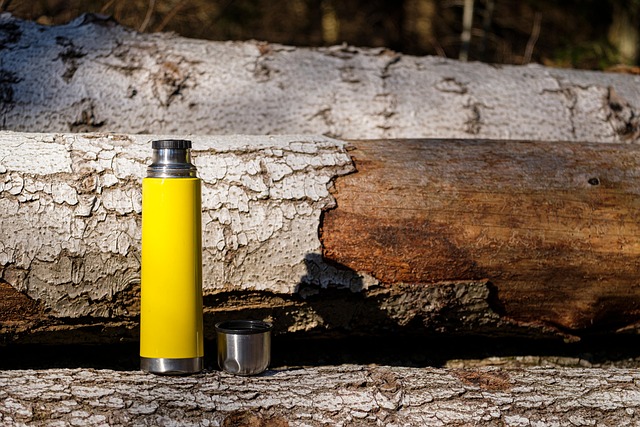
Wholesale pricing for stainless steel thermoses follows consistent tier logic across Alibaba, Global Sources, and direct factory inquiries. Here’s what you realistically see for a standard 500ml double-wall vacuum insulated thermos with a basic screw cap:
| Order Quantity | Price Range (FOB Yiwu) | Notes |
|---|---|---|
| 300–500 pcs | $2.20–$4.99/pc | Standard 500ml, 304 steel, plain finish |
| 1,000–2,999 pcs | $1.50–$3.80/pc | Factory-direct range; custom color available |
| 3,000–4,999 pcs | $1.80–$3.20/pc | Custom lid options open up |
| 5,000+ pcs | $1.25–$2.50/pc | Full OEM/ODM including custom packaging |
The wide ranges reflect a real market split: trading companies on Alibaba quote $2.80–$3.80 at 1,000 pcs; direct Yiwu factory quotes (often found through sourcing agents or direct Canton Fair contact) run $1.50–$2.50 at the same volume. The difference is usually 30–50%.
Add $0.30–$0.60/pc for laser engraving, $0.20–$0.40/pc for custom printed sleeve packaging, and approximately $0.15–$0.30/pc for individual retail box packing.
For 316 steel interior, add roughly 20% across the board.
The MOQ reality: A published MOQ of “500 pieces” often applies to a single SKU in a single color. Mix an order across three colors and the effective per-color minimum is usually still 300–500 pieces. Custom lid designs (flip-top, straw lid, carabiner) typically require 1,000–3,000 pieces per lid style to justify tooling cost.
Certifications That Actually Matter to Your Market
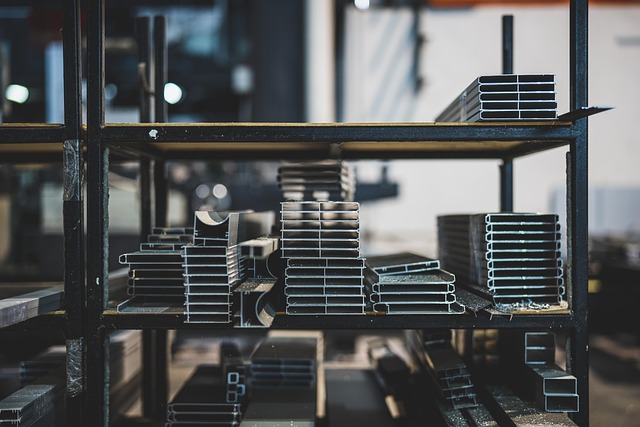
Not all certifications carry equal weight depending on where your end customers are. Here’s a practical matrix:
| Market | Required / Strongly Recommended | Nice to Have |
|---|---|---|
| USA | FDA compliance (21 CFR), BPA-free declaration, Prop 65 compliance (California) | BSCI, ISO 9001 |
| EU / UK | LFGB (Germany food contact), REACH compliance, CE (if electronic lids) | EN 12546 |
| Australia / NZ | FSANZ food contact compliance | BSCI |
| Amazon FBA (global) | FDA + BPA-free minimum; LFGB if selling .de/.co.uk | BSCI |
What to request from your supplier:
- Third-party test report (SGS/Intertek/BV) dated within 18 months covering migration testing
- Material Test Certificate (MTC) for the inner wall stainless steel grade
- BPA-free declaration for all plastic components (lids, seals, straws)
- Factory audit certificate (BSCI or equivalent) if you’re sourcing for a major retailer
Many factories will share these on request before you commit to an order. Factories that refuse or delay on test reports are a red flag — established factories have these documents readily available because they maintain them for existing export customers.
How to Evaluate a Wholesale Supplier Before Committing
The difference between a good and a bad wholesale experience usually comes down to three things: factory verification, sample quality, and communication speed.
Factory vs. trading company: Both can work, but knowing which you’re dealing with matters for price and communication. A factory can adjust specifications and solve production issues faster; a trading company may offer wider product range but adds a margin layer. On Alibaba, “Gold Supplier” status and “Verified Manufacturer” badges are worth checking, but the most reliable signal is a factory audit certificate (SGS Factory Audit, BSCI, or a retailer-commissioned audit report).
Sample order protocol: Request a pre-production sample (PPS) before committing to mass production. Pay for the sample — factories that offer free samples often charge a “sample fee refunded on order” that motivates them to send real production units. Test the sample for:
- Insulation retention (fill with boiling water, check temperature at 6h and 12h)
- Leak test (fill fully, cap, invert for 30 seconds)
- Interior smell (304 steel has a faint metallic smell; strong chemical odors suggest poor manufacturing)
- Lid and seal fitment (loose lids are the top retail complaint)
Lead time: Standard production for 1,000–3,000 pieces with custom color runs 25–35 days from order confirmation and deposit. Add 15–20 days for sea freight to US West Coast ports (LA/Long Beach), or 25–35 days to East Coast ports (NY/Savannah). Air freight takes 5–7 days.
Capacity Sizes and Which Sell Best at Wholesale
When building a wholesale lineup, capacity selection directly affects sell-through rates. Based on listings data from Alibaba, Global Sources, and wholesale buyer communities:
- 350ml (12 oz): Desk/office use, gift market. High perceived-value-per-unit, premium pricing potential.
- 500ml (17 oz): The volume leader. Most factories have this as their core SKU with the widest color/finish options.
- 750ml (25 oz): Sports and outdoor buyers. Growing category, especially for hydration-focused brands.
- 1,000ml (34 oz): Family/camping market. Larger tooling investment but lower competitive density at retail.
For a first wholesale order, a 500ml + 750ml two-SKU combination covers the broadest addressable market while keeping initial capital requirements manageable.
The Insulation Claim Problem — and How to Verify It
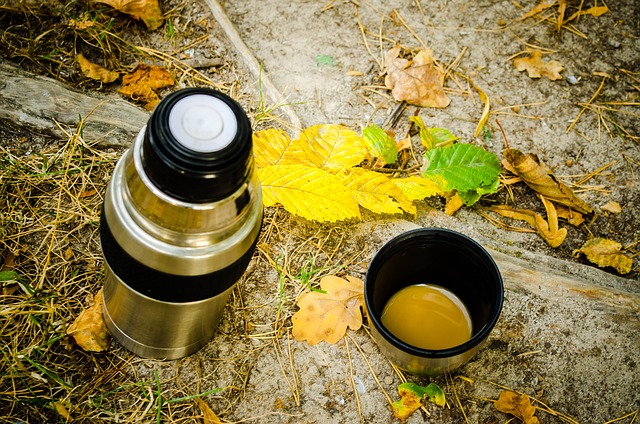
“Keeps hot 12 hours, cold 24 hours” appears in nearly every thermos wholesale listing. These numbers are real under controlled conditions — but the test conditions matter.
Standard insulation test (GB/T 29606-2013 in China, or EN 12546 in Europe): starting at 95°C, tested in a 20°C room, cap closed. Under these conditions, a quality double-wall vacuum thermos genuinely holds above 65°C for 6–8 hours and retains heat above 50°C at 12 hours.
What erodes insulation performance in the field:
- Repeated opening (each open loses ~5–8°C)
- Pre-warming the flask (skipping this can reduce effective retention by 20%)
- Damaged vacuum seal (the most common manufacturing defect; visible as a small dent on the outer wall near the base)
When reviewing factory insulation claims: Ask for the specific test standard referenced and the ambient temperature used. A 12-hour retention claim at 25°C ambient is significantly different from one at 20°C. Factories with third-party insulation test reports are more credible than those citing self-tested numbers.
Frequently Asked Questions
What is the typical MOQ for stainless steel thermos wholesale?
Most Chinese manufacturers set MOQ at 500–1,000 pieces per SKU for standard designs, rising to 1,000–3,000 pieces for custom lid tooling or fully custom shapes. Some suppliers offer lower MOQs (100–300 pcs) for in-stock designs without customization.
How do I verify that a thermos is actually 304 stainless steel?
Request a Material Test Certificate referencing ASTM A240 or GB/T 3280 from the steel coil supplier. For high-value orders, commission XRF testing through SGS, Intertek, or Bureau Veritas — most Zhejiang and Guangdong inspection offices offer this for under $100 per batch.
What certifications do I need to sell thermos bottles on Amazon USA?
At minimum: FDA compliance documentation for food-contact materials and a BPA-free declaration for all plastic components. For California, add Prop 65 compliance. LFGB certification (European food contact standard) strengthens your listing credibility even for US sales.
What is a realistic FOB price for 500ml vacuum thermos at 1,000 pieces?
Expect $1.50–$3.80 per piece (FOB Yiwu or Ningbo) depending on whether you’re buying factory-direct or through a trading company. Direct factory quotes at 1,000 pcs typically run $1.50–$2.50 for standard double-wall 304 stainless with a screw cap; trading company prices on Alibaba average $2.80–$3.80 for the same spec. 316 steel, premium lids, or custom packaging will add cost.
How long does wholesale production take?
For 1,000–3,000 pieces with standard specifications: 25–35 days production after order confirmation and deposit, plus 3–5 days for quality inspection. Sea freight to US West Coast (LA/Long Beach) adds 15–20 days; East Coast ports (NY/Savannah) add 25–35 days. Air freight takes 5–7 days.
Source It Right the First Time
Wholesale stainless steel thermoses are a mature product category with a well-developed supply chain — which means both strong options and well-practiced shortcuts. The single biggest differentiator between a smooth sourcing experience and an expensive lesson is documentation: material grade verification, certification reports, and a pre-production sample with real insulation testing.
Treat your first order as a paid supplier audit. The extra cost of third-party testing ($50–$150) and a proper sample protocol is negligible against the cost of a bad batch. Get it right on 1,000 pieces, then scale.





