


Sourcing cookware from China without a structured verification process is how brands end up with shipments that fail FDA or LFGB compliance — or, worse, never arrive at all. This guide covers the five-step process for vetting a Chinese cookware manufacturer, from business license verification to third-party factory audits. It includes the agencies worth hiring, what each audit level costs, which certifications to demand by market, and the red flags that signal you’re dealing with a trading company rather than an actual factory.
Step 1: Verify the Business Registration Before Anything Else
The fastest check most buyers skip is the one that matters most: confirming the factory actually exists as a legal entity.
China’s National Enterprise Credit Information Publicity System (SAMR, at gsxt.gov.cn) lists every registered business entity in mainland China. Search by company name (in Chinese characters if possible — ask the supplier for the official Chinese registered name) and verify:
- Registration status: Active (存续/正常) vs. canceled or suspended
- Business scope: Does it include manufacturing? A business registered only for trading cannot legally call itself a factory
- Registered capital: Ultra-low registered capital (under ¥100,000) on a supplier claiming to run a large factory is a red flag
- Legal representative: The name here should match whoever signs your contracts
Most legitimate manufacturers will give you their Unified Social Credit Code (统一社会信用代码) — an 18-character identifier — without hesitation. If a supplier refuses or delays providing this, stop.
What this costs: Free. Takes 10 minutes.
Step 2: Map Required Certifications to Your Target Market
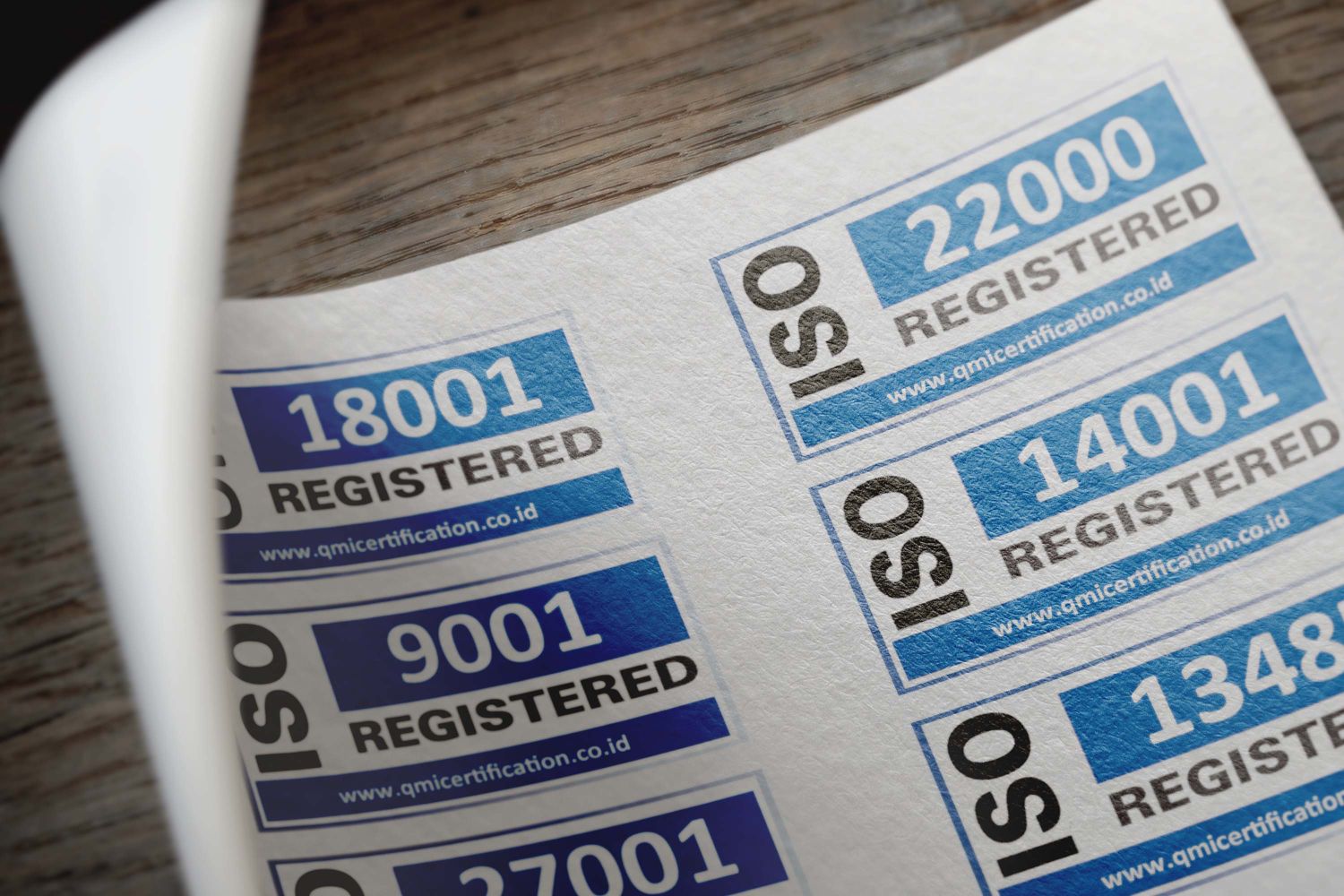
Certifications aren’t universal. The tests required to sell non-stick cookware in Germany are different from what you need for the US market — and a factory audit won’t substitute for product testing.
Match your target market to the minimum certifications before you even shortlist factories:
| Market | Required / Strongly Expected | Notes |
|---|---|---|
| USA | FDA compliance (21 CFR 175.300 for coatings), PROP 65 (CA only) | FDA doesn’t “certify” factories; you’re responsible for compliance. PTFE/PFOA-free claims need lab verification |
| EU / Germany | LFGB (DIN 10955), EU REACH regulation | LFGB is the gold standard; required for major German retailers. REACH covers heavy metals and restricted substances |
| UK | UK REACH, BS EN standards | Post-Brexit divergence from EU REACH is small but growing |
| Australia | AS/NZS food contact material standards | Less rigorous than EU but increasingly enforced by retailers |
| Canada | Health Canada food contact guidelines, PROP 65-equivalent for some provinces | — |
Ask each shortlisted factory for actual test reports — not just claims. Reports should be issued by an accredited third-party lab (SGS, Intertek, Bureau Veritas, TÜV SÜD) and dated within the last 2 years. A factory that shows you a 5-year-old LFGB report is telling you they haven’t retested since changing their coating supplier.
Red flag: A supplier that says “we have all certifications” but can’t produce reports within 48 hours of your request doesn’t actually have them.
Step 3: Request a Factory Profile and Cross-Check It
Before booking an audit, collect basic factory documentation and look for inconsistencies.
A legitimate cookware manufacturer should provide:
- Business license (营业执照) — matches the SAMR record
- ISO 9001 certificate (optional but expected at mid-tier and above factories)
- Production capacity sheet — monthly output by product type
- Equipment list — stamping presses, spinning lathes, coating lines, anodizing tanks
- Employee count — a factory claiming 500+ workers but with no overhead photo of the facility is suspicious
- Customer reference list — ask for 2–3 existing overseas customers you can contact
Cross-reference the factory’s claimed production capabilities against the equipment list. A die-casting aluminum cookware factory needs specific equipment (die-casting machines, degassing units, CNC trimming). If the equipment list is vague or omits process-critical machinery, ask why.
Google Earth check: Not definitive, but searching the factory address on Google Maps satellite view takes 5 minutes and occasionally reveals a warehouse in an industrial park where a 10,000 m² factory was claimed.
Step 4: Commission a Third-Party Factory Audit
This is the step that separates a vetted supplier from a hoped-for one.
A factory audit conducted by an independent agency gives you a written assessment of manufacturing capabilities, quality systems, compliance status, and labor practices. For cookware, the relevant audit types are:
Manufacturing Capability Audit (MCA)
Assesses whether the factory can actually produce your product. Auditors walk the production floor, verify equipment, review output records, and interview workers. Cost: $300–$600 for a one-day audit.
Quality Management System Audit
Verifies ISO 9001 compliance or equivalent internal QC processes. Useful if you’re sourcing for a retailer that requires this. Cost: $400–$800.
Social/Labor Compliance Audit (BSCI / SA8000)
Required by many European retailers (H&M, IKEA supply chains use BSCI). Covers working hours, wages, child labor, fire safety. Cost: $400–$700.
Pre-shipment Inspection (PSI)
Not an audit — this happens after production, checking finished goods against your specs. Budget $200–$350 per inspection day. Run this separately on every order above $5,000.
Agencies Worth Using
| Agency | Strengths | Notes |
|---|---|---|
| QIMA (formerly AsiaInspection) | Fast booking, transparent online platform, real-time reports | Good for SME budgets |
| SGS | Global brand recognition, accepted by most major retailers | Slightly more expensive, slower scheduling |
| Bureau Veritas | Strong in EU compliance audits | Good for LFGB/REACH verification |
| Intertek | Strong lab testing arm | Useful when you want audit + product testing bundled |
Book directly with the agency — never through the factory. If a supplier offers to “help you arrange the audit,” decline. The auditor needs to arrive unannounced or with minimal notice.
Step 5: Run a Sample Order Before Committing
An audit tells you a factory can make your product. A sample order tells you whether they will.
After a factory passes its audit, place a paid sample order (typically 50–200 units depending on MOQ structure). This tests:
- Production fidelity: Does the sample match your approved specs?
- Coating performance: Run your own PTFE adhesion test; non-stick coatings on cheap pans peel at 6–9 months of home use
- Packaging quality: Check for handling damage, loose labels, inaccurate weight claims on packaging
- Lead time accuracy: Did they hit the sample delivery date? Lead time reliability on samples predicts production reliability
Send the sample to an accredited lab for the certifications your market requires. Budget $450–$800 for a full food-contact material test battery (LFGB alone typically runs $450–$650 per product). This is the last checkpoint before you commit to a production order.
Red Flags That Signal a Trading Company, Not a Factory
In my experience reviewing supplier profiles, these patterns consistently appear with brokers presenting themselves as manufacturers:
- No overhead/aerial photo of the facility — every real factory has drone or satellite-visible infrastructure
- Multiple product categories that make no manufacturing sense — a factory producing cookware, bicycle parts, and hair dryers is almost certainly a trading company
- Payment terms only through personal accounts — legitimate factories invoice via company accounts; personal WeChat Pay or Alipay for large orders is a fraud signal
- Refuses to sign an NDA or a supplier agreement — real factories sign these routinely
- Can’t explain their coating process — ask specifically which PTFE coating supplier they use (Whitford, Chemours/Teflon, Weilburger). A real factory knows this immediately
- The factory “inspection” is a showroom in a different city — always GPS-track the address against what they show you
How Much Does the Full Vetting Process Cost?
| Step | Cost |
|---|---|
| SAMR business license check | Free |
| Certification document review | Free (your time) |
| Factory audit (manufacturing capability) | $300–$600 |
| Social compliance audit (if required) | $400–$700 |
| Product lab testing (certifications) | $450–$800 |
| Sample order + shipping | $200–$1,500 (product-dependent) |
| Total | ~$1,350–$3,600 |
For a production run worth $20,000+, this cost is insignificant compared to the risk of a non-compliant shipment being held at customs or recalled from retail.
FAQ
How long does factory vetting take in total?
Plan for 3–6 weeks from first contact to audit report in hand. SAMR check is same-day. Scheduling an audit typically takes 1–2 weeks. Lab testing for certifications takes 2–4 weeks depending on the test scope.
Do I need a sourcing agent for this process?
Not necessarily. QIMA and SGS both allow direct booking with English-language platforms. If you don’t speak Mandarin and are managing multiple suppliers simultaneously, a reputable sourcing agent (one who discloses their commission and doesn’t take kickbacks from factories) can reduce friction — but the audit itself should always be booked directly with the agency.
Can I rely on Alibaba’s “Verified Supplier” or “Gold Supplier” badges?
Use them as a minimum filter only. Alibaba verification confirms a business license exists and a basic onsite check was done — it doesn’t assess production capability, quality systems, or compliance. Treat it as “passed the entry bar,” not “vetted.”
What happens if a factory fails an audit?
Request a corrective action plan (CAP) with specific remediation steps and a re-audit timeline. For minor non-conformities, a 30–90 day correction period is standard. For major findings (falsified records, serious safety violations, child labor), walk away.
Is a factory audit the same as a product certification?
No. A factory audit assesses the manufacturing system. A product certification (like LFGB) tests the actual finished product against specific chemical and performance standards. You need both.
Don’t Gamble on a $20,000 Order to Save $1,500 in Verification Costs
The sourcing managers I’ve talked with who got burned by Chinese cookware suppliers all share one pattern: they moved too fast because the price was compelling. A factory with beautiful Alibaba photos, fast responses, and a low MOQ is not automatically a good factory — and in some cases it’s not a factory at all.
The five-step process above costs under $3,600 and takes under 6 weeks. For any cookware brand planning to sell into regulated markets (US, EU, UK, AU), this isn’t optional — it’s the baseline for operating without customs liability or product liability exposure.
The audit won’t guarantee a perfect supplier. But it will tell you whether you’re building on solid ground or on someone else’s sales pitch.





