
Cookware Knowledge

Private Label Cookware: The Complete Brand-Building Guide (2026)

Private label cookware means a third-party factory manufactures the product and you sell it under your own brand name. It’s the most practical way for entrepreneurs, Amazon FBA sellers, and retailers to launch a branded cookware line without building a factory. This guide covers the full process — niche definition, product selection, manufacturer vetting, customization, […]

Private Label Cookware: The Complete Brand-Building Guide (2026) Read More »

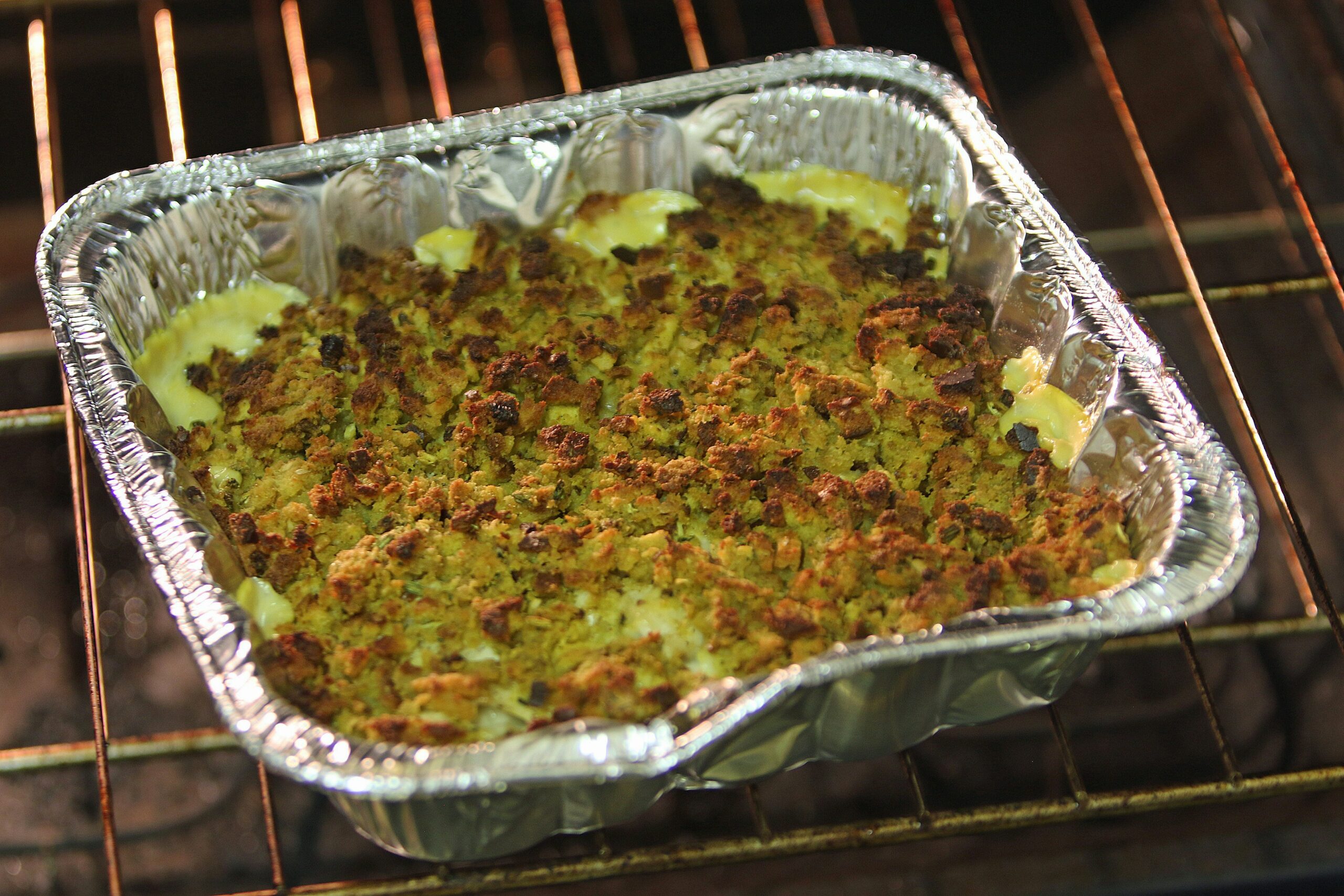
Baking Pan vs Casserole Dish: The Practical Guide to Choosing the Right One

A baking pan is typically made of metal — aluminum, stainless steel, or carbon steel — with relatively shallow sides, designed for fast, dry heat that browns and crisps food. A casserole dish is made of glass, ceramic, or stoneware, deeper and often lidded, suited for slow, moist cooking. The two aren’t interchangeable without adjustments.

Baking Pan vs Casserole Dish: The Practical Guide to Choosing the Right One Read More »

304 vs 430 Stainless Steel Cookware: What the Grade Label Actually Tells You

304 and 430 are the two most common stainless steel grades in cookware, but they behave very differently in the kitchen. 304 (also labeled 18/8) contains 8–10.5% nickel, giving it superior corrosion resistance and making it ideal for cooking surfaces. 430 (labeled 18/0) has no nickel, which makes it magnetic — the key property needed

304 vs 430 Stainless Steel Cookware: What the Grade Label Actually Tells You Read More »

What 18/10 Stainless Steel Cookware Actually Means — and When It’s Worth the Price

18/10 stainless steel cookware gets its name from its alloy composition: 18% chromium and 10% nickel. This matches the international standard ASTM A240 Grade 304, the most common food-grade stainless used in premium cookware worldwide. The chromium forms a passive oxide layer that resists rust and corrosion; the nickel stabilizes that layer and gives the

What 18/10 Stainless Steel Cookware Actually Means — and When It’s Worth the Price Read More »

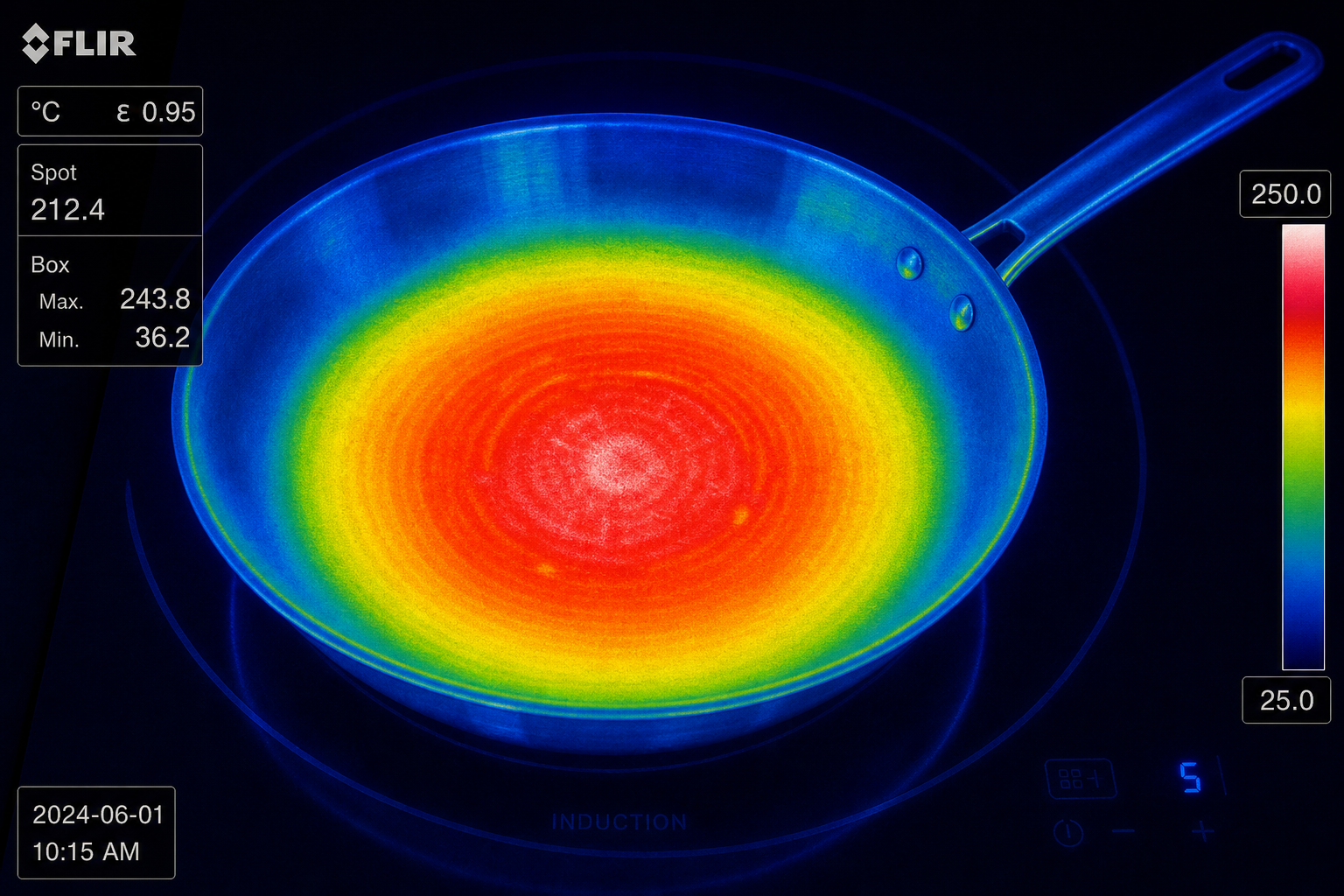
430 Stainless Steel Cookware: The Grade Your Induction Cooktop Needs (And What It Can’t Do)

430 stainless steel is a ferritic alloy (16–18% chromium, no intentional nickel addition — max 0.75% per ASTM A240) that’s magnetic — which is exactly why it works on induction cooktops. It conducts heat roughly 60% faster than 304 stainless steel, costs roughly 25–35% less at the raw material level, and is considered food-safe under

430 Stainless Steel Cookware: The Grade Your Induction Cooktop Needs (And What It Can’t Do) Read More »

Scroll to Top